so, what’s cooking? of course, it’s KAKI FRY (deep fried oysters). this is the season and the famous ones come from Hiroshima. Of course, I needed this food every day for four days to get my fill. and the food in Hiroshima is very good and slightly different from what you find in Tokyo or Osaka areas. of course, this city is also famous for the atomic bomb memorial which I first saw 50 years ago on a scholarship paid visit from my campus on Mount Fuji. But I never visited Miyajima (Itsukushima) where the famous shrine entrance (TORII) starts in the Bay. You may know the old saying, “If I’ve got the time and the money, honey” (slightly modified). so I did, and I went. And here you can see some of that adventure. Since I never visited this island, my impression from the photos were of a simple shrine on a small island. But this is a much more interesting place to visit than just a simple shrine since it has an extremely long history. And as you may know, a lot of that history is about the people who helped populate Japan thousands of years ago from the southern islands.
HIROSHIMA
KAKI FRY is the name of the game in the city And the season begins in late October. This perspective of the atomic bomb memorial is not what you normally see, but I thought it was a more beautiful representation of extinguished life in the background and flourishing life in the foreground A nice concert on the other side of the river Proof I was there If I was in these platform shoes, I’m sure I would break a number of bones in my body. after falling down many times An interesting name for a hotel. I wonder if the name changes if you’re on the A low floor I owned the first version of this car, known as the Miata. in the US
MIYAJIMA
Different angles of this TORII You see, in many photos and it leads to a very expensive and ancient shrineI had to take a photo of this, an image you never see of this TORII Since it has people in it. But I like to take photos with people in them because it shows that the place is really alive with much more than wood and trees and cement and waterThis is really the first restaurant you encounter coming off the ferry and generally the rule of tourism is never pick the first restaurant. But from the outside, it looked good, the reviews were good and the results were excellent. This is what I ordered. It was very deliciousYou need to spend a few hours, at least, walking around this island. I would recommend three hours, including a nice lunch and maybe some ice cream. You can see that it gets fairly crowded, even though this is not the season for tourism And now, for the surprise. There are wild deer wandering around and warnings not to feed them, but you know how that goes. Of course, ice cream is always on the menu The shows the nice walkway where you can stroll and enjoy the views The girl’s pose is very cute Itsukushima shrineYou can see here how extensive the shrine is. just on the bay side Indicating this is a national treasure a heron is at home hereThis is a wedding. Shrines Represent the native religion, SHINTO, which represents what goes on in life and which gods represent different aspects of the world. Ceremonies of life are often performed in shrines while ceremonies of birth and death requiring the cycle of nature beyond this life are done in Buddhist temples. People buy a prayer or charm and they may tie it to a wire or tree. I forgot whether this is done to make sure it comes true, or if it is negative, tied in order to make the fortune not come true. But you can look that up for yourself when you study religious practices in Japan A few of these fellows are giving people rides. As you probably know, this mode of transport is called JINRIKISHA (Person powered vehicle). It has been shortened. in popular vernacular to RIKSHA. And now it’s time to go back to the mainland
You may remember the time President Obama visited Japan and paid a visit to a town which happened to have the same alphabetic name as his family name, Obama. This little town is on the Japan seaside near Tsuruga and not too far from Kyoto. On this trip I happened to visit Tsuruga and saw the town just to the west. This gave me the interest to visit which I did and here are the photos.
I started out fromTsuruga Station. You can see the different trains leaving from the station just afternoon timeYou will notice the Obama station is on the Obama train line which ends at Obama Very clear directions to the Obama line There were very few people on the train, but when I got to the town, I saw more foreign tourists than Japanese touristsThe train doesn’t run that often from Obama StationObviously I arrived This was not the tourist season so you don’t see very much going onThe map and pamphlet explaining the old part of the town This town is known forSABA (MACKEREL)You will notice this sign is a very close copy of the one at Fishermans wharf in San FranciscoThe restaurant ordering pad was indicating the last order is at 3 PM and the restaurant closes at 3:30Here you notice I made it just before the last order The mackerel was very delicious, but it was a lot of food. I actually overstayed the closing time by about 15 minutes. The shows how you can get from Osaka through Obama and up to KanazawaDirections from the park to the old town Flying bird temple in the old town, nothing was open and only residence were walking aroundit was interesting seeing a Coca-Cola sign from Thailand A manhole on the shopping street sidewalkIt’s not often you see a police station labeled in HIRAGANA and not KANJI
if you are Hunting in Himeji you have a lot to find. The city is well known for the castle, which has remained very much intact, unlike most of the castles in Japan which burned down once or twice or maybe more. This castle was very much the center of the struggles between the different Shogun over 300 years ago. But the battles were settled when Ieyasu Nobunaga was the final Victor and whose family maintained control until the 1860s when the Kyushu And other clans decided that rather than fighting the western powers it was better to open the country to a different kind of progress. But there are more things than just the castle. I found quite a few restaurants that looked like they not only served some interesting food, but also provided good quality and friendly service.
before you try to enter the castle there is a trick. You can get a free ¥1,000 coupon you can use in over 200 shops in the city if you get the digital ticket before going up to the entrance area. If you don’t do the digital ticket And instead go up to the automatic payment machines and then go inside the castle you lose the chance to get that ¥1000 coupon. I did not read things extensively before going in so I made the mistake of going to the machines at the entrance and buying the ticket. But at the entrance, Before going in with the ticket , I asked someone about the coupon and they told me that buying the ticket in the machines did not allow me to get the free coupon. So they introduced me to some people in the office who could give me a refund for the ticket and they guided me to the tent about 30 m in front of the entrance where they would advise me how to get the digital ticket and the free coupon. But again once you go in with the ticket you purchased in the machine you are out of luck concerning the coupon.
I did not expect to see you scuba diving school here. If you take the course one of the first things you learned is the meaning of “scuba”. I will spill the beans. “Self contained underwater, breathing apparatus”I guess I’m not the only one who did not expect a diving school in HimejiI just really liked this tree Castle in the distance A beautifully decorated paddle. If you notice the circular emblem at the top, it is the same design. You will see in Ireland as you investigate 3000 year-old Artifacts. Is it coincidence?The town from the top of the castle More scenery in a different direction at the topProof, I was there with crooked classes. And I wish the new version of iOS for iPhones would quit putting commas everywhereHere’s that design again on a roof tile, the same one you see on ancient Irish artifacts If you’re thinking, this restaurant may serve something very crunchy than just understand. There is an abbreviation on the menu.Using the coupon I went to a SHABU SHABU Restaurant and got to my ¥1000 discount
when you study Japanese history, you learn about these descriptions below of the three warring families trying to gain control of Japan more than 400 years ago. There is a description of how they would treat a bird according to their individual personalities. They are interesting descriptions.
This baked eel Was very tasty. I didn’t need the medium or large one to fill up.This is an interesting name for a tattoo parlorJust looking at the name of the shop above I bet you think this is a travel agency or an airline company office. I’m not going to tell you what kind of shop it is. You have to guess. OK, time up. It’s a hairdresser. The name of this restaurant is most often used for an Okinawa food restaurant so I sent the photo to a friend whose father started a famous Okinawa restaurant in Tokyo After the war. I can guess what kind of club this is. I certainly didn’t need to go in. I’m sure you know where the term “Posh” Originated. In case you haven’t guessed it’s an acronym for “port out, starboard home.” And in a unrelated comment, I read that the term “port” which refers to the left side originally was called “larboard”
Frankly, I got a little board of the Bangkok even though the food selection is good. The issue is I’ve seen pretty much everything over the past 30 years so I was thinking about moving onto Koh Chang but it was raining and I didn’t like the idea of going there and renting a motorcycle, riding in the rain. So I decided to move up my trip to Japan a couple weeks and I arrived at Narita. I then just zipped right over to my hotel, I dropped my bag and went for sushi at my neighborhood sushi restaurant
They really cleaned up the local shrine by trimming the trees Having some good food and drink with good friends who used to be my neighborsThe next day I went for some YAKINIKU, which is the Japanese version of Korean food, grilled meat and some other things. You could see the marbling in the beef, which makes it very tender and rich in flavor. Since it is so rich, you don’t really want to eat too much.This sign is almost very true I went out drinking with an old grad school friend and we had a great time. You can see I was so busy yak, yak, yak I forgot to take the photo at the beginning of the meal at the Izakaya (drinkery)The local inexpensive Korean barbecue place, US$13 for as much as you can eat between 1 and 10 PMa lot of people still think Japan is expensive which is an image they got from reality back in the 1980s. Actually now it’s very inexpensive. The Korean barbecue cheapest lunch is less than six US dollars and you can re-order rice at no extra cost at this Izakaya you can drink as much as you want for two hours for less than six US dollarsWith old friends, one is visiting from New ZealandWith Cornell graduates and one member of our alumni group I took a friend to try MONJA, an old Edo (Shitamachi) food which you never had before at a very expensive tourist restaurant. The food was fine, but the description indicated a certain price and it wound up being triple. But we didn’t have time to go look for one of the old shops that don’t cater to touristsin Shinjuku this is one of my favorite Izakaya called SANPEI (三平). this one is downstairs and it’s closer to the train station than the other one. Almost everybody working there is from Myanmar and I know the people who used to work there pretty well.Guess who likes to show off their gangster look at their own bar , K Bar , in Shinjuku Goldengai. I don’t want to mention her age since that would not be polite, but I have known her for 26 years You see the signs from time to time. The one up above is educating mostly people from China and Southeast Asia but it used to be, back in the 1970s, Japanese would also sit on the western style toilet this way because that’s how they knew how to use a publictoilet. Number two is for people from countries that have sewage pipes that are too narrow to carry toilet paper down the line. Japan doesn’t have those narrow pipes so you can throw the toilet paper directly into the toilet.When you think you have seen almost every kind of fast food imitation and idea you can come across something like this. A taco hamburger with avocado. I have had quite a few hamburgers in Japan over the last 50 years and it is definitely one of the last things I ever want to eat again. I don’t know what the hamburger patty is made from but it is definitely a level below McDonald’s, which many people think is the absolute lowest level.a seven US dollar noodle lunch at the local oily and spicy noodle shop. It’s actually very tasty a very popular Japanese style Chinese food restaurant has extremely reasonable prices as you can see below. A little over five US dollars is very reasonable for that lunch, very fillingHere is the second version and the newest one of Hummer There is a new series of holidays strung together, I kind of takeoff on Golden week and it is called Silver week. During this week, my local town had a festival so it was very crowded You can see still some people dress in more traditional clothing, but the tennis shoes kind of don’t fit the styleYou can see how crowded this main street is After that I again forgot to take the photo before eating. It was very tasty at my local neighborhood sushi bar.Near my former home is a very good quality deep fried pork restaurant (TONKATSU)This is their lunch menu. My lunch was eight US dollarsHere is the TO KATSU at the chain restaurant, which is less expensive than my neighborhood restaurant. The price is belowJust less than US six dollarsThe local tricycle shop has Batman’s tricycle This is a traditional way to serve sake with the overflow box under the glass. This is kind of nice and modern with a plexiglass boxYou can also get deep fried chicken in lunch set for US $6.60This is one of my favorite SHOCHU, alcohol made from barley. Traditionally, this kind of alcohol is distilled from potatoes, but it could be from rice or something else
There are shops in Japan that sell goods duty free which now means the 10% sales tax is credited by the store when you buy something duty free for tourists. But i have found a dishonest trick going on. I am now officially a tourist in Japan so i can use the duty free system.
Let me give you my experiences. At Bic Camera where i am a member and get 10% credit on my next purchase every time I buy there. So when i bought a watch I asked for the duty free option and when i went to pay they said i could not get any points if i opted for duty free which means i paid full price including tax and then took the points. So they put in one hand just to take from the other hand.
Last week i went to buy a used backup phone in Akihabara. The shop offered a good price so i bought one. But i paid the tax since it was not a duty free licensed shop. Then i went to a few duty free used phone shops and found the same phone was 10% more expensive but they would credit the 10% tax. So they put in one hand just to take from the other hand.
Today i went to Apple to check out the new phones. Apple Japan is no longer a duty free shop. I wanted to get the tax credited so i went to duty free Yodobashi Camera and found the same phones. their prices are almost exactly 10% higher. So make sure you are really getting the benefit when shopping duty free.
I have been told this system is being taken over by the government on November 1 so duty free shops will probably issue a certificate and the tax reimbursement will be done at the airport on departure. But that does not mean duty free shops will provide any benefit. They might be more expensive than other shops as they are today. So check it out before you buy.
the more you look around, the more you will find interesting any place especially in Japan where so many things are different but you have to be on the lookout.
This is grilled gyoza from the white gyoza restaurant in KashiwaSomebody went to France and decided to recommend a train station put a piano for customers to practice on Yaki Saba, one of my favoritesCould this be pronounced like “bloke” as they say in England? OK, so these are small cigarettes called colts because colts are small horses. And of course they have to have Che Guevara cigarettes for some reason
What you will find in beautiful Tottori is a very different environment than other tourist places. If you visit in August the rice is about ready to harvest so there are green fields everywhere there are not step hills or mountains. Mountains are green and quiet places to hike and find small shrines where few visitors arrive. The sand dunes of Tottori are unexplored sites in Japan and the friendliness of rural shop owners is refreshing.
Beautiful rice fieldsSmall streams are here and thereYou can also interpret his sign as saying, “this toilet doesn’t smoke”Very tasty grilled meats and EDAMENice ocean viewsDelicious UNAGI and riceMor good grilled foodTottori sand dunesDelicious raw seafood saladFresh vegetablesThese are made into chipsGreen hillsEntering MITOKUSANContainer hotel. Well equipped and maintained and not expensiveSand sculpture museum
The Sand Sculptures
16th Exhibition
Travel around the world in sand :
JAPAN
1.Japanese Mythology – Creation of the World and the Gods Andrius Petkus / Lithuania
Japanese mythology is found in the Kojiki and Nihonshoki, Japan’s oldest historical books which were compiled in the 8th century. It describes the birth of the gods, the establishment of the land, and stories such as the lineage down from the supreme god Amaterasu to the birth of the first Emperor. The upper part of the work is a scene from the myth of the “Creation of the World.” The male and
female deities, Izanagi and Izanami, are stirring the sea. The droplets falling from the tip of their spear turn into salt and accumulate, giving birth to the first island of Japan, Awaj!
Island. In the center of the work is the ancient Izumo Grand Shrine (estimated height of 48 meters), which enshrines Okuninushi, the deity who handed over the land to Amaterasu.
The long staircase that seems to reach to the heavens, expressed using perspective, creates a sense of realism. The right side of the work tells the story of Susanoo’s defeat of Yamata-no-orochi, an eight-headed serpent monster in the Land of Izumo. The strength of Susanoo as he confronts his giant foe is vividly expressed in this work
2. Yayoi Period – Yamataikoku Michela Ciappini / Italy
The Yamataikoku (Yamatai Kingdom) is said to have existed in Japan around the 3rd century. According to the Chinese history book “Wei Zhi” Biography of Japan, Queen Himiko ruled over 30 countries including Yamatalkoku using witchcraft, but she was rarely seen by the people. She also excelled in diplomacy, and sent an envoy to Wei (China), who gave her the title of “King of Wei-Wa”
and 100 bronze mirrors. In the artwork, Himiko is depicted holding a bronze mirror, incorporating the benevolent sun, and overlaying it with the mirror’s design to symbolize authority and dominance. The background features scenes of rice cultivation that began in the Yayoi period and elevated storehouses for rice storage, expressing the prosperous life of the Yamatai Kingdom.
3.Asuka Culture Thomas Koet / USA
Asuka culture, the first Buddhist culture in Japan, developed from the late 6th to the early 7th century. During this period, Japan sent emissaries to Sui China resulting in adoption of advanced systems and culture, and the construction of Buddhist temples, as well as the creation of Buddhist statues and paintings, was also booming.
Horyu-ji Temple, bullt by Prince Shotoku in 607, is a representative
temple of the Asuka culture and is registered as a World Heritage site as the world’s oldest group of wooden buildings. The composition on the right depicts a composition of the viewer standing diagonally in front of the central gate of Horyu-ji Temple, gazing at the five-story pagoda which can be seen through a long corridor expressed in perspective. The left side features the “”Bodhisattva in Half-Lotus Position”” from Chugu-ji Temple. It depicts Maitreya Bodhisattva, with the fingertips of the right hand gently touching the cheek in thought, characterized by a gentle face with a soft smile.
4. Kamakura Shogunate – The Rise of the Rule of the Samurai Slava Borecki / Poland
Minamoto no Yoritomo expanded his power with Kamakura as his base. In 1185, he defeated the Taira clan and gained the imperial court’s approval to establish the positions of shugo (provincial governors) and jito (land stewards), marking the establishment of the Kamakura Shogunate around this time. This gave rise to a samurai-led government, distinct from the aristocrat-centered
imperial court, laying the foundation for Japan’s political system that would continue through the subsequent Muromachi and Edo Shogunates. In the artwork, Yoritomo and his vassals are placed in the foreground, with intricately detailed armor and the bold expressions of the figures being highlights. The background features the white flag of the Minamoto clan, symbolizing “Hachiman Daibosatsu,” the god of war revered by samural, and the “Sasa Rindo” crest of the Minamoto clan. Additionally, a beautiful landscape reminiscent of traditional mountain-and-water paintings is composed.
5.Nara Period – Buddhism Protects the Nation Wang Jiea / China
The Todai-ji Temple’s Rushana Buddha, a World Heritage site affectionately known as the “Great Buddha of Nara,” was constructed in 752 under Emperor Shomu, who was a devout Buddhist and followed the concept of protecting the nation through Buddhism. This project was set against a backdrop of unstable social conditions, including epidemics, famines, and
rebellions. It is said that an imperial edict for the construction of the Great Buddha mobilized half of the population at the time, and it took about 10 years to complete the approximately 15-meter-tall statue. In this piece, the surface of the sand sculpture is carefully smoothed to also convey the texture of metal. To the left, incense is carved, with the rising smoke eventually forming the shape of clouds that lead to the Pure Land paradise. Additionally, the “inzou” (hand pose) of Rushanabutsu’s right hand means “to remove fear and anxiety,” while the inzou of his left hand means “to fuffill earnest requests.”
6.Mongol Invasions
Oscar Rodriguez / Spain
In the latter half of the Kamakura period, Japan faced a crisis of potential invasion. This came from the Mongol Empire (Yuan), which sought to extend its dominion across the entire Eurasian continent, launching an attack on norther Kyushu with a massive naval force.
During the first invasion in 1274, the Yuan army landed in the western part of Hakata Bay, using explosive “tetsuhau” bombs
powered by gunpowder, which put the shogunate forces at a disadvantage. However, the Yuan withdrew by the next morning, prompting the shogunate to prepare for a second invasion by constructing an enormous defensive wall stretching about 20 kilometers along the Hakata Bay coast. In the second invasion of 1281, the Yuan army was unable to land due to the defensive wall, and their fleet was devastated by a violent storm. In the artwork, the storm, famously called the “divine wind” (kamikaze), is depicted with dramatic intensity, contrasting the Yuan army swallowed by raging waves with the shogunate forces protected by the divine wind, separated by the defensive wall.
7. Nanban Trade -Introduction of Christianity and Firearms lya Filimontsev / Russia
In the midst the Age of Exploration, as Portugal expanded into Asia, Portuguese sailors drifted ashore on Tanegashima Island in 1543, Introducing firearms to Japan. This event sparked the beginning of Nanban trade, through which Japan imported firearms, gunpowder, and Chinese raw silk, while exporting silver, swords, and other goods. In 1549, the missionary Francis Xavier
arrived in Kagoshima aboard a trading ship and, under the protection of daimy who supported Nanban trade, began spreading Christianity. The unparalleled destructive power of firearms and the influence of Nanban culture, including Christianity, impacted the tactics and politics of Sengoku-period daimyo. In the artwork, the right side depicts merchants and bodyguards negotiating over firearms with Nanban traders, while the left side portrays a missionary preaching and a Christian daimyo. The detailed sculpting of the background, including trading ships and port scenery, as well as the expressions and adorments of the figures, are notable highlights.
8.Sengoku Period
Dmitrii Klimenko / Russia
During the Sengoku period, as the power of the Muromachi Shogunate waned and warring daimyo vied for supremacy, Oda Nobunaga sought to end the chaos of the era and establish a new nation, a unified Japan, through his own strength. He demonstrated his prowess by employing tactics that utilized firearms, the acceptance of Christianity, and promoting policies like
rakuichi-rakuza (free markets/unregulated guilds) to foster commercial development.
However, in 1582, just as unification was within reach, his life came to an end due to the betrayal of Akechi Mitsuhide in the Honno-ji Incident. In this sculpture, Nobunaga is surrounded by flatly sculpted vassals amidst the flames consuming Honno-ji. Their expressions are uniformly stern; on the left, Mitsuhide is depicted poised to strike Nobunaga, while on the right, Shibata Katsule glares at Mitsuhide, raising his sword.
9. The Phoenix Hall of Byodö-in Enguerrand David / Belgium
During the Heian period, Fujiwara no Yorimichi, the regent of the time, founded Byodo-in Temple in Kyoto in 1052. The main hall, with its elegant, symmetrical design reminiscent of a phoenix spreading its wings wide, is called the “Phoenix Hail” (Hooh-do). It embodies the Heian aristocracy’s vision of the Pure Land zu paradise. In the artwork, the seated Amida Nyorai (Amitabha
Buddha) statue inside the hall is meticulously recreated, showcasing the artist’s extraordinary skill of sand sculpture. The image of the Phoenix Hall appearing to float on the water’s surface is also striking. Surrounding that scene is another Heian-period national treasure, the “Choju Jinbutsu Giga” (Scrolls of Frolicking Animals). This masterpiece humorously depicts anthropomorphized animals like rabbits and frogs. In the sand sculpture, the ink lines of the picture scroll are crafted into a relief, bringing the figures to life in a vivid, three-dimensional form.
10. Landscapes of Japan – World Heritage Sites Leonardo Ugolini / Italy
Mount Fuji, a majestic and mystical natural masterpiece, has long been revered as a sacred site and “the wellspring of beauty” that nurtured artistic culture, such as ukiyo-e prints. It was designated a World Heritage site in 2013. To the left stands Himeji Castle, a national treasure and Japan’s first World Heritage site, recognized in 1993. Known also as Shirasagi-jo (White Heron Castle), its
imposing main keep is faithfully recreated. To the right is Kyomizu-dera Temple, founded about 1,250 years ago. The main hall and three-story pagoda, rebuilt during the Edo penod, are iconic symbols of ancient Kyoto. The artwork harmoniously blends these three World Heritage sites from different eras and locations, symbolically expressing the Japanese sense of beauty. Spanning a massive 20-meter-wide canvas, it employs sand sculpture techniques such as architectural perspective and the use of negative space in the background. Intricate details like tiled roofs, stone walls, and the famous “Kiyomizu Stage” are highlights of the piece.
11.Edo Period: Bakuhan System, The Shogun, and Townspeople Culture Melineige Beauregard / Canada
David Ducharme / Canada
Susanne Ruseler / Netherlands
The Edo period followed an era of warfare, bringing about a time of peace under the rule of the Tokugawa shogunate that lasted approximately 260 years. This work portrays that era of tranquility through three distinct scenes.
The central piece features portraits of successive shoguns, with Tokugawa leyasu, the founder of the shogunate, at the top center. Highlights include the dignified depictions of key figures: the second shogun Hidetada in armor, symbolizing the shogunate’ s authority; the third shogun lemitsu in traditional court robes, who established systems like the policy of national seclusion; the fifth shogun Tsunayoshi, known for the “Edicts on Compassion for Living Things;* the eighth shogun Yoshimune, hailed as the
“restorer of the shogunate” and a wise ruler; and the fifteenth and final shogun Yoshinobu, dressed in Western attire, who oversaw the retum of political power to the emperor. The commanding presence of these figures is a focal point.
To the right is the “Sankin-kotal” system, initiated by the third shogun lemitsu. This policy required feudal lords (daimyo) to alternate their residence between their domains and Edo every other year, reinforcing the shogunate’s authority and nationwide control. The artwork captures the moment when a daimyo procession arrives at Nihonbashi in Edo. By sculpting numerous figures in layered depth from background to foreground, it conveys the dynamism and grandeur of the group.
The Edo period also saw the flourishing of vibrant arts supported by merchants and common townspeople. The piece on the right brings to life a three-dimensional rendition of the Nihonbashi and Suruga-cho landscape as depicted in ukiyo-e prints.
The scene features the kimono shop Mitsui Echigoya (later Mitsukoshi) lining both sides of the street, and it feels as though you can hear the hustle and bustle of merchants carrying large loads and maidservants in the background.
12.Arrival of Black Ships and Opening of the County Marielle Heessels / Netherlands
In 1853, near the end of the Edo period, Commodore Matthew Perry, commander of the American East India Squadron, arrived off the coast of Uraga in Kanagawa Prefecture with four warships.
After more than 200 years of Japan’s isolationist policy, he forcefully demanded the country open its ports, leading to the signing of the unequal Treaty of Peace and Amity between the
United States and Japan the following year. This event marked the beginning of a significant shift toward the end of the shogunate and the Melji Restoration. In the artwork, Perry’s portrait is sculpted with a dignified and commanding expression, rendered in realistic detail. In the background stands a steamship, the first of its kind witnessed by the Japanese people at the time. Three small Japanese boats accentuate its immense size and presence, hinting at both the astonishment and threat felt by the Japanese regarding the West.
13.Natural Surroundings of Japan Eda Kaytan / Turkey
The Japanese archipelago is long and narrow, measuring approximately 3,000 km from north to south. Its climate ranges from subarctic in the north to subtropical in the south, fostering a rich ecosystem due to this unique environment.In this work, a variety of animals native to Japan are charmingly sculpted, focusing on endemic species such as the Japanese serow
inhabiting mountainous regions, the Yanbaru rail found in parts of Okinawa, the giant salamander (one of the world’s largest amphibians), and the Japanese river otter, which went extinct in 2012. Endangered species like the crested ibis (known scientifically as “Nipponia Nippon”) and the Asiatic black bear are also featured, alongside more common animals of the rural satoyama landscapes, such as deer, tanuki (raccoon dogs), and wild boars, showcasing Japan’s diverse wildlife.
14.Art of Japan – Ukiyo-e
Guy Olivier Deveau / Canada
“Ukiyo-e,” a quintessential representation of Japanese art, emerged during the Edo period as a popular art form that evolved from hand-painted works to woodblock prints, earning high acclaim in the West as well. Its appeal lies in its diverse motifs – such as actor portraits and landscapes- along with bold stylization and striking design. Renowned artists like Sharaku, Utamaro, Hokusai, and
Kuniyoshi became celebrated figures of the era. This work features meticulously sculpted renditions in the foreground, including Sharaku’ s “The Actor Otani Oniji Ill as Yakko Edobei,” Utamaro’ s “Three Beauties,” and pieces by Hiroshige and others. The dynamic energy of Hokusai’ s “The Great Wave off Kanagawa” from his “Thirty-Six Views of Mount Fuji” resonates with the towering waves of the sand sculpture “Mongol invasions” to the left, creating a powerful and immersive exhibition space.
15. Literature of Japan – The Dawn of Women’s Literature Kei Hirooka / Japan
During the mid-Heian period, Japan gave birth to a distinctive culture known as “Kokufu Bunka” (National Culture). Among its developments was the creation of kana script, a simplified form of Chinese characters (kanji). While kanji was primarily used by a select group of aristocratic men, kana script was predominantly employed by women. The advent of this simpler writing system
paved the way for greater freedom of expression, leading to the flourishing of Heian women’s literature. This was spearheaded by cultured and intellectual court ladies (high-ranking female officials), such as Murasaki Shikibu, Sel Shonagon, and Izumi Shikibu. In the artwork, Murasaki Shikibu, the author of “The Tale of Genji” — regarded as the world’s oldest full-length novel-is delicately and gracefully depicted in a twelve-layered robe (junihitoe). The background portrays court ladies engaging in a playful competition to judge the merits of their poetry.
16.Meiji Restoration and Westernization
Jill Harris / USA
The Meiji government promoted Westernization policies to demonstrate Japan’s modernization to European nations. This led to significant changes in lifestyle and infrastructure, including the construction of brick buildings, the installation of streetlights, the opening of railways, and the establishment of a postal system.
Political and social venues like the Rokumeikan were also created
to entertain state guests and foreign diplomats. The artwork depicts a glamorous scene of aristocrats dressed in elegant Western attire, enjoying chamber music at a ballroom dance. The view from the balcony reveals a cluster of government-operated factories, symbolizing the era’s atmosphere as Japan pioneered an industrial revolution in Asia and surged toward the policy of “Fukoku Kyohei” (Enrich the Country, Strengthen the Military).
17. World War Il and Rapid Economic Growth
Martijn Rijerse / Netherlands
The year 2025 marks the 80th anniversary of the end of World War II. After achieving postwar recovery, Japan experienced a period of rapid economic growth that began in the mid-1950s and lasted for nearly 20 years, and has continued to develop to the present day. The sand sculpture depicts two contrasting eras: “Postwar Hiroshima” and “Contemporary Tokyo.” Against
the backdrop of a scorched landscape with the iconic Atomic Bomb Dome, the figures of citizens who supported Hiroshima’s reconstruction are depicted. The smoke from Hiroshima rises into the sky, forming clouds, while the rubble transforms into a metropolitan scene featuring landmarks like Tokyo Skytree and the Tokyo Metropolitan Goverment Building. At the far right, children visiting from a distant era gaze toward the future, contemplating what lies ahead.
18.Pop Culture of Japan Nozomu Daikuzono / Japan
The “Kawaii” culture, which has attracted global attention, may trace its origins to the things Japanese people have cherished in daily life since ancient times. The “Maneki-neko” (beckoning cat) became popular during the Edo period as a good-luck charm to bring in many customers and a prosperous business. In moder times, it has transcended that role, evolving into a character-driven
aspect of Japanese culture shared with the world. The sand sculpture expresses the adorable charm of a diverse array of Maneki-neko figures.
19. Traditional Culture of Japan – The Noh Play Nozomu Daikuzono / Japan
Established in the 14th century, Noh theater evolved as a performing art combining dance, chanting, and musical accompaniment. Once patronized by the warrior class, including Toyotomi Hideyoshi, it is now preserved as an Important Intangible Cultural Heritage in modern times. The artwork depicts a famous scene from the Noh play “Hagoromo,” where a
celestial maiden, having dropped her feathered robe to the earth, dances with ethereal grace. The spiral structure in the background embodies the maiden’ s gestures and the imagery of her ascent to the heavens, while also reminding the viewer of the fragility of the sand sculpture material. The detailed and realistic sculpting of the musicians’ flute and drum, the Noh stage, and props brings the theatrical space to life, creating a vivid sense of realism.
I rented a car in this area and drove around for four days to some places I have not been in 48 years. I highly recommend going to the Japan Seaside from the Pacific side if you get the chance. The area around here is extremely beautiful and not over developed.
The buffet breakfast you can get in some hotels can be very filling but you need to understand how to put the different ingredients together. This was one of the least appetizing breakfastS with a very dry spaghetti and meatballs but the salad was OK.Most of the restaurants now do not allow smoking inside but make provisions for the smoking addictsThis countryside station copied the French idea of placing a piano for customers to enjoy. It’s a nice additionThe race fields are really beautiful in September Himeji castle from the stationMy second favorite beerNice food at the Korean restaurant For me this was a plentiful lunch
Tottori
This is at the sand museum. Artist from all over the world create these amazing structures out of sand These are the famous sand dunesNow a very popular tourist destination De sand dunes map This map spots the different sand dunes in Japan, large and small The beautiful mountain side Map of Mitokusan where I almost lost my life 48 years agoThis is a “national treasure”. Look at the photos below and you will see why it is so interesting Difficult access Almost the ultimate in seclusionRon and I climbed all the way up to this temple on the mountain when the access gate was closed, climbing up was banned because the snow was 3 feet deep.Full service gas stations are still the thingI came to this restaurant for the famous open range chicken, Daisen ToriVery delicious countryside food
Okayama
One of my favorites, TONKATSUThe hotel on the way back was not expensive, very new and clean 20 foot containers
Wakayama
Having dinner with an old friend at a very nice restaurant
Tokyo
Back in Tokyo with good friends from the software industry. This is a restaurant where you fish for your food and look what my friend caught. I was the net boy A new Italian addition to the beer industry Low riders near my hotel All the crazy construction going on in Shibuya. It’s very hard to find your way around. Get prepared to get lost. And the number of people in this area is just unbelievable now
After Ishigaki Jima I flew to Naha on the main Okinawa Island and contacted one of the people I met drinking one night in a small drinkery in Ishigaki town. They brought the whole family for a fun night f food and drinks at a local place they frequent.
Here we are gathered together. It was a fun evening.Tourists like driving go cartsIt was “close”, I was standing right in front of it. This spelling replacement for “closed” is a misunderstanding of the word usage and is prevalent throughout Japan an Thailand.The convenient overhead monorail going to the airport.Spam is an influence from the post war US occupation.
As I was traveling around Japan I decided to go to my old school area on Mt. Fuji, Fujinomiya, and also to a place I love to visit. The Kiso trail goes from near Matsumoto area to Nagoya and still has old villages with places to stay and a walking trail along the centuries old walking trail. These two areas are close to Tokyo so easy for day or several day trips. The Chuo line goes from Tokyo along the Kiso trail and is one way to see this beautiful area.
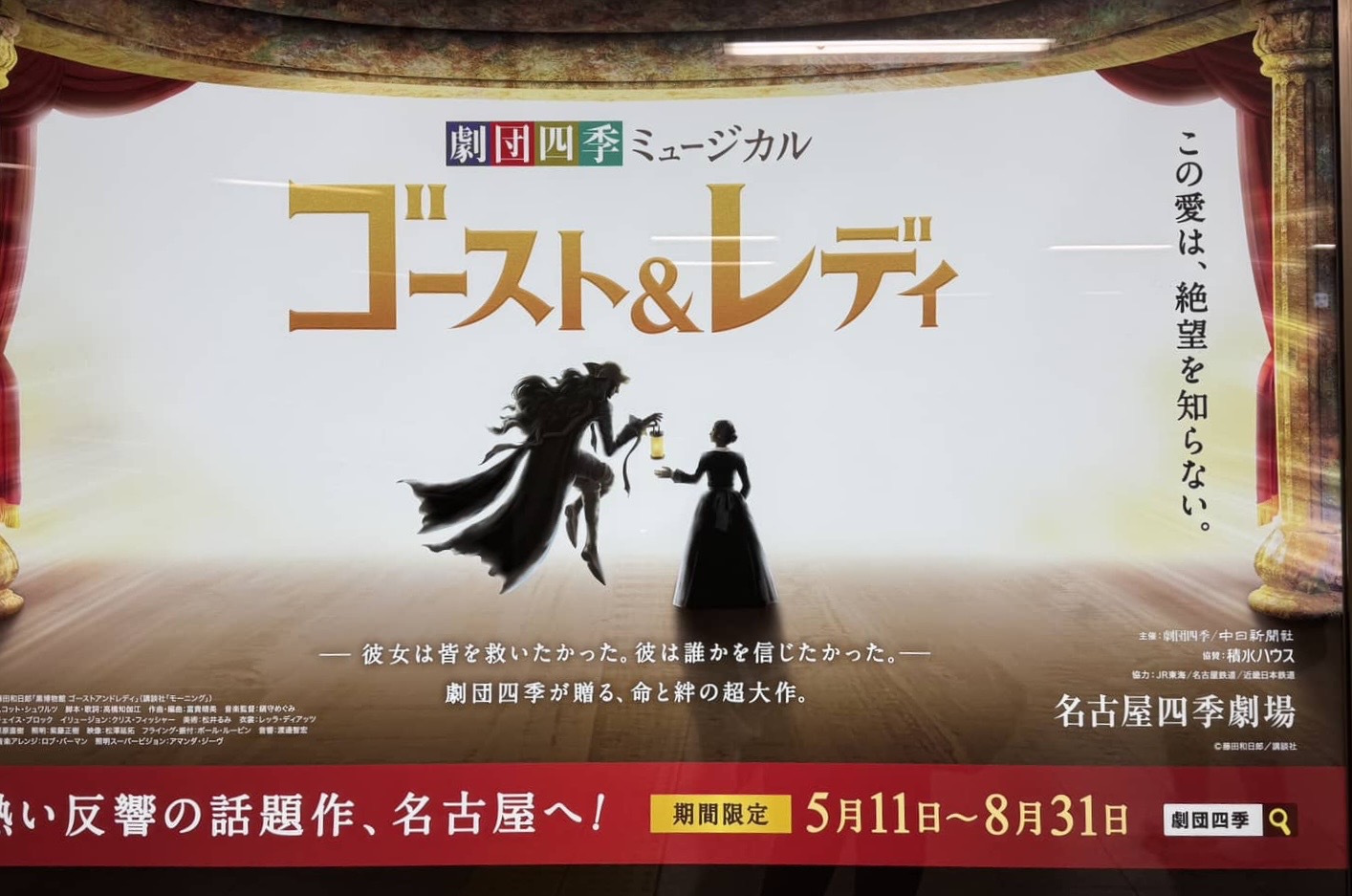
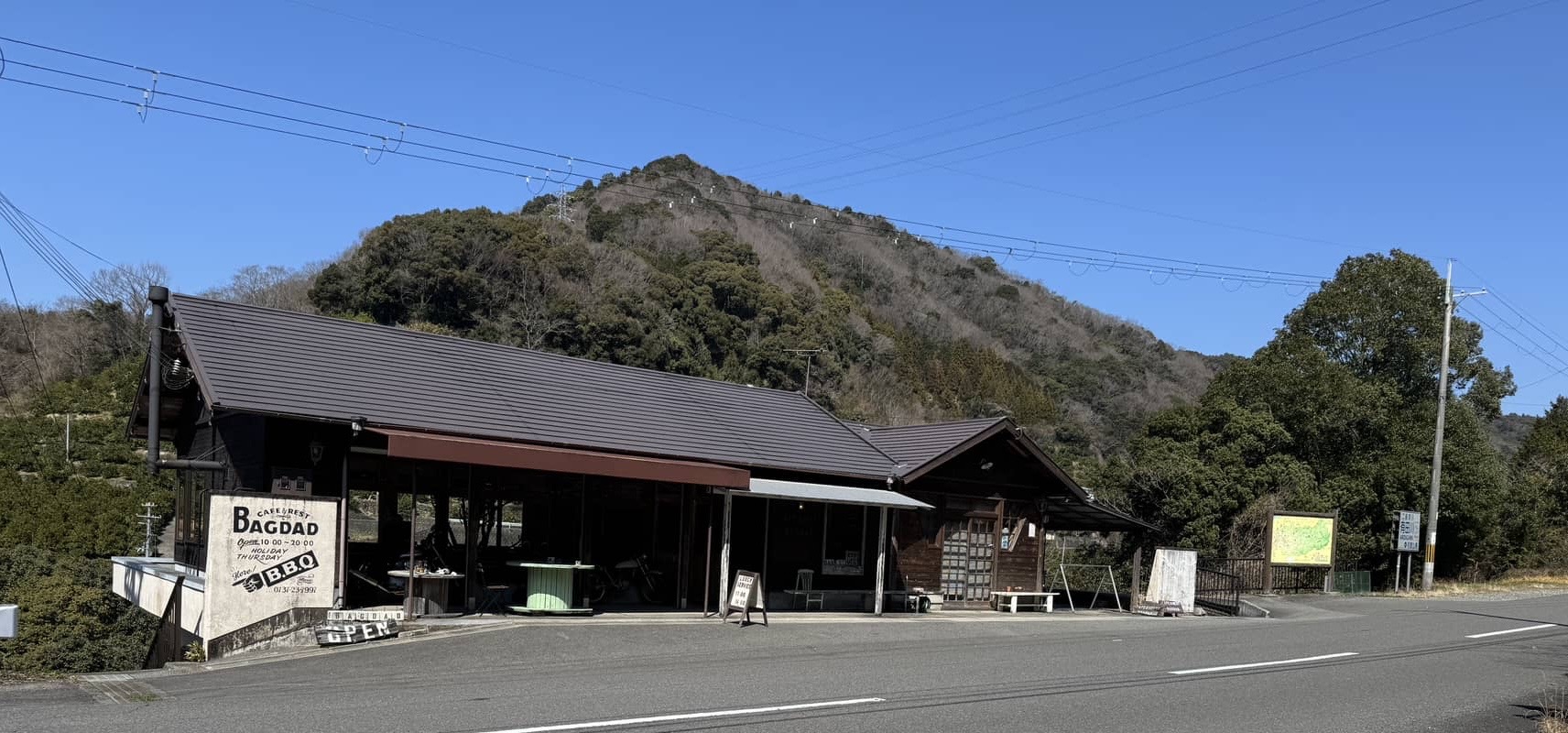
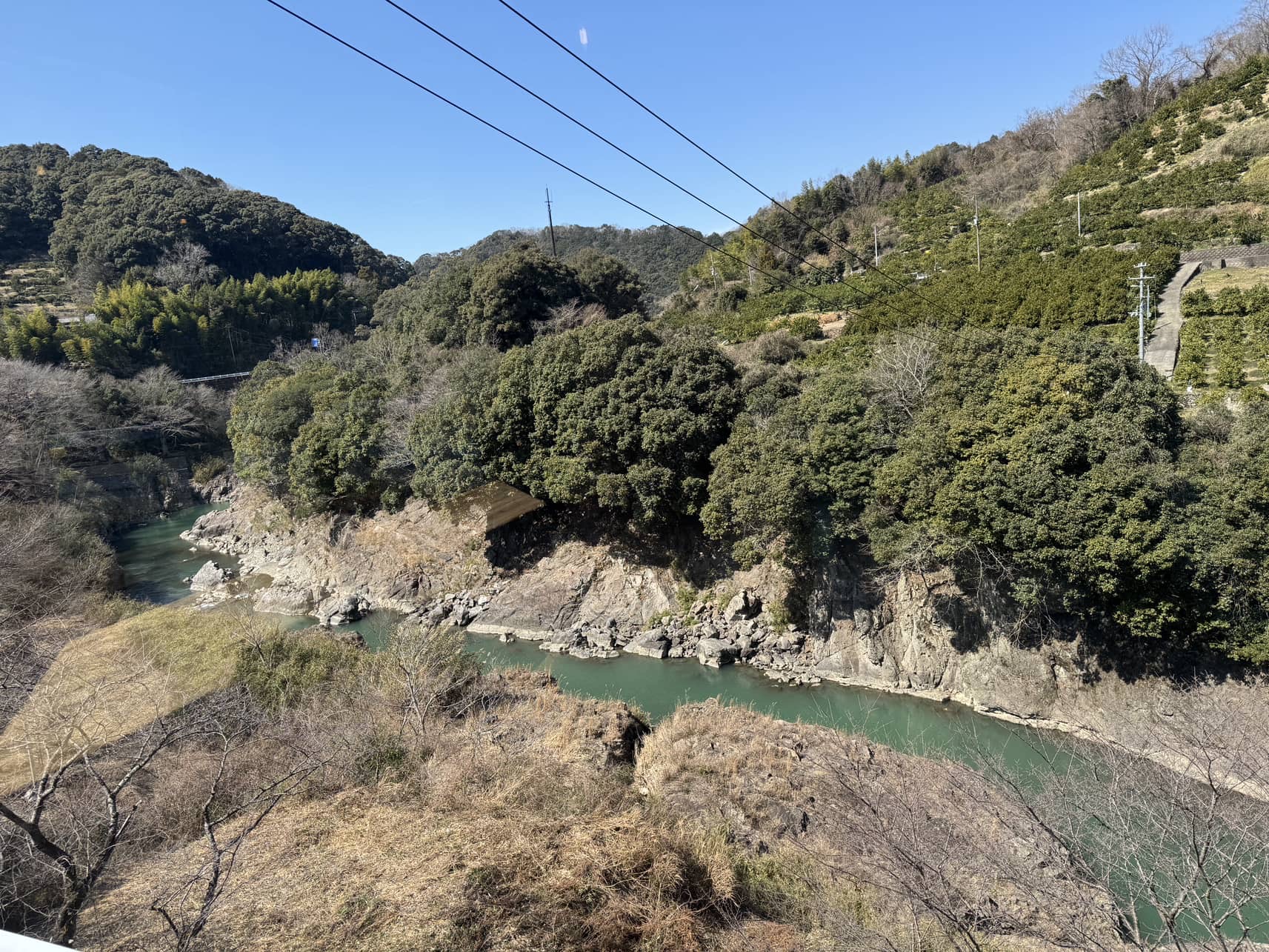
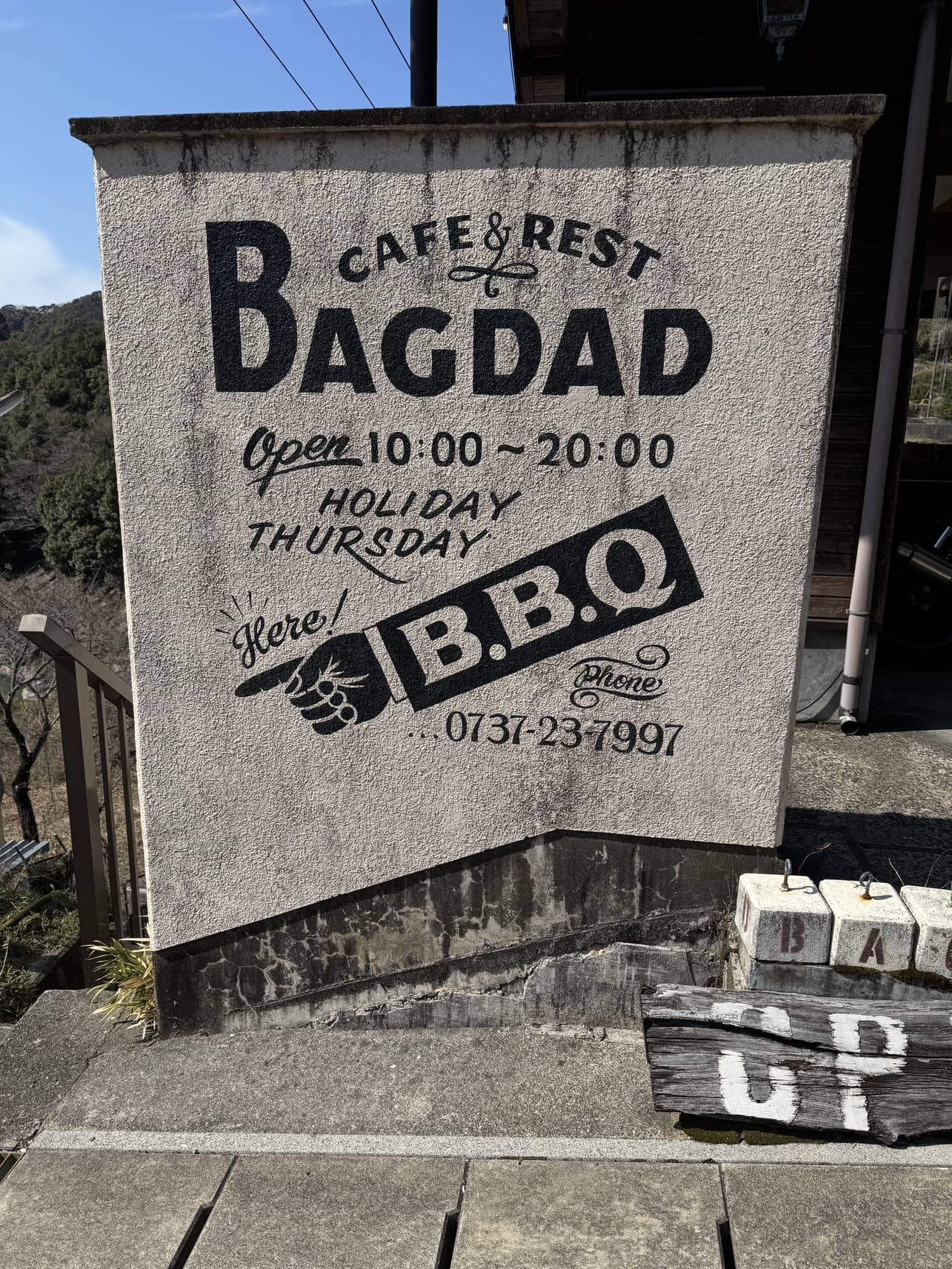
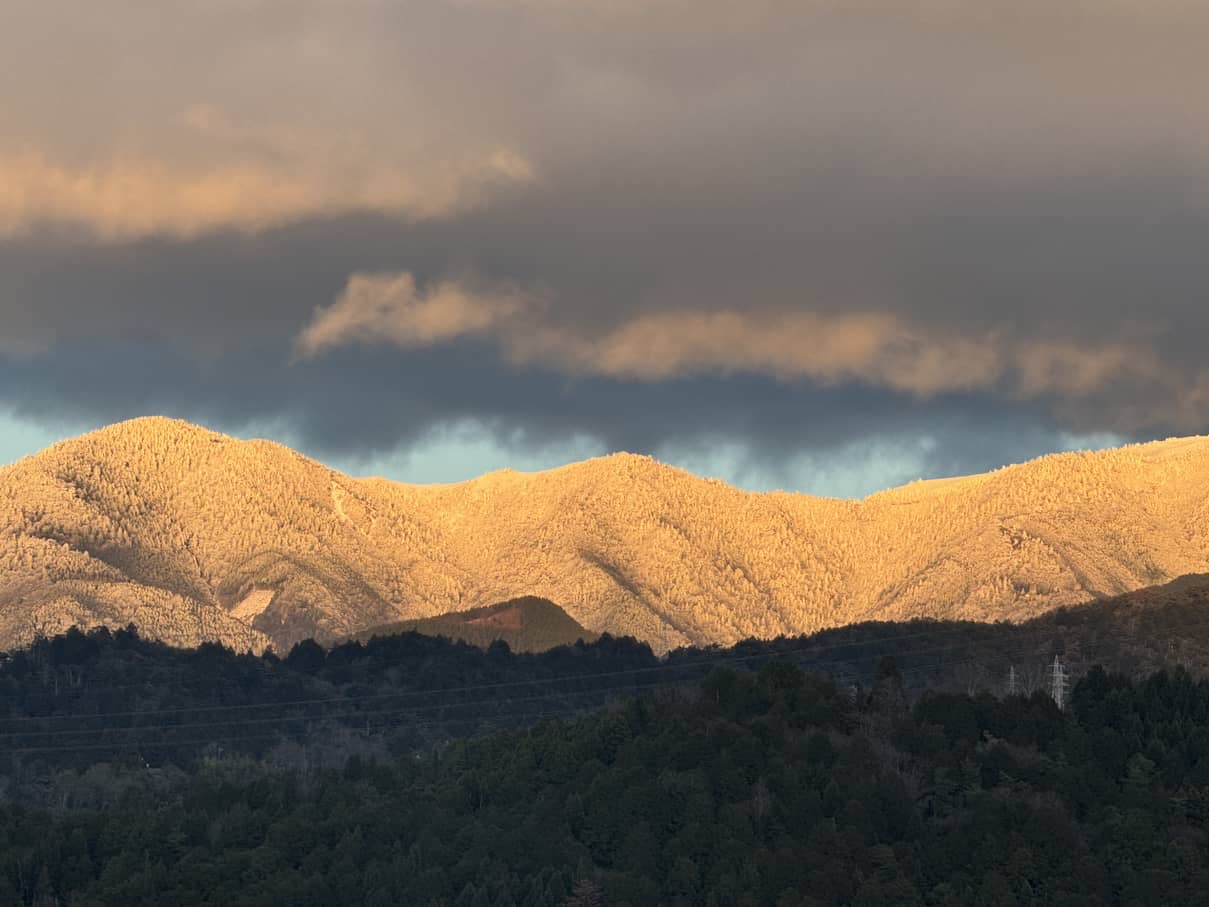
An old car museum display of one of my favorite type cars.Near my hotel in Kashiwa all these people are standing around playing Pokemon GoI am guessing this musical is based on “the ghost and Mrs. Muir”Actually this is near Wakayama in the mountains and has been a favorite motorcyclist stop for over 50 yearsThe river view which is superb during the cherry tree blossoming seasonThe old sign for the “bagdad cafe”, evidently a hint from the movieA nice river/city viewAt a local restaurant a map with pins of were customers liveMeasuring the CO2 level in the restaurantThe Nagoya side of the Kiso trailOld house with water wheelMany shops were not open due to dwindling tourist arrivals A typical shopI had delicious noodles hereA view from the top in MarchProof I was thereA small private garden. There are millions of these in JapanCity view from the hotelLater in the evening he snow dusted hills change colorAn old station rebuiltA view from my grad school campusShiraitonotaki (white thread water fall) near my school has become quite a developed tourist destination