













Click on "Menu" below to search Country or City or to see Country Guide. Tip your phone sideways and you will see all aspects of the site.
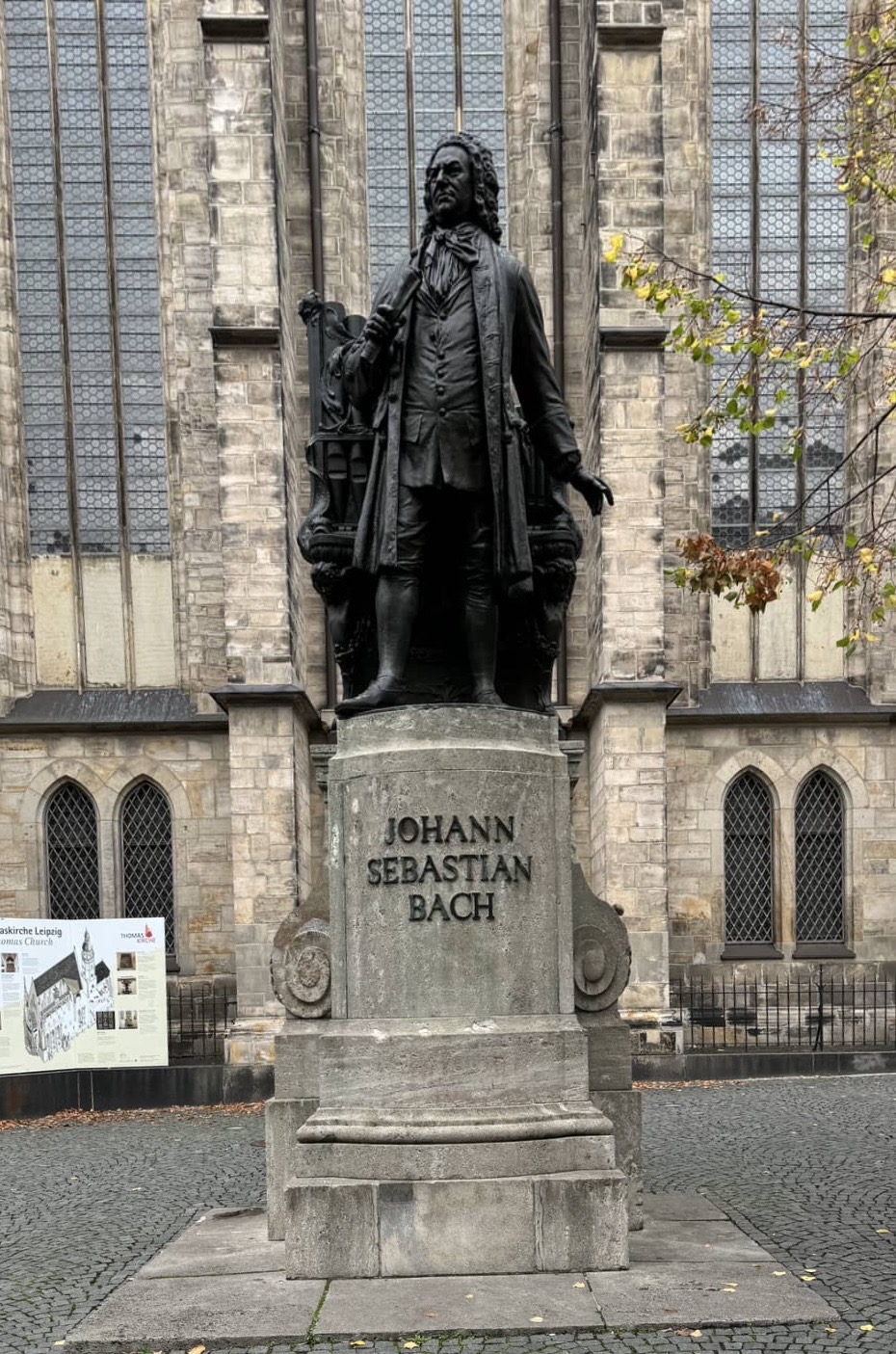
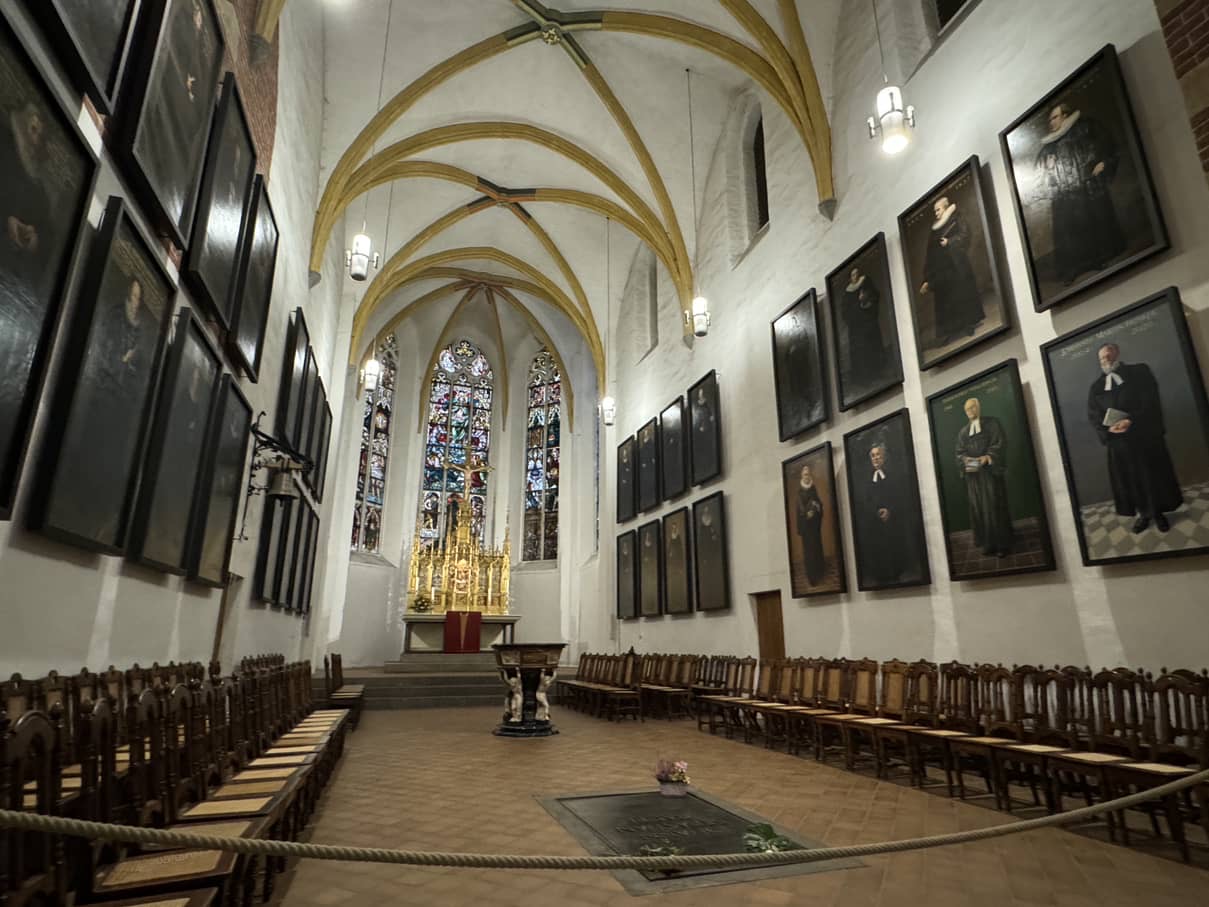
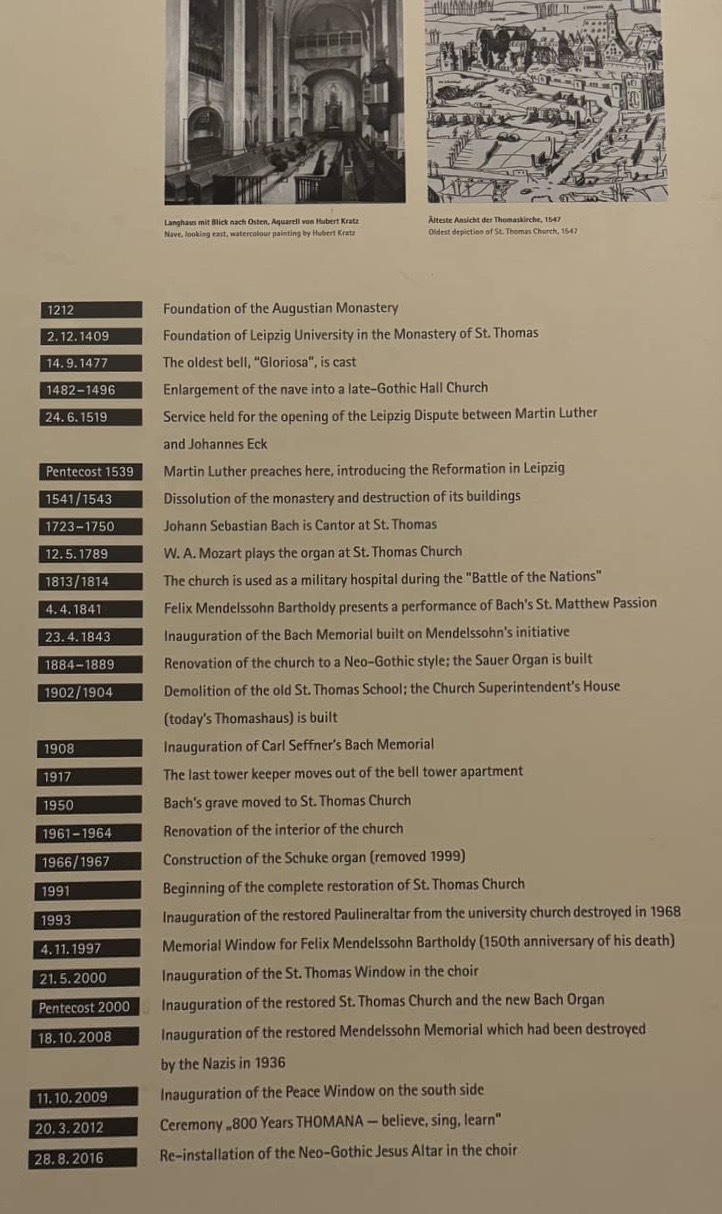
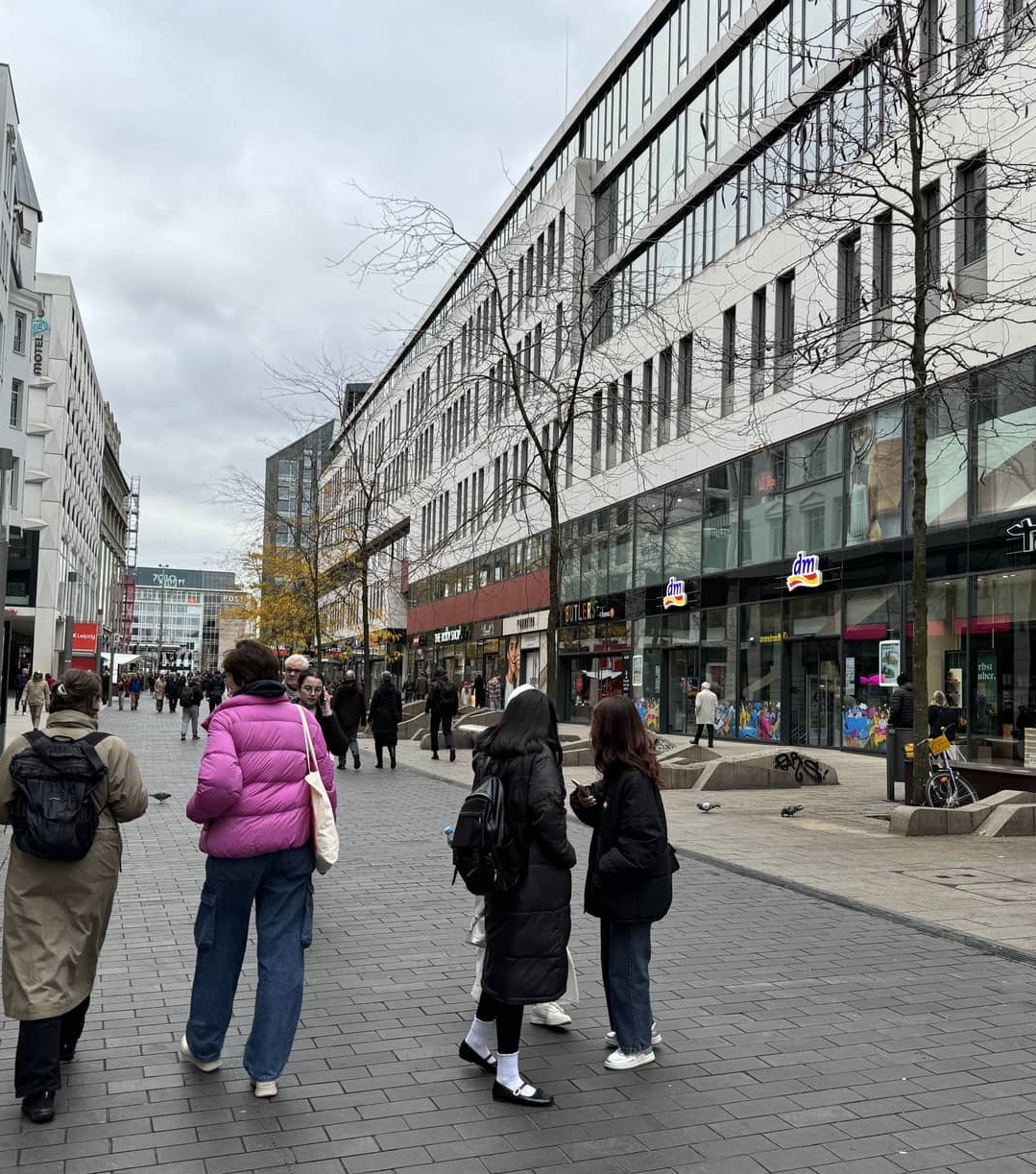
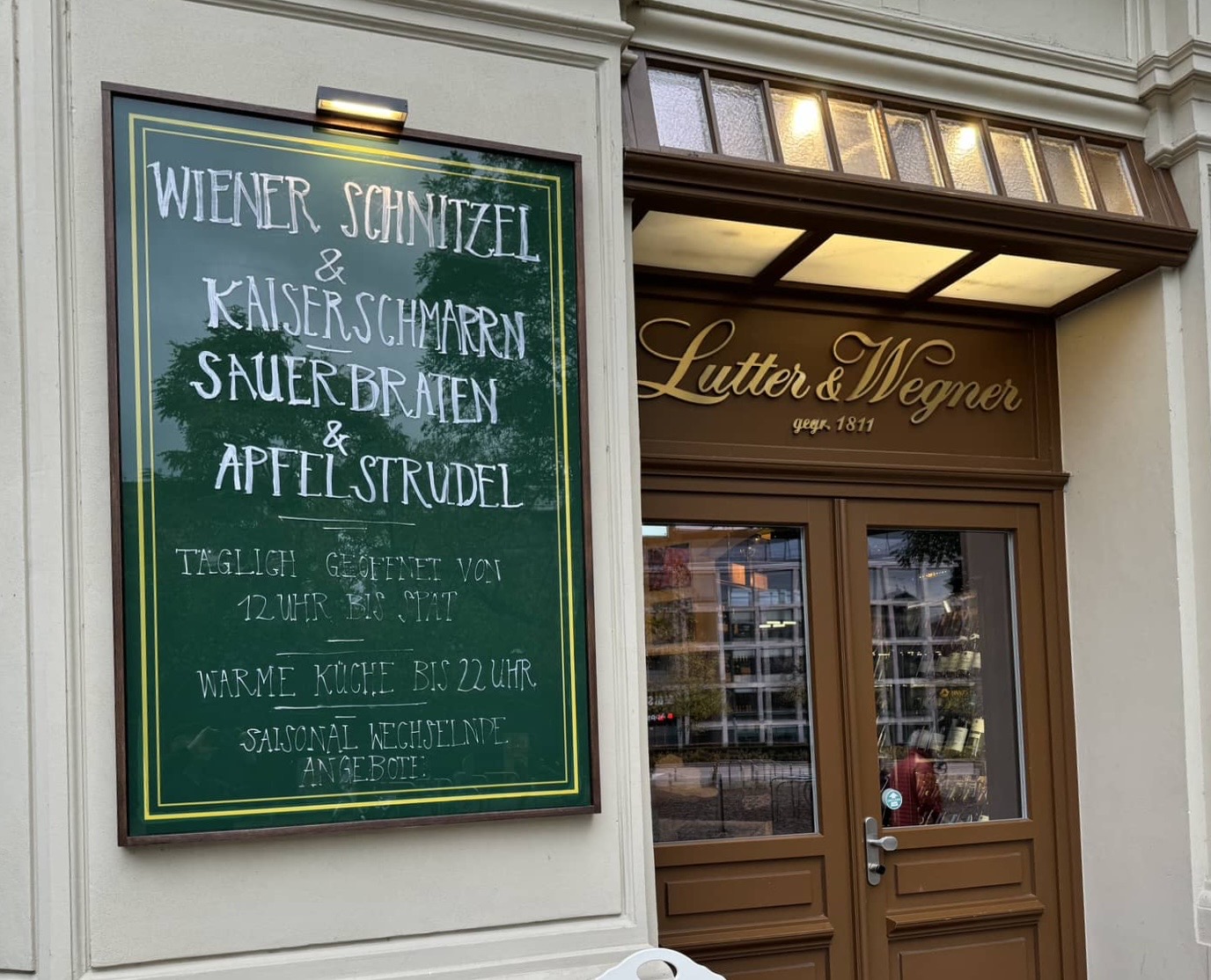
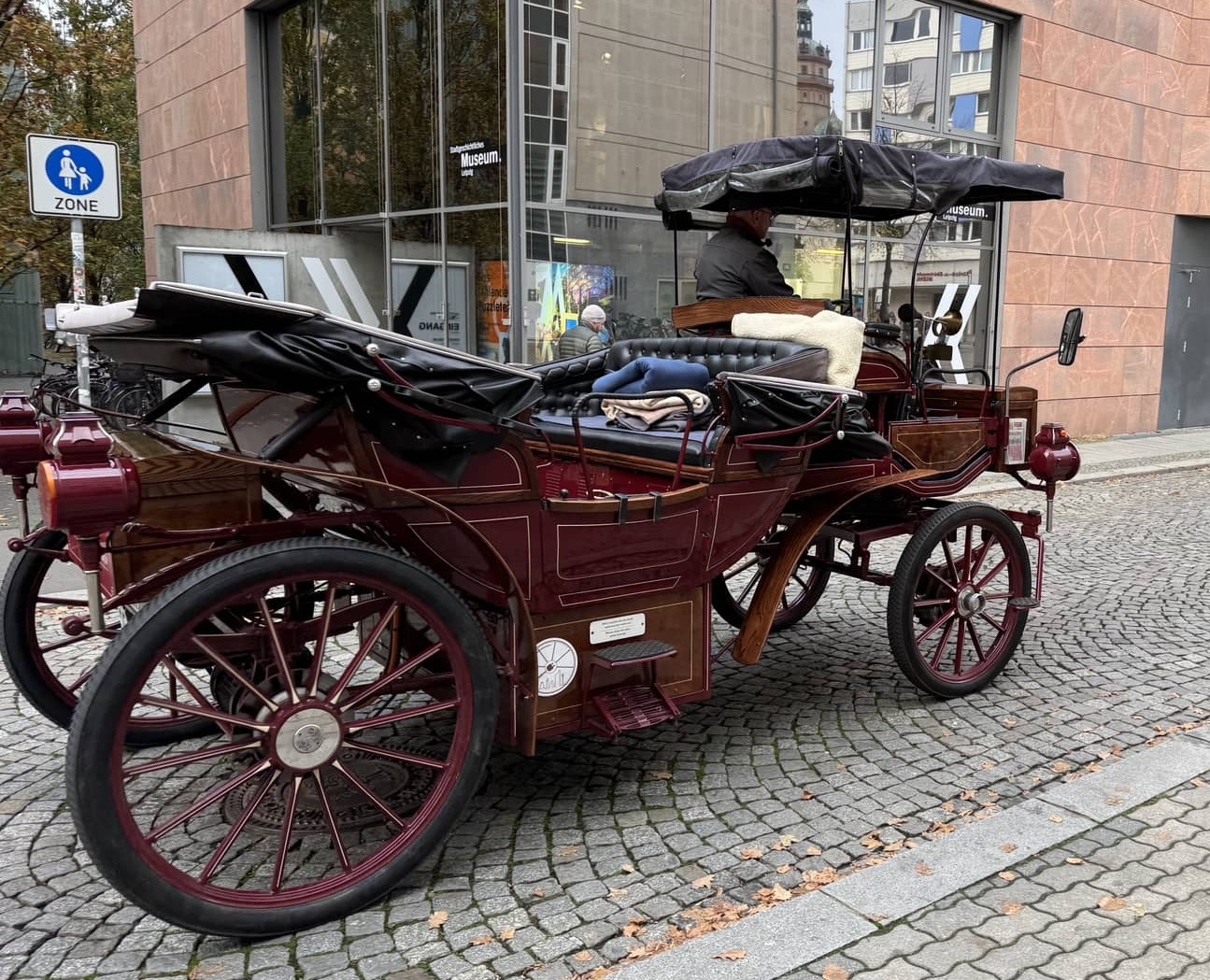
OK, back to Germany. I wanted to stop over in Leipzig so here are some photos from a Sunday when everything is closed.




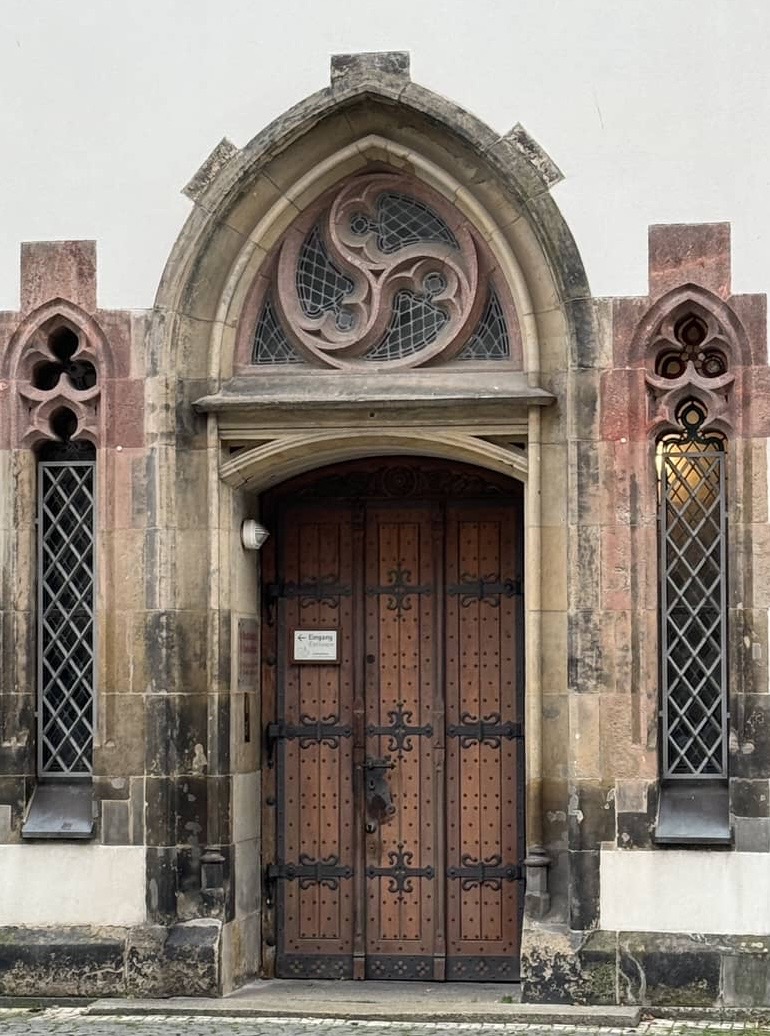
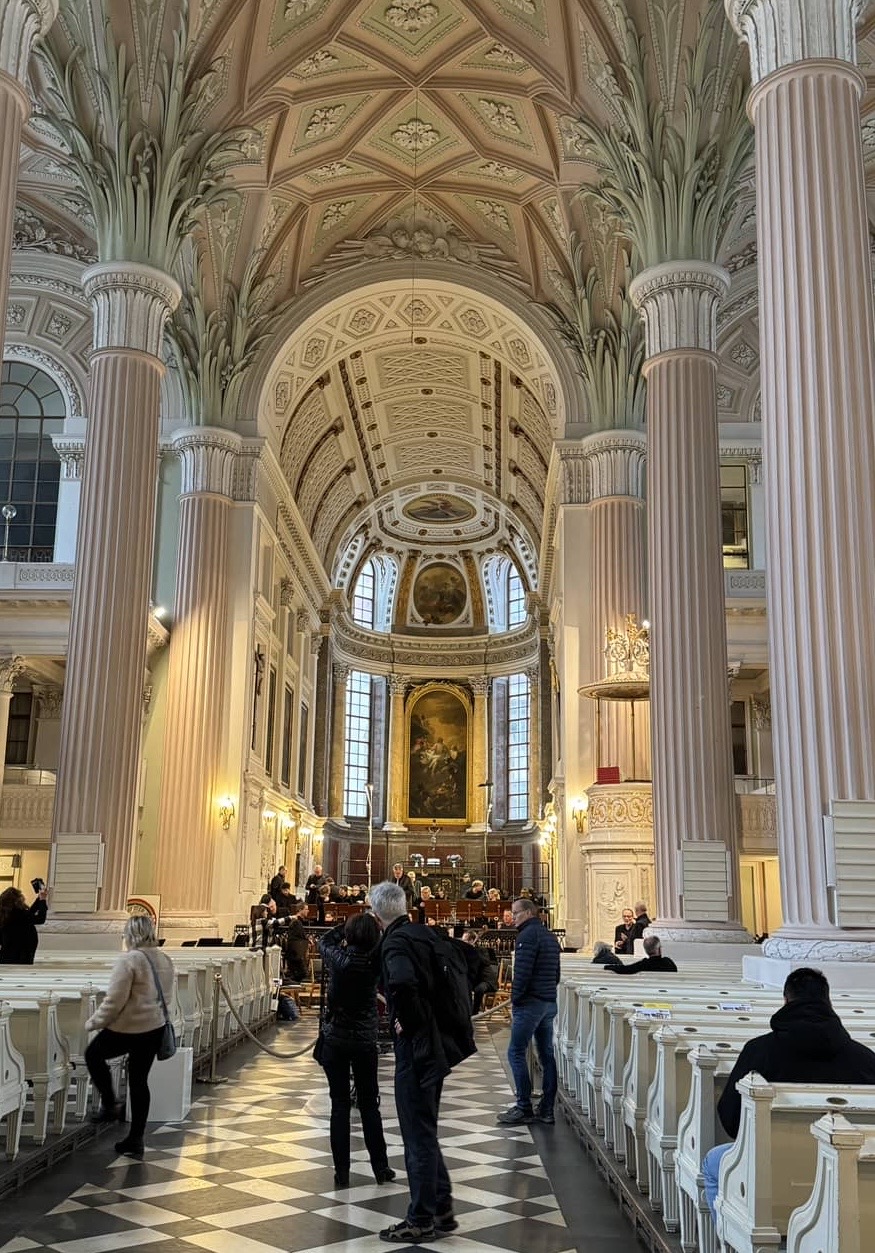
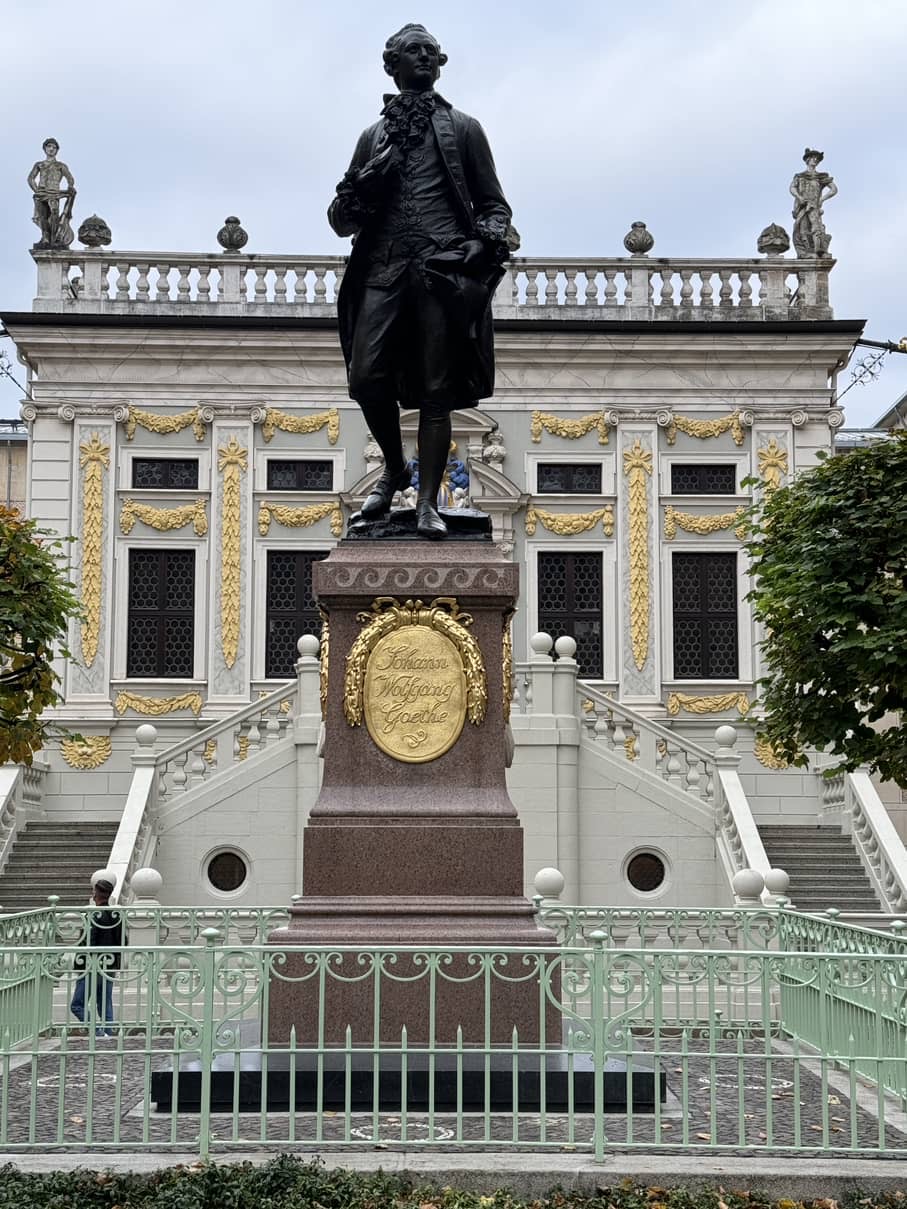
https://en.wikipedia.org/wiki/Johann_Wolfgang_von_Goethe



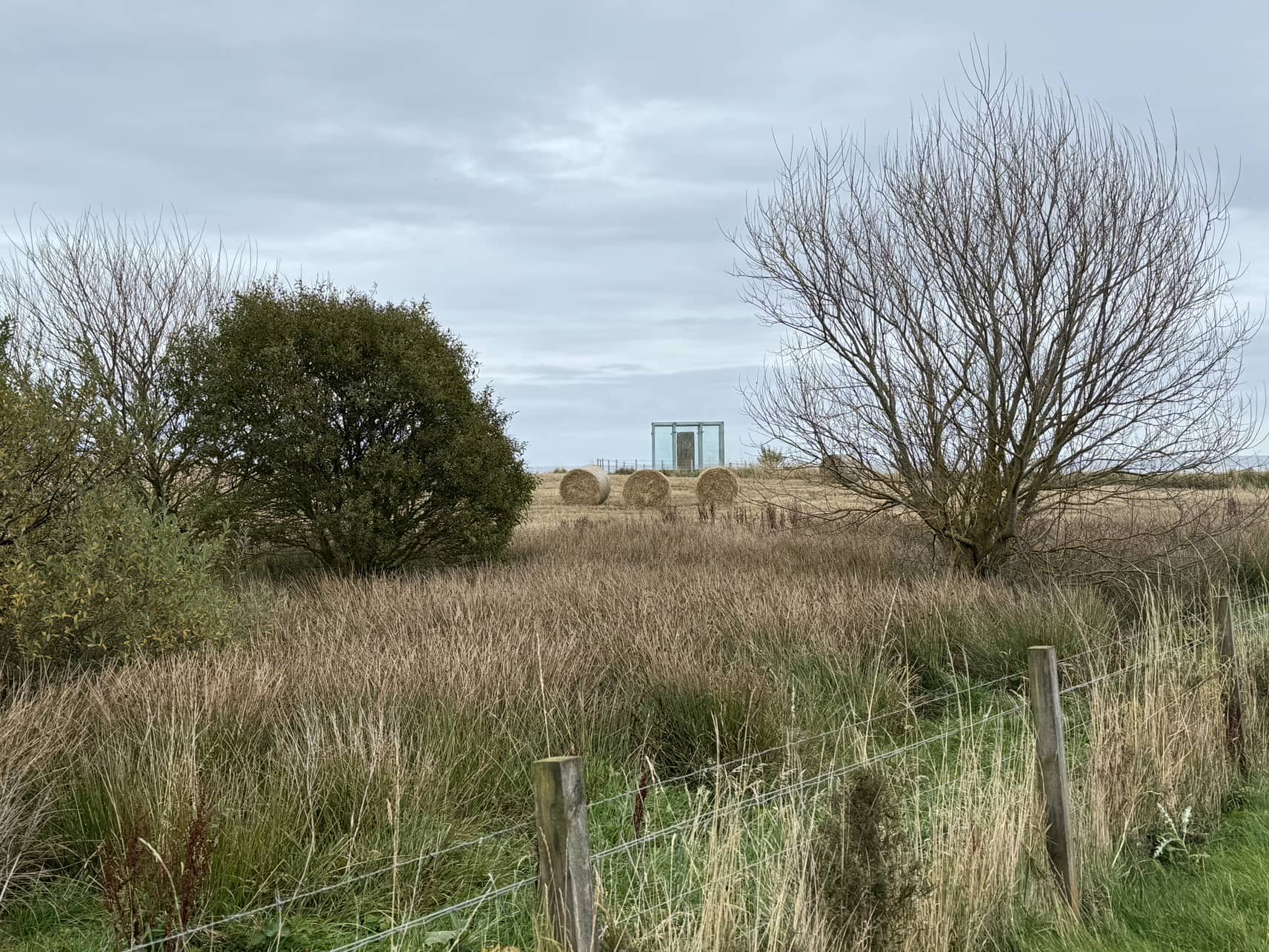


many carved Christian stones were erected in the British Isles between 700 and 800AD. Slabs like this one, however, are only found around the east coast of the northern half of Scotland. They were commissioned, designed and sculpted by elite members of Pictish tribes. Who were these people and what do we know of them? During the 6th and 7th centuries AD, the art of the Picts was to incise geometric and animal symbols onto boulders. In the 8th century their sculpture changed. They completely covered both surfaces of large stone slabs with carved designs, including a Christian cross. Fine Pictish metalwork, mainly in silver, has also been found but ittle else has survived. However, churchmen and poets from other nations wrote and spoke of them, so we do know something more about the Picts. These people were not invaders or incomers. They were descendants of the Celts who had lived in this country for over 1,000 years. The Picts were a grouping of small tribes living in the northern half of Scotland during the first thousand years AD. They were farmers, sailors, hunters and craftsmen who used many raw materials, including metals, wood and leather. Although we have not found Pictish farmhouses, byers or barns in Easter Ross, we know that they existed because place-names like Pitcalzean and Pitcalnie have survived.


Brochs. The large standing cylinders groups occupied.
The Norsemen came here in the 9th Century AD and gave us the names ‘Skelbo’ (‘scelbol’ – shell stead) and broch’ (‘borg’ – a strong fortified place), but the broch builders who lived here, were the people of the Iron Age. We are not sure if these stone towers were only built for defence – to keep people safe during an attack from invaders. On earlier maps, brochs were often called ‘Pictish Towers’. A Roman called Ptolemy recorded the names of the Iron Age tribes and the people were called ‘Picti’ – the painted ones. The map shows the location of all the broch sites in the north. Only a few brochs were built further south. Perhaps they were status symbols and built to impress?




this is definitely one of the most fantastic museums in the world. You must go and see this. It has so many different categories of things to see it will fascinate the whole family.


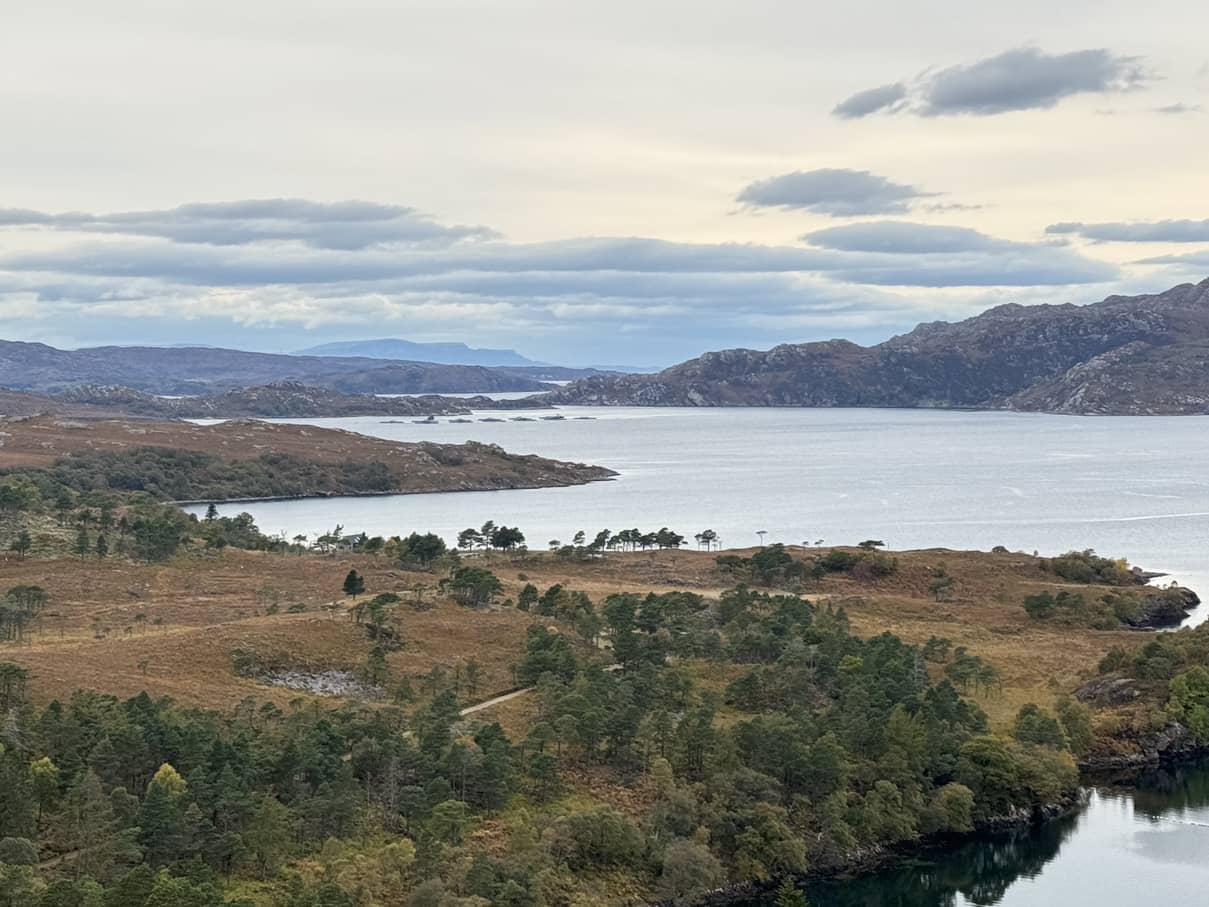
the west of Scotland, on toured the Isle of skye, it’s such a beautiful area and very rural with few towns so very different from any populated areas in Scotland. The driving is mostly typical two-way roads which are actually one way with paved bubbles what local cars to slow down, stop and then pass. Be careful driving there. On one side you wind up in a bog and the other side you wind up down the hill or in the ocean. But it’s so beautiful it’s worth the challenge.


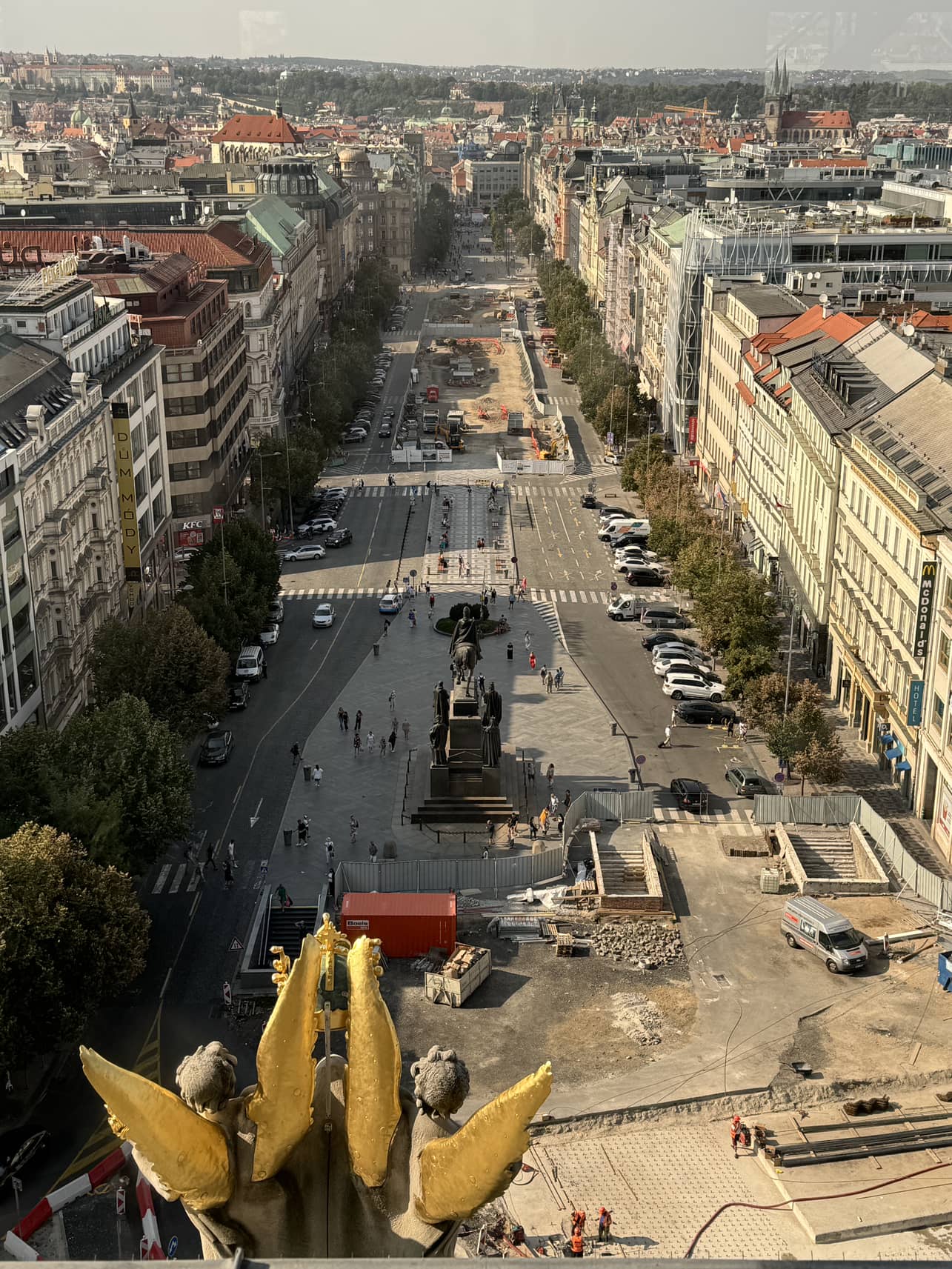
there is an old house they discovered recently where potions and supported magic was performed especially for the King Wenceslas who some of you Christians might remember from a Christmas Carol in his name. Yes he was this king who promoted the study of health through potions and what we now call magic. The dungeons below were hidden to preserve their powers and it’s just a very interesting historical place to visit. If you find yourself in Prague make sure to go to this place and listen carefully to the very interesting stories.


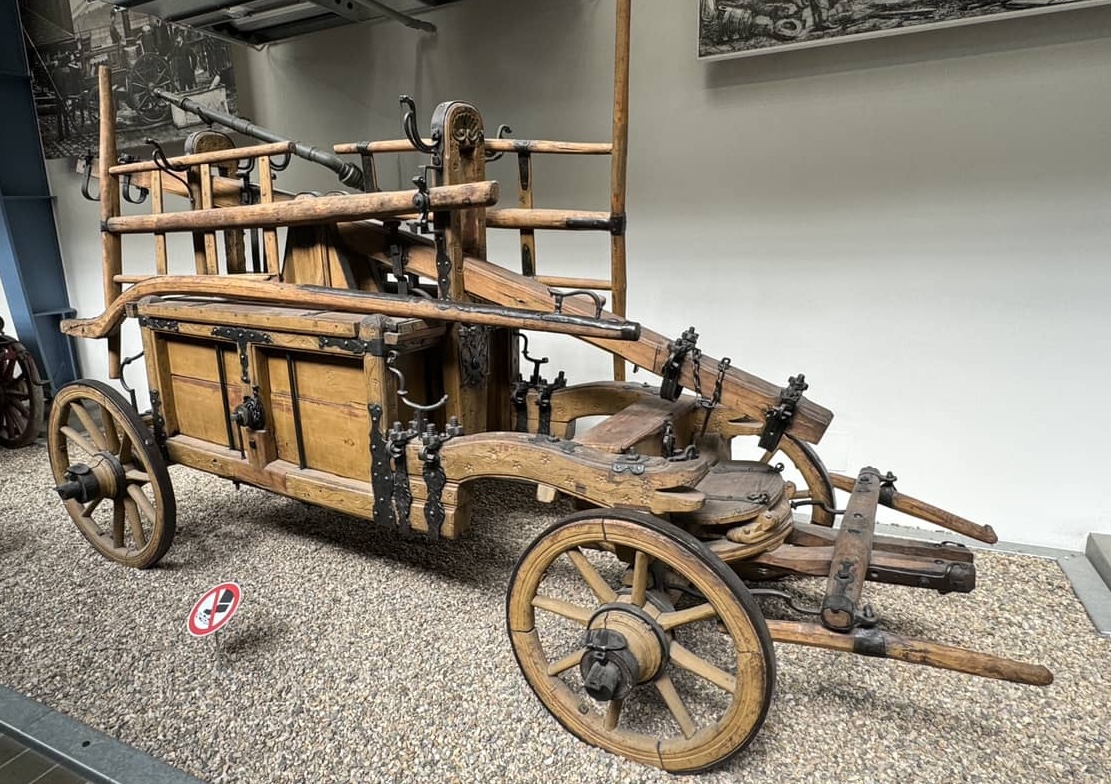
I don’t think you have to be in love with cars or machinery to find this museum in Prague fascinating. The reason we went, we saw a very old Mercedes which someone said was used by the Germans during occupation times in Czechoslovakia but rebuilt for private taxi purposes. He said one of the original cars that Himler used and then gave to somebody else in the German occupation force was in this museum. I think you will find these photographs of different kinds of transportation and their history kind of interesting even if you’re not a car fanatic.




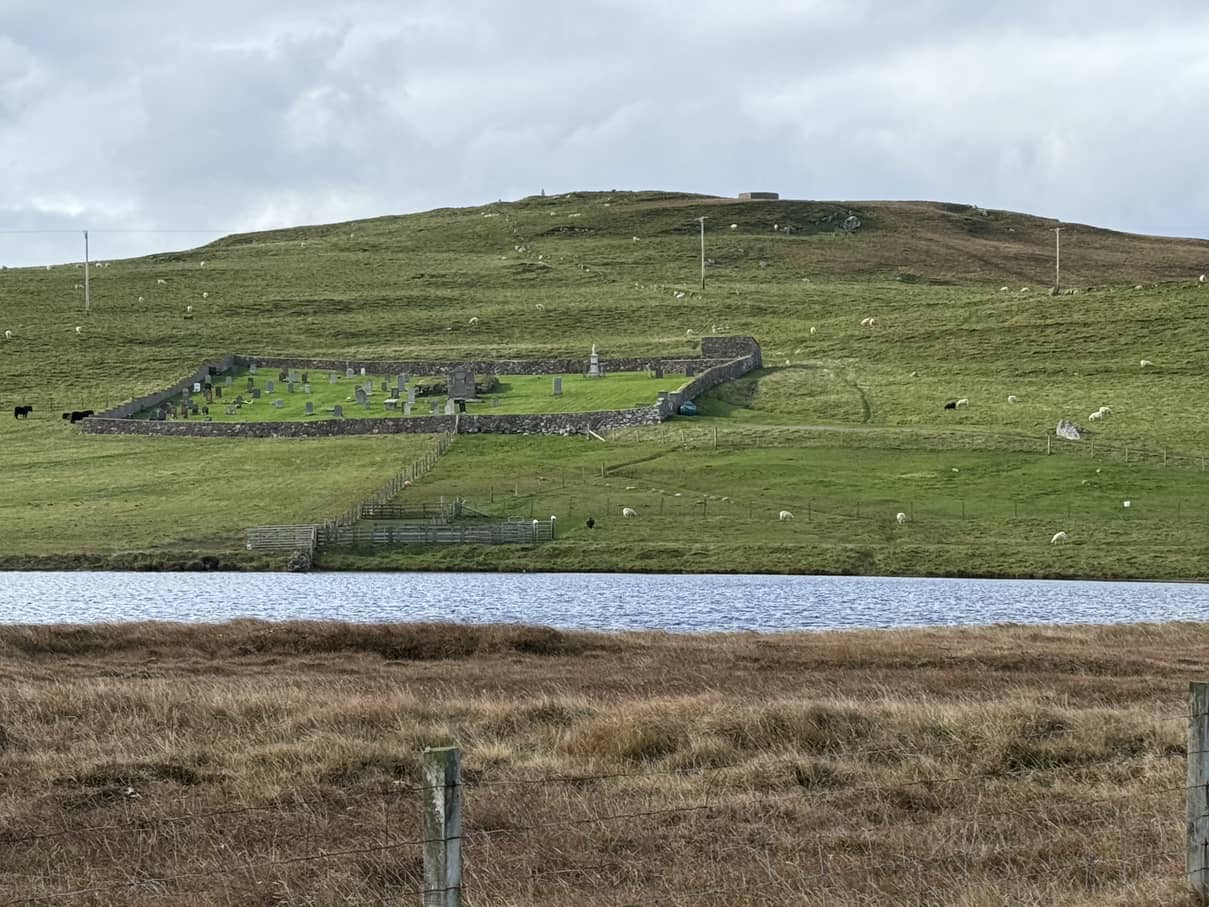
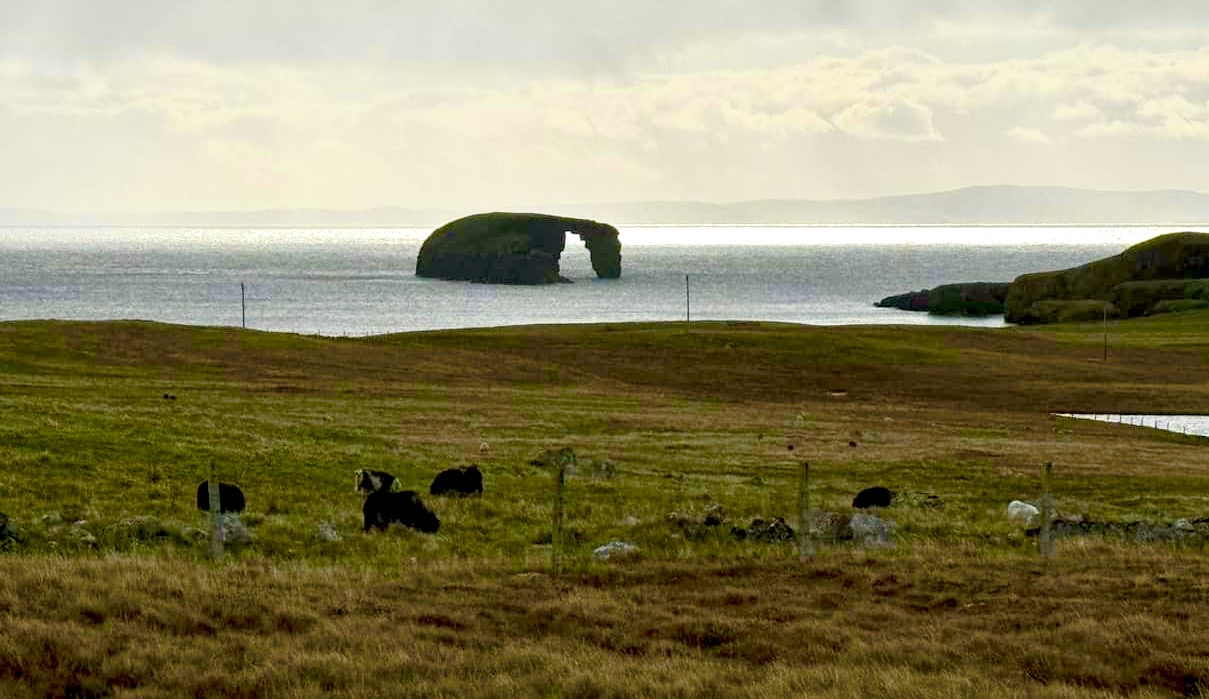
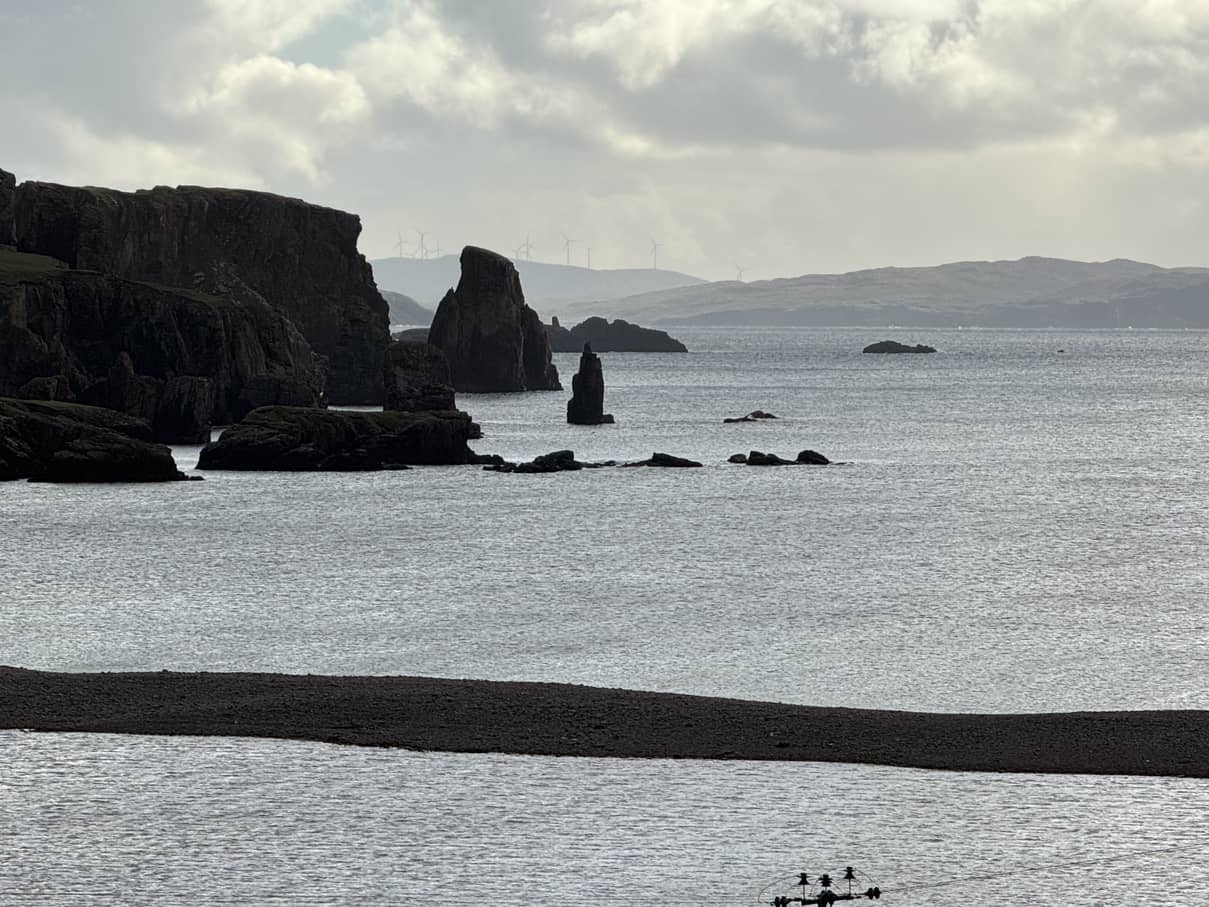
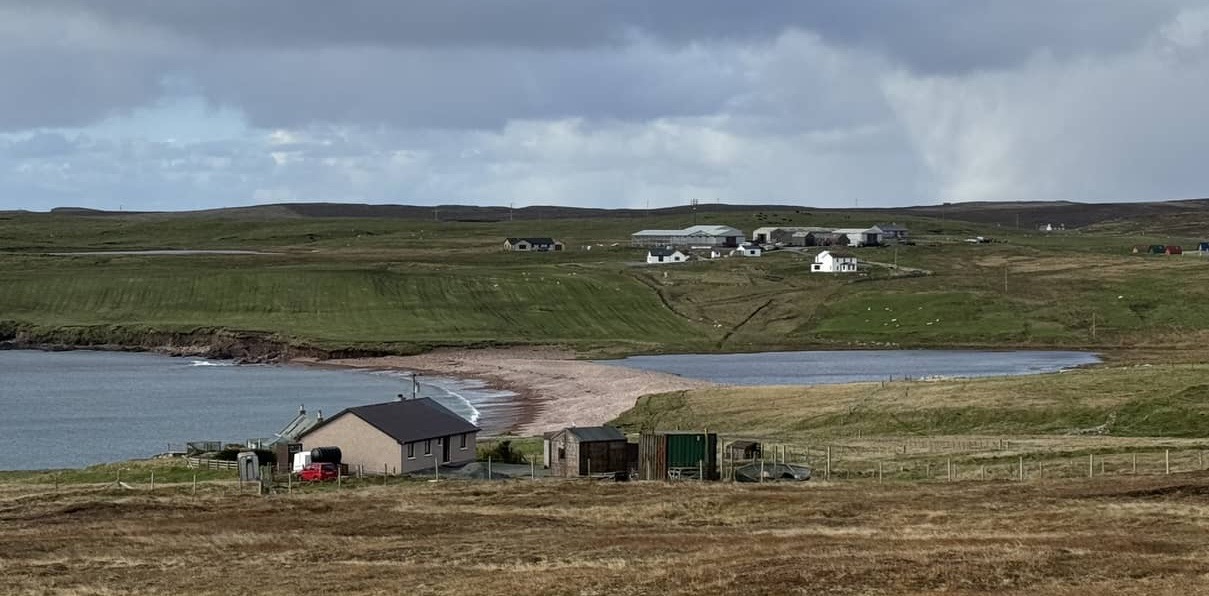
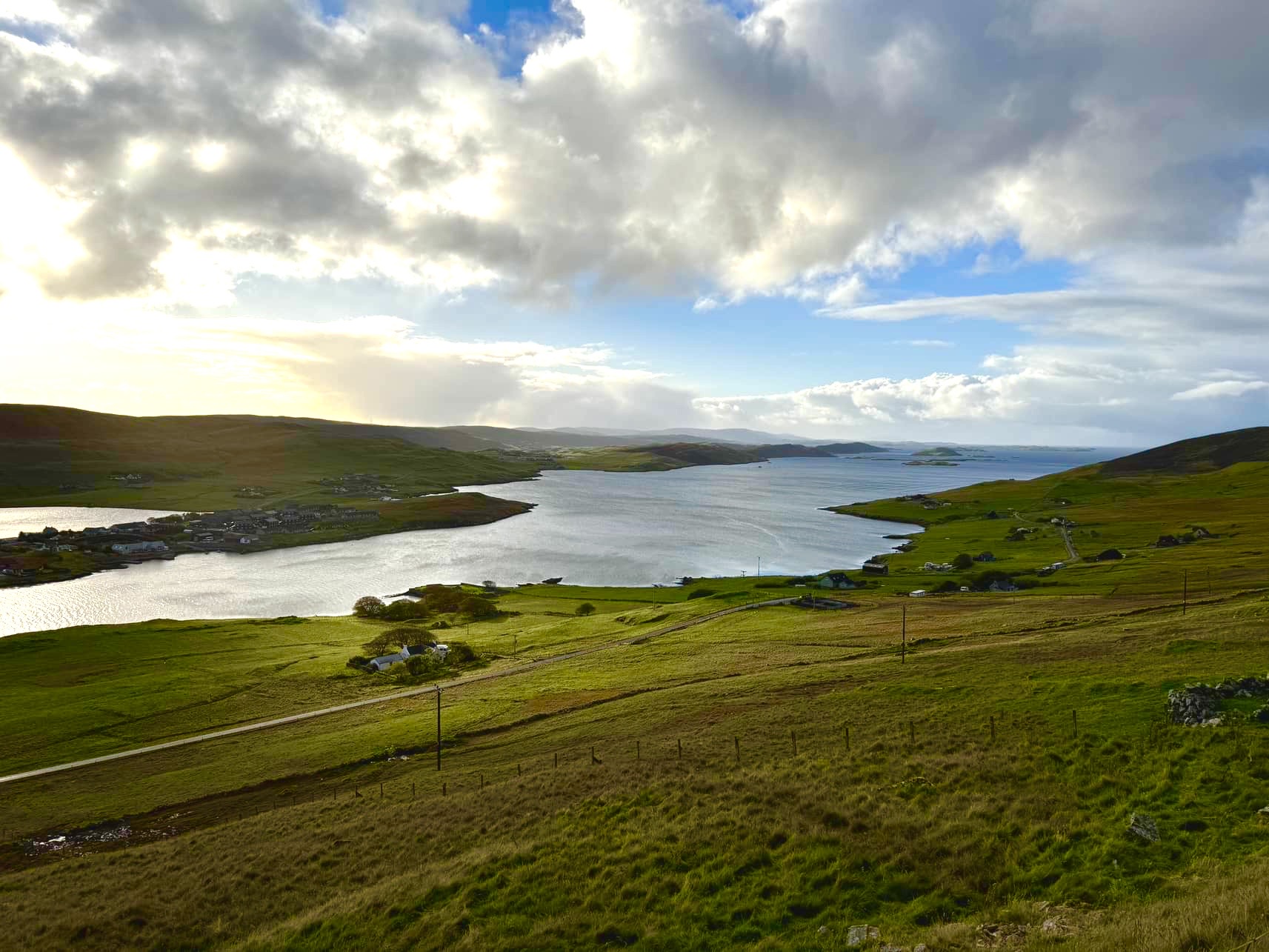
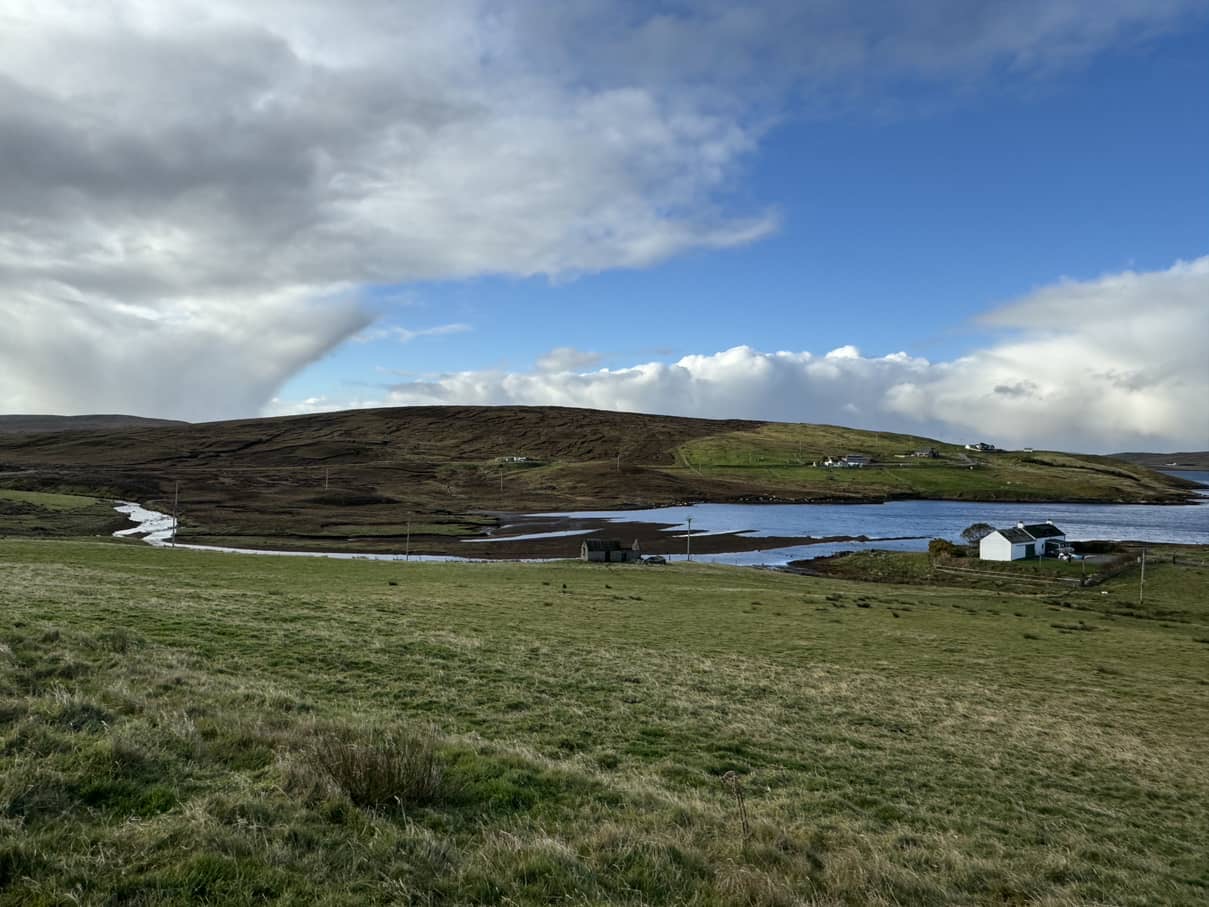
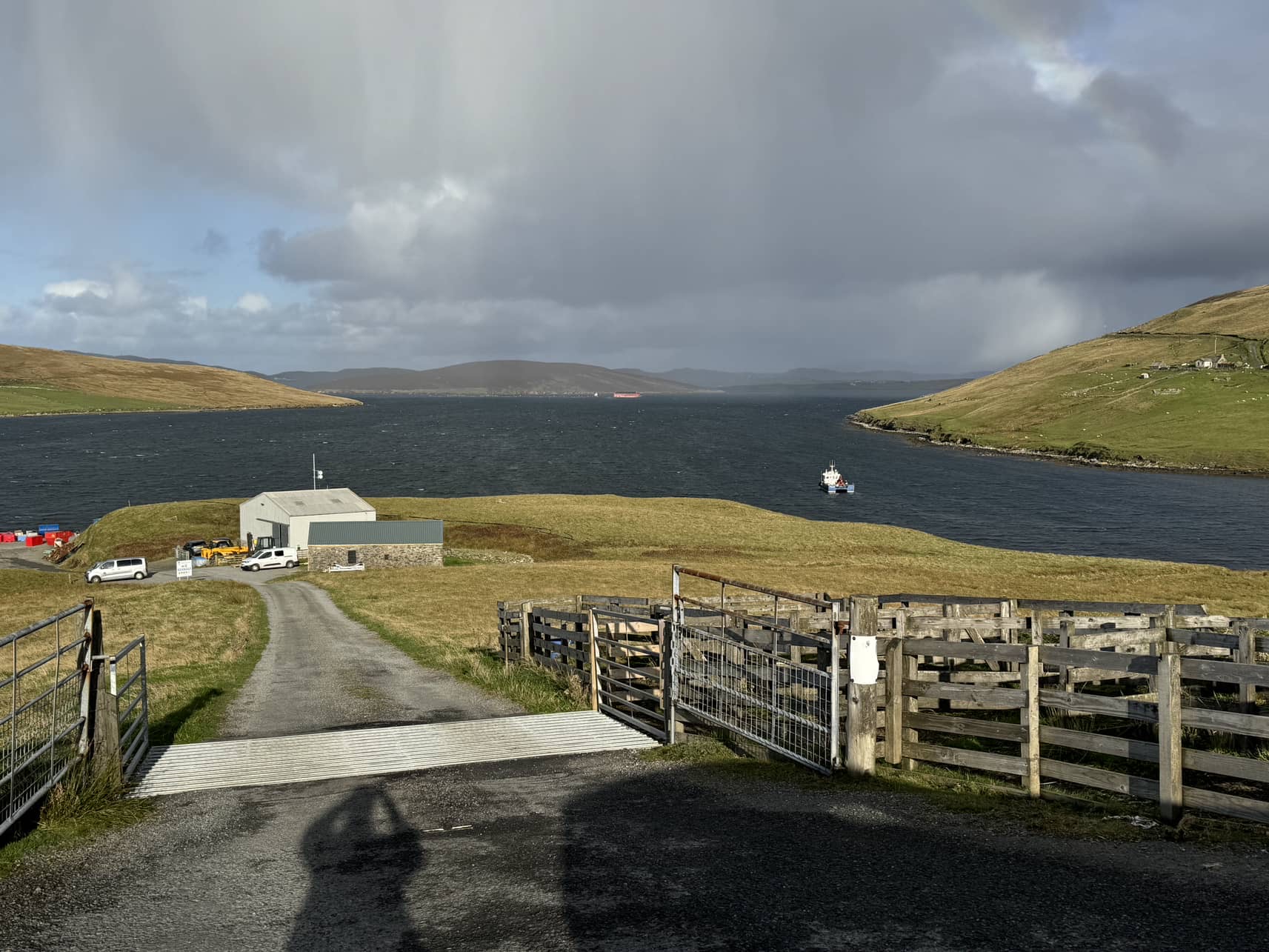
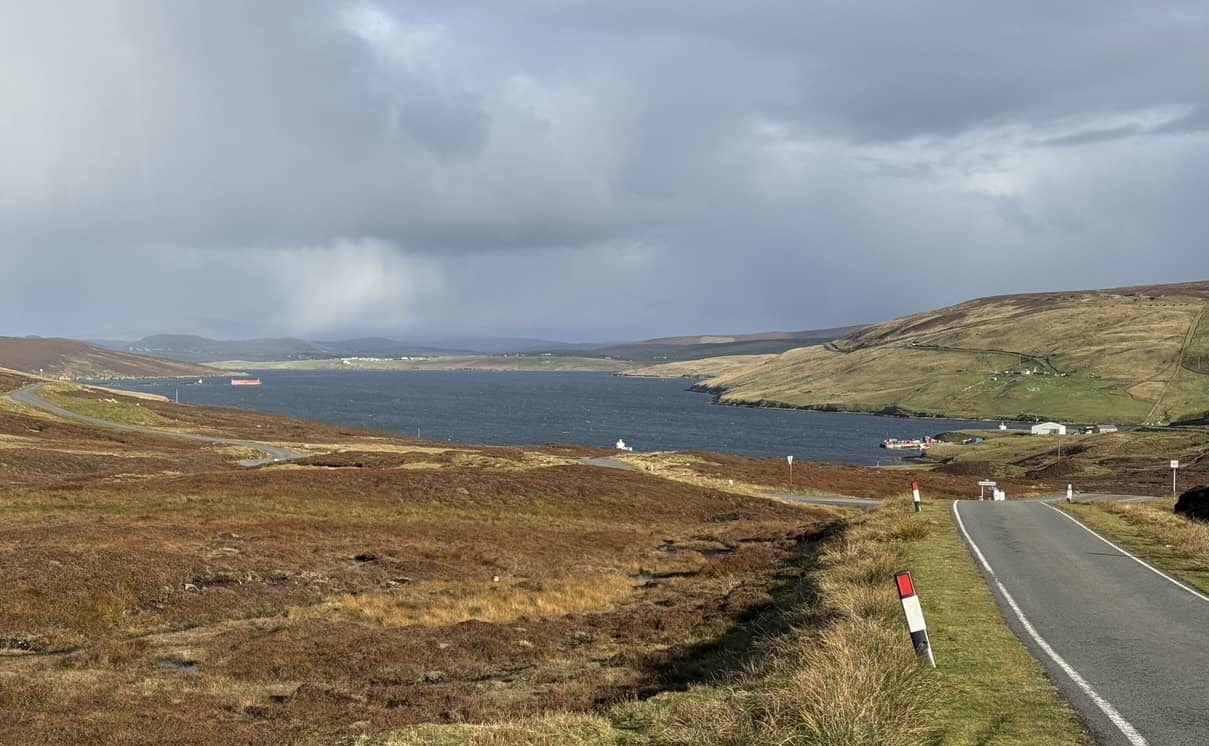
Bressay is this small island just a few minutes ferry ride from Lerwick, the main city in the Shetlands


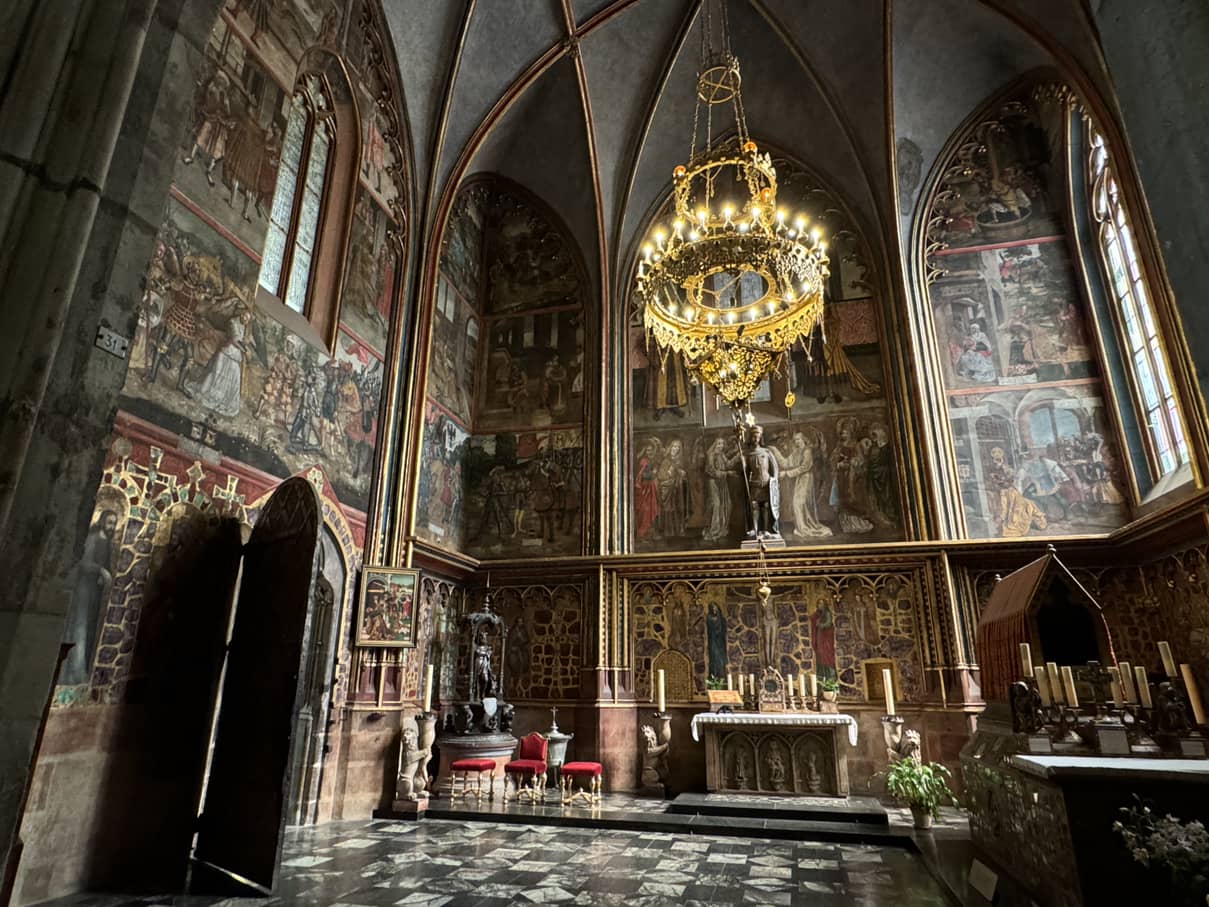


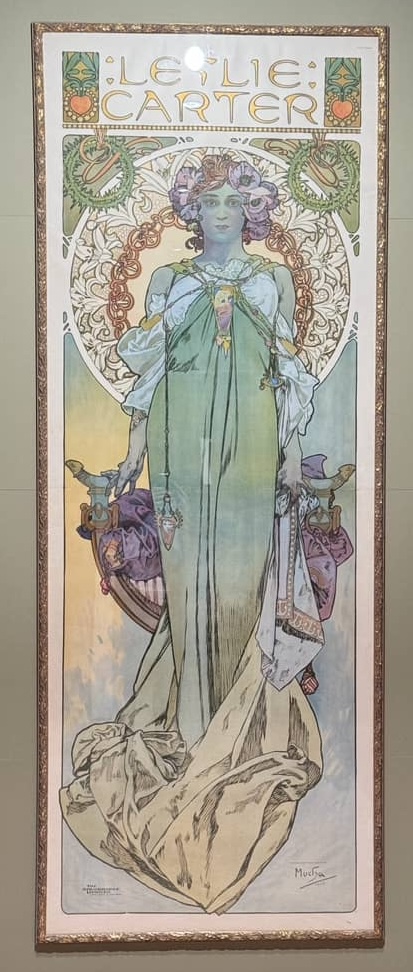
Mucha was Czech it was a main force in the art nouveau world. I didn’t know this before I visited Prague so it was a very good education to visit this museum near the main cathedral which displayed also Warhol and Salvador Dali works