When I first came to the outskirts of Palermo in 2010 all the cars I saw were badly scratched or dented and parked on the road and sidewalk in every kind of configuration. I didn’t want to subject my rental car to this fate so I turned around and went to another place to stay and visit. However, this time I found it to be a safe place to drive and park a rental car, though I didn’t rent one, and things were generally better organized. Palermo is a nice city with many sights and inexpensive street restaurants to enjoy. I highly recommend Palermo.
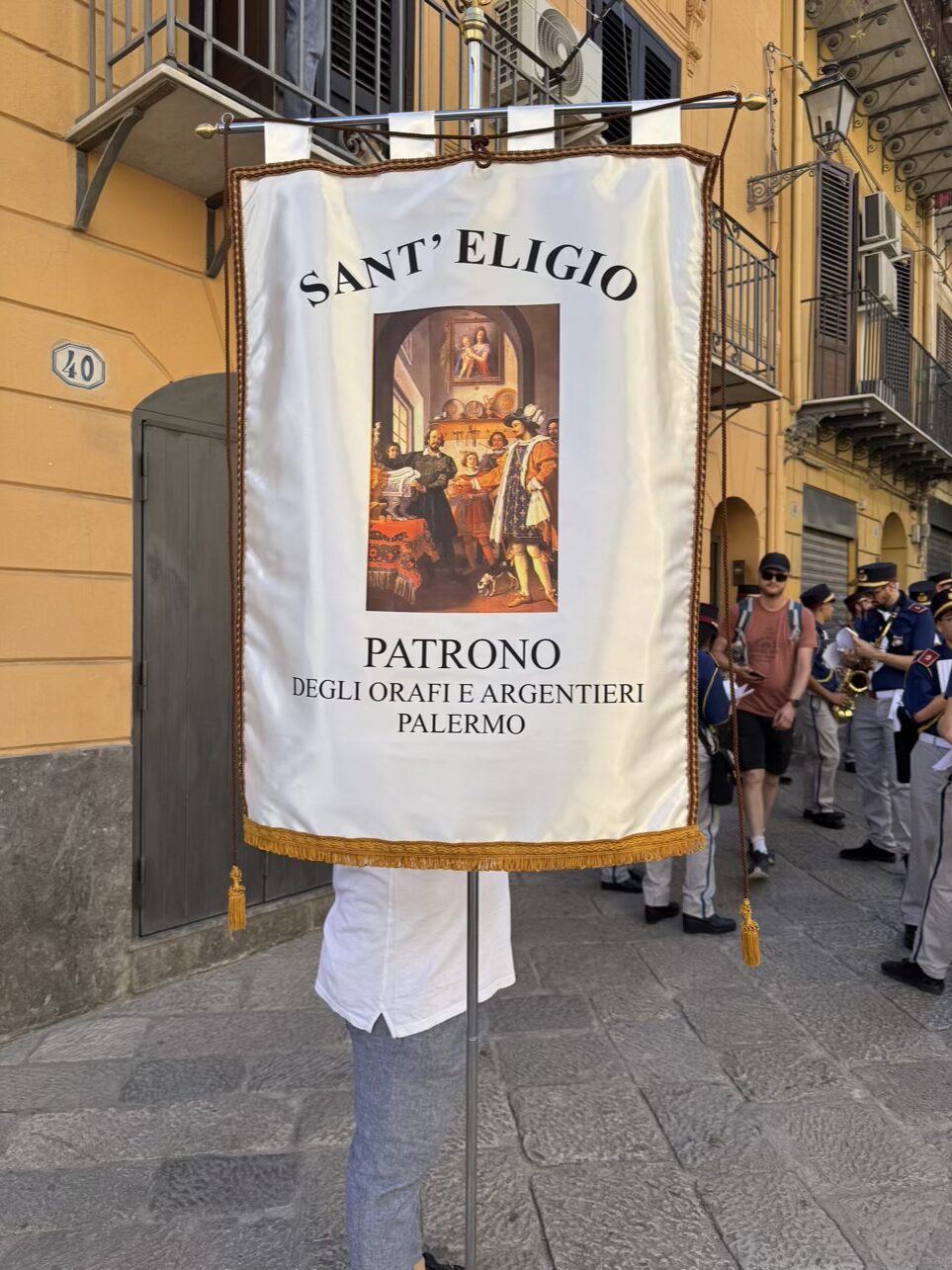
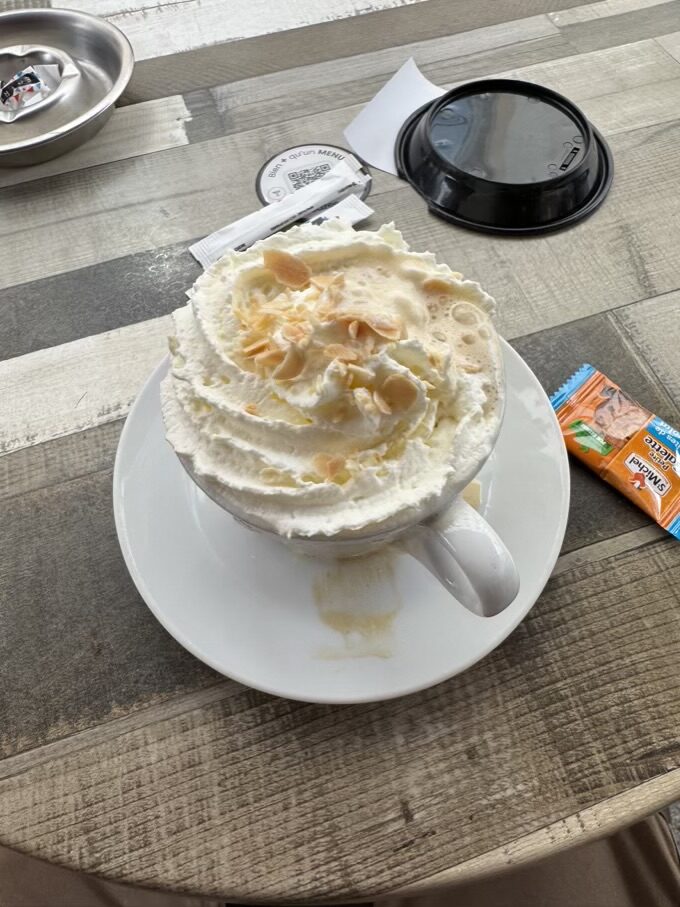
Wonderful spaghetti with musselsStreet art can be a goal of your walk around the citySomething sweet with coffeeDefinitely not run by Japaese, jMaybe by vietamese or chinese Getting dressed up for a wedding reception at the wharf restaurant The portProcessing a big fishAn increasingly popular opinionTypical graffiti Linguine with a nice sauceA very healthy salad with a campari spritzFollowing the band to the celebrationThe celebration posterThe religious celebratin
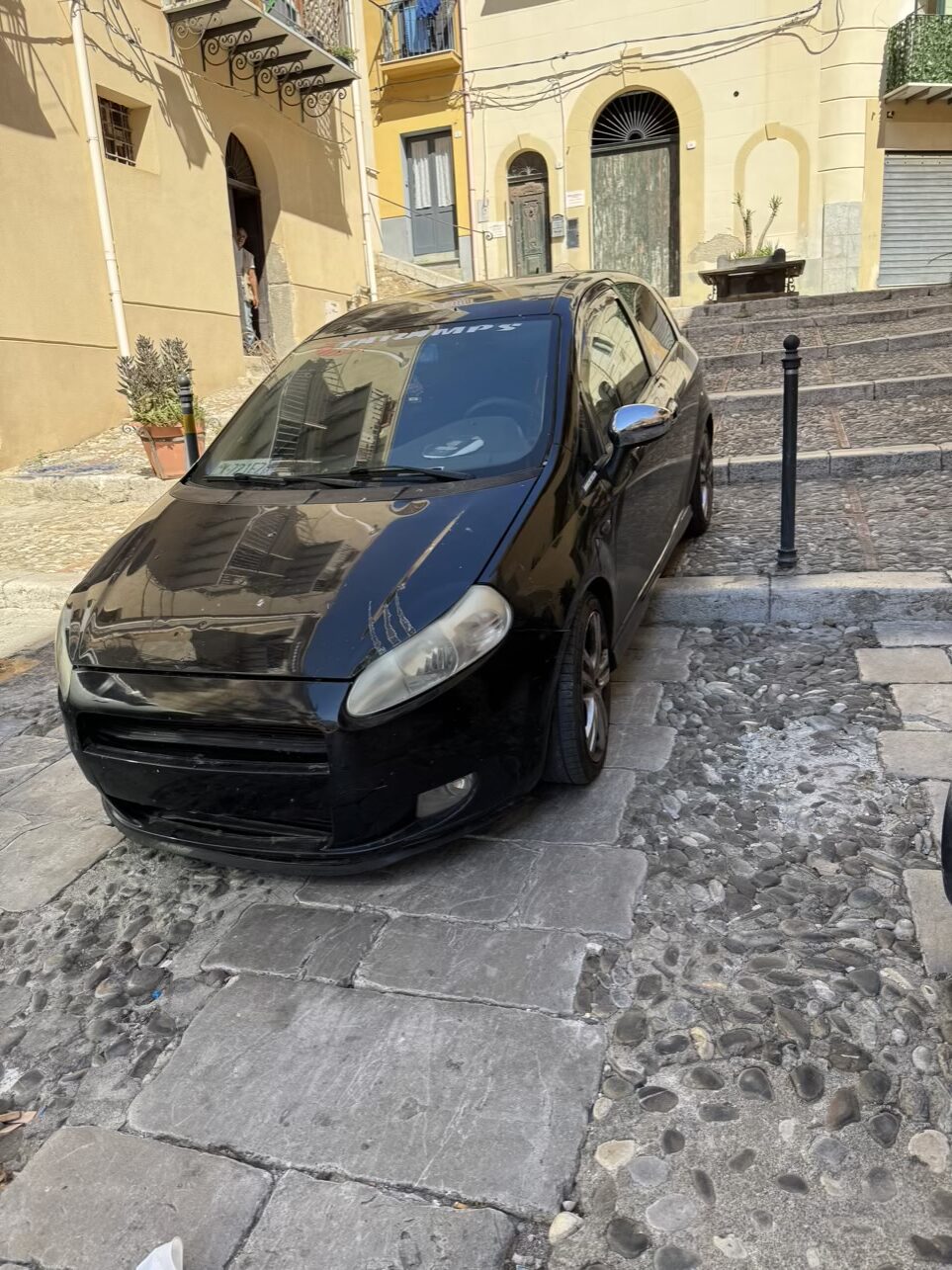
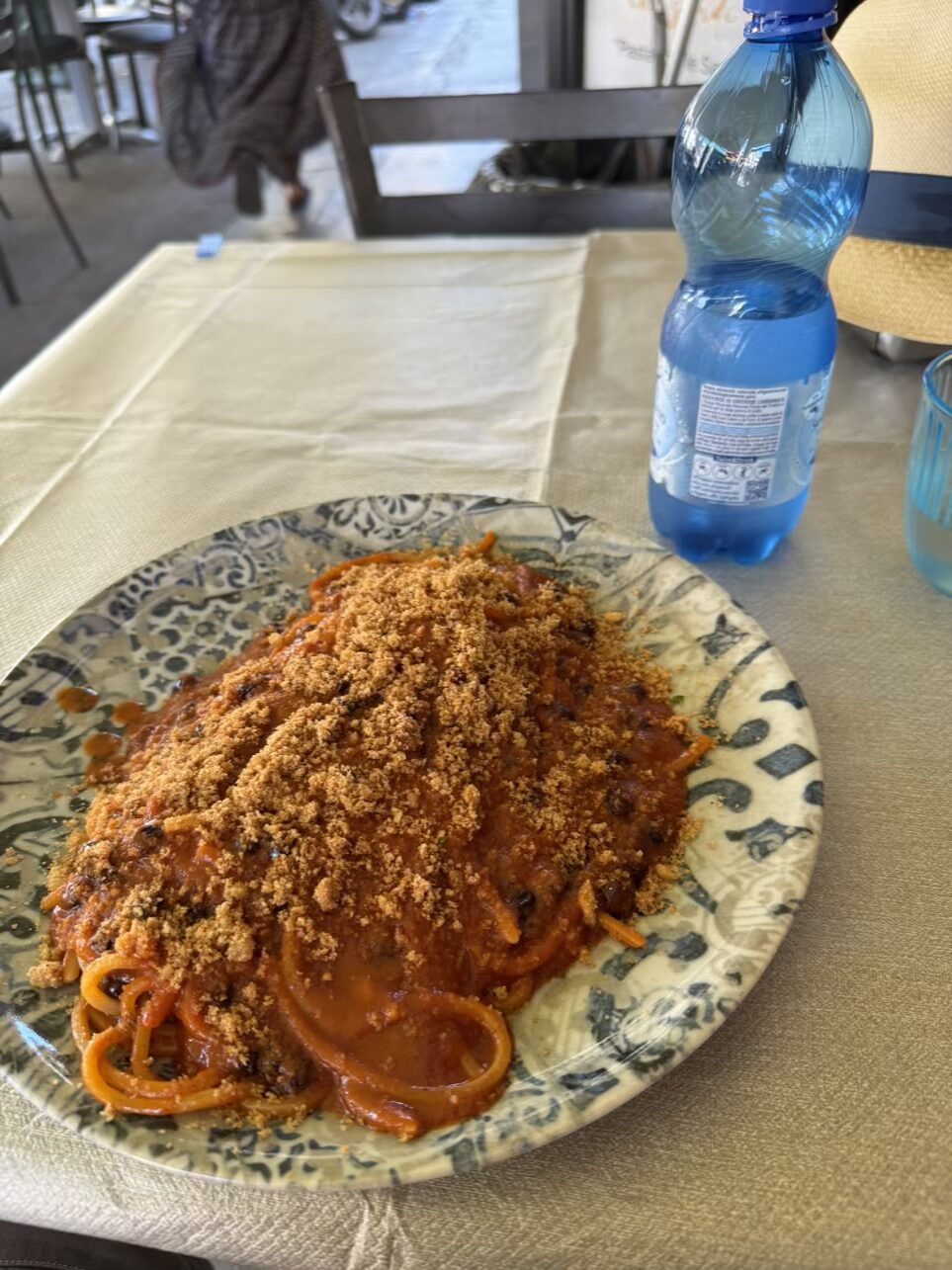
Some people still park anywhereA view at Termini ImereseBike shop fixing the. Young boy’s bikeThis spaghetti sauce was not too richThe young boy was spidermanJapanese characters are popular
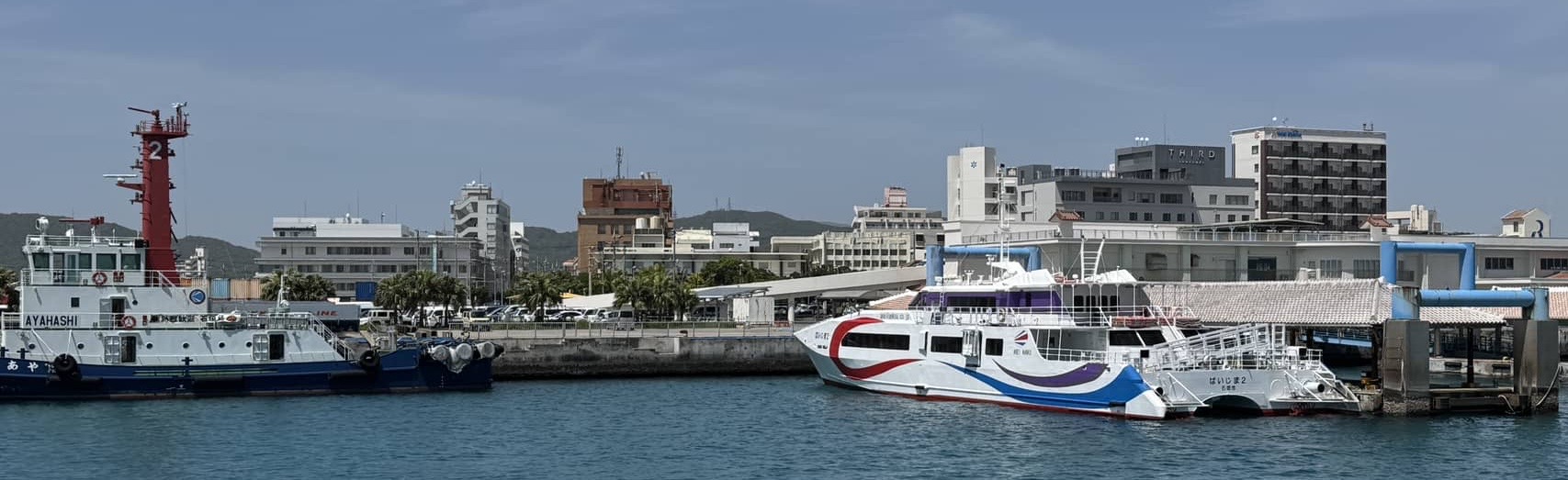
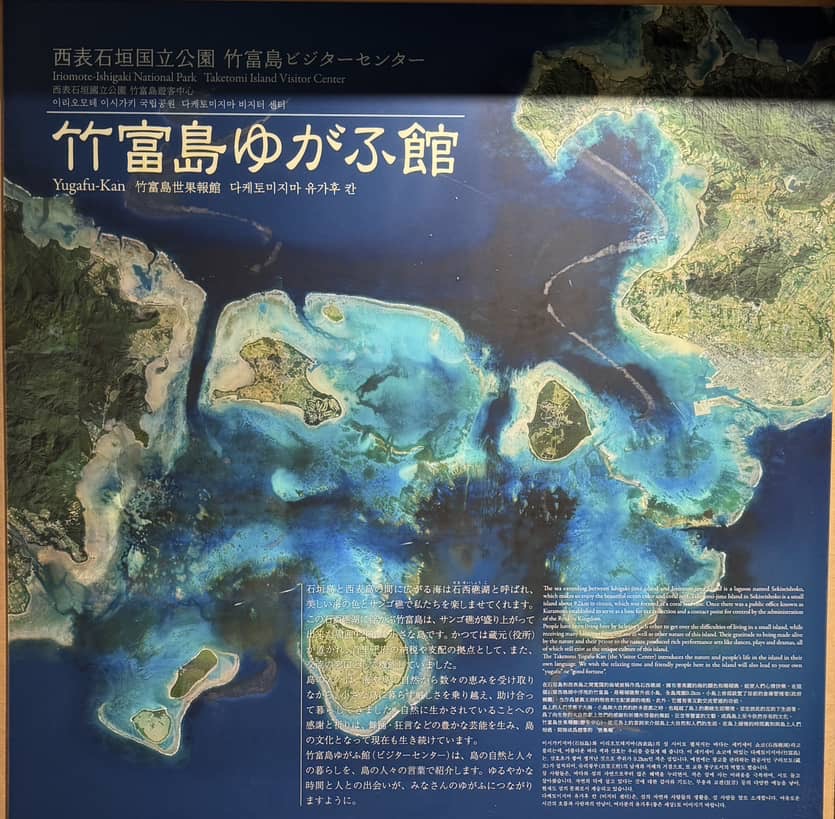
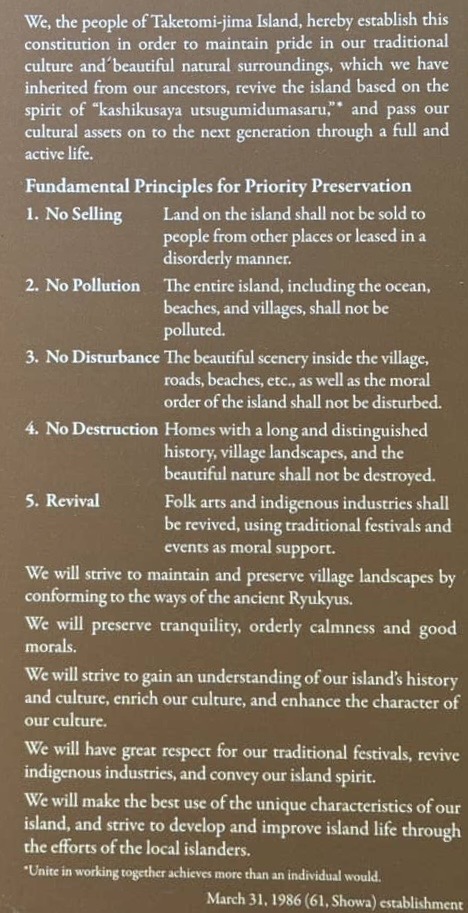
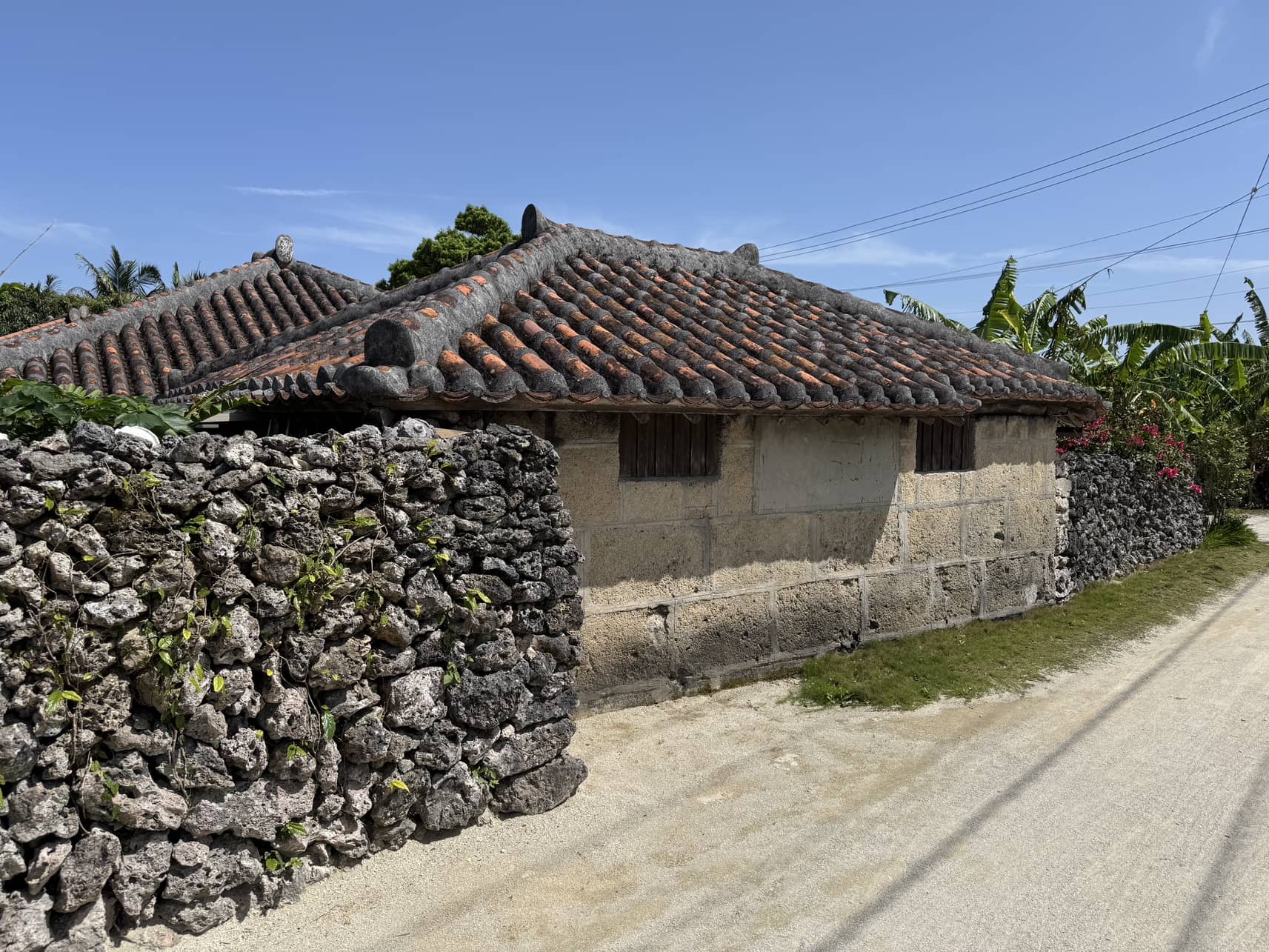
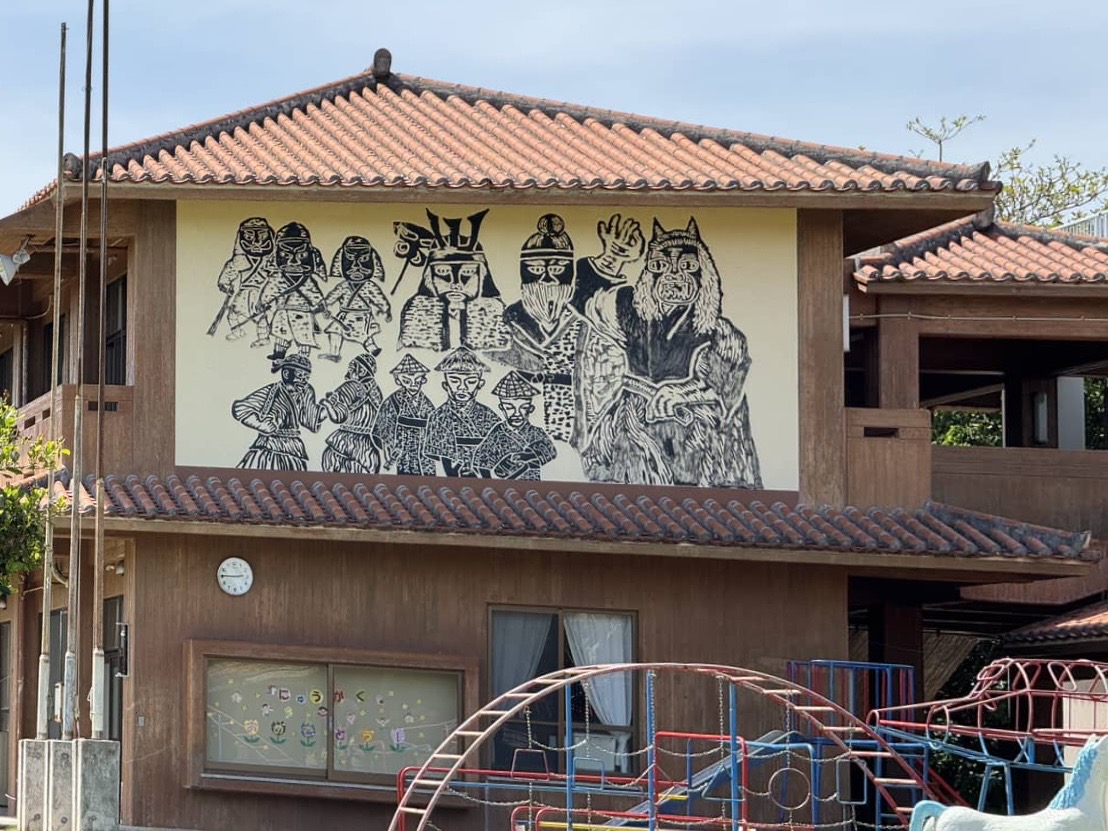
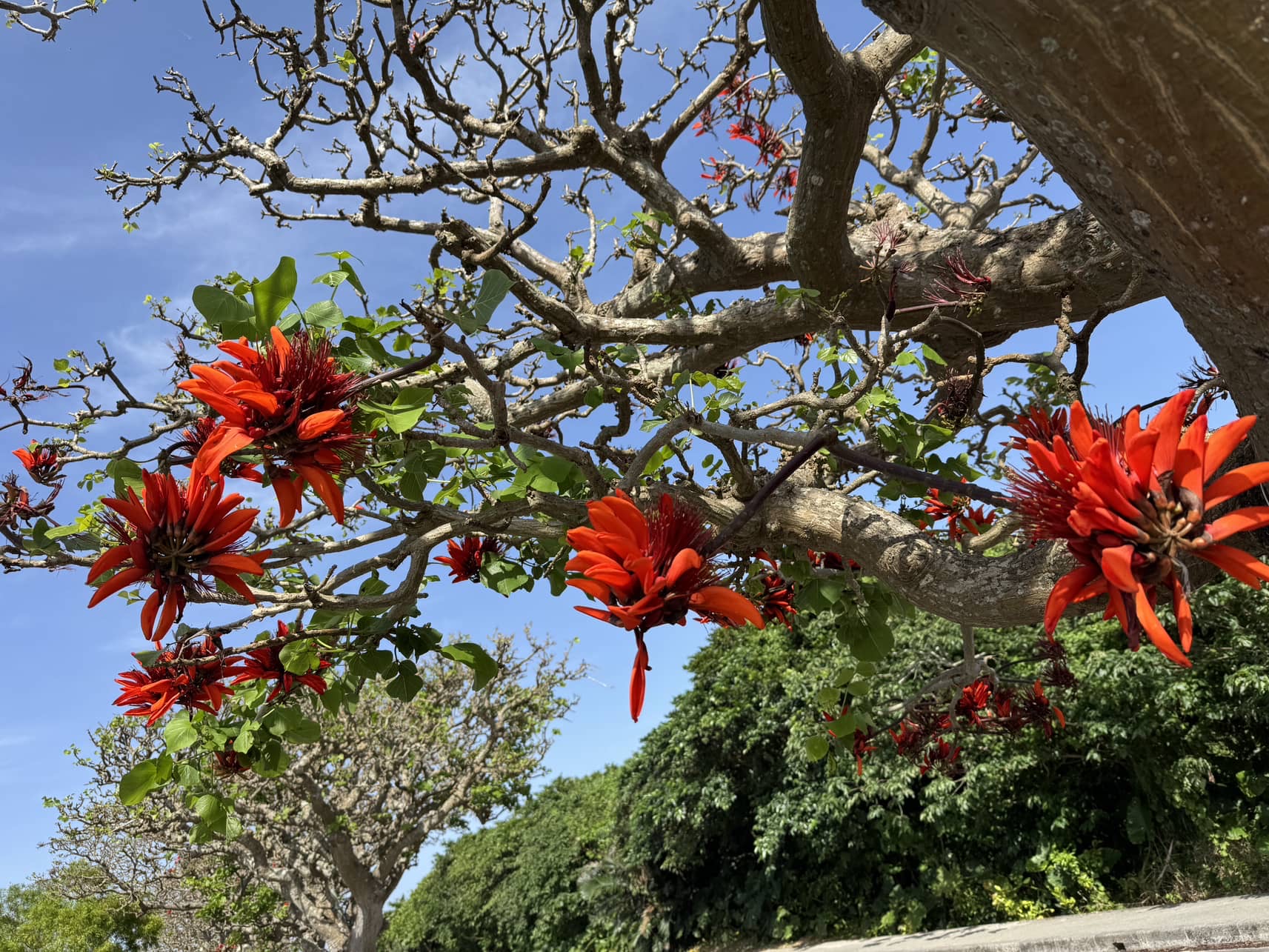
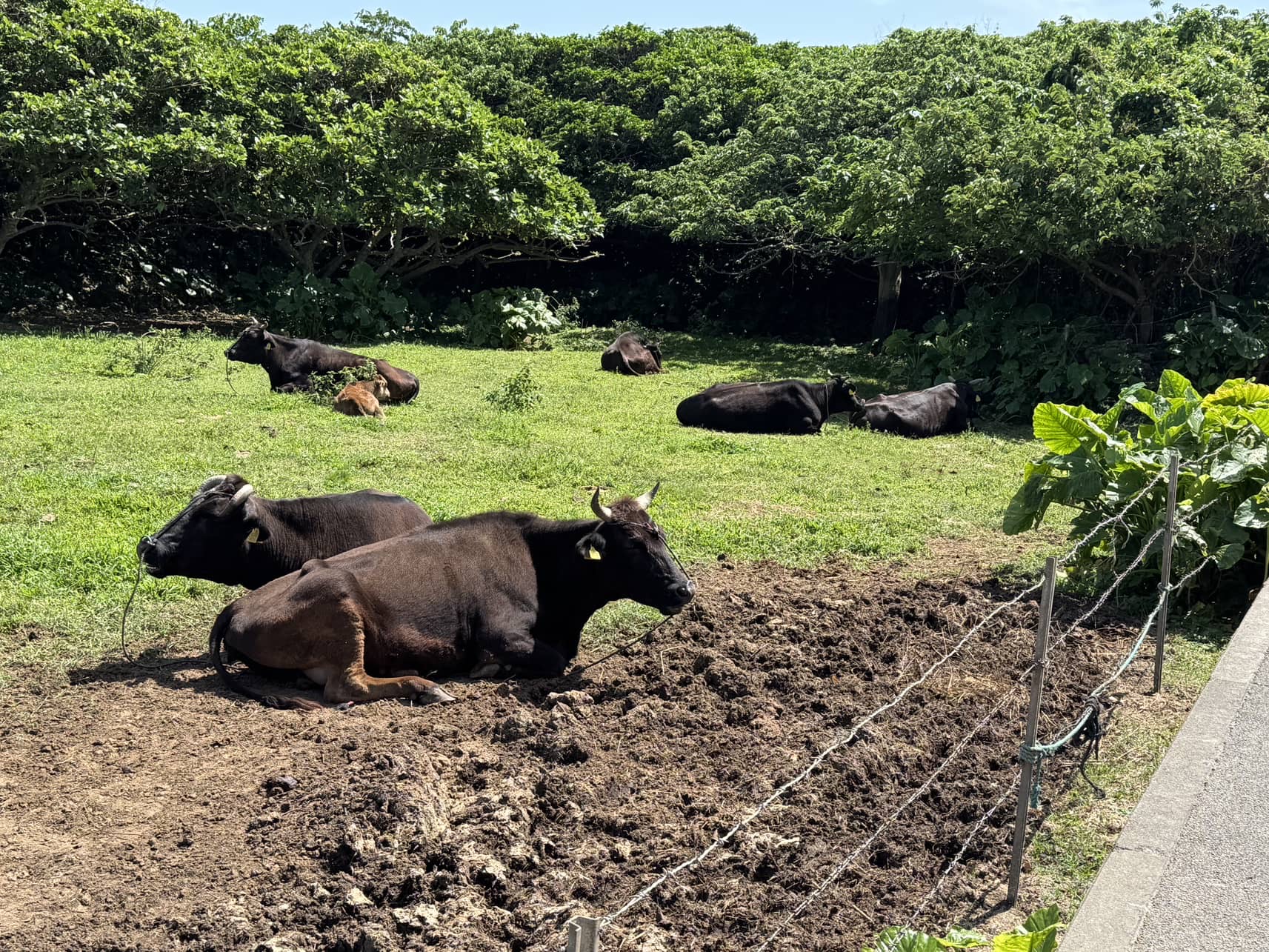
Ishigaki island is much closer to Taiwan than Okinawa and a much smaller island. However as you are drifting around Ishigaki Island you will find a wonderful ocean, interesting plants and animals and really friendly people wanting to talk to you over a drink. An island close by is Taketomi. When I was there in April/May I got the feeling it wasn’t the tourist season since most everything was closed. It is worth a day trip from Ishigaki and I recommend just walking around since it is such a small island.
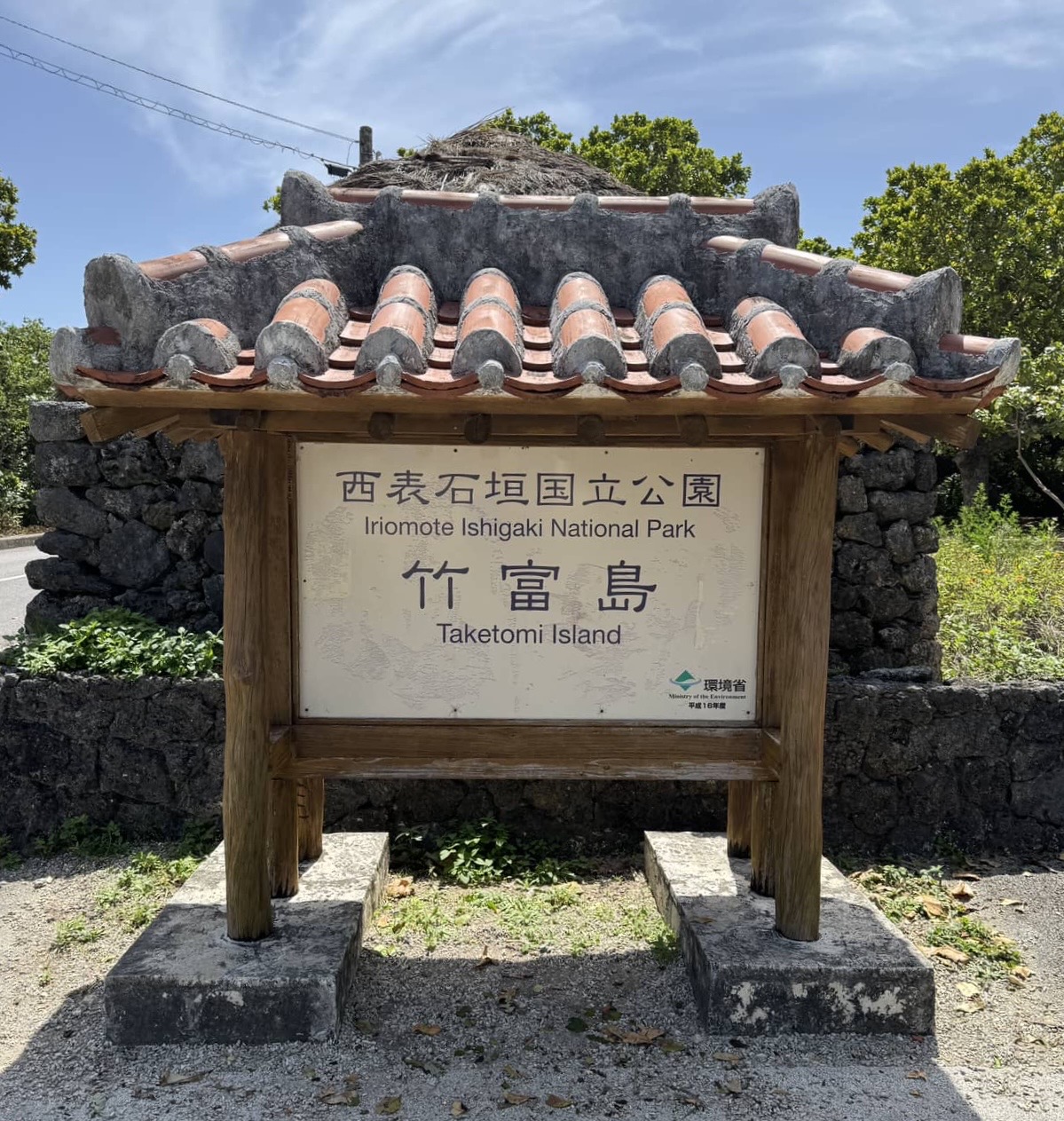
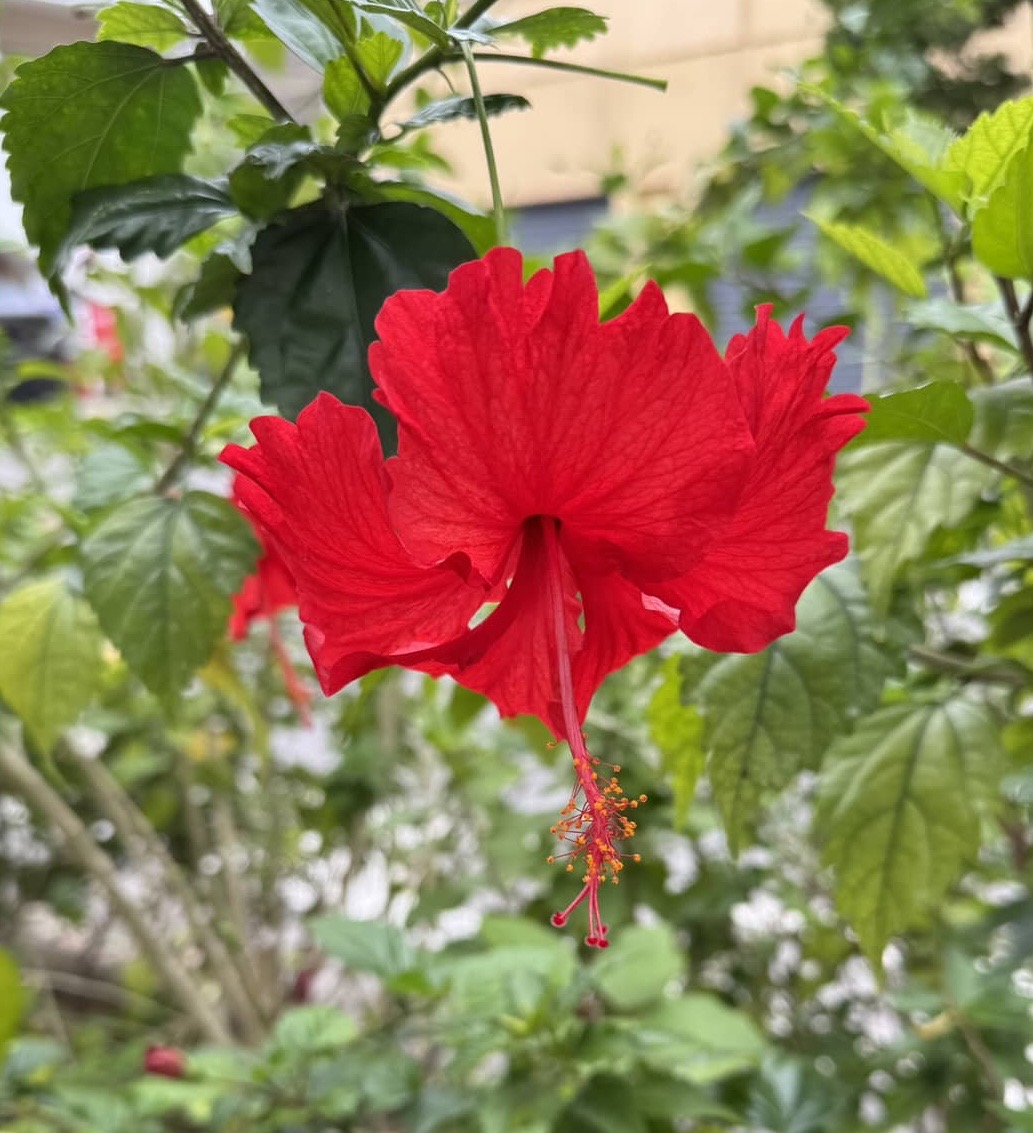
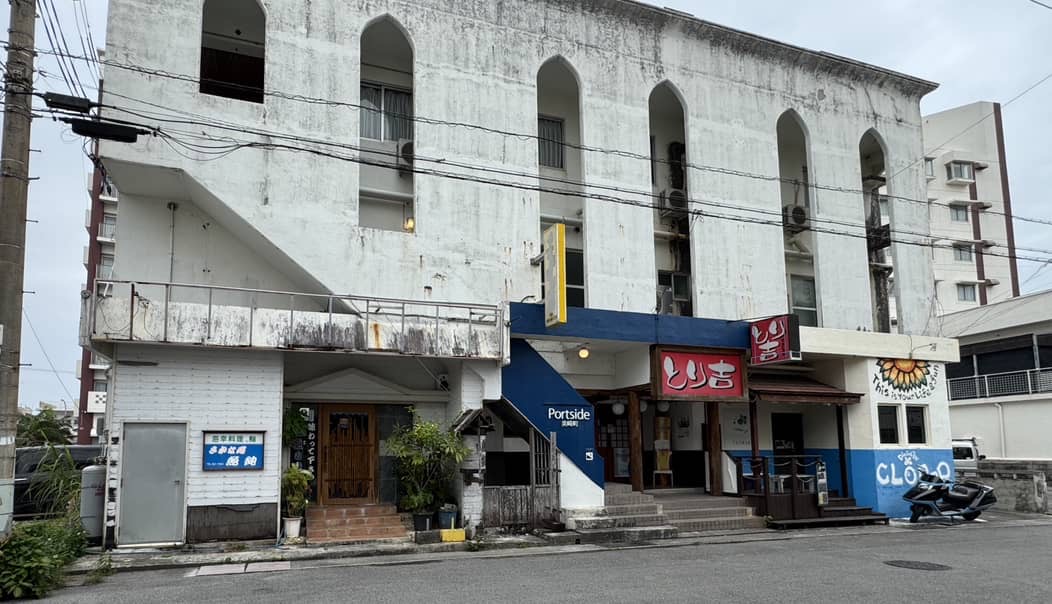
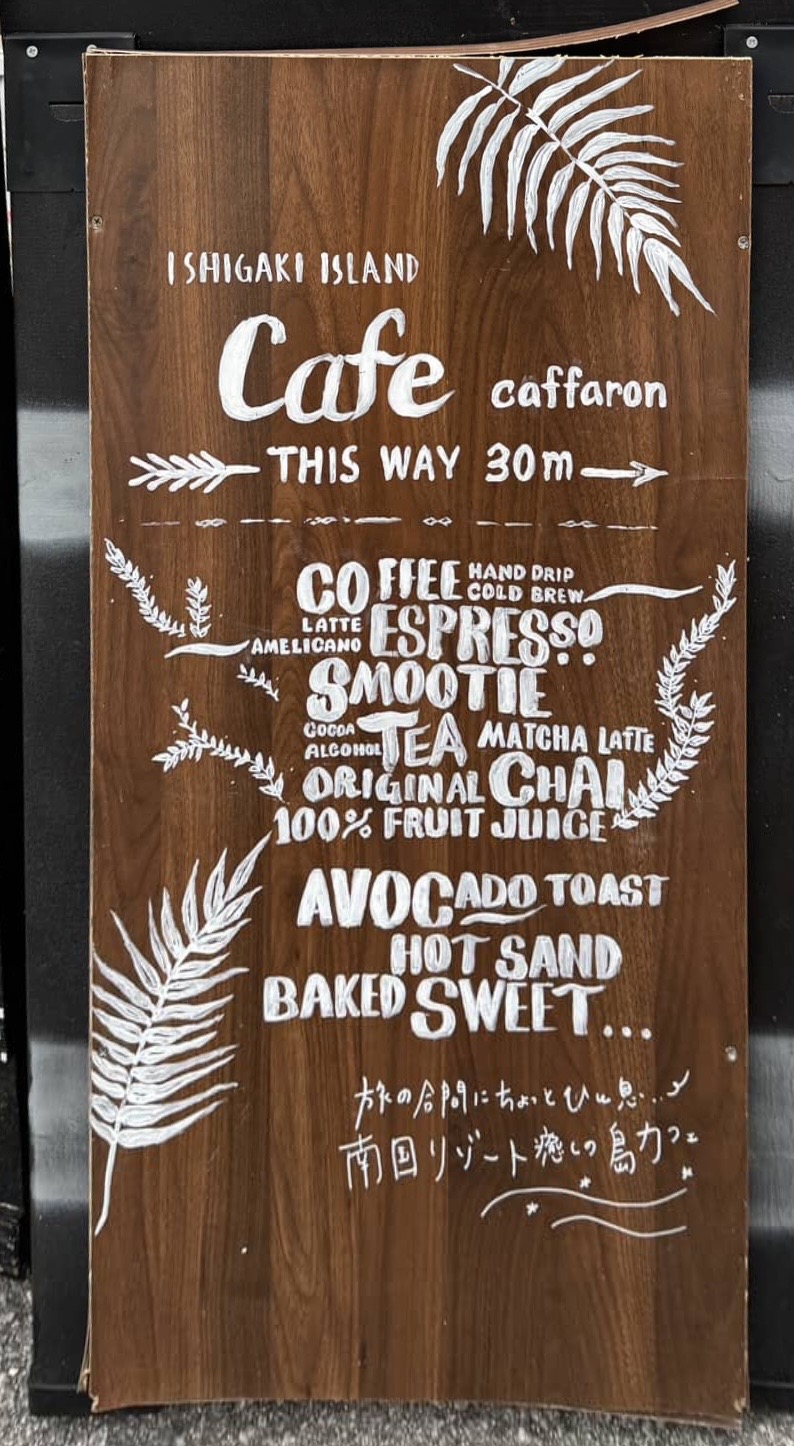
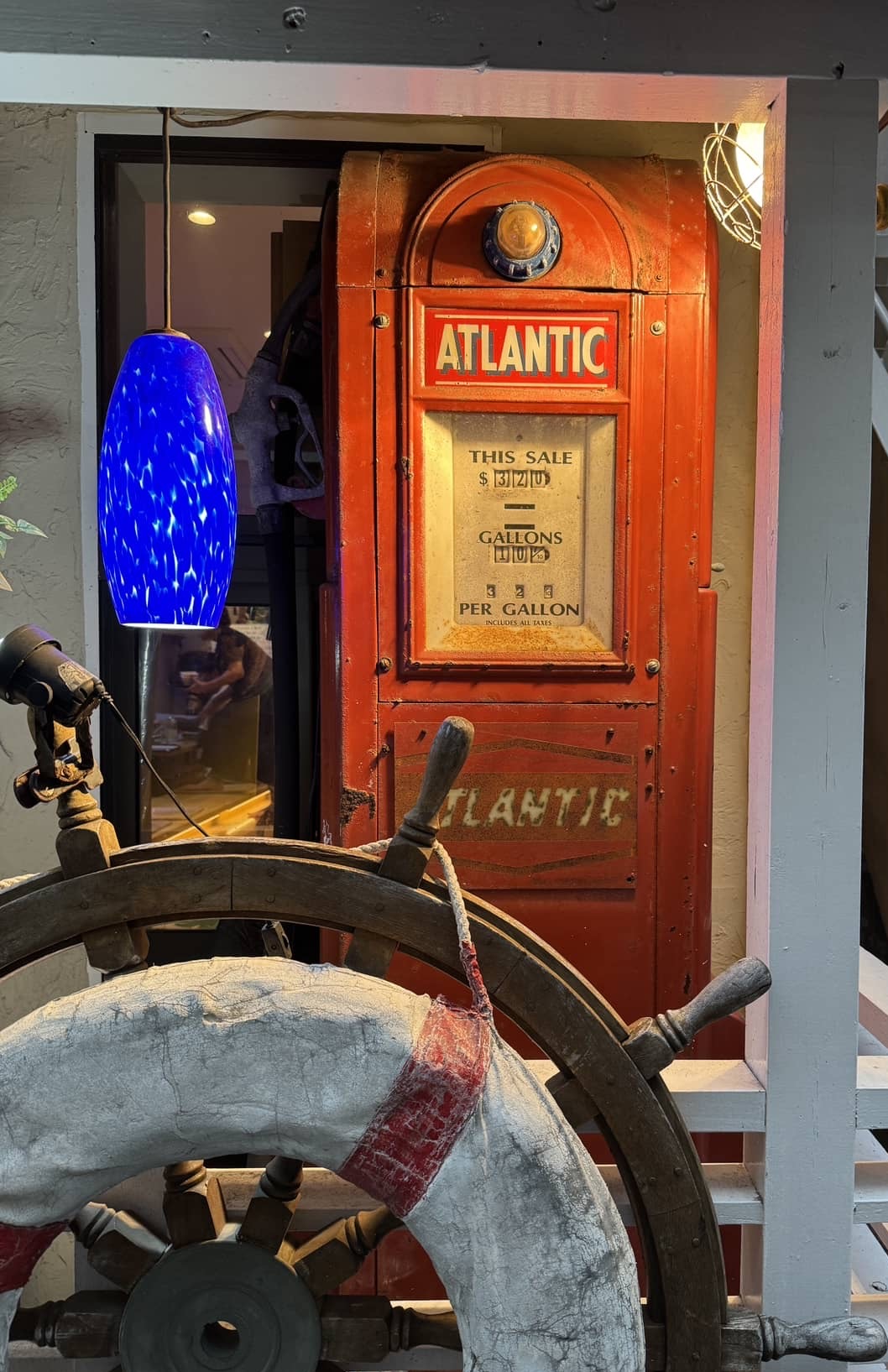
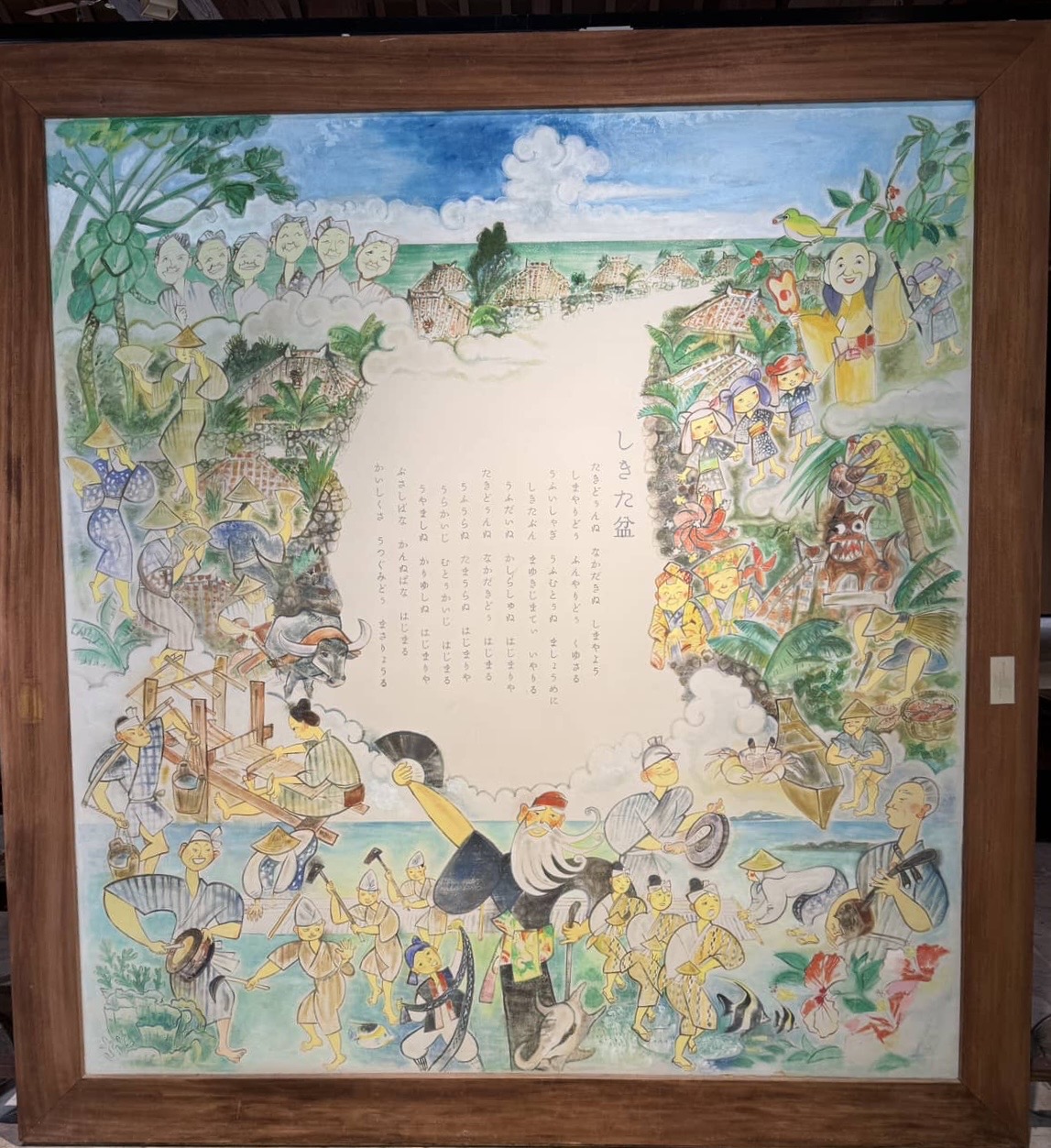
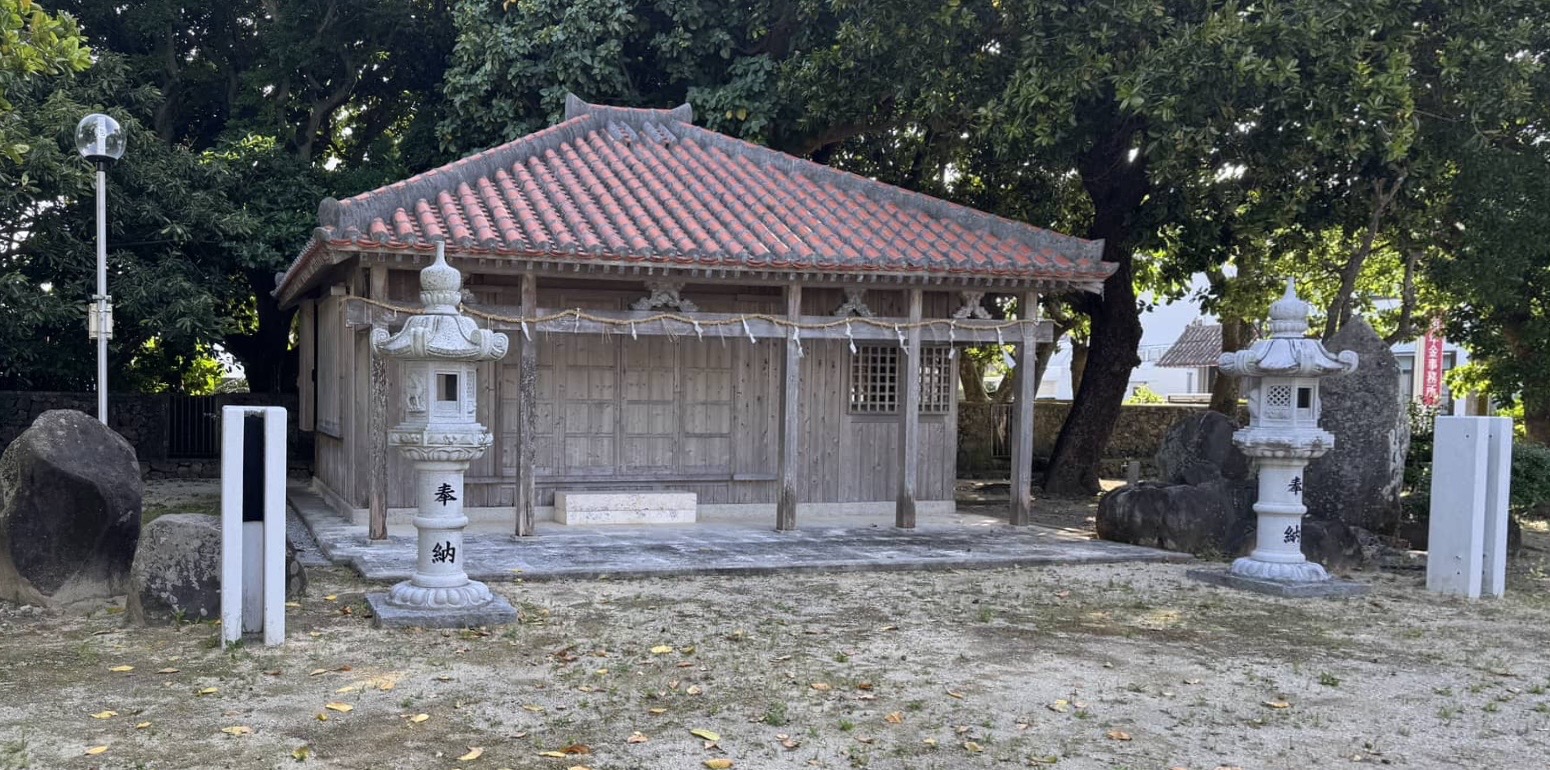
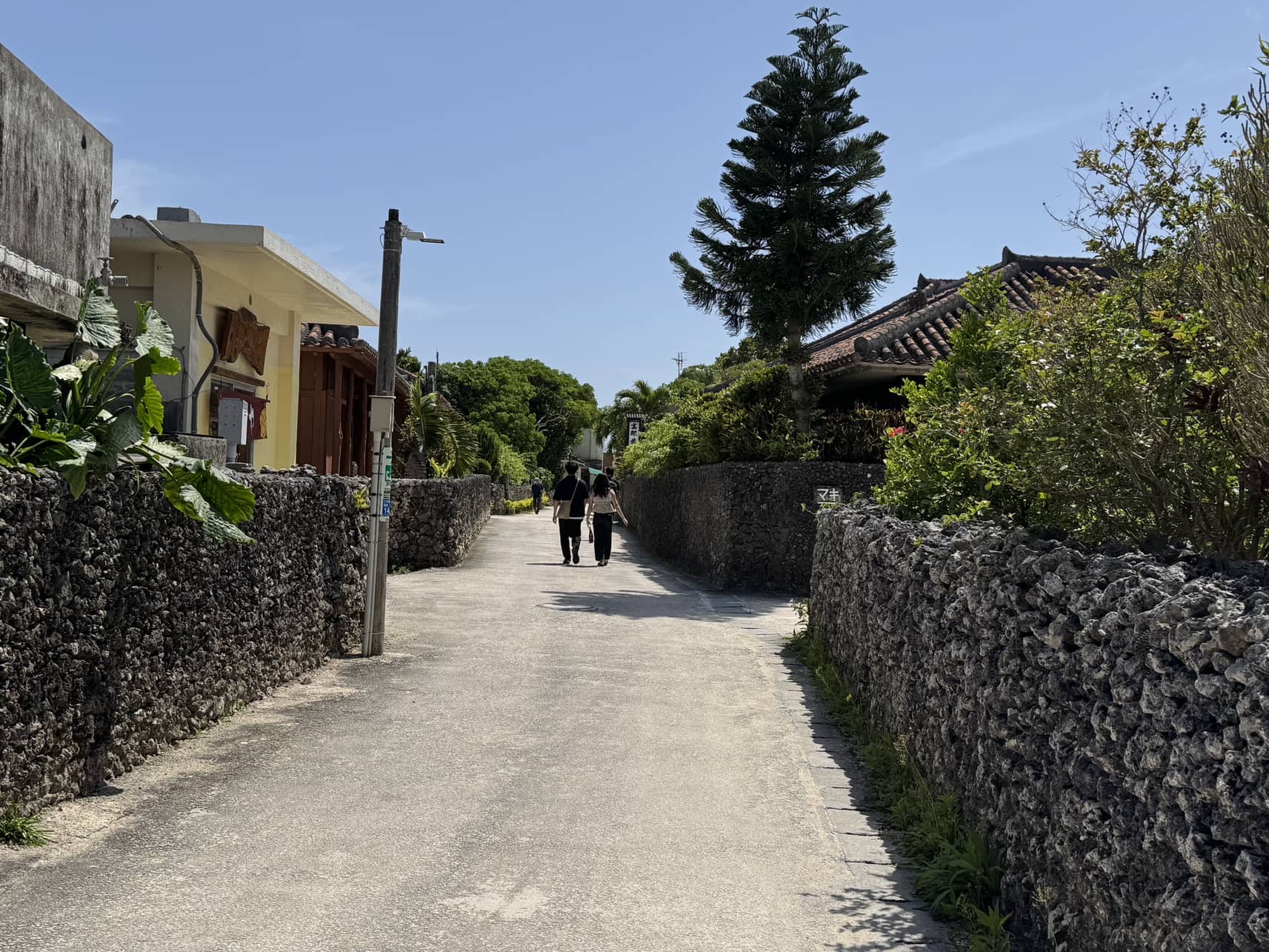
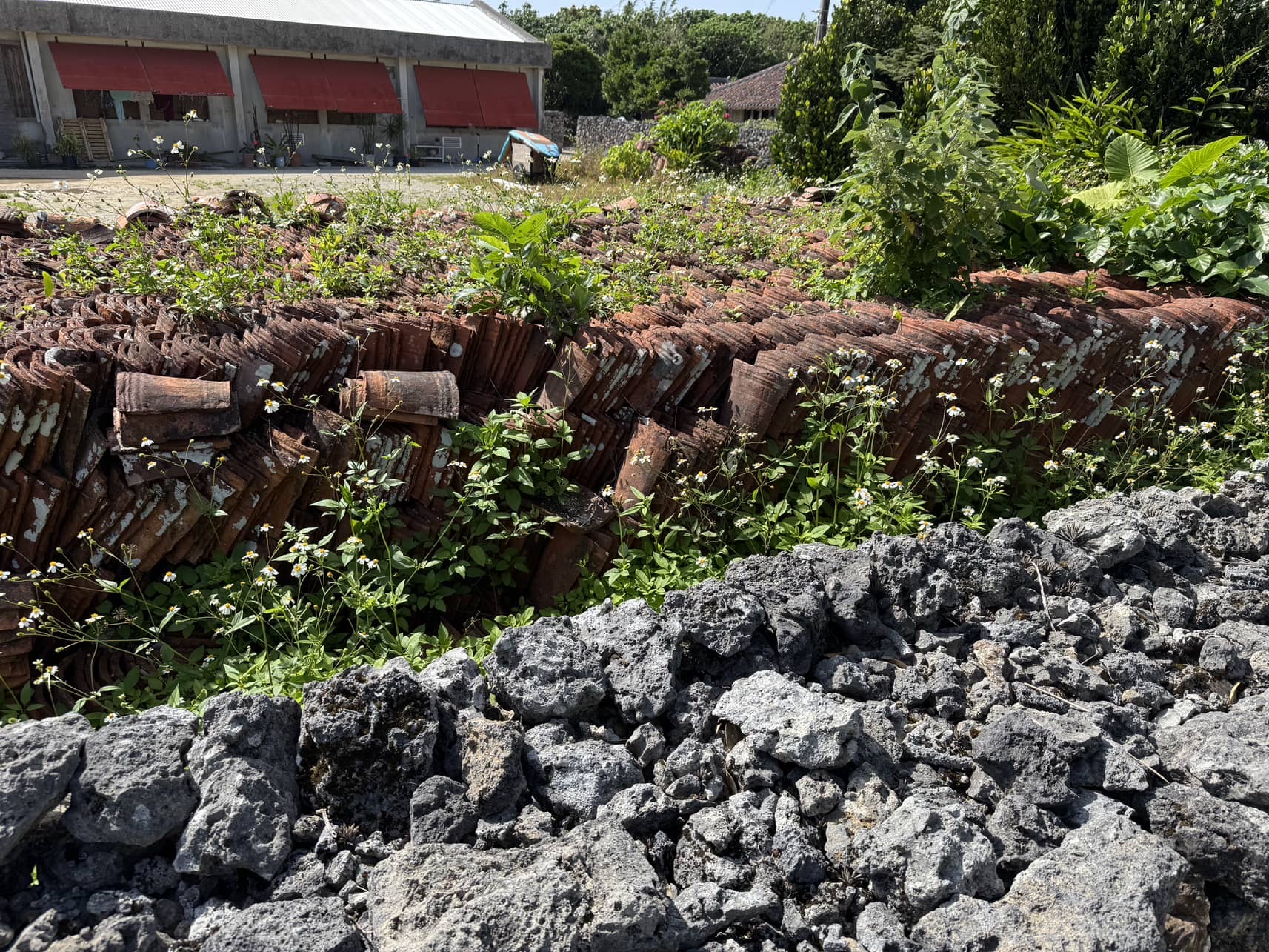
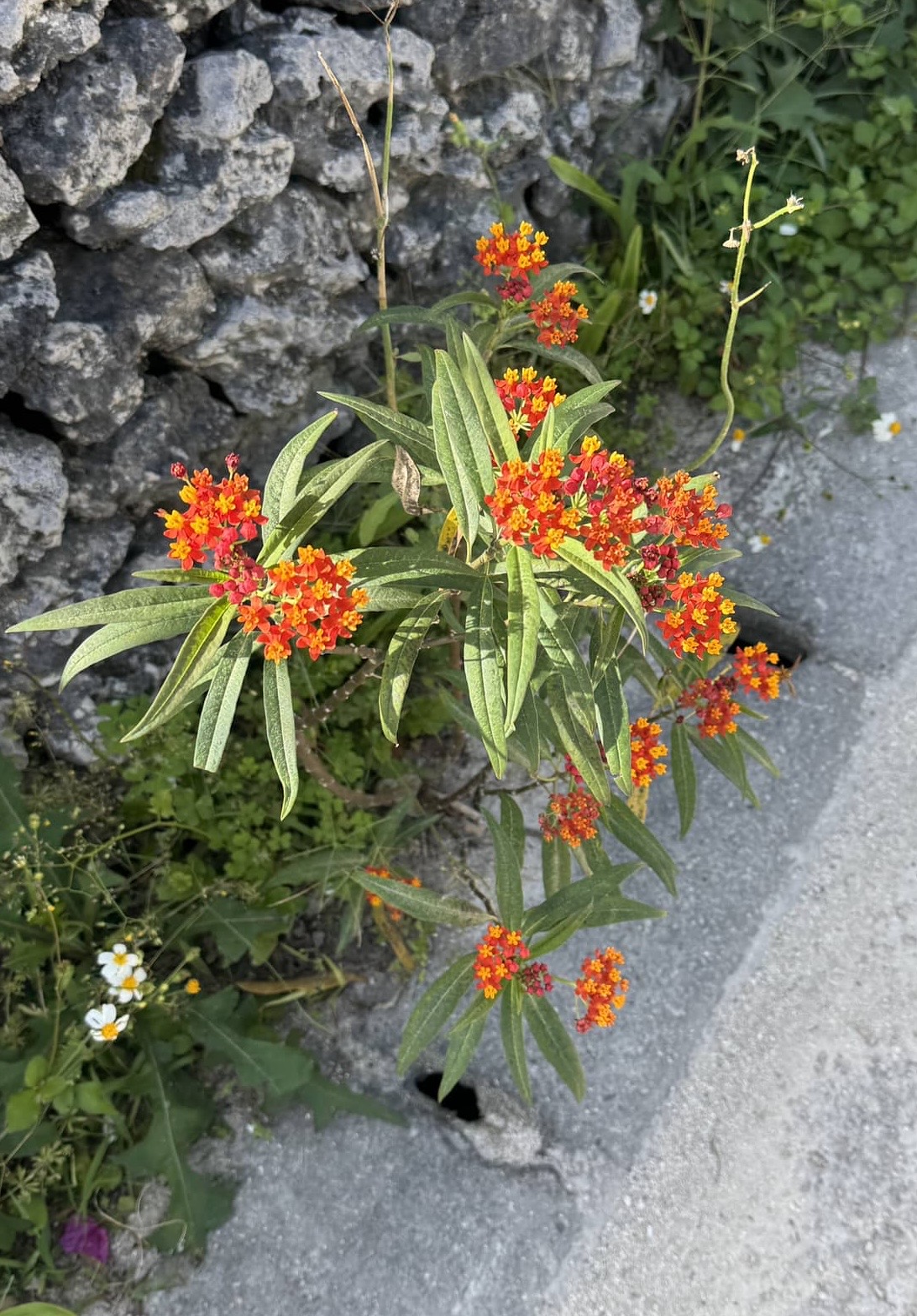
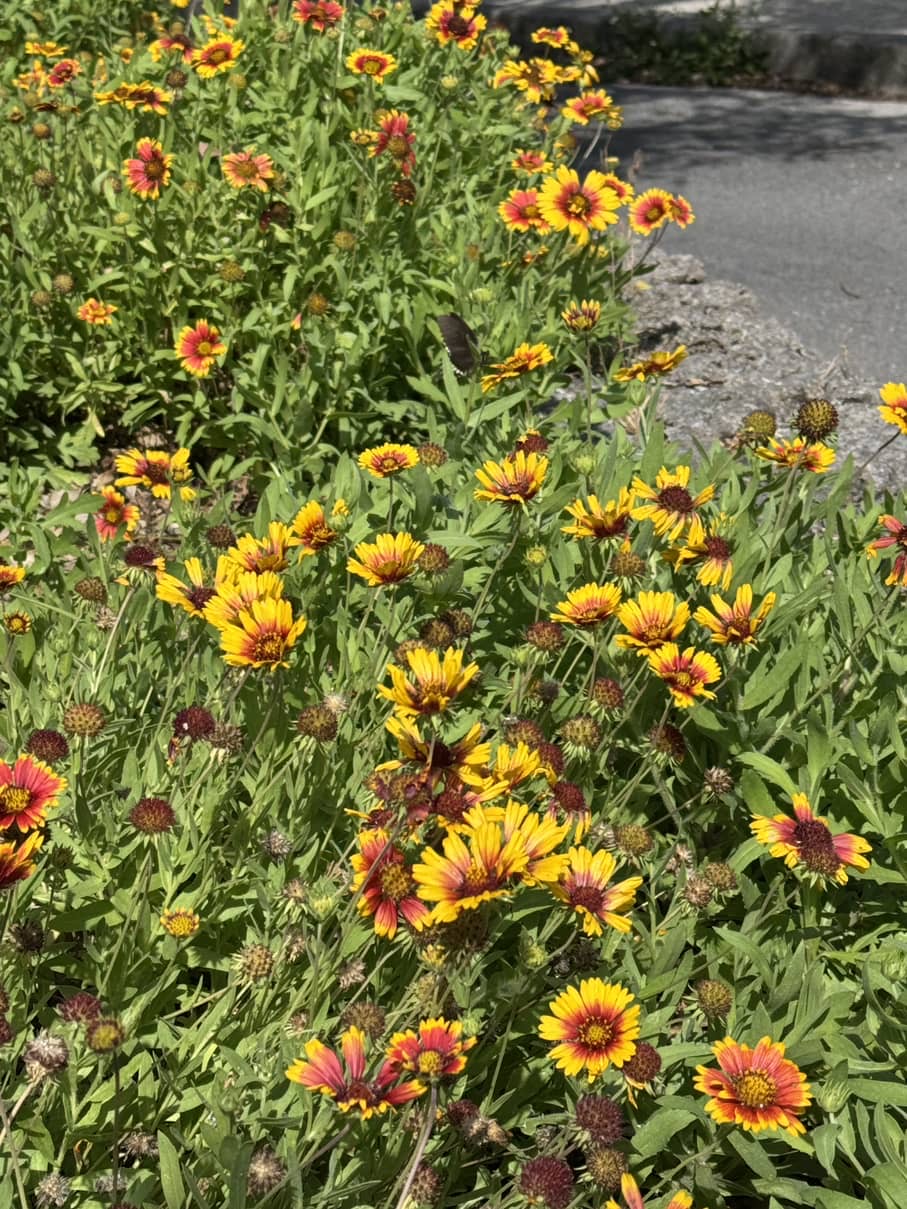
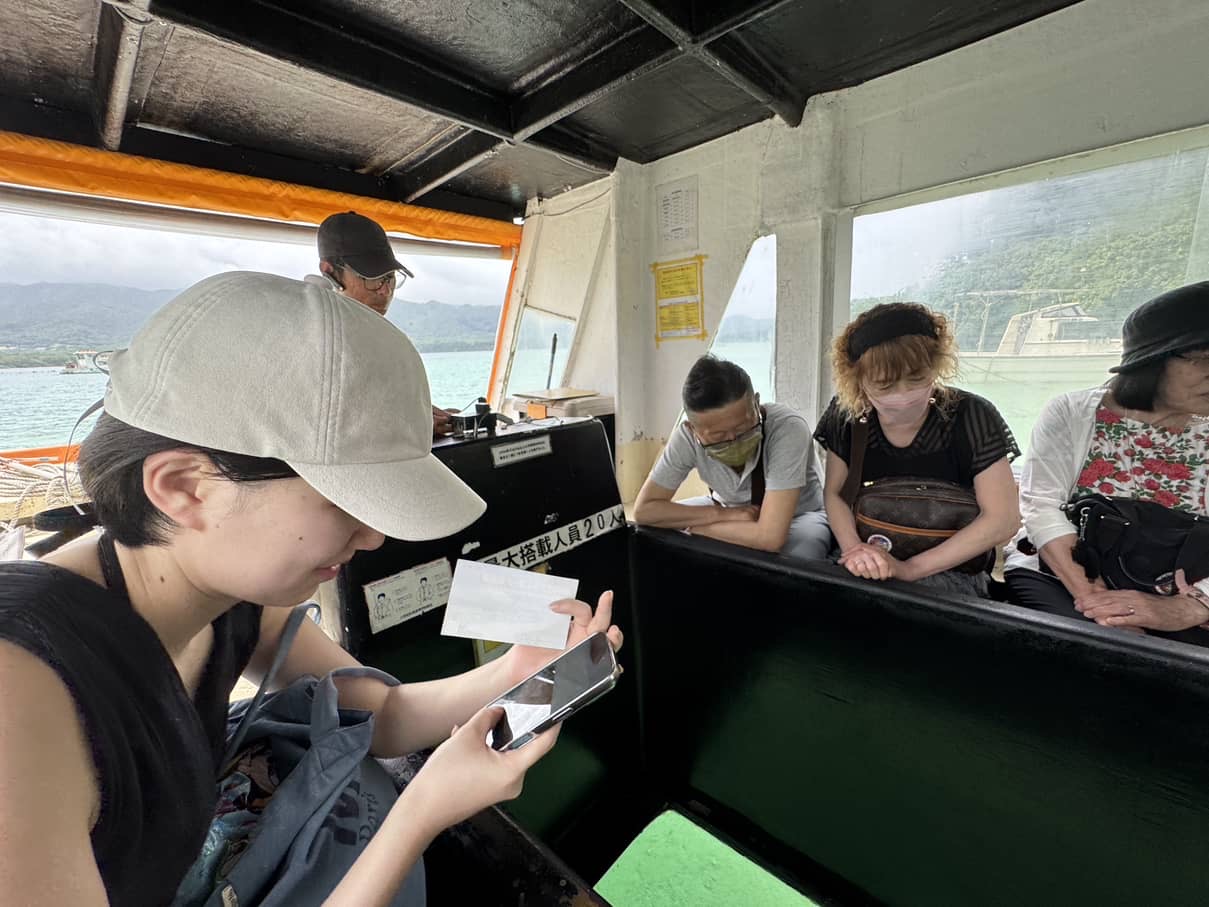
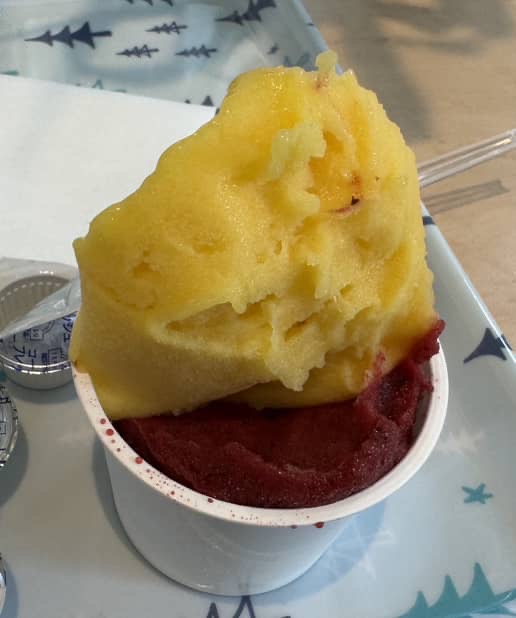
The entrance signTypical local foods, the noodles and way of cooking pork is special to these islandsBeautiful flowers all oveFish is the very delicious hereMy hotel which was not so cheap and a pretty old and not well maintained building. Hotels here are fairly expensive except that most seem to have rooms for 3 or more people, groups and familiesAlong with Avocado toast you can have “hot sand”,not so crunchy or gritty since “sand” is Japanese for “sandwich”.Nice to see an old gas pump probably left from the US post war occupationWatching out for all sorts of criminals especially illegal China fishing boatsBeautiful water. I wanted to try snorkeling but the shop said I was too old to go on a boatOkinawa tradition in a drawing.Taketomi is the second from the rightWhile the Ryukyu islands were a kingdom each island had a different language. Locals today say they can’t understand what people on their neighboring island are saying.Keeping the island in orderMany trees are being monitored for growth Two Korean tourists on the left (spoke very good Japanese), the bar owner in the back (bar seats 6 people), and two local residents to the right. It was a fun nght.The vending machine on the left can be pulled out on a hinge and that is the bar’s entrance. Unique!A typical shrineSo “highball” is now a verb. This 1950’s term is still used in Japan and refers to whiskey and water. Almost full moon.If you “lanch” here you will have had a good lunch. Beef is a big thing in these islands and they raise cows on most of the large islands in a careful manner like in Kobe or Matsuzaka. But it is expensive.Easy walking aroundRoof tiles stacked behind a coral wallA typical houseFixing the roofPlants growing out of the coral wallTraditional costumesBeautiful treesThe blossomsRaising cowsA graveyardInteresting bugReminds me of the Bhodi treesA temple with some chinese influencesMaking a new templeI took a bus tour around the island. These are my fellow tourists.On the glass bottom boatLots of clamsThe turtle was the highlightThe opposite side of IshigakiMost cars in Japan now are “K” cars with 650 cc enginesIce flavored with not much cream
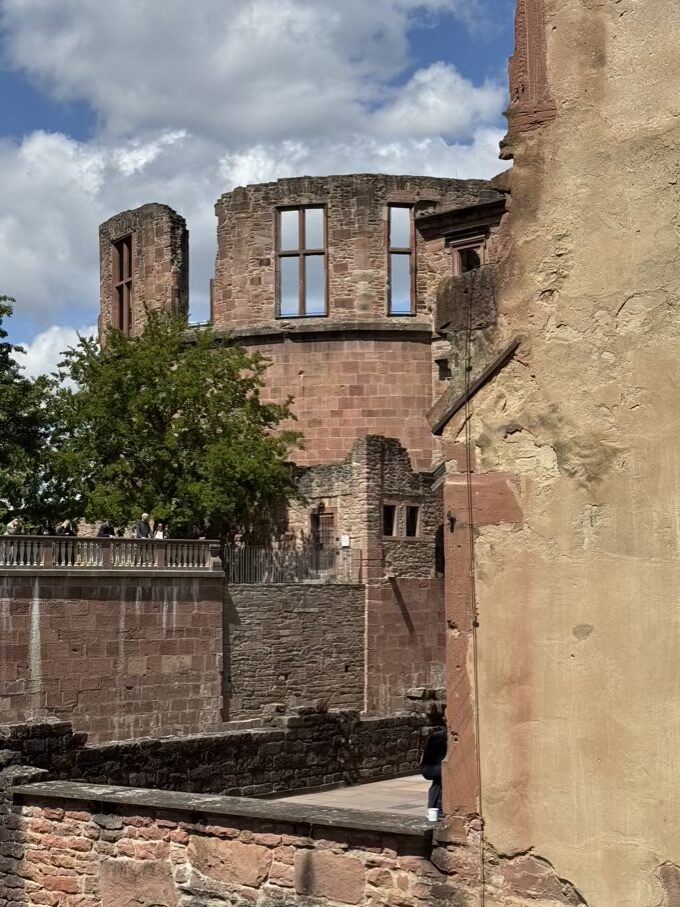
when you’re traveling to Germany Heidelberg it’s definitely one of the cities you should visit at the castle is very interesting. So remember when you get in this area make sure you get high on Heidelberg Castle.
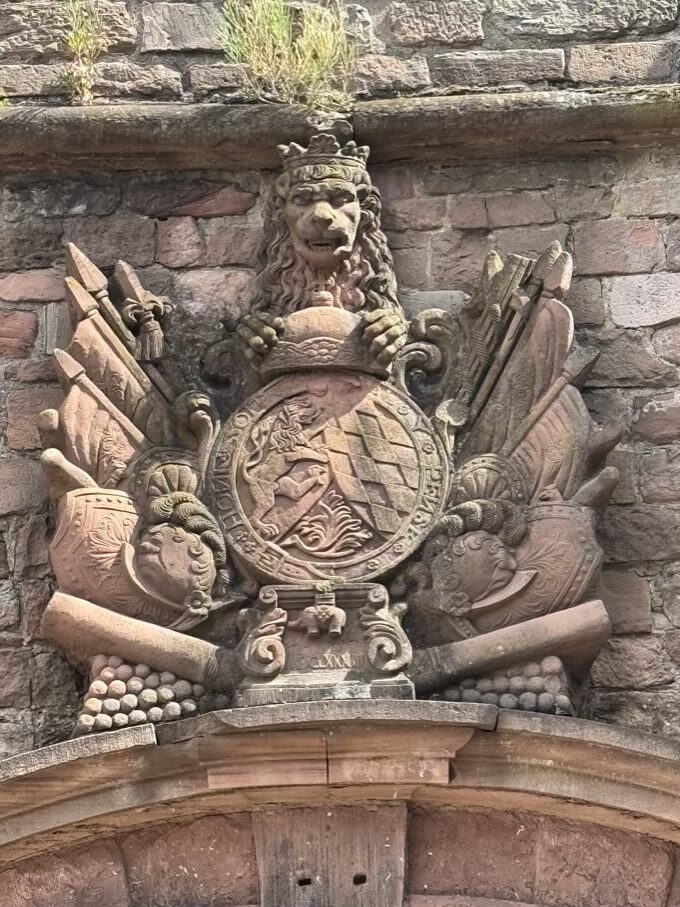
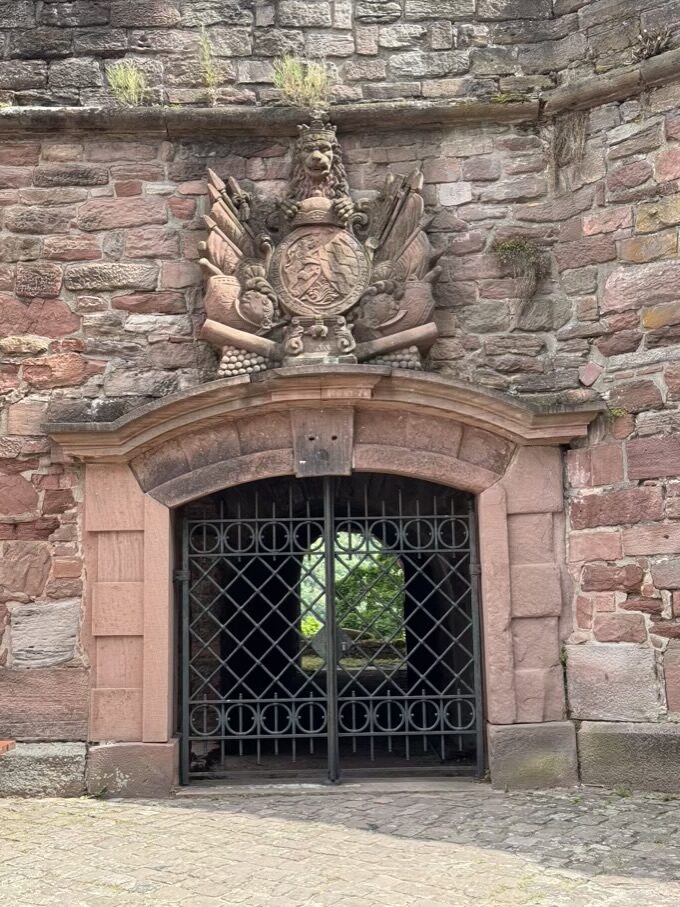
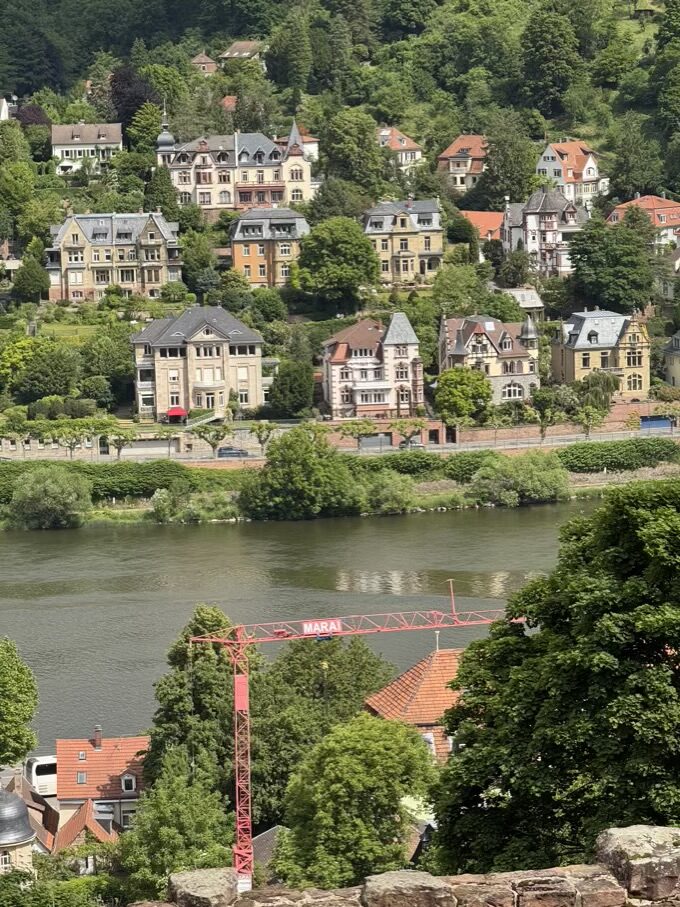
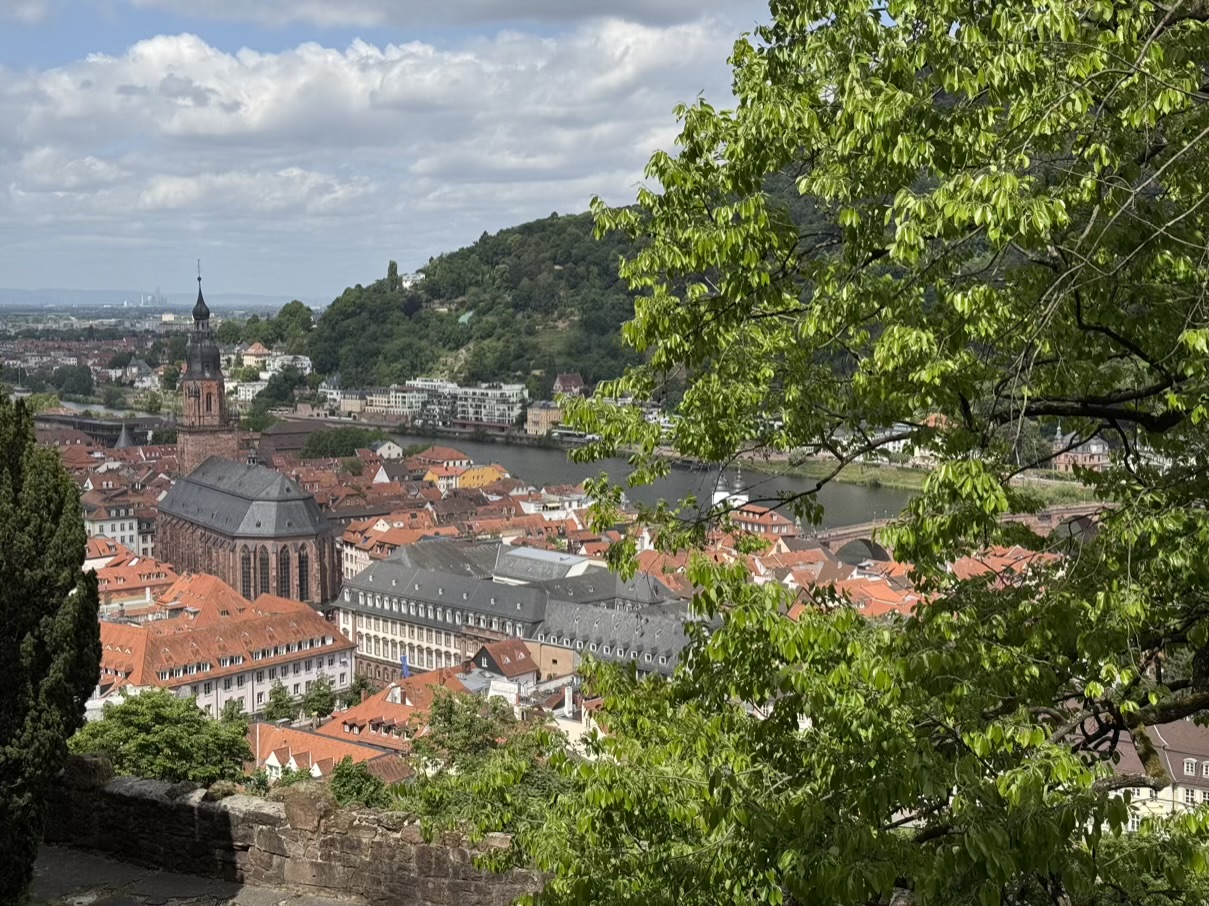
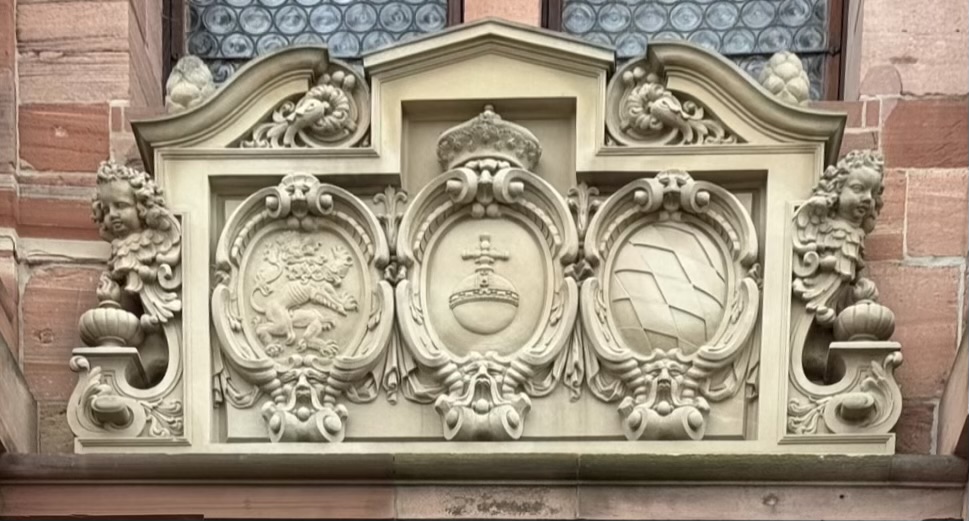
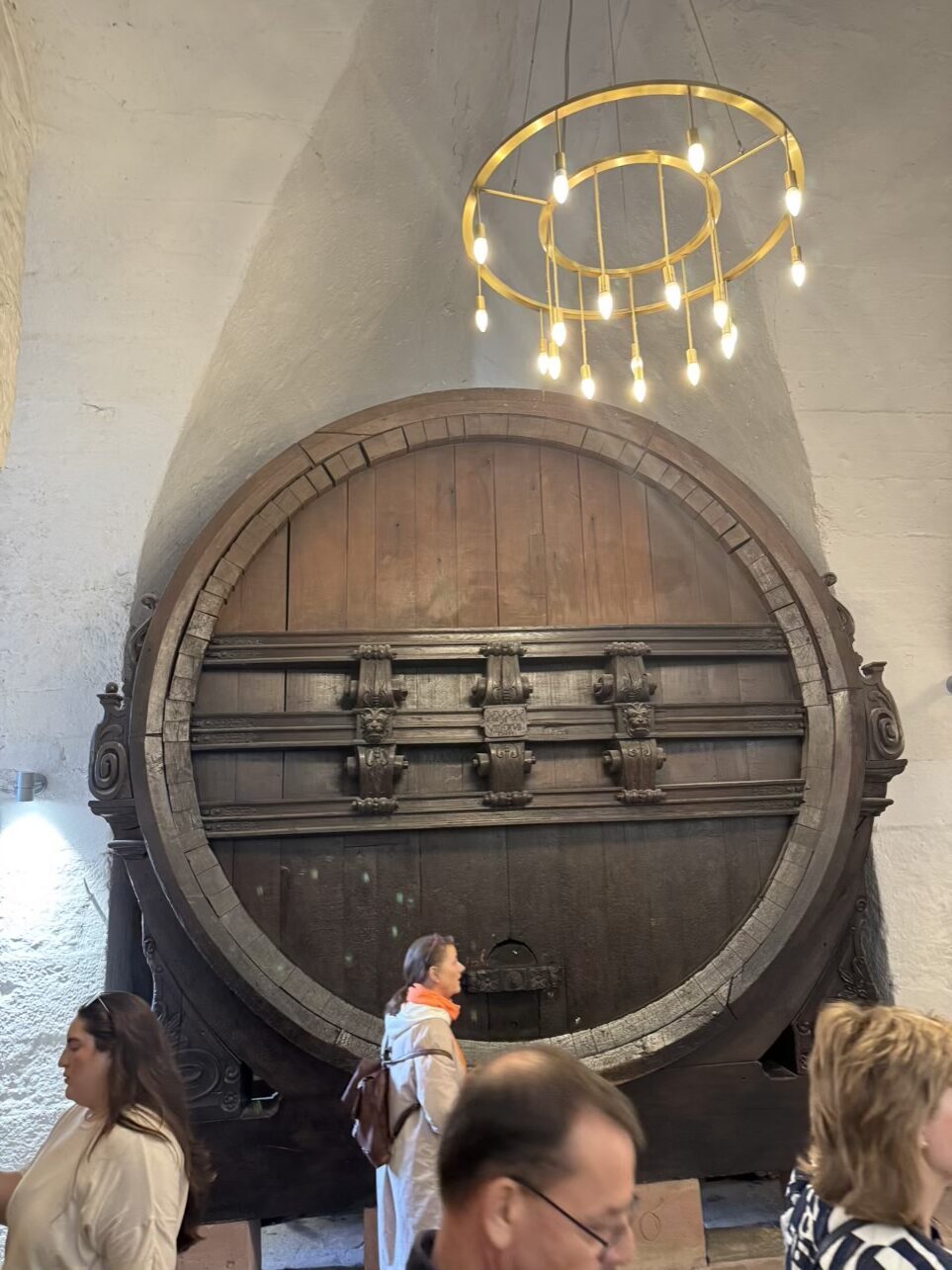
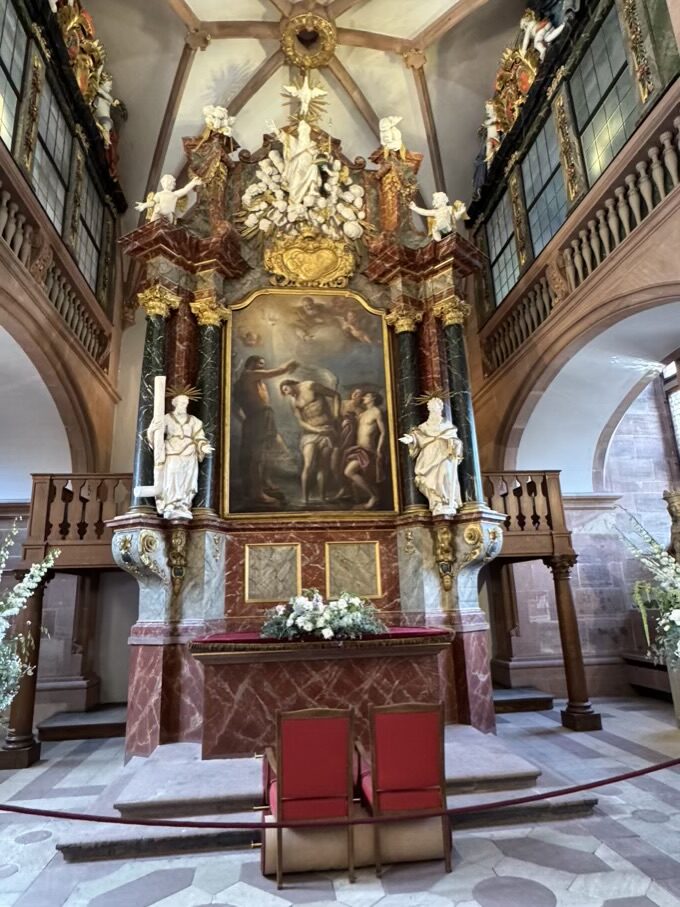
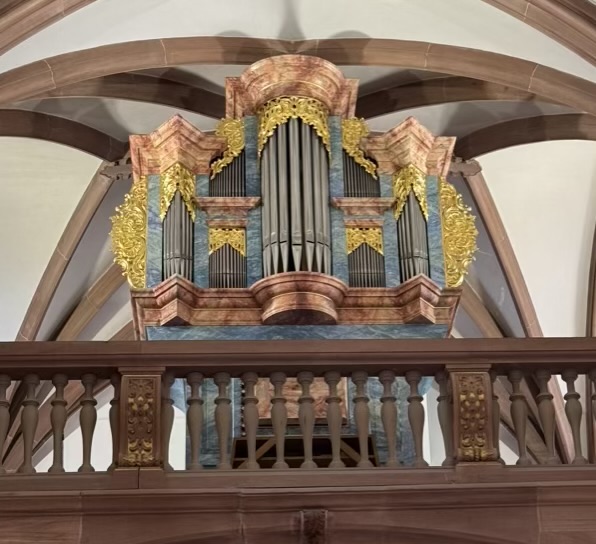
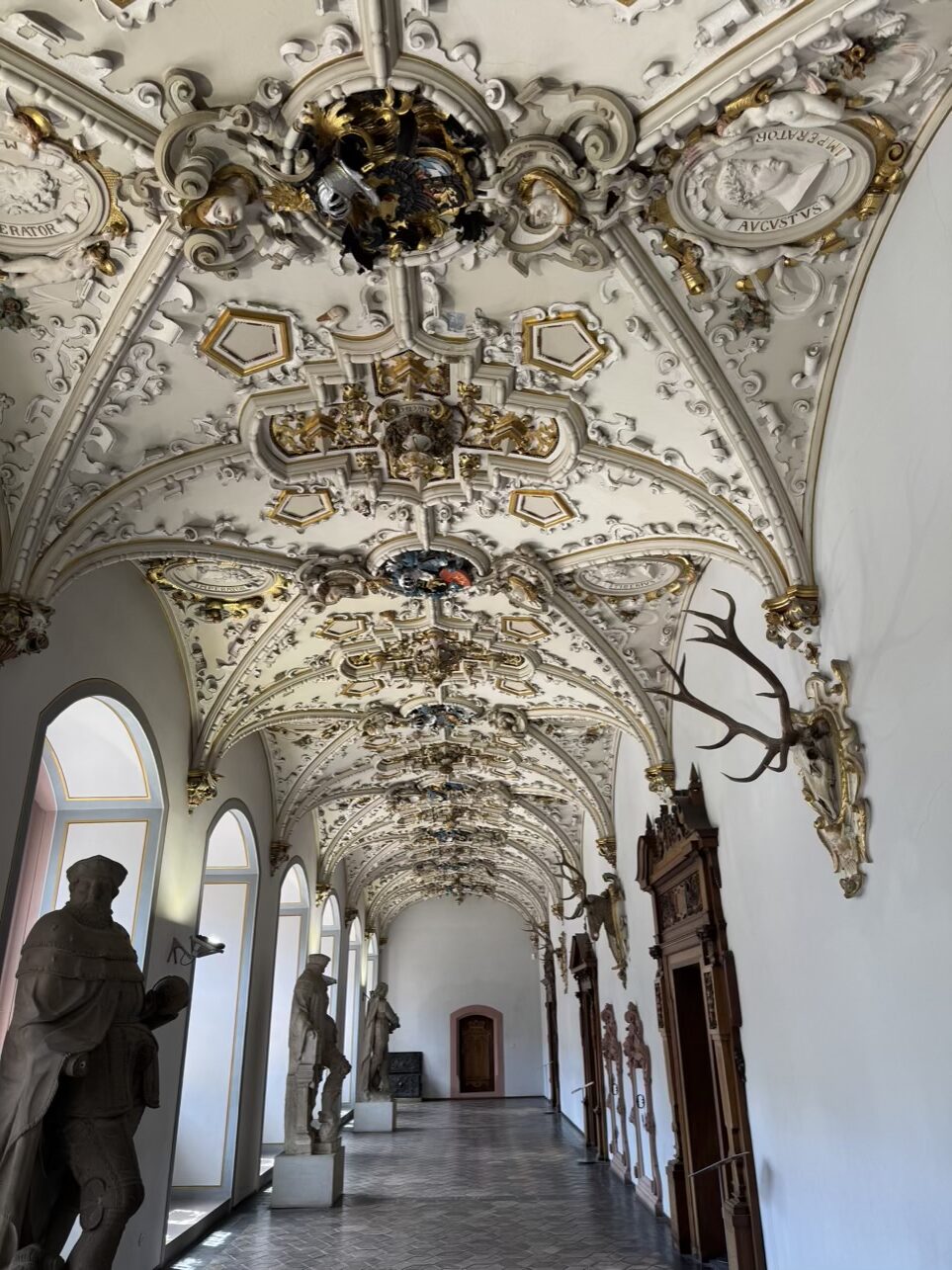
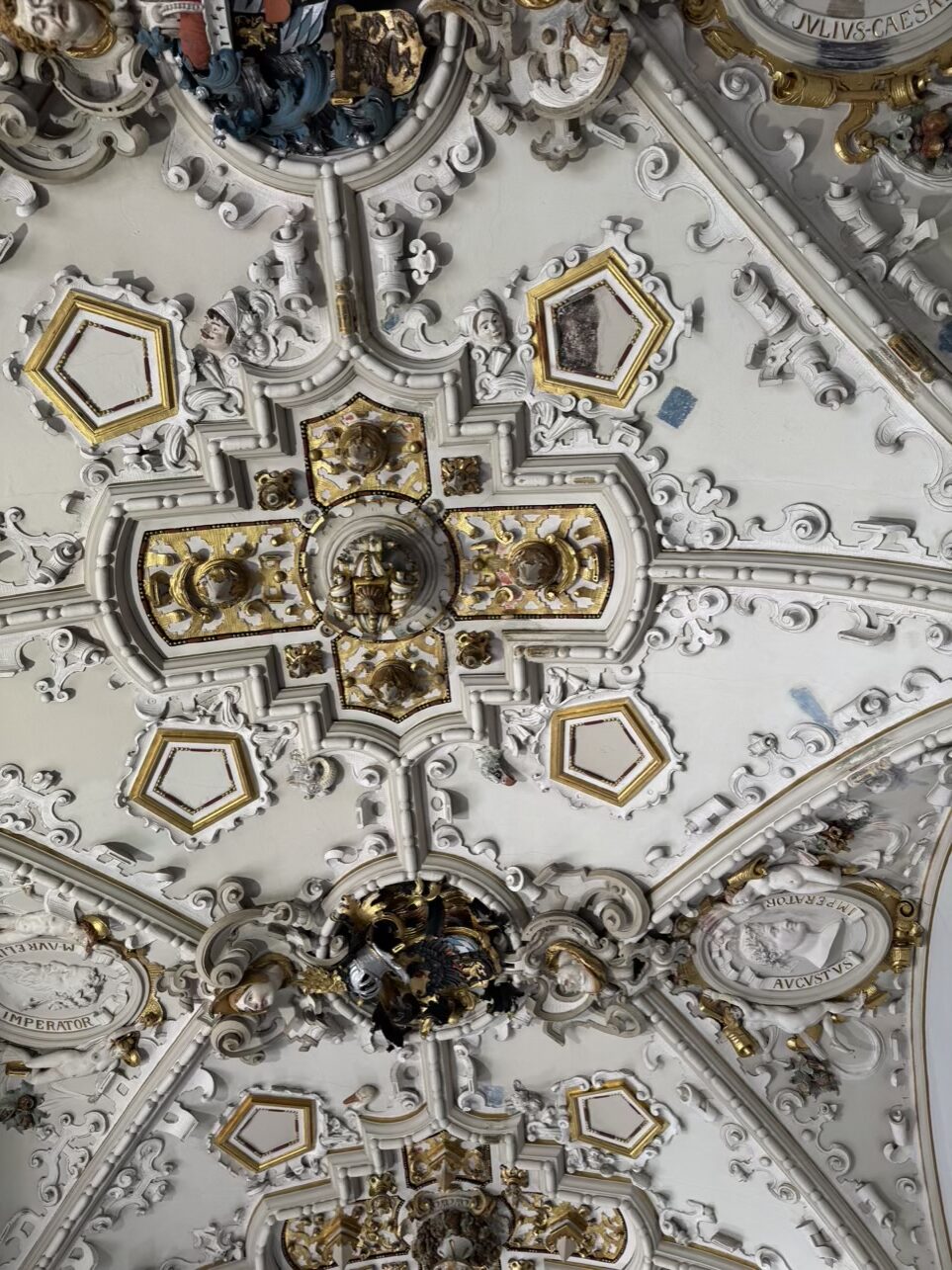
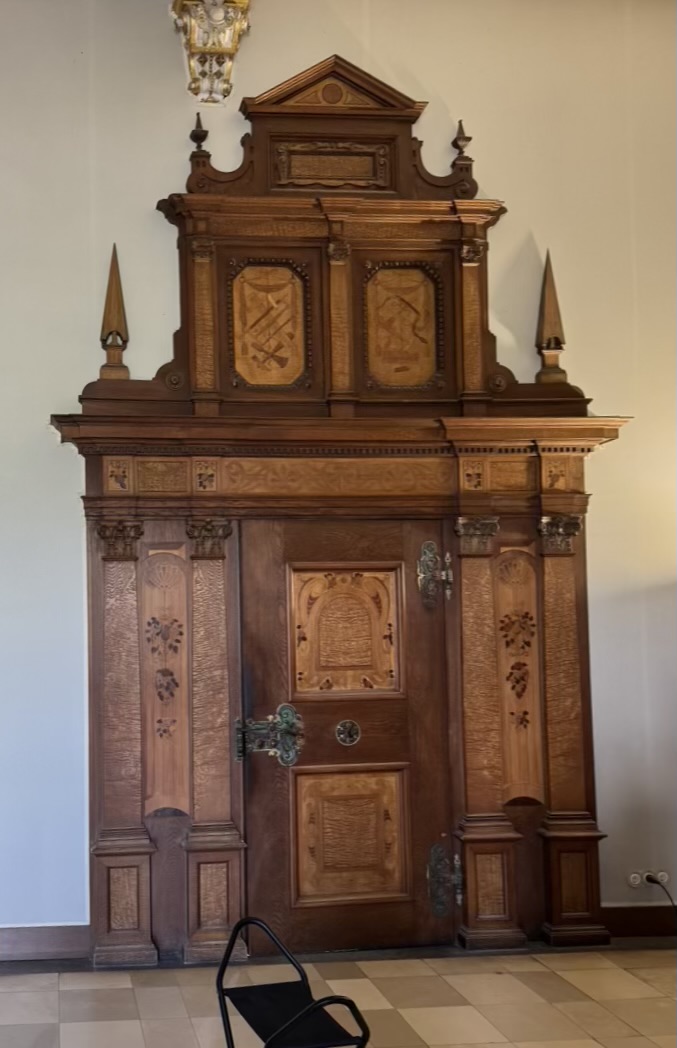
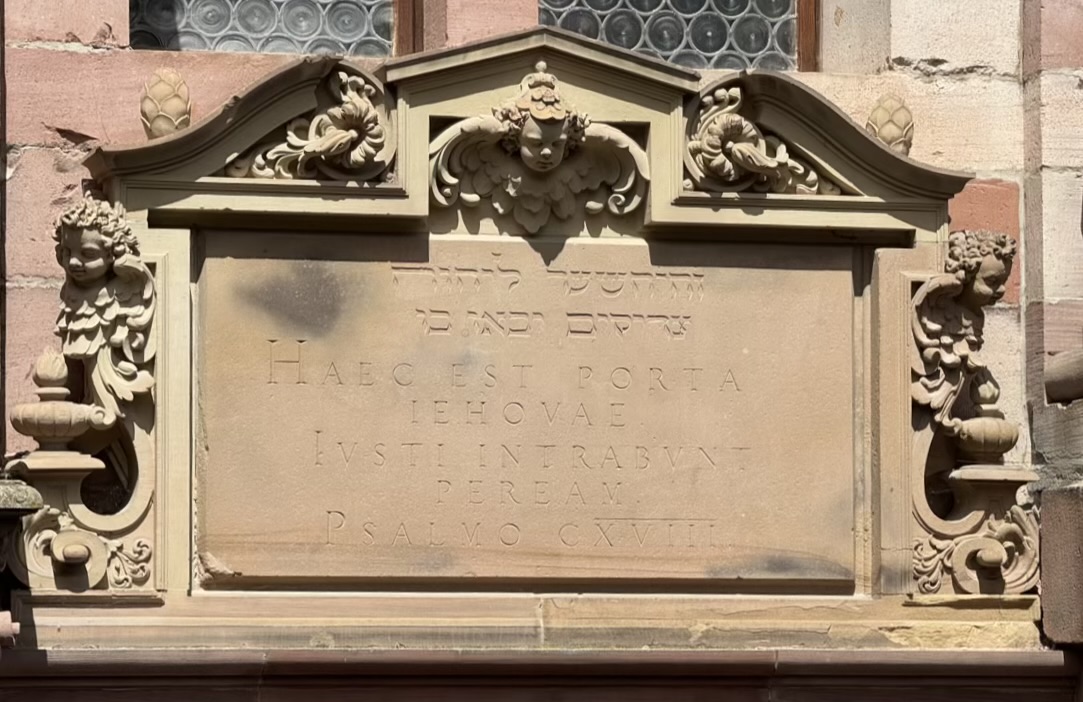
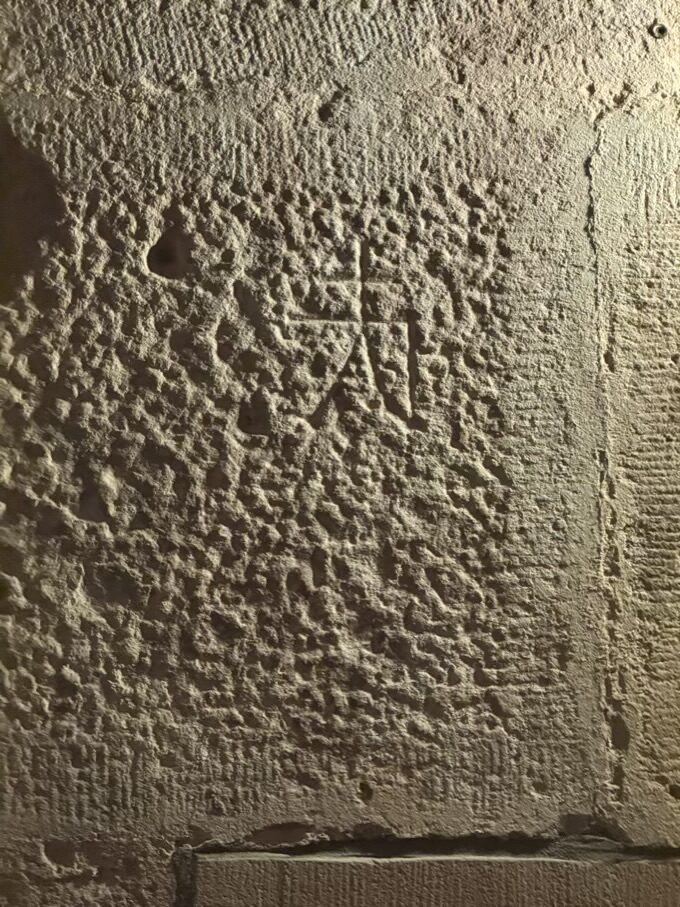
The RoyalcrestMain entrance gate Beautiful views of the city below and the river One of the best views when you are high on Heidelberg Castle a good detailed map Very iconic and important symbolism for the times when they were set on the entrance gate here Lions, orbs and the ShieldThis is the old clock in the city center The main city Plaza The giant Heidelberg beer keg This is where they dispensed the beer You have to have a chapel in a castle Church pipe Oregon A very old desk and chairAnd extremely ordinate hallway The ceiling of the hallway. Look at the detail And ordinate room entranceIt was interesting to see Hebrew here. Obviously there was a lot of respect for the people who helped build and manage the castleThe great beer pump The banquet hall. Builders’ marks in the stoneThis shows the old Castle wall on the outside which was built many hundreds of years ago The model of the castle as it is todayAnother model of the castle when it was completeThis guy brought the castle to its peak architecture There was a pharmacy inside the castleWere they concocted the medicines This is a very old brand
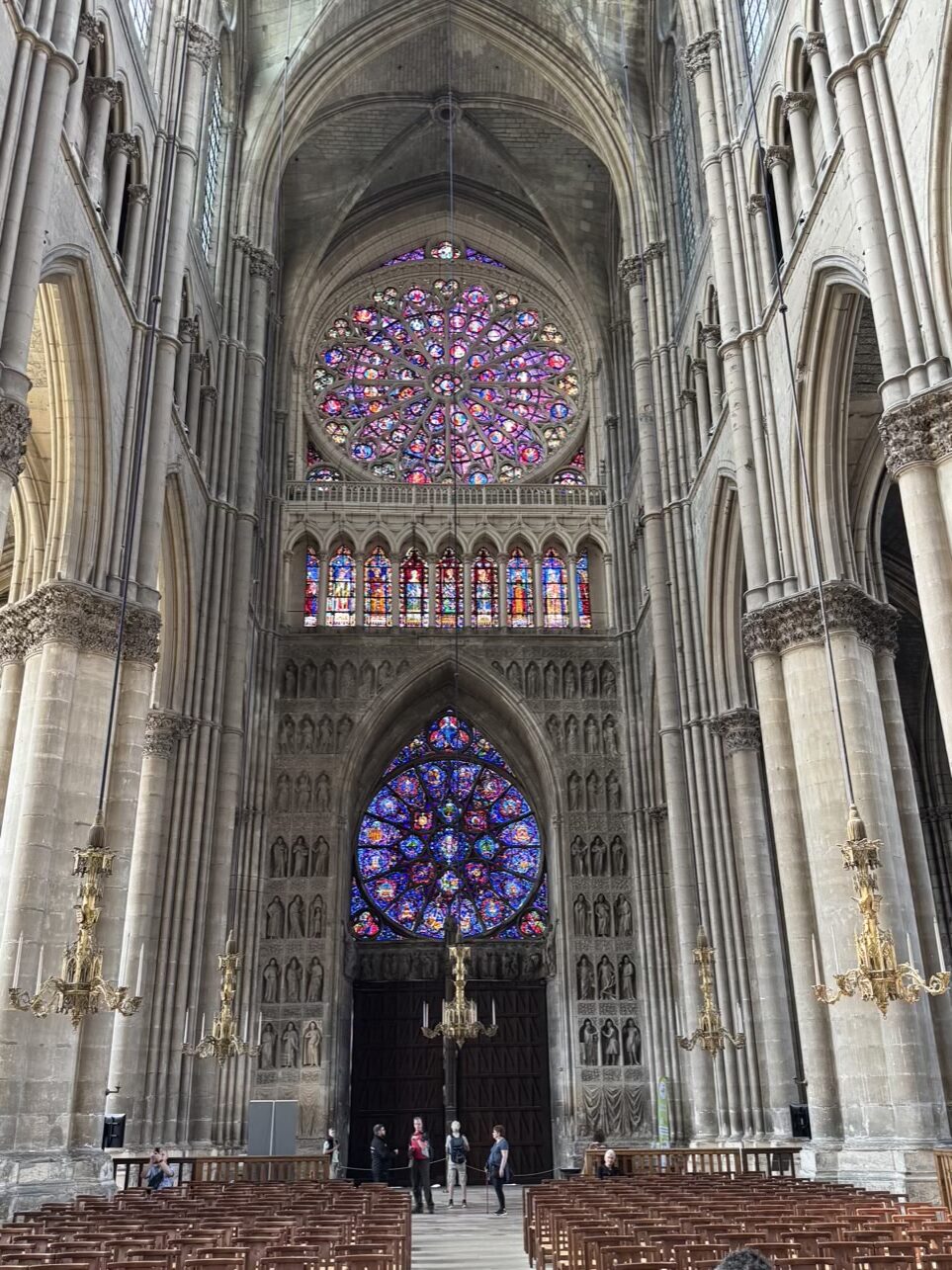
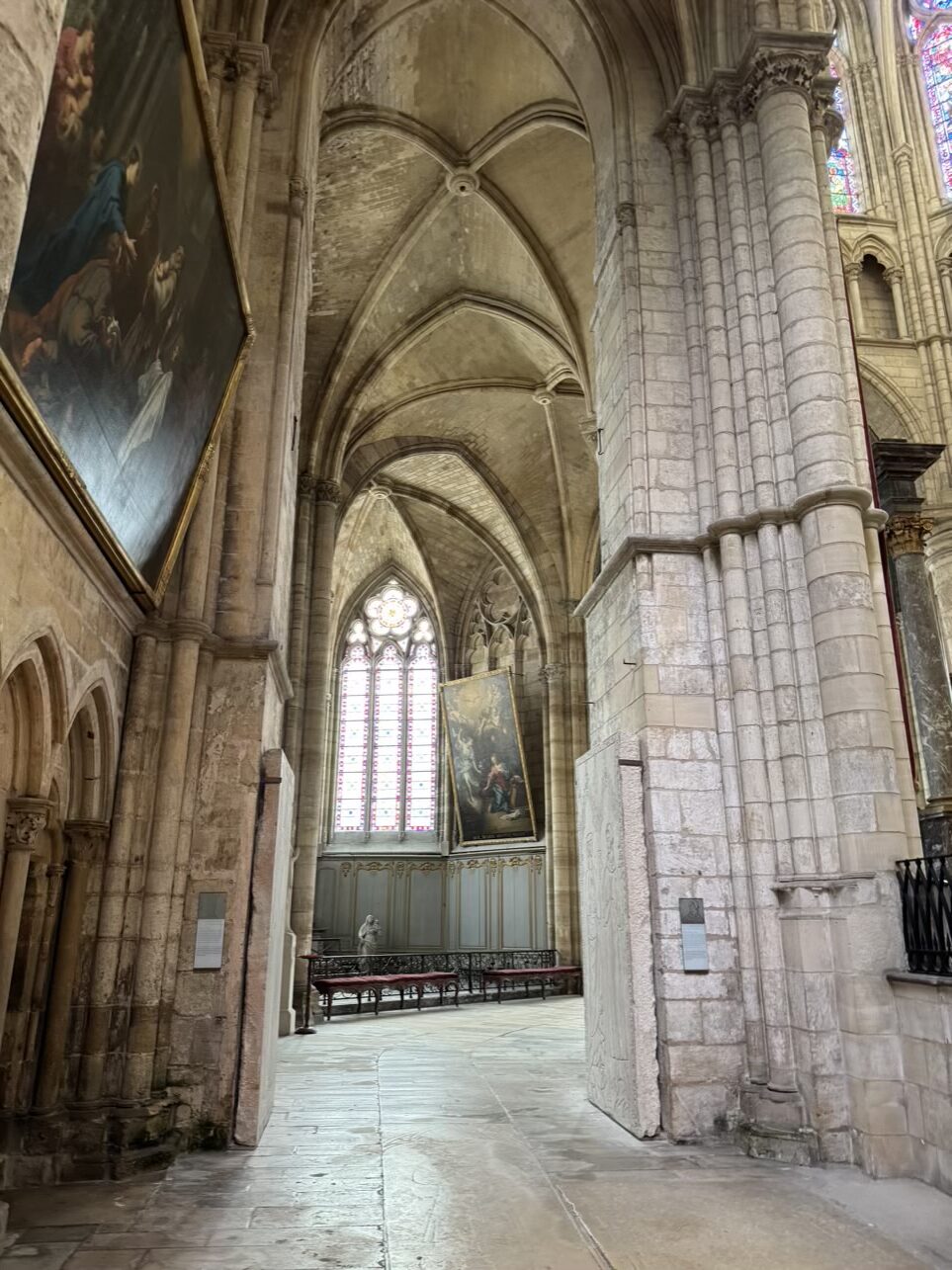
Reims is a pretty interesting ciy to visit, the place where French kings were crowned for many centuries .
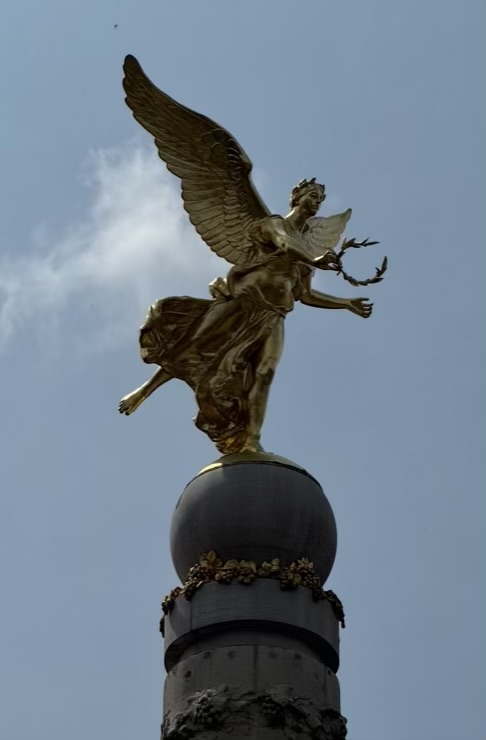
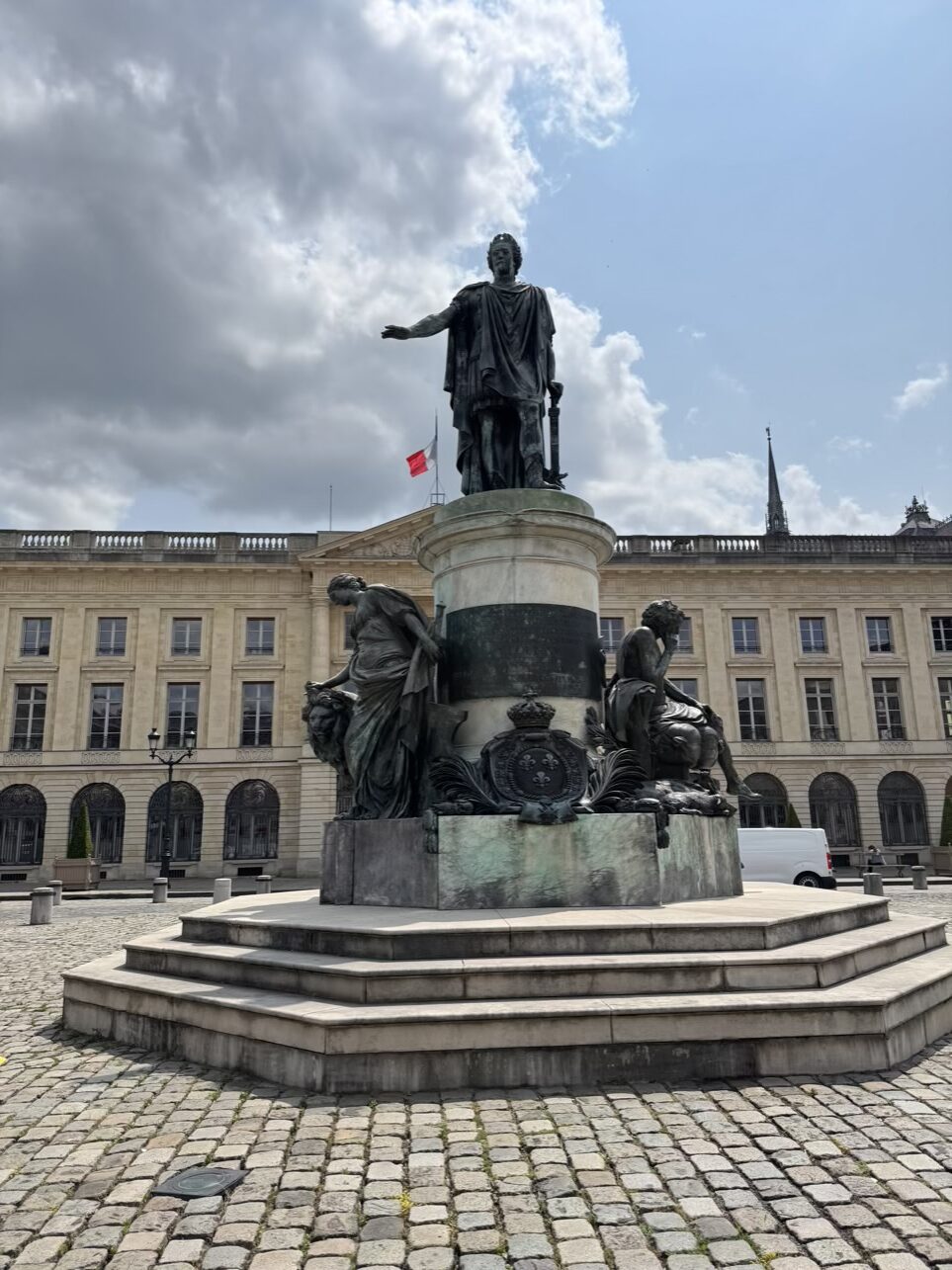
The roman wreath for crowning kings in Reims is what the lady is carrying The old city centerMany train stations in France have pianos for people to play some music, a very interesting and enjoyable idea.
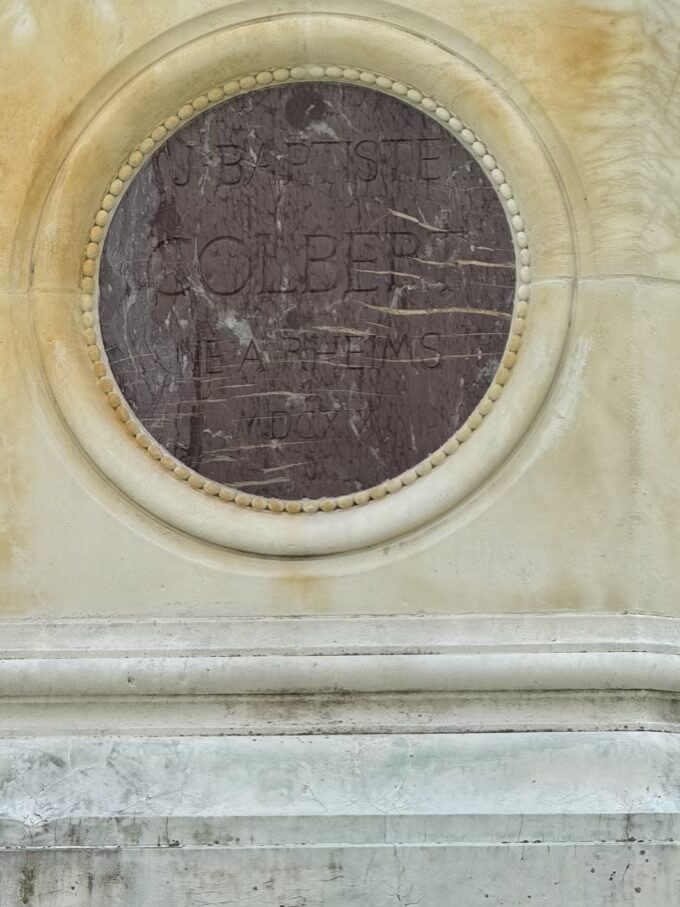
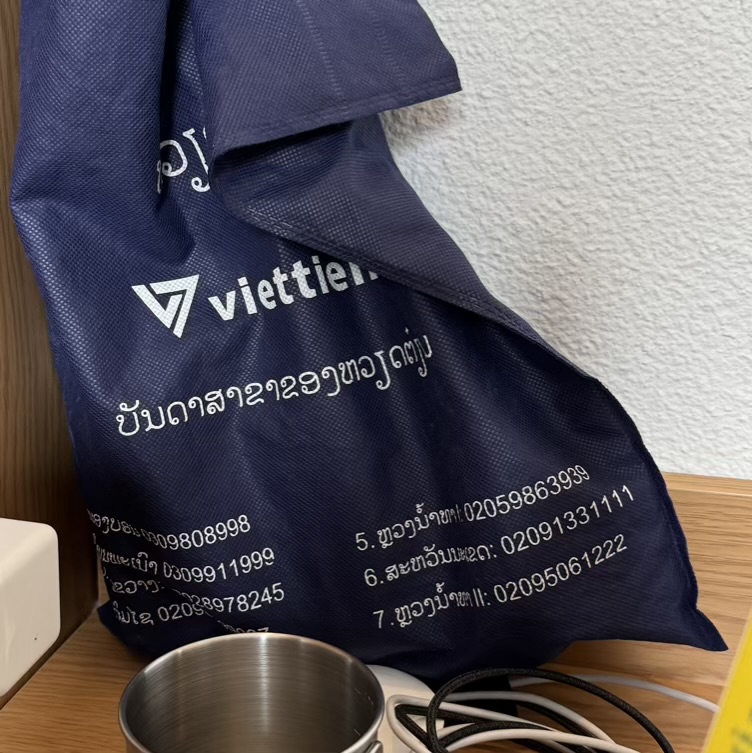
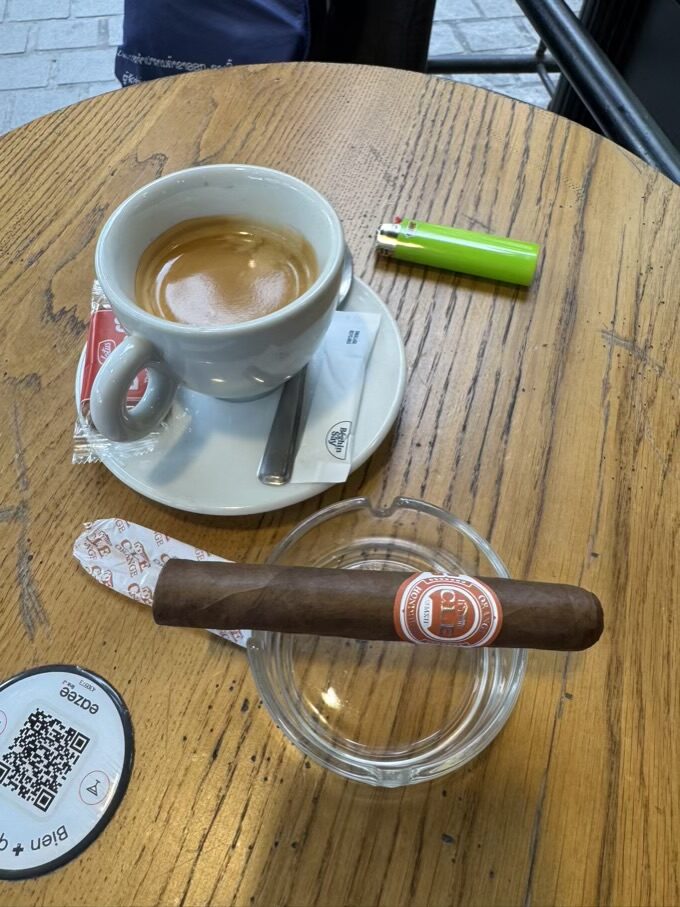
not Steven Colbert!A typical streetNice architecture. The roof identifies it as FrenchAn ancient carouselThe church where the king were crownedA main plazaLouis XVStill carrying my Lao garment bagNice coffee but not my best cigarJohn Wick’s Continental Hotel?Didn’t ask if he stayed here
I made an emergency trip to the US landing on July 4. After taking care of necessary issues I traveled to see some friends in bad health and stop by my old hometown to check out how things changed.
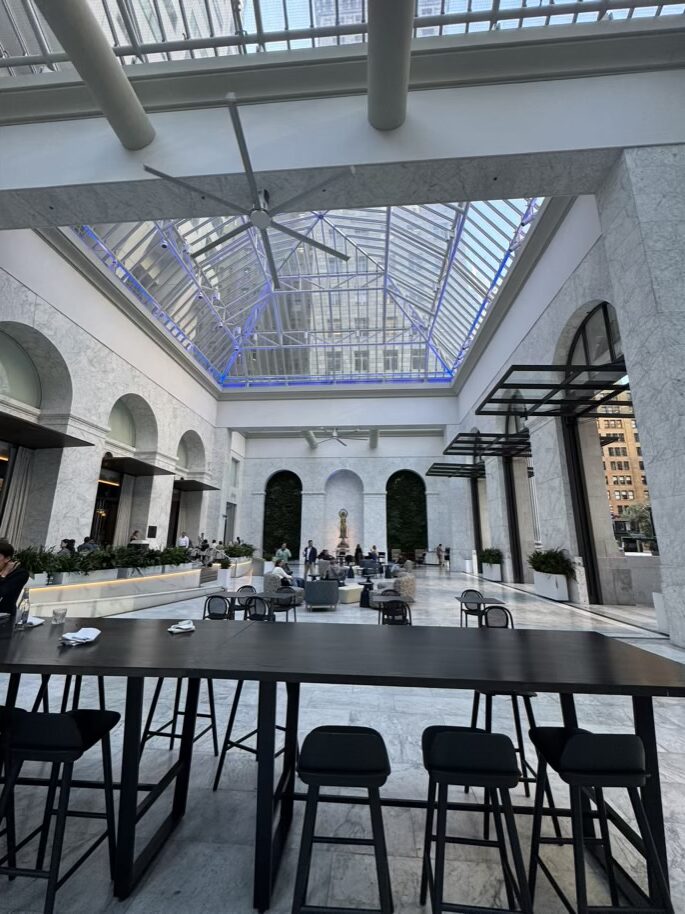
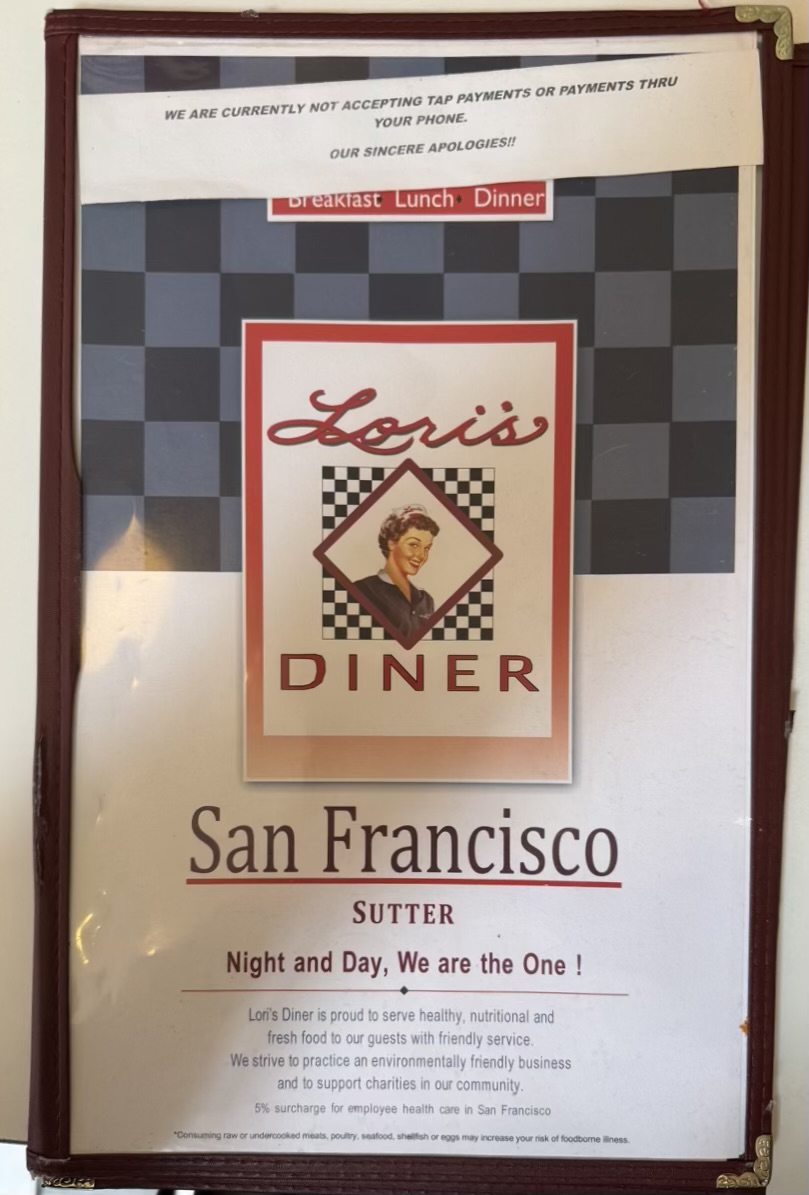
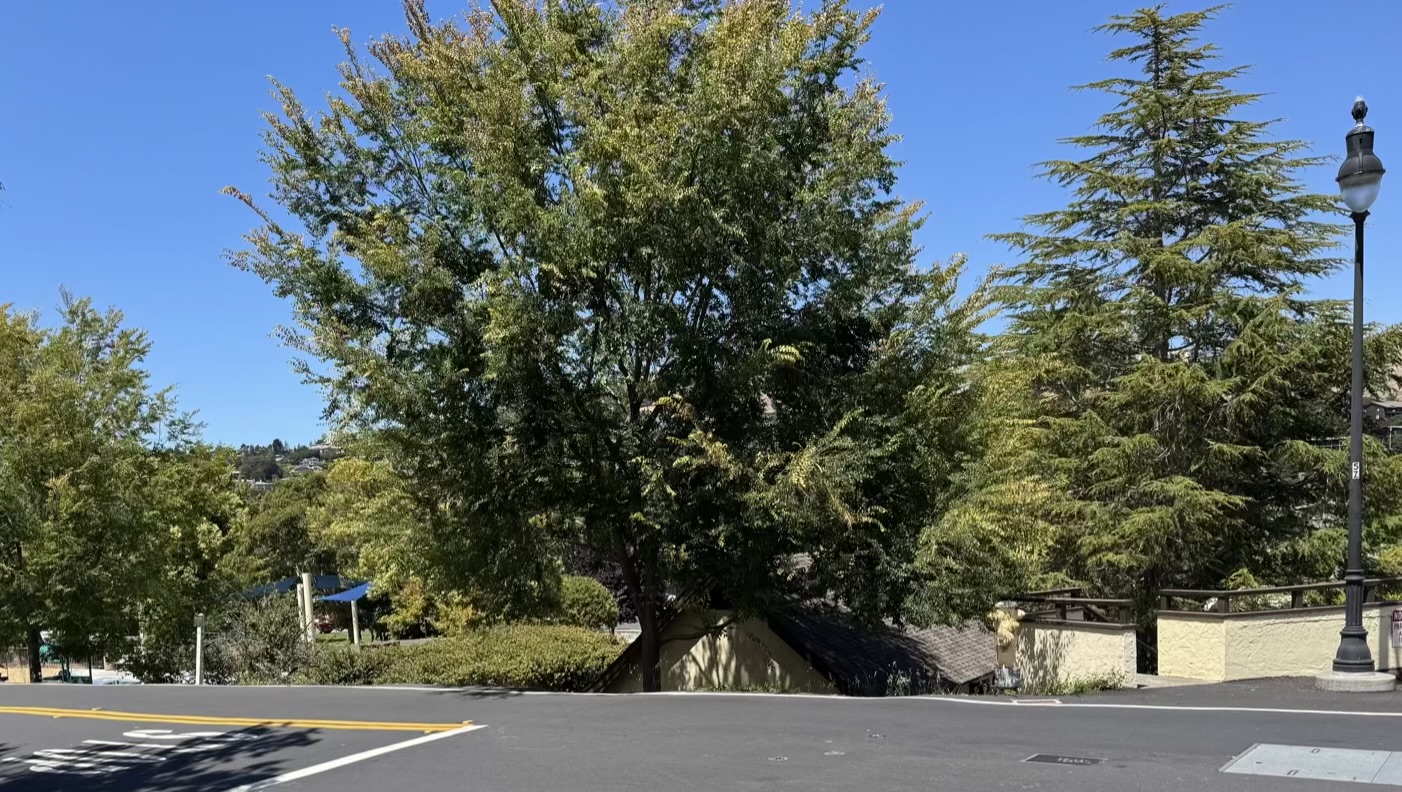
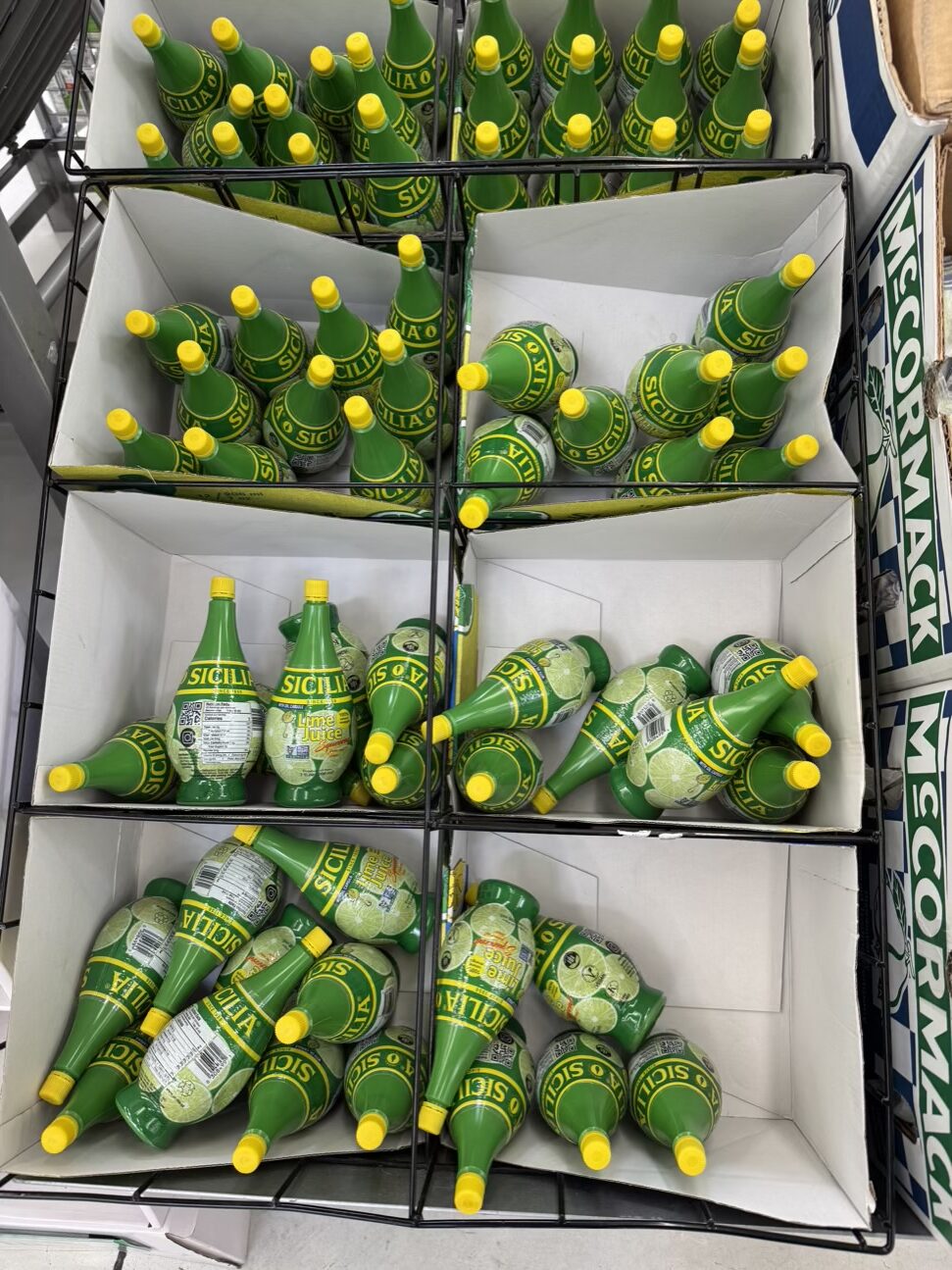
Near Phoenix airport there is this Arizona style pizza place with a South of The Border flavor selection. It was delicious. Try out Mama’s.My favorite kind of breakfast, a quesadilla with guacamole and crema. A good way to start out the day.A meeting place near the EmbarcaderoOld style archtectureSome old buildings remainNot an announcement but some very interesting information about he past came to light. I got this cookie at my favorite chinese restaurant. Did you know this fortune cookie tradition was started by a Japanese restaurant owner in San Francisco for kids many decades ago Mispelled but an interesting way to present ONIGIRIChinese style noodles near my hotelUS style TARDISThey have new owners but a pretty nice diner in the city, retro styleIn the diner my favorite carThis is THE famous Marylin photoOur doctor’s office, Dr. Cook who became the county coroner The former Corner Market where I worked as a delivery and bag boy for the ManteganisThe house my parents built in Tiburon in 1967Part of the view from out house bay windows. We could see the fog rolling in over the Golden Gate bridge and over SausalitoThe bakery was Mr. Taylor’s barber shop where I had one of my first jobs at 9 years old sweeping the floor an shining customers’ shoes.Belvedere where we used to go clamming St. Steven’s where I was an acolyte and was confirmed so I could drink the wine on Sundays Behind the tree is the rest room for he Belvedere park where I almost fell from the roof to a disastrous fate. I grabbed the gutter on the way downOur former house on Bayview Avenue. I talked to the new owners who didn’t even know they had an extended garden area in the back. The plum tree in front has been replaced.Strange offerings near SacramentoCheap alcoholic drinks in round containers. Interesting MarketingLemon juice from sicilyLook at all the bagelsSelf driving taxiNot so much taffic on Market streetFamous clam chowder in Boudin’s sour dough french breadThis is everything I own. Yes, it is all carry on.A Mexican style pizza with lots of jalapeñosMon’s grave.A huge lunchThey look delicious An even huger mealMy preferred breakfast in Maricopa
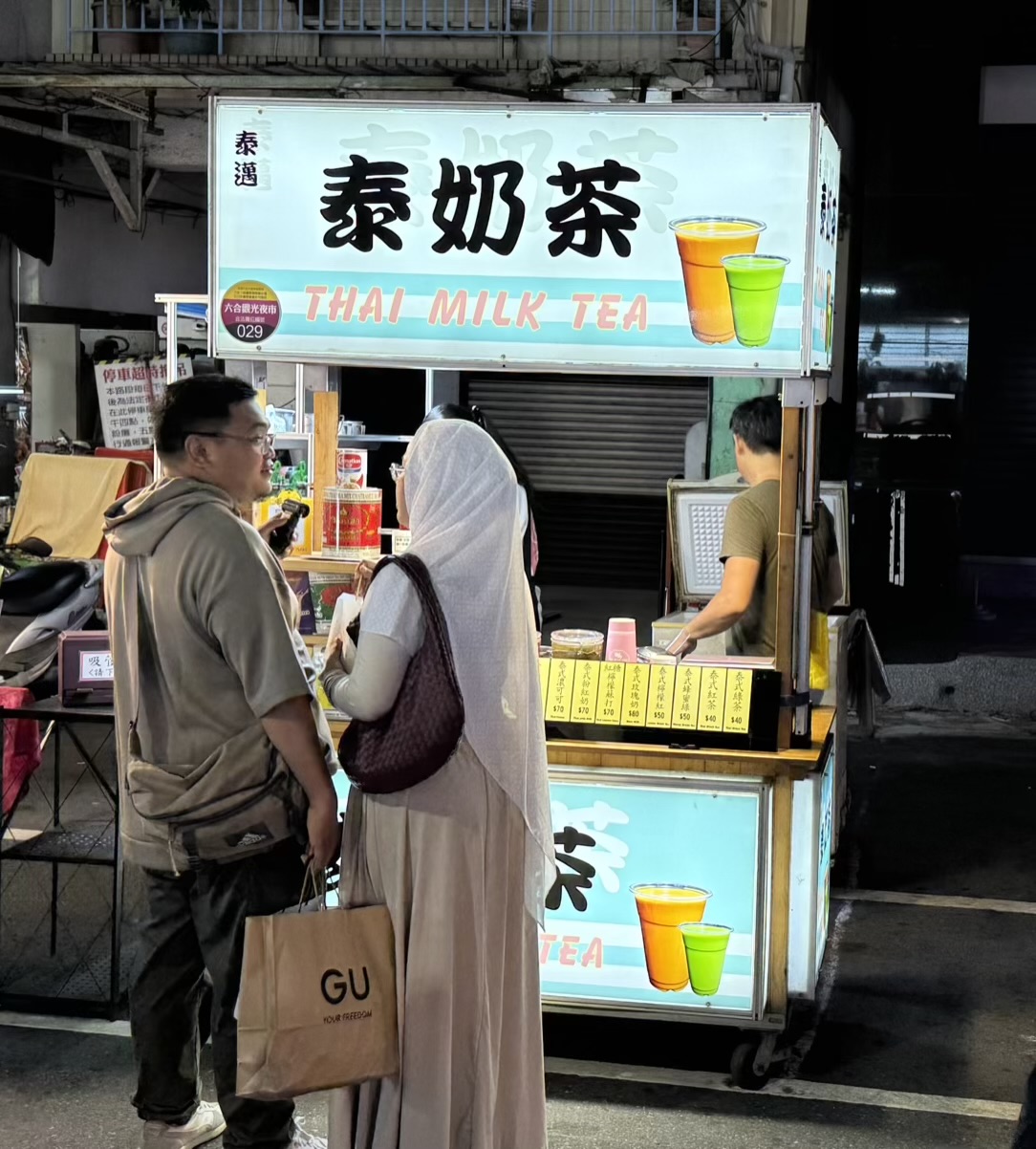
Taiwan is becoming quite a tourist attraction for Asian populations. The one group I saw and heard the most of is from the Philippines. Of course there is somewhat a language barrier for non Taiwanese (one Chinese dialect plus some original indigenous people’s words) but most people I met spoke enough English to assist me or were just kind enough to use gestures and simple words in Chinese to get the message across. My Chinese is limited to food and a few phrases I learned long ago. Looking around town I understand most of the signage with the similarities with Japanese Kanji. This page on Taiwan (link here) will give you more information that might be helpful for visiting.
Taichung is a fairly quiet city and it seems the busy city center has moved away from the train station, to the west, so you might want to concentrate time there.
The old train tracks are a fun place to sit, have a coffee or tea and think about old times, or whatever. You can buy all sorts of things on the old platformHere is one of the older trains for people to view. You can see this generation train still used in Thailand on the very slow route from Bangkok to the Malaysia border.This is the new statioThis restaurant has inexpensive but tasty food variety on a plate. It is a well known with localsA famous Japanese Anime made into a TV series recently. Taiwanese people are crazy about everything Japanese. You probably know Taiwan was a Japanese colony for decades until 1945. However both countries are really the closest of friends.
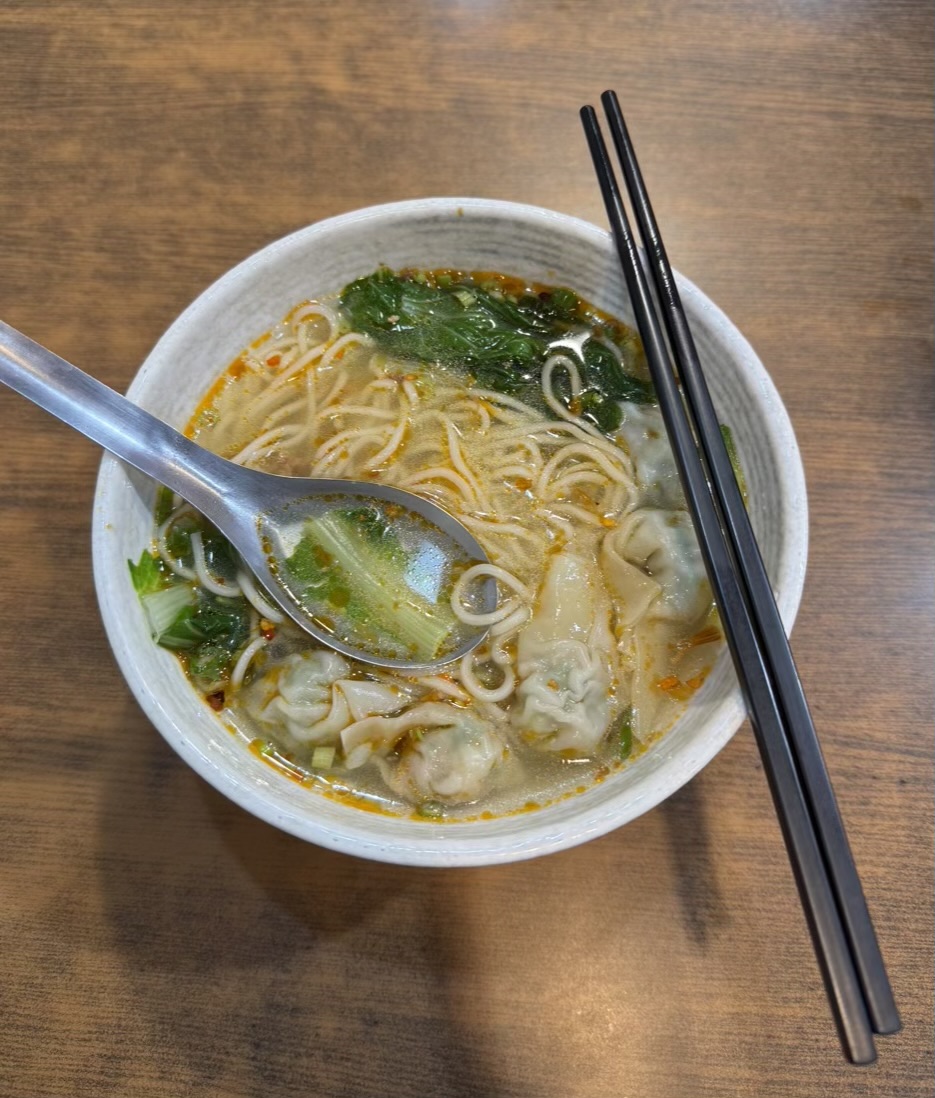
The old train stationDelicious noodles with some WAN TANThis Thai restaurant has some good food. The cabbage order should have been made with NAM PLA (fish sauce) but I asked and they made it the Thai way for me. I think the owners are Vietnamese.Good coffee and excelent Mango cake is in a very hard to find coffee shop which you can find with the reference below.Your seat here is an old elementary school desk. The entrance is through a hall that looks like one for a janitor, then up steps to a locked door you need to knock on for the young lady to let you in. I asked the owner why this kind of setup. She explained the rent was low. An old construction from a past Chinese imperialist occupation.Hot pot with an old friend. It was very popular, not expensive and very fresh and delicious ingredients.
One of my very favorites, a gyoza type fried dumplings with SUI GYOZA. This shop is very popular and very delicious.Sometimes it is a challenge not being deflected to the street to walk around due to the over abundance of motorcycles parked in the way on the walkway. This part was ok.Would you eat at this Sushi restaurant? I waited to get back to Japan.When I was a kid there were very foamy “Ding Dongs”. These are different . Motorcycle parking lot. Reminds me of Vietnam.Taiwan style Italian Pesto Spaghetti with broccoli which was delicious.
A mural at an old shopping streetOld Chuan has a sour attitude but his food is so delicious. This SUI GYOZA was so delicious.This duck restaurant was not with the highest recommendation in Kaoshiung but it was very good. It was 2 dinners and one breakfast in one duck. The rest they did Taiwan style with the rest quick chopped, thrown in a wok and cooked up with spices, pepper and some sauce. The whole duck cost NT$500 ($17). Kids dressed up for an event in the underground metroThe main eventThis night market was huge.Kid’s gamePin ball parlor with old fashioned Japanese PachinkoTaro and Apple pieDeep fried seafoodJapanese style squidMore deep fried seafoodGrilled food on a stickSweet potatoes were easy to grow in your yard and became the sweet delicacy in Japan at the end of WWII since rice was hard to get. It is popular throughout AsiaSUI GYOZA (boiled gyoza)Busy night marketTaiwan style ODEN (boiled food)Fried riceUnlike Thailand, in Taiwan the fresh fruit smoothies are not made with sugar, something I appreciatedLook at all the 7-11sOld style pachinkoAn old temple
When Walking Germany remember to look at everything and investigate interesting shops for some fascinating things for sale. But things to do are to watch and talk to people. You will meet some very interesting people wherever you go in Germany and they might be tourists or migrants.
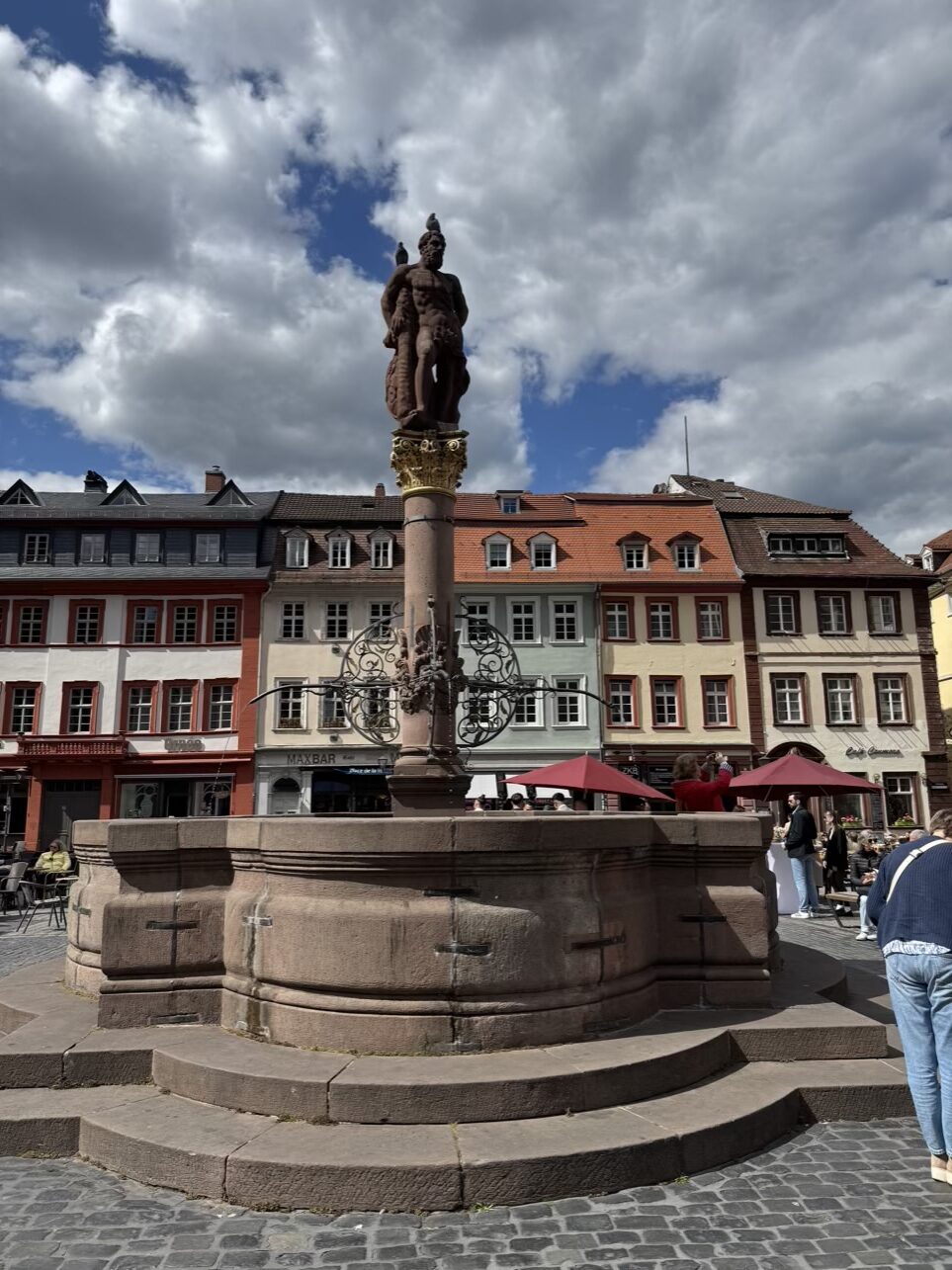
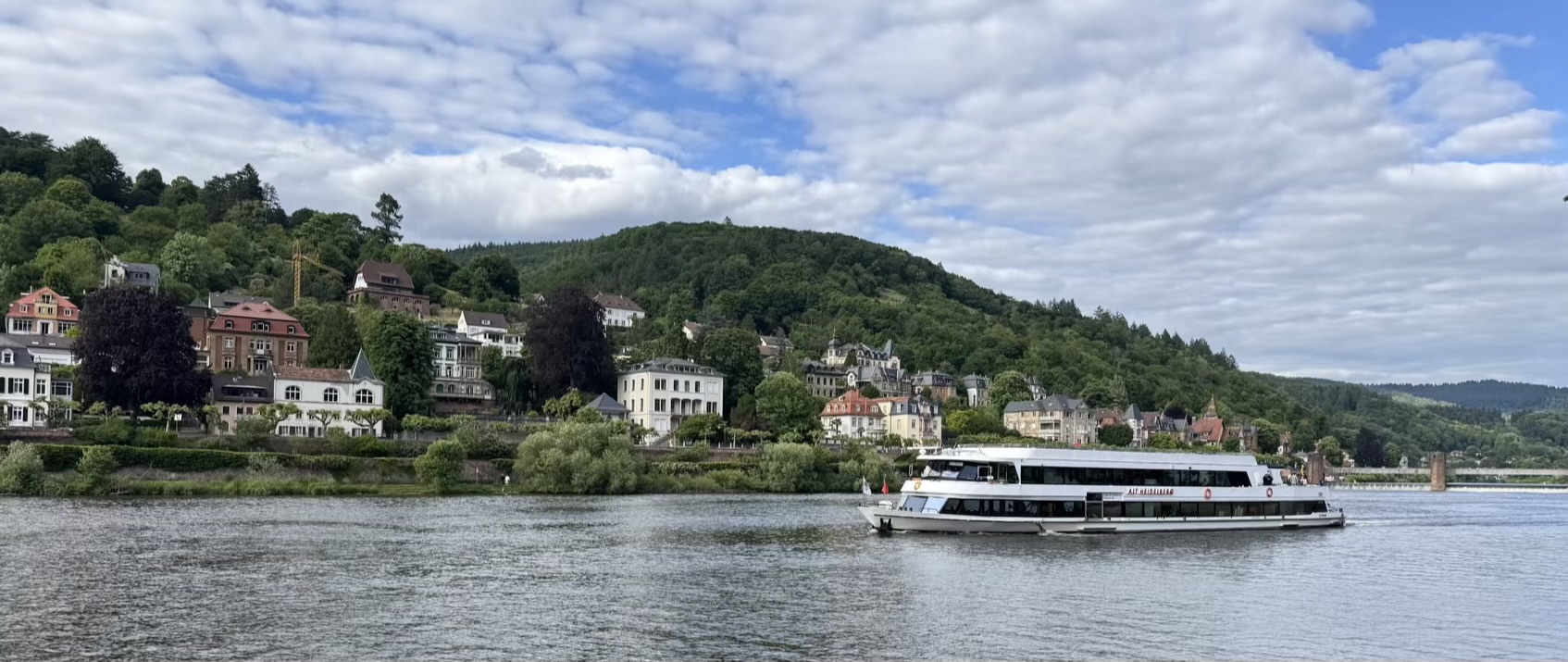
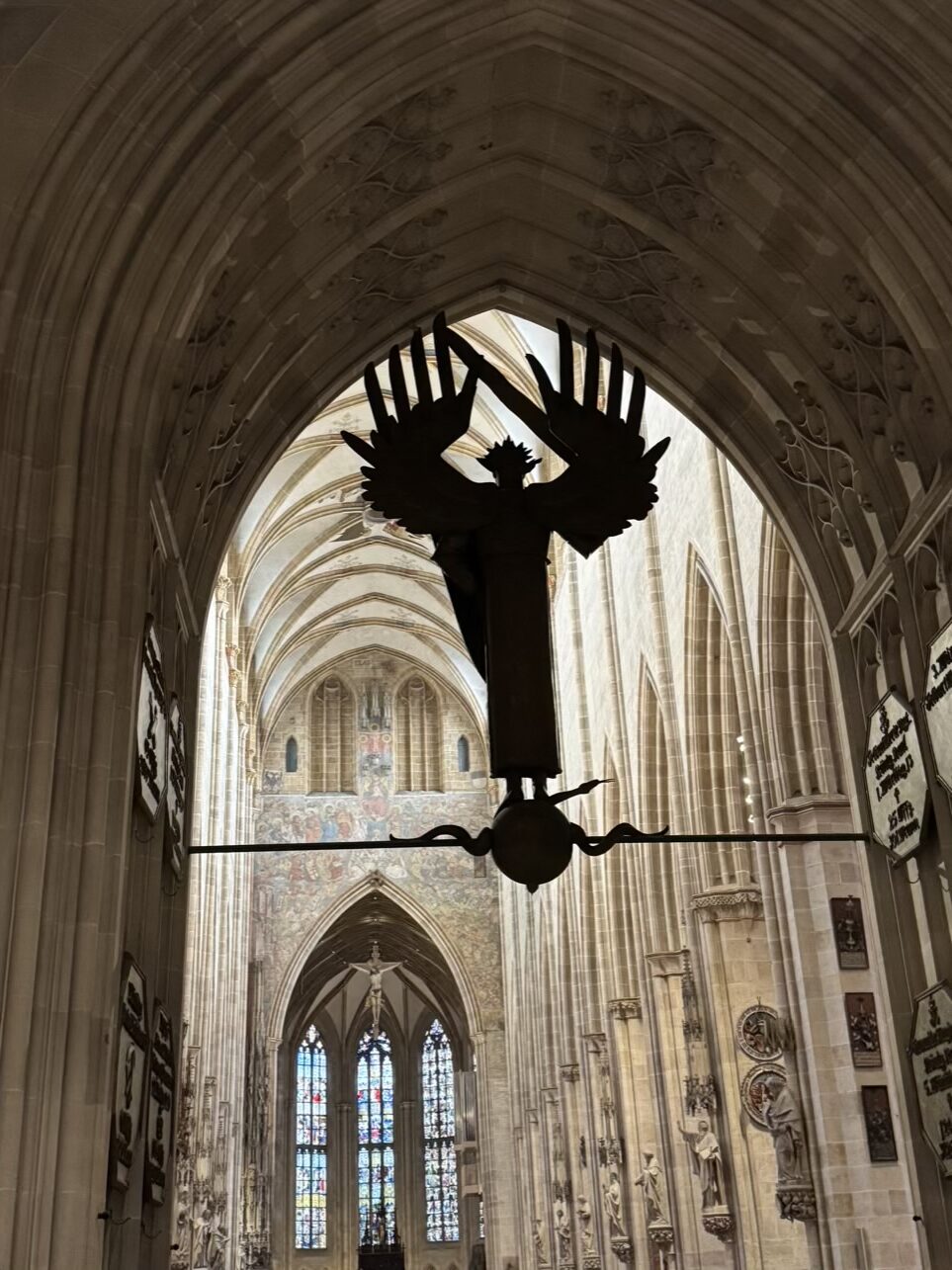
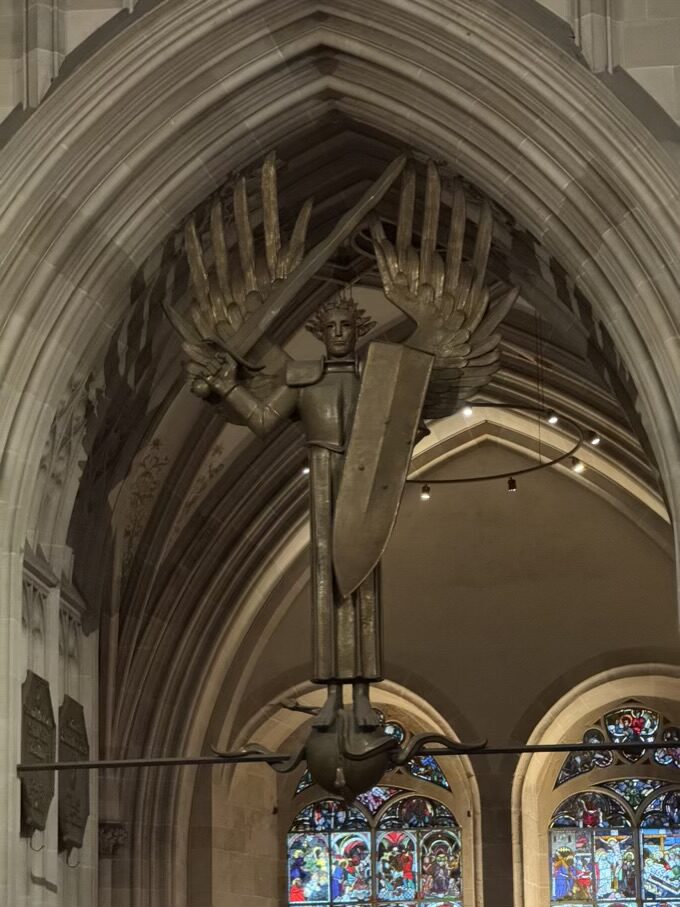
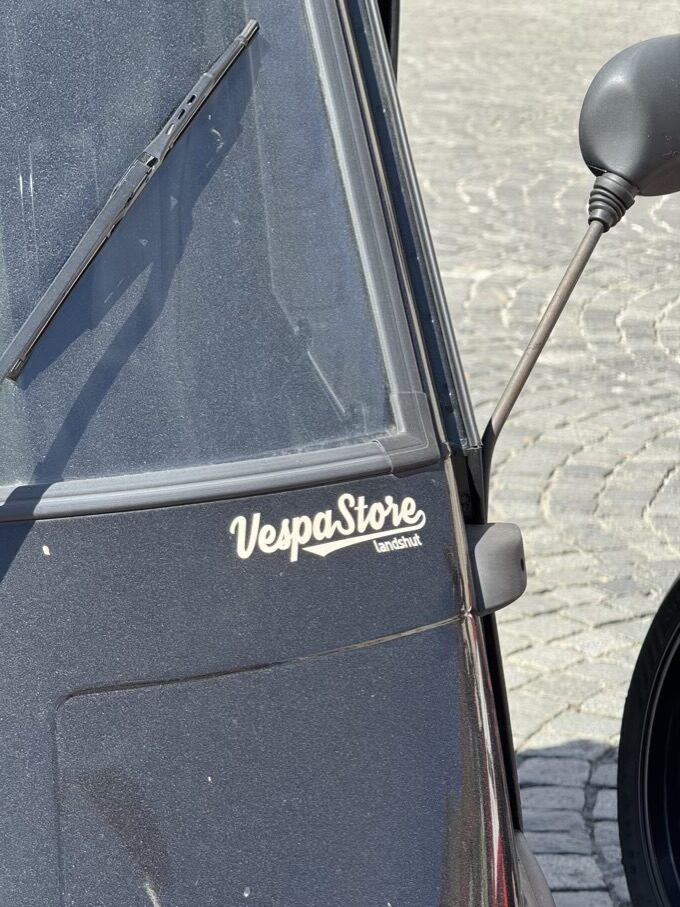
Bill Maher talks about “Insel” a lot. Well I found this advertising for the Dino versionsThis is a very nice wheat beerThe volunteer Heidelberg wandering chorus groupHere they are cheering on some local business.Nice old signA beautiful church insideAn unusual cross displayHeidelberg castle from the plazaDressed like an ancient CeltOld bridgeRelaxing walking areaOld city entrancewaySingers having a beerA river cruiseThis is what kids call a toilet. My favorite cheeseThis could be very scary for a little child going to churchNot quite as scary from the frontAn interesting modern stained glass window Different districts represented with their ancient crestSChurch art unfolding Model of the cathedralThis is everything I gave away after pulling it out out of storage.Another wonderful spaghetti with pepper and oil with pine nutsThese are produced by the Vespaa very tasty pizza in downtown Landshut
I recommend to try Trier Germany for several reasons. You will love some of the old architecture, the location next to the border with Luxembourg and the surrounding beauty. A one or 2 day visit would be sufficient.
What is interesting about Exploring Hsinchu or for Taiwan for that matter? I find food will always by first on my list. The people outside the giant city of Taipei are all living a little slower life and so can spend time being more courteous and polite. The city of Hsinchu was reported by some as a “food desert”. I didn’t find that at all. It is a smaller city than Tainan or Kaohsiung or even Taichung but it has some very good restaurants and plenty of them.
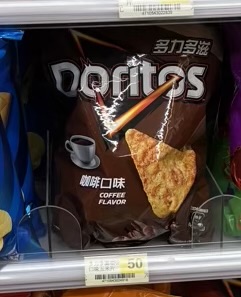
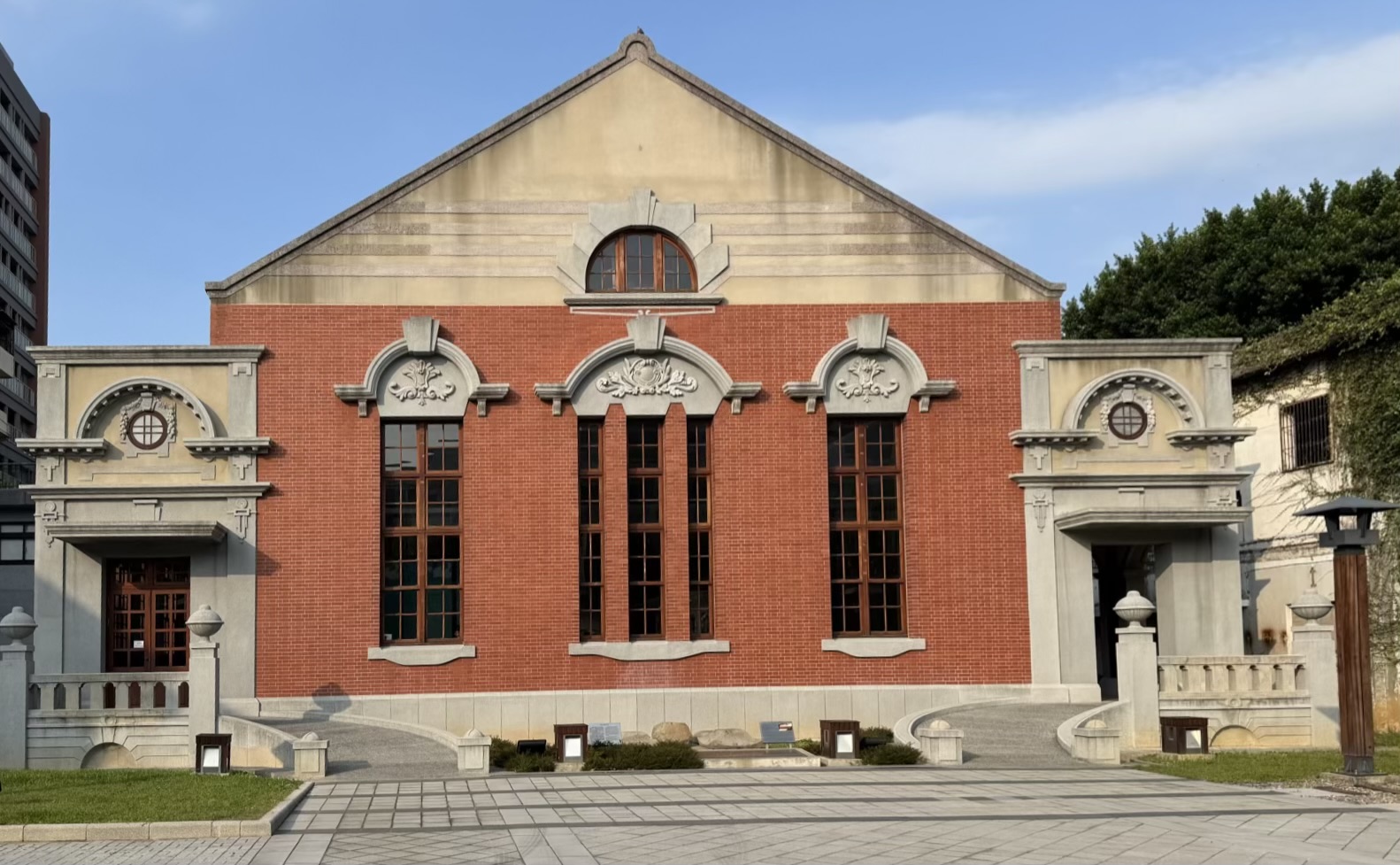
I need to look harder to find the Moto Guzzi here.Duck, slghtly undercooked with rice.Starbucks in the old library, a 1923 designed Japanese colonial building with Frank Lloyd Wright hints. I am thinking they took some design hints from FLW’s Imperial Hotel designed 2 years earlier in TokyoAdapting to local tastes…..but Coffee flavor?The big department store. On the left you see the escalator taking people up to the food court on the 4th floor .Young people gathered outside dancing to an eventA game for parents and kidsDim Sum for kids with cartoon characters inside other charactersNot expensive, about $6.50What I found he 7th floor hadThe city scenery in the backgroundQuake makes a ginseng health drink?Tasty noodlesAnother Japanese colonial style buildingThe train station also left from the occupation
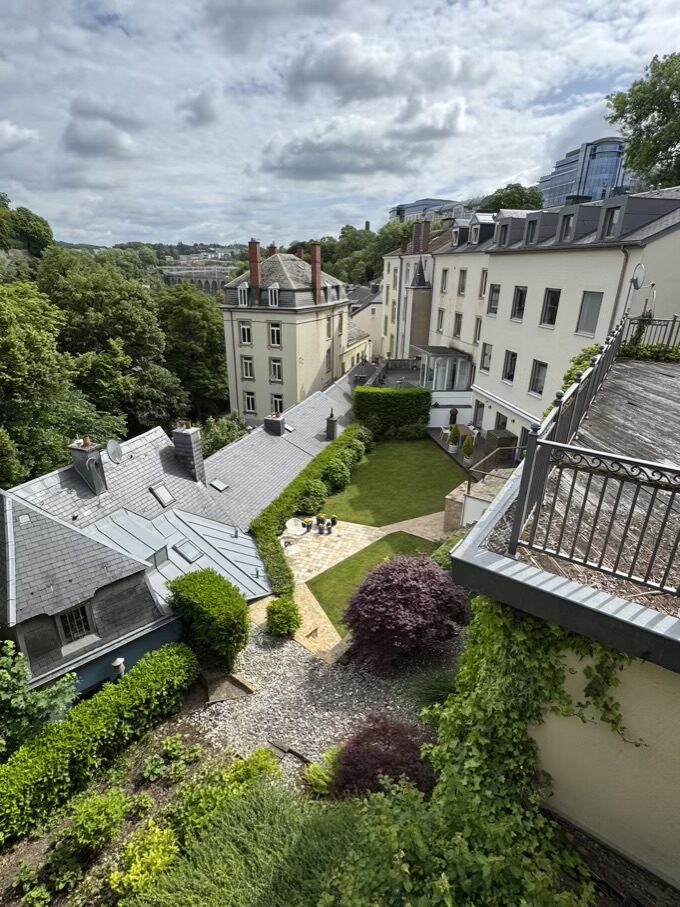
Any Luxembourg Adventure starts with the main city which has free public transport (countrywide) and is also very walkable.
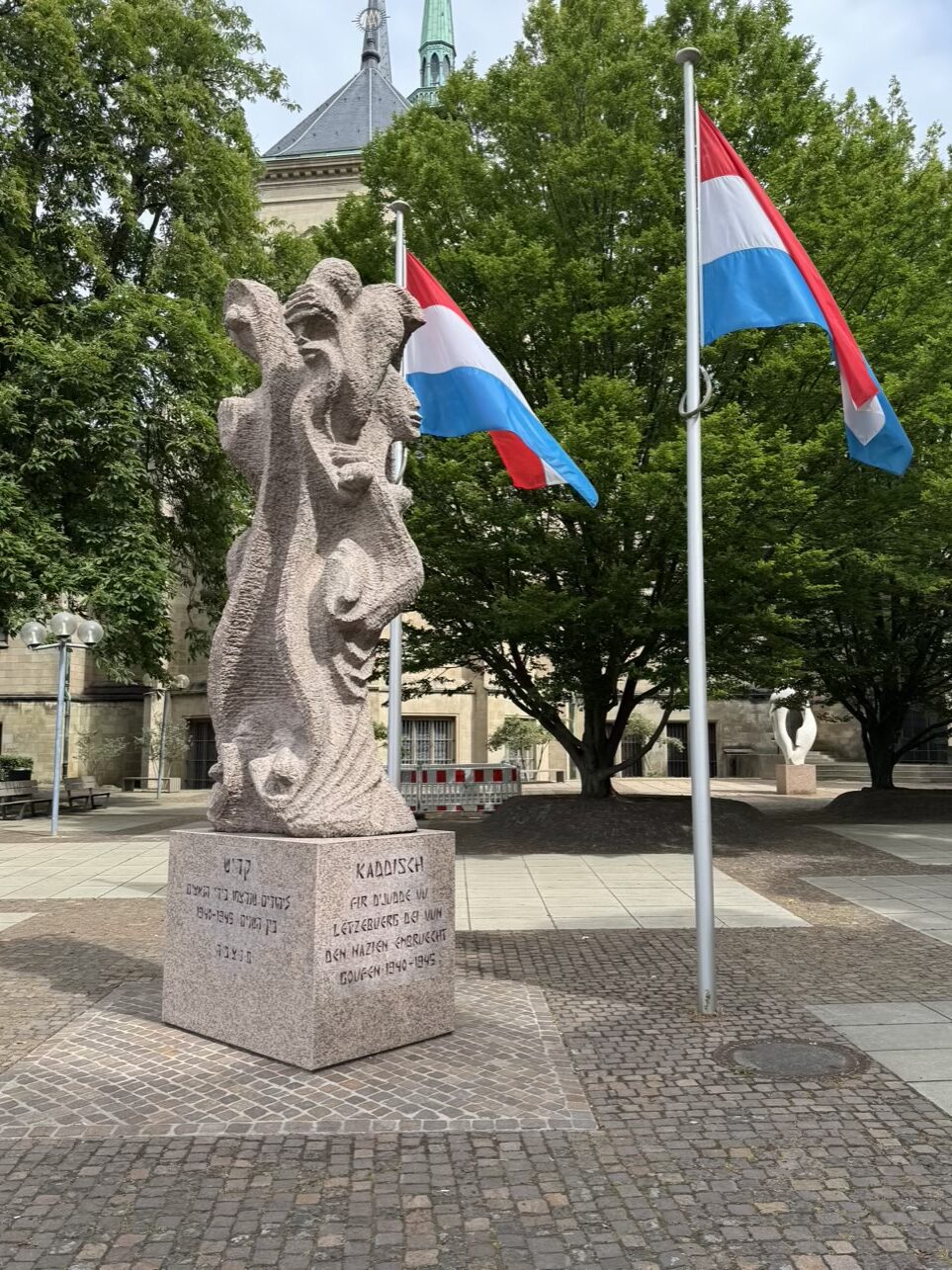
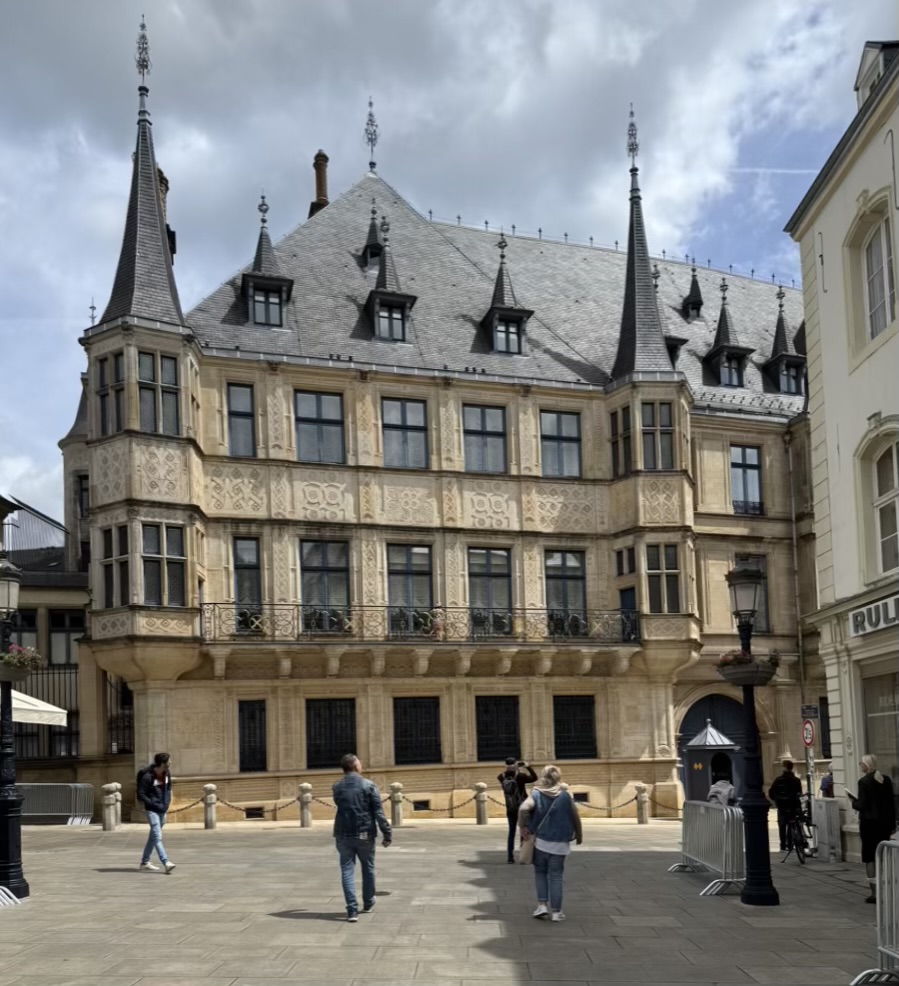
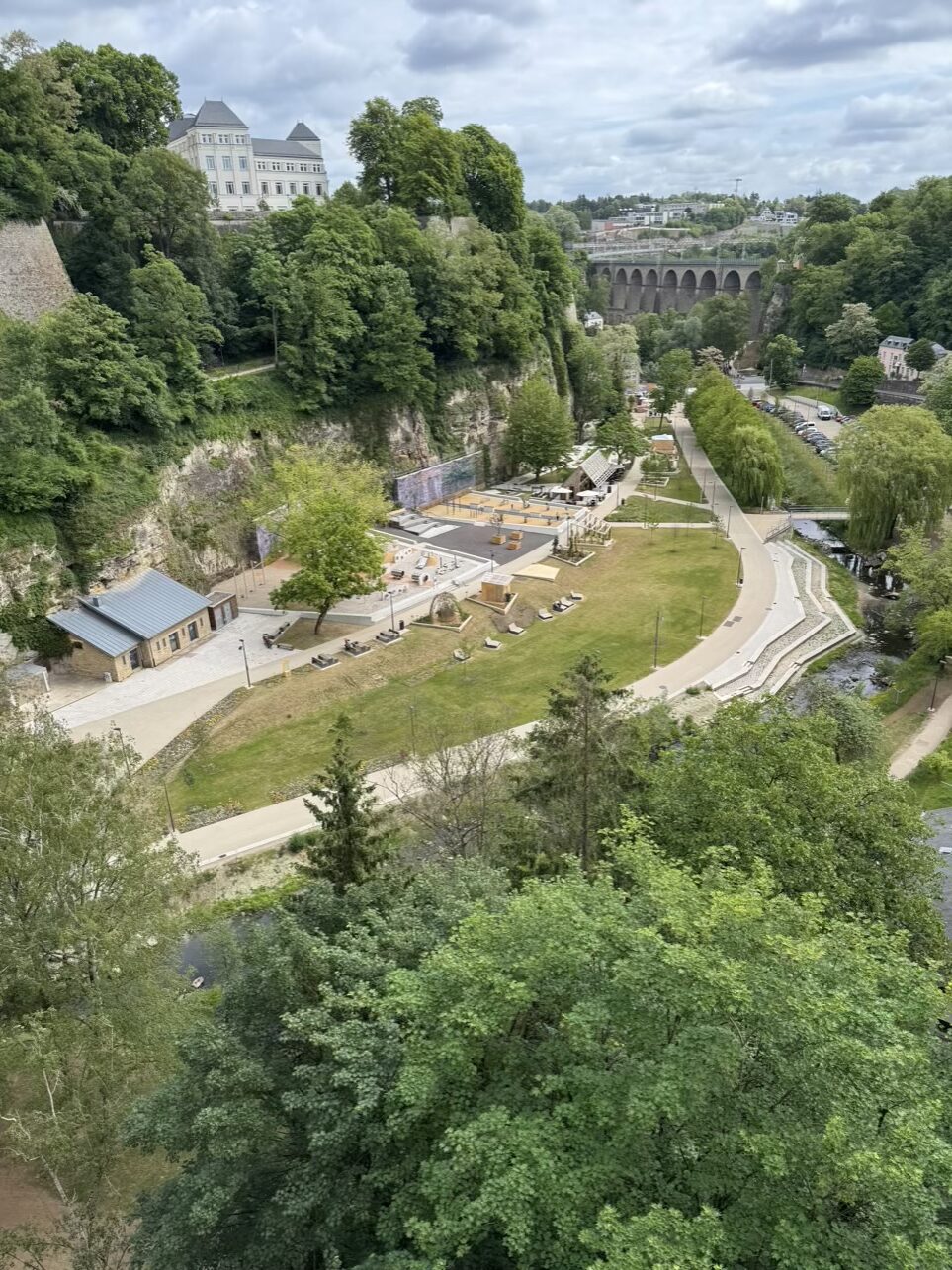
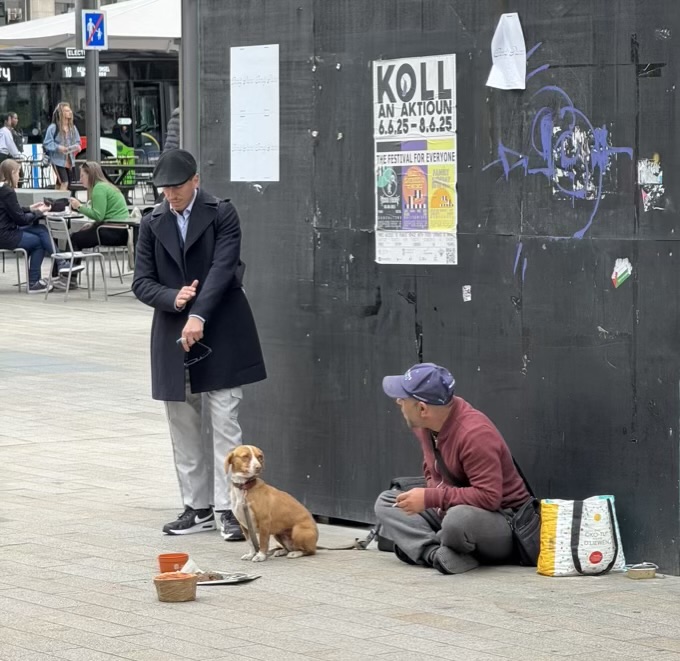
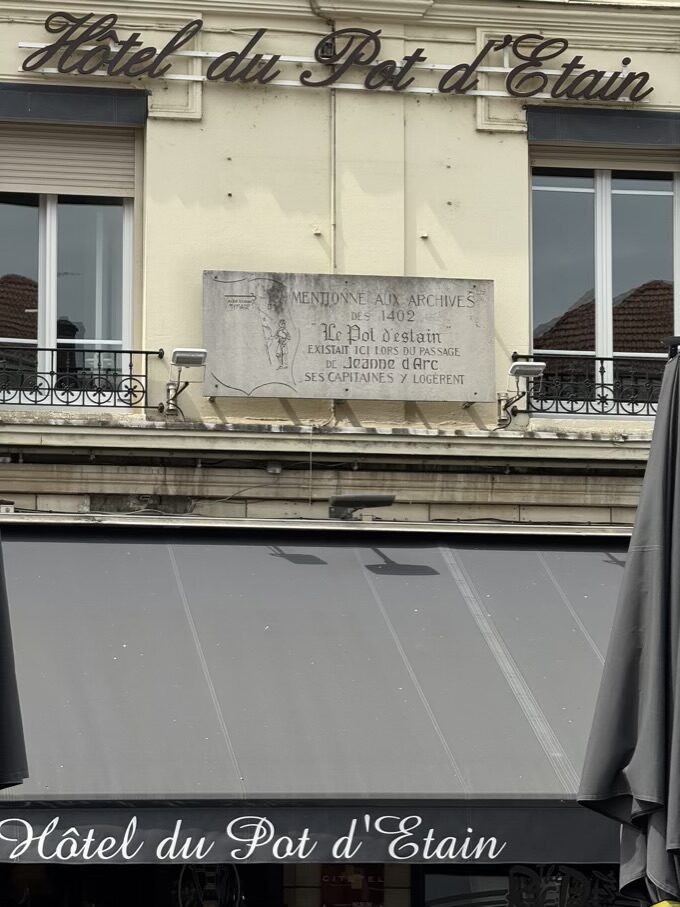
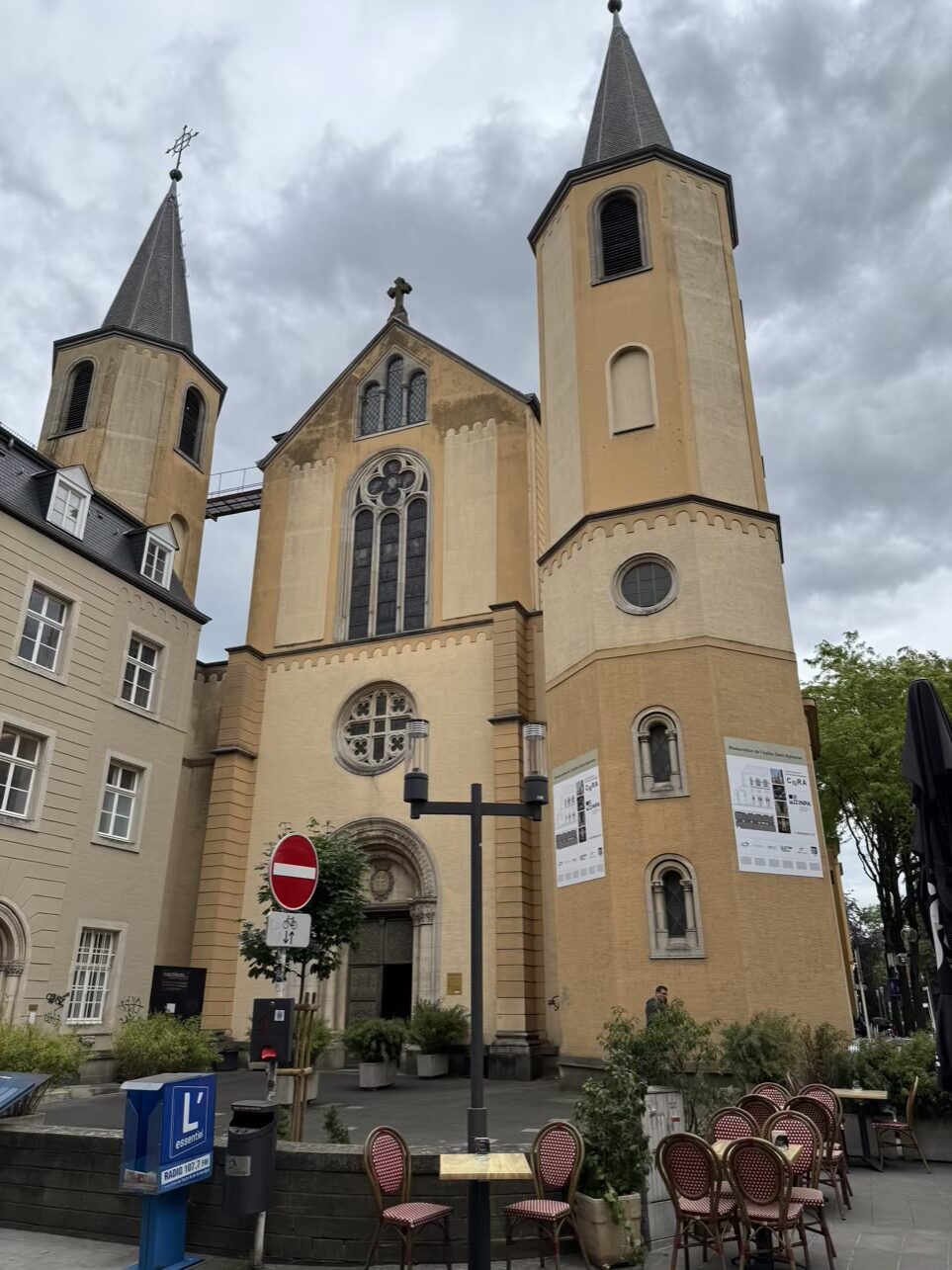
A memorial for the Jewish citizens who lived and perished in this country during the second world war .An interesting statueBeautiful building. This is a government building Statue of the Grand Duchess CharlotteFrom the brdge. Lots of greneryBy the river bank lots of space for people to exercise inWar dead memorialMore views from a bridgeBeggars in Phuket got dogs when they saw how many people crowded around me when I had a cute puppy. Now it is a worldwide thing. Beggars need dogs.Some hotel and archives related to Joan of ArcBeautiful churchChurches bury famous people in the floorsAncient church artworkChurch historyMoving on to Nancy in FranceMain city gateA very interesting cheeseI thought Vienna Coffee was a Japanese invention but that is not the case.One of the Grand Duke’s palacesBeautiful countrysideNice design for a public toilet