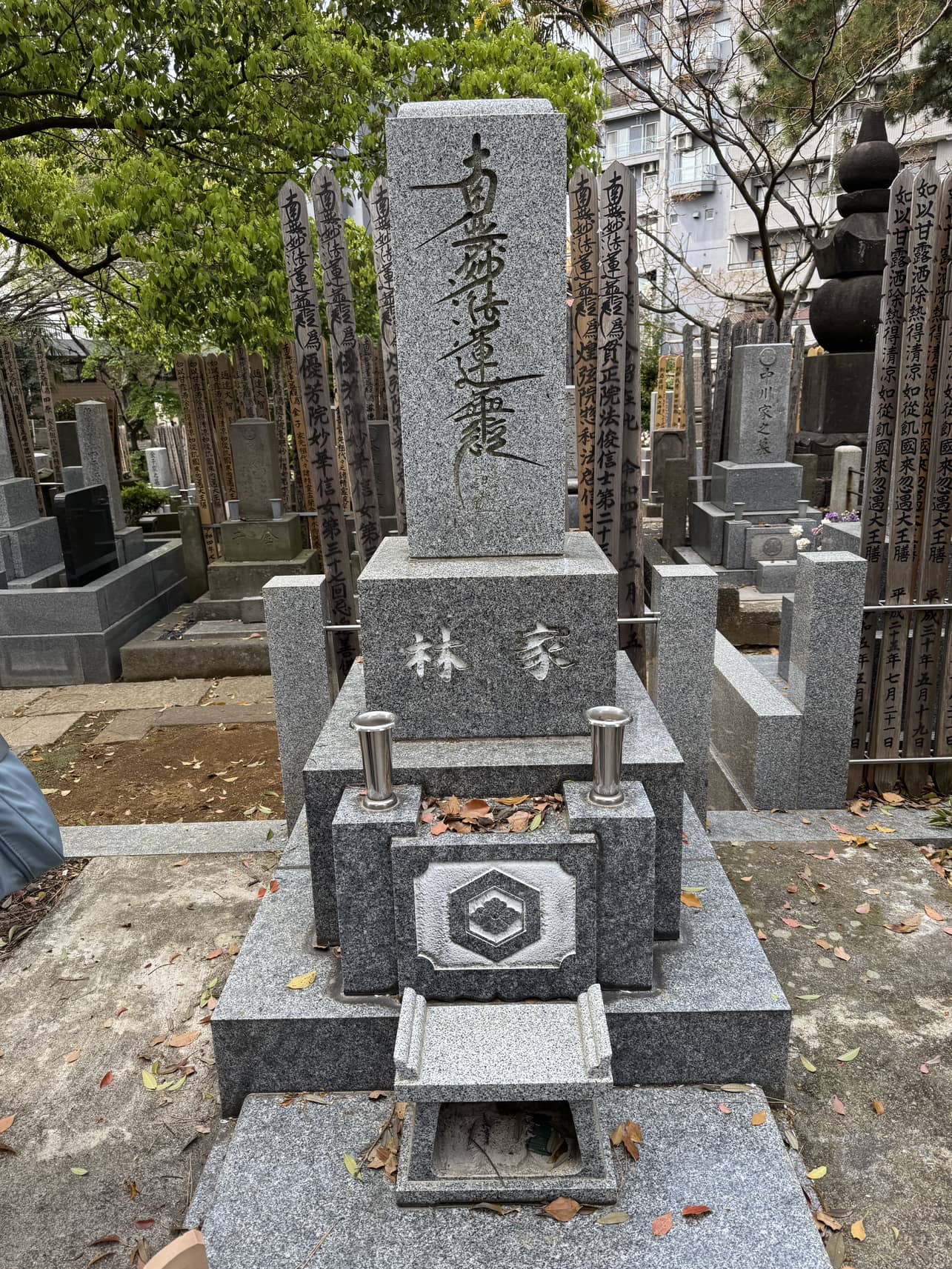
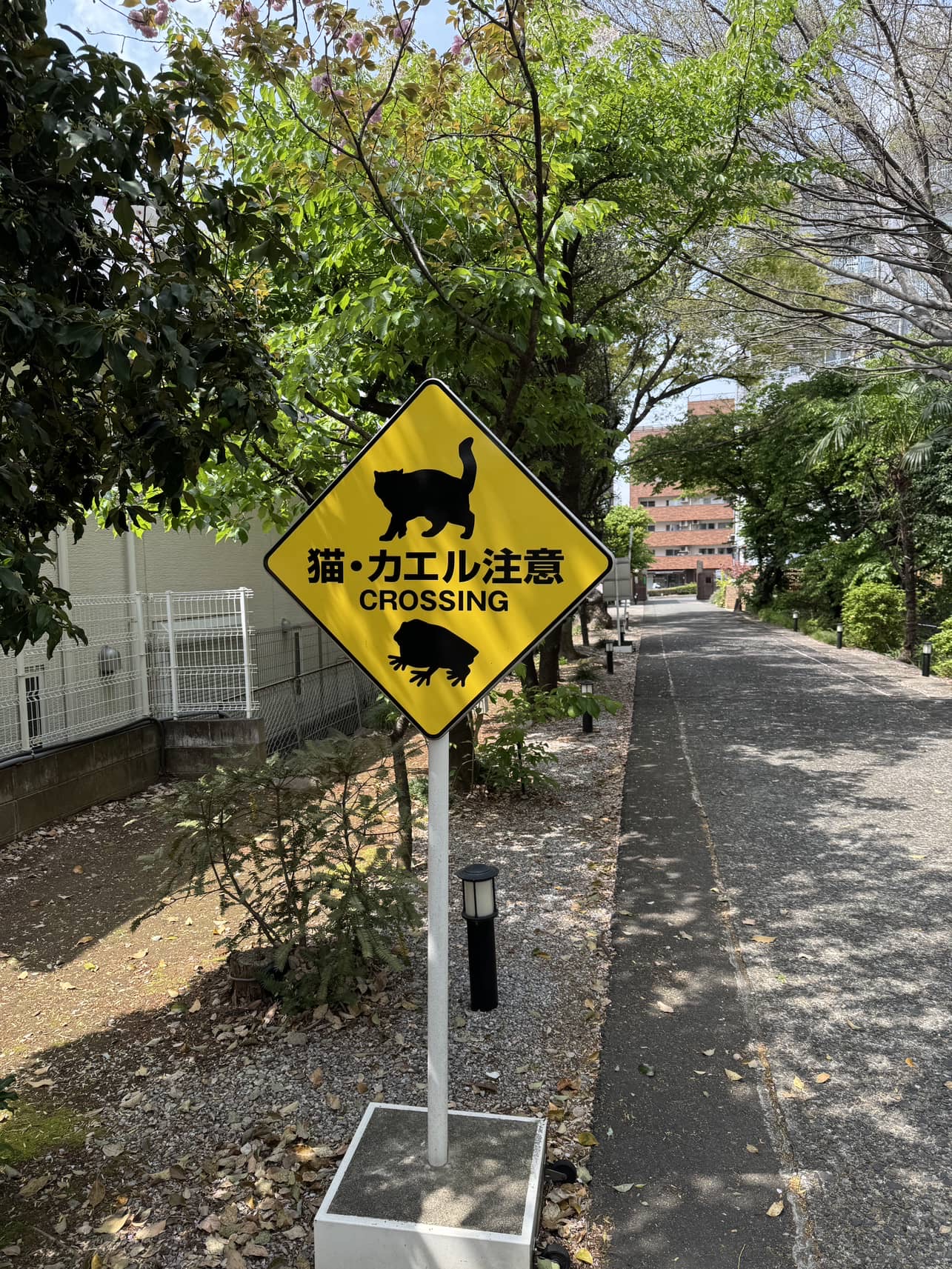
the more you look around, the more you will find interesting any place especially in Japan where so many things are different but you have to be on the lookout.


Click on "Menu" below to search Country or City or to see Country Guide. Tip your phone sideways and you will see all aspects of the site.
the more you look around, the more you will find interesting any place especially in Japan where so many things are different but you have to be on the lookout.
What you will find in beautiful Tottori is a very different environment than other tourist places. If you visit in August the rice is about ready to harvest so there are green fields everywhere there are not step hills or mountains. Mountains are green and quiet places to hike and find small shrines where few visitors arrive. The sand dunes of Tottori are unexplored sites in Japan and the friendliness of rural shop owners is refreshing.


16th Exhibition
Travel around the world in sand :
JAPAN
1.Japanese Mythology – Creation of the World and the Gods Andrius Petkus / Lithuania
Japanese mythology is found in the Kojiki and Nihonshoki, Japan’s oldest historical books which were compiled in the 8th century. It describes the birth of the gods, the establishment of the land, and stories such as the lineage down from the supreme god Amaterasu to the birth of the first Emperor. The upper part of the work is a scene from the myth of the “Creation of the World.” The male and
female deities, Izanagi and Izanami, are stirring the sea. The droplets falling from the tip of their spear turn into salt and accumulate, giving birth to the first island of Japan, Awaj!
Island. In the center of the work is the ancient Izumo Grand Shrine (estimated height of 48 meters), which enshrines Okuninushi, the deity who handed over the land to Amaterasu.
The long staircase that seems to reach to the heavens, expressed using perspective, creates a sense of realism. The right side of the work tells the story of Susanoo’s defeat of Yamata-no-orochi, an eight-headed serpent monster in the Land of Izumo. The strength of Susanoo as he confronts his giant foe is vividly expressed in this work
2. Yayoi Period – Yamataikoku Michela Ciappini / Italy
The Yamataikoku (Yamatai Kingdom) is said to have existed in Japan around the 3rd century. According to the Chinese history book “Wei Zhi” Biography of Japan, Queen Himiko ruled over 30 countries including Yamatalkoku using witchcraft, but she was rarely seen by the people. She also excelled in diplomacy, and sent an envoy to Wei (China), who gave her the title of “King of Wei-Wa”
and 100 bronze mirrors. In the artwork, Himiko is depicted holding a bronze mirror, incorporating the benevolent sun, and overlaying it with the mirror’s design to symbolize authority and dominance. The background features scenes of rice cultivation that began in the Yayoi period and elevated storehouses for rice storage, expressing the prosperous life of the Yamatai Kingdom.
3.Asuka Culture Thomas Koet / USA
Asuka culture, the first Buddhist culture in Japan, developed from the late 6th to the early 7th century. During this period, Japan sent emissaries to Sui China resulting in adoption of advanced systems and culture, and the construction of Buddhist temples, as well as the creation of Buddhist statues and paintings, was also booming.
Horyu-ji Temple, bullt by Prince Shotoku in 607, is a representative
temple of the Asuka culture and is registered as a World Heritage site as the world’s oldest group of wooden buildings. The composition on the right depicts a composition of the viewer standing diagonally in front of the central gate of Horyu-ji Temple, gazing at the five-story pagoda which can be seen through a long corridor expressed in perspective. The left side features the “”Bodhisattva in Half-Lotus Position”” from Chugu-ji Temple. It depicts Maitreya Bodhisattva, with the fingertips of the right hand gently touching the cheek in thought, characterized by a gentle face with a soft smile.
4. Kamakura Shogunate – The Rise of the Rule of the Samurai Slava Borecki / Poland
Minamoto no Yoritomo expanded his power with Kamakura as his base. In 1185, he defeated the Taira clan and gained the imperial court’s approval to establish the positions of shugo (provincial governors) and jito (land stewards), marking the establishment of the Kamakura Shogunate around this time. This gave rise to a samurai-led government, distinct from the aristocrat-centered
imperial court, laying the foundation for Japan’s political system that would continue through the subsequent Muromachi and Edo Shogunates. In the artwork, Yoritomo and his vassals are placed in the foreground, with intricately detailed armor and the bold expressions of the figures being highlights. The background features the white flag of the Minamoto clan, symbolizing “Hachiman Daibosatsu,” the god of war revered by samural, and the “Sasa Rindo” crest of the Minamoto clan. Additionally, a beautiful landscape reminiscent of traditional mountain-and-water paintings is composed.
5.Nara Period – Buddhism Protects the Nation Wang Jiea / China
The Todai-ji Temple’s Rushana Buddha, a World Heritage site affectionately known as the “Great Buddha of Nara,” was constructed in 752 under Emperor Shomu, who was a devout Buddhist and followed the concept of protecting the nation through Buddhism. This project was set against a backdrop of unstable social conditions, including epidemics, famines, and
rebellions. It is said that an imperial edict for the construction of the Great Buddha mobilized half of the population at the time, and it took about 10 years to complete the approximately 15-meter-tall statue. In this piece, the surface of the sand sculpture is carefully smoothed to also convey the texture of metal. To the left, incense is carved, with the rising smoke eventually forming the shape of clouds that lead to the Pure Land paradise. Additionally, the “inzou” (hand pose) of Rushanabutsu’s right hand means “to remove fear and anxiety,” while the inzou of his left hand means “to fuffill earnest requests.”
6.Mongol Invasions
Oscar Rodriguez / Spain
In the latter half of the Kamakura period, Japan faced a crisis of potential invasion. This came from the Mongol Empire (Yuan), which sought to extend its dominion across the entire Eurasian continent, launching an attack on norther Kyushu with a massive naval force.
During the first invasion in 1274, the Yuan army landed in the western part of Hakata Bay, using explosive “tetsuhau” bombs
powered by gunpowder, which put the shogunate forces at a disadvantage. However, the Yuan withdrew by the next morning, prompting the shogunate to prepare for a second invasion by constructing an enormous defensive wall stretching about 20 kilometers along the Hakata Bay coast. In the second invasion of 1281, the Yuan army was unable to land due to the defensive wall, and their fleet was devastated by a violent storm. In the artwork, the storm, famously called the “divine wind” (kamikaze), is depicted with dramatic intensity, contrasting the Yuan army swallowed by raging waves with the shogunate forces protected by the divine wind, separated by the defensive wall.
7. Nanban Trade -Introduction of Christianity and Firearms lya Filimontsev / Russia
In the midst the Age of Exploration, as Portugal expanded into Asia, Portuguese sailors drifted ashore on Tanegashima Island in 1543, Introducing firearms to Japan. This event sparked the beginning of Nanban trade, through which Japan imported firearms, gunpowder, and Chinese raw silk, while exporting silver, swords, and other goods. In 1549, the missionary Francis Xavier
arrived in Kagoshima aboard a trading ship and, under the protection of daimy who supported Nanban trade, began spreading Christianity. The unparalleled destructive power of firearms and the influence of Nanban culture, including Christianity, impacted the tactics and politics of Sengoku-period daimyo. In the artwork, the right side depicts merchants and bodyguards negotiating over firearms with Nanban traders, while the left side portrays a missionary preaching and a Christian daimyo. The detailed sculpting of the background, including trading ships and port scenery, as well as the expressions and adorments of the figures, are notable highlights.
8.Sengoku Period
Dmitrii Klimenko / Russia
During the Sengoku period, as the power of the Muromachi Shogunate waned and warring daimyo vied for supremacy, Oda Nobunaga sought to end the chaos of the era and establish a new nation, a unified Japan, through his own strength. He demonstrated his prowess by employing tactics that utilized firearms, the acceptance of Christianity, and promoting policies like
rakuichi-rakuza (free markets/unregulated guilds) to foster commercial development.
However, in 1582, just as unification was within reach, his life came to an end due to the betrayal of Akechi Mitsuhide in the Honno-ji Incident. In this sculpture, Nobunaga is surrounded by flatly sculpted vassals amidst the flames consuming Honno-ji. Their expressions are uniformly stern; on the left, Mitsuhide is depicted poised to strike Nobunaga, while on the right, Shibata Katsule glares at Mitsuhide, raising his sword.
9. The Phoenix Hall of Byodö-in Enguerrand David / Belgium
During the Heian period, Fujiwara no Yorimichi, the regent of the time, founded Byodo-in Temple in Kyoto in 1052. The main hall, with its elegant, symmetrical design reminiscent of a phoenix spreading its wings wide, is called the “Phoenix Hail” (Hooh-do). It embodies the Heian aristocracy’s vision of the Pure Land zu paradise. In the artwork, the seated Amida Nyorai (Amitabha
Buddha) statue inside the hall is meticulously recreated, showcasing the artist’s extraordinary skill of sand sculpture. The image of the Phoenix Hall appearing to float on the water’s surface is also striking. Surrounding that scene is another Heian-period national treasure, the “Choju Jinbutsu Giga” (Scrolls of Frolicking Animals). This masterpiece humorously depicts anthropomorphized animals like rabbits and frogs. In the sand sculpture, the ink lines of the picture scroll are crafted into a relief, bringing the figures to life in a vivid, three-dimensional form.
10. Landscapes of Japan – World Heritage Sites Leonardo Ugolini / Italy
Mount Fuji, a majestic and mystical natural masterpiece, has long been revered as a sacred site and “the wellspring of beauty” that nurtured artistic culture, such as ukiyo-e prints. It was designated a World Heritage site in 2013. To the left stands Himeji Castle, a national treasure and Japan’s first World Heritage site, recognized in 1993. Known also as Shirasagi-jo (White Heron Castle), its
imposing main keep is faithfully recreated. To the right is Kyomizu-dera Temple, founded about 1,250 years ago. The main hall and three-story pagoda, rebuilt during the Edo penod, are iconic symbols of ancient Kyoto. The artwork harmoniously blends these three World Heritage sites from different eras and locations, symbolically expressing the Japanese sense of beauty. Spanning a massive 20-meter-wide canvas, it employs sand sculpture techniques such as architectural perspective and the use of negative space in the background. Intricate details like tiled roofs, stone walls, and the famous “Kiyomizu Stage” are highlights of the piece.
11.Edo Period: Bakuhan System, The Shogun, and Townspeople Culture Melineige Beauregard / Canada
David Ducharme / Canada
Susanne Ruseler / Netherlands
The Edo period followed an era of warfare, bringing about a time of peace under the rule of the Tokugawa shogunate that lasted approximately 260 years. This work portrays that era of tranquility through three distinct scenes.
The central piece features portraits of successive shoguns, with Tokugawa leyasu, the founder of the shogunate, at the top center. Highlights include the dignified depictions of key figures: the second shogun Hidetada in armor, symbolizing the shogunate’ s authority; the third shogun lemitsu in traditional court robes, who established systems like the policy of national seclusion; the fifth shogun Tsunayoshi, known for the “Edicts on Compassion for Living Things;* the eighth shogun Yoshimune, hailed as the
“restorer of the shogunate” and a wise ruler; and the fifteenth and final shogun Yoshinobu, dressed in Western attire, who oversaw the retum of political power to the emperor. The commanding presence of these figures is a focal point.
To the right is the “Sankin-kotal” system, initiated by the third shogun lemitsu. This policy required feudal lords (daimyo) to alternate their residence between their domains and Edo every other year, reinforcing the shogunate’s authority and nationwide control. The artwork captures the moment when a daimyo procession arrives at Nihonbashi in Edo. By sculpting numerous figures in layered depth from background to foreground, it conveys the dynamism and grandeur of the group.
The Edo period also saw the flourishing of vibrant arts supported by merchants and common townspeople. The piece on the right brings to life a three-dimensional rendition of the Nihonbashi and Suruga-cho landscape as depicted in ukiyo-e prints.
The scene features the kimono shop Mitsui Echigoya (later Mitsukoshi) lining both sides of the street, and it feels as though you can hear the hustle and bustle of merchants carrying large loads and maidservants in the background.
12.Arrival of Black Ships and Opening of the County Marielle Heessels / Netherlands
In 1853, near the end of the Edo period, Commodore Matthew Perry, commander of the American East India Squadron, arrived off the coast of Uraga in Kanagawa Prefecture with four warships.
After more than 200 years of Japan’s isolationist policy, he forcefully demanded the country open its ports, leading to the signing of the unequal Treaty of Peace and Amity between the
United States and Japan the following year. This event marked the beginning of a significant shift toward the end of the shogunate and the Melji Restoration. In the artwork, Perry’s portrait is sculpted with a dignified and commanding expression, rendered in realistic detail. In the background stands a steamship, the first of its kind witnessed by the Japanese people at the time. Three small Japanese boats accentuate its immense size and presence, hinting at both the astonishment and threat felt by the Japanese regarding the West.
13.Natural Surroundings of Japan Eda Kaytan / Turkey
The Japanese archipelago is long and narrow, measuring approximately 3,000 km from north to south. Its climate ranges from subarctic in the north to subtropical in the south, fostering a rich ecosystem due to this unique environment.In this work, a variety of animals native to Japan are charmingly sculpted, focusing on endemic species such as the Japanese serow
inhabiting mountainous regions, the Yanbaru rail found in parts of Okinawa, the giant salamander (one of the world’s largest amphibians), and the Japanese river otter, which went extinct in 2012. Endangered species like the crested ibis (known scientifically as “Nipponia Nippon”) and the Asiatic black bear are also featured, alongside more common animals of the rural satoyama landscapes, such as deer, tanuki (raccoon dogs), and wild boars, showcasing Japan’s diverse wildlife.
14.Art of Japan – Ukiyo-e
Guy Olivier Deveau / Canada
“Ukiyo-e,” a quintessential representation of Japanese art, emerged during the Edo period as a popular art form that evolved from hand-painted works to woodblock prints, earning high acclaim in the West as well. Its appeal lies in its diverse motifs – such as actor portraits and landscapes- along with bold stylization and striking design. Renowned artists like Sharaku, Utamaro, Hokusai, and
Kuniyoshi became celebrated figures of the era. This work features meticulously sculpted renditions in the foreground, including Sharaku’ s “The Actor Otani Oniji Ill as Yakko Edobei,” Utamaro’ s “Three Beauties,” and pieces by Hiroshige and others. The dynamic energy of Hokusai’ s “The Great Wave off Kanagawa” from his “Thirty-Six Views of Mount Fuji” resonates with the towering waves of the sand sculpture “Mongol invasions” to the left, creating a powerful and immersive exhibition space.
15. Literature of Japan – The Dawn of Women’s Literature Kei Hirooka / Japan
During the mid-Heian period, Japan gave birth to a distinctive culture known as “Kokufu Bunka” (National Culture). Among its developments was the creation of kana script, a simplified form of Chinese characters (kanji). While kanji was primarily used by a select group of aristocratic men, kana script was predominantly employed by women. The advent of this simpler writing system
paved the way for greater freedom of expression, leading to the flourishing of Heian women’s literature. This was spearheaded by cultured and intellectual court ladies (high-ranking female officials), such as Murasaki Shikibu, Sel Shonagon, and Izumi Shikibu. In the artwork, Murasaki Shikibu, the author of “The Tale of Genji” — regarded as the world’s oldest full-length novel-is delicately and gracefully depicted in a twelve-layered robe (junihitoe). The background portrays court ladies engaging in a playful competition to judge the merits of their poetry.
16.Meiji Restoration and Westernization
Jill Harris / USA
The Meiji government promoted Westernization policies to demonstrate Japan’s modernization to European nations. This led to significant changes in lifestyle and infrastructure, including the construction of brick buildings, the installation of streetlights, the opening of railways, and the establishment of a postal system.
Political and social venues like the Rokumeikan were also created
to entertain state guests and foreign diplomats. The artwork depicts a glamorous scene of aristocrats dressed in elegant Western attire, enjoying chamber music at a ballroom dance. The view from the balcony reveals a cluster of government-operated factories, symbolizing the era’s atmosphere as Japan pioneered an industrial revolution in Asia and surged toward the policy of “Fukoku Kyohei” (Enrich the Country, Strengthen the Military).
17. World War Il and Rapid Economic Growth
Martijn Rijerse / Netherlands
The year 2025 marks the 80th anniversary of the end of World War II. After achieving postwar recovery, Japan experienced a period of rapid economic growth that began in the mid-1950s and lasted for nearly 20 years, and has continued to develop to the present day. The sand sculpture depicts two contrasting eras: “Postwar Hiroshima” and “Contemporary Tokyo.” Against
the backdrop of a scorched landscape with the iconic Atomic Bomb Dome, the figures of citizens who supported Hiroshima’s reconstruction are depicted. The smoke from Hiroshima rises into the sky, forming clouds, while the rubble transforms into a metropolitan scene featuring landmarks like Tokyo Skytree and the Tokyo Metropolitan Goverment Building. At the far right, children visiting from a distant era gaze toward the future, contemplating what lies ahead.
18.Pop Culture of Japan Nozomu Daikuzono / Japan
The “Kawaii” culture, which has attracted global attention, may trace its origins to the things Japanese people have cherished in daily life since ancient times. The “Maneki-neko” (beckoning cat) became popular during the Edo period as a good-luck charm to bring in many customers and a prosperous business. In moder times, it has transcended that role, evolving into a character-driven
aspect of Japanese culture shared with the world. The sand sculpture expresses the adorable charm of a diverse array of Maneki-neko figures.
19. Traditional Culture of Japan – The Noh Play Nozomu Daikuzono / Japan
Established in the 14th century, Noh theater evolved as a performing art combining dance, chanting, and musical accompaniment. Once patronized by the warrior class, including Toyotomi Hideyoshi, it is now preserved as an Important Intangible Cultural Heritage in modern times. The artwork depicts a famous scene from the Noh play “Hagoromo,” where a
celestial maiden, having dropped her feathered robe to the earth, dances with ethereal grace. The spiral structure in the background embodies the maiden’ s gestures and the imagery of her ascent to the heavens, while also reminding the viewer of the fragility of the sand sculpture material. The detailed and realistic sculpting of the musicians’ flute and drum, the Noh stage, and props brings the theatrical space to life, creating a vivid sense of realism.
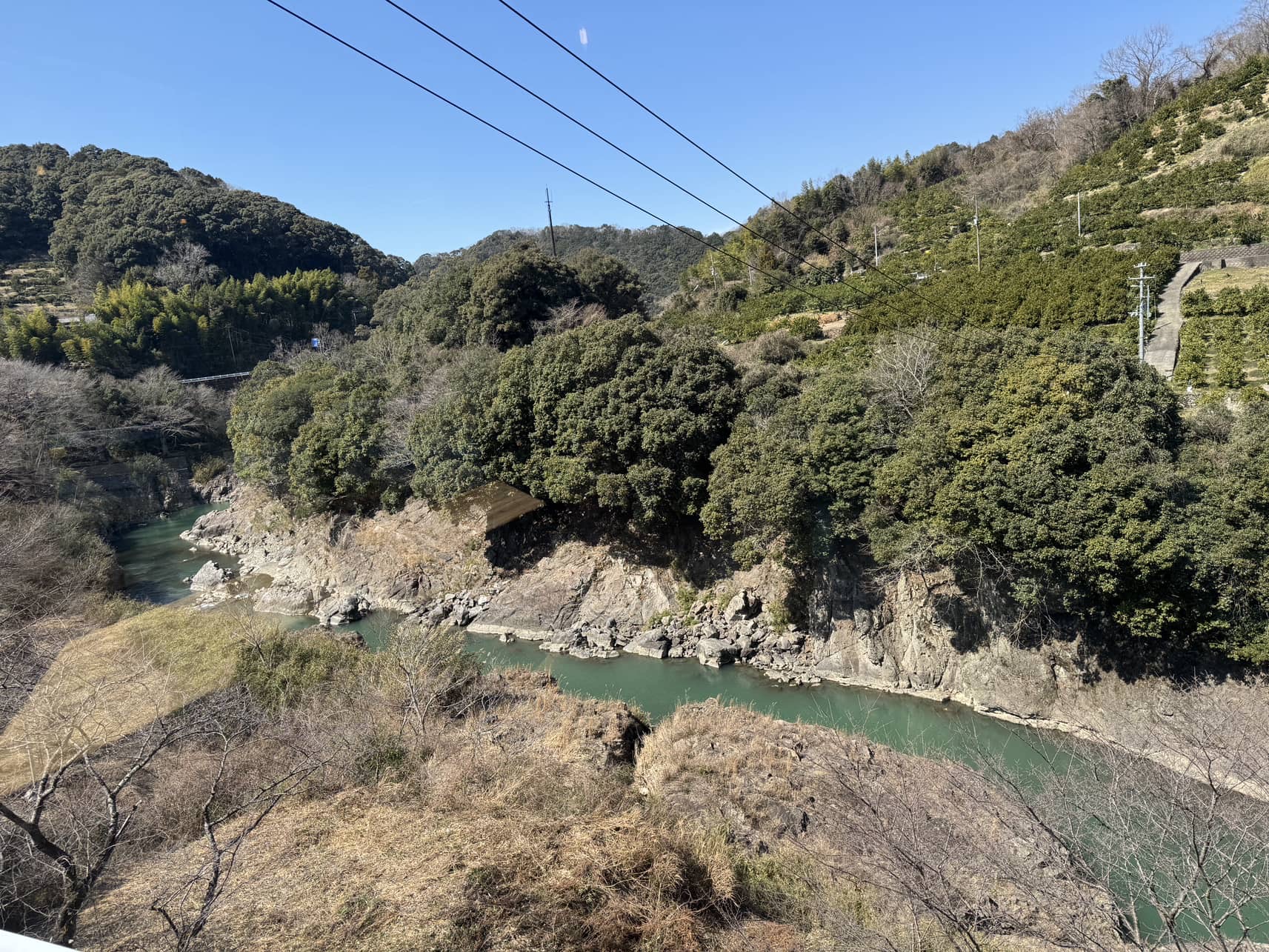
I rented a car in this area and drove around for four days to some places I have not been in 48 years. I highly recommend going to the Japan Seaside from the Pacific side if you get the chance. The area around here is extremely beautiful and not over developed.


After Ishigaki Jima I flew to Naha on the main Okinawa Island and contacted one of the people I met drinking one night in a small drinkery in Ishigaki town. They brought the whole family for a fun night f food and drinks at a local place they frequent.


As I was traveling around Japan I decided to go to my old school area on Mt. Fuji, Fujinomiya, and also to a place I love to visit. The Kiso trail goes from near Matsumoto area to Nagoya and still has old villages with places to stay and a walking trail along the centuries old walking trail. These two areas are close to Tokyo so easy for day or several day trips. The Chuo line goes from Tokyo along the Kiso trail and is one way to see this beautiful area.


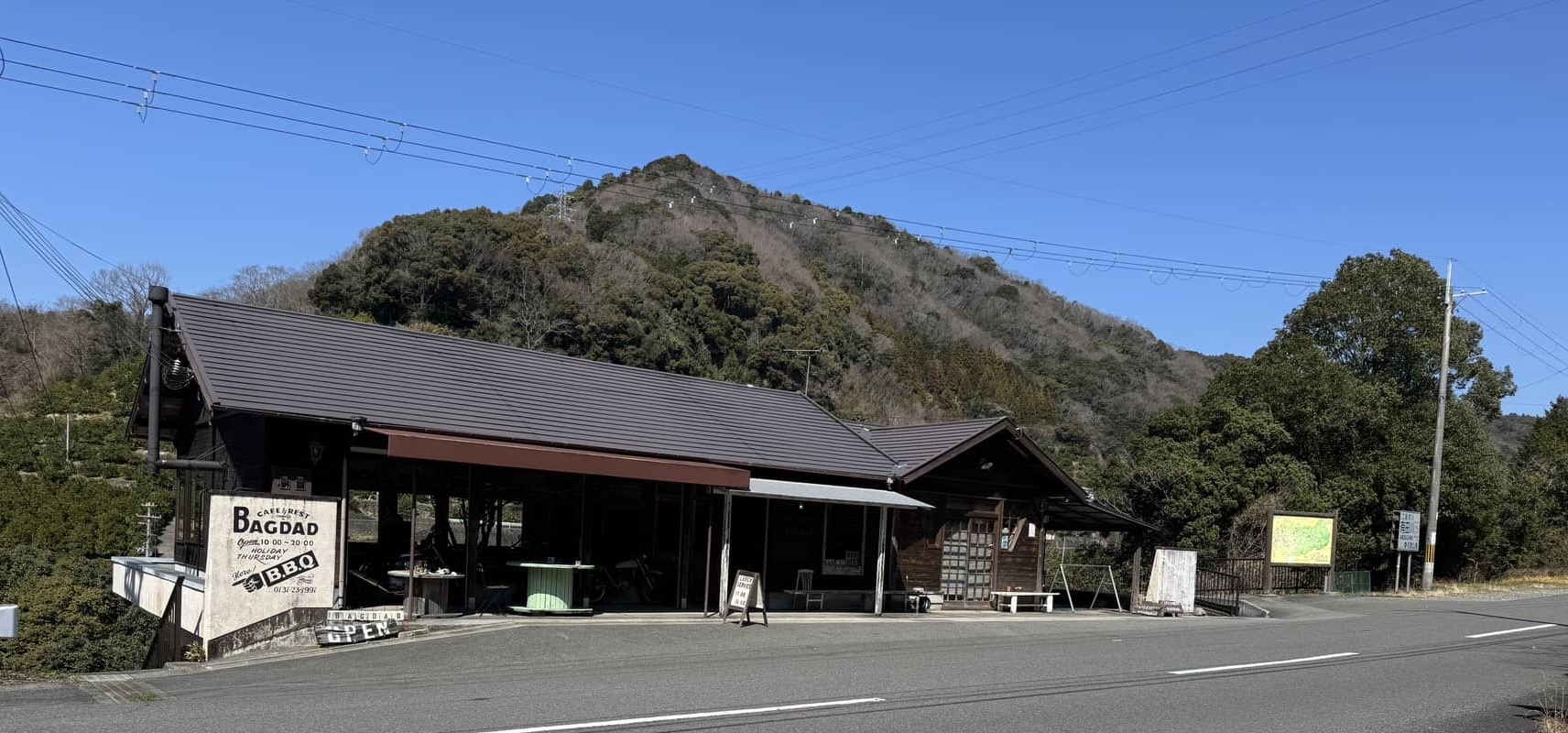




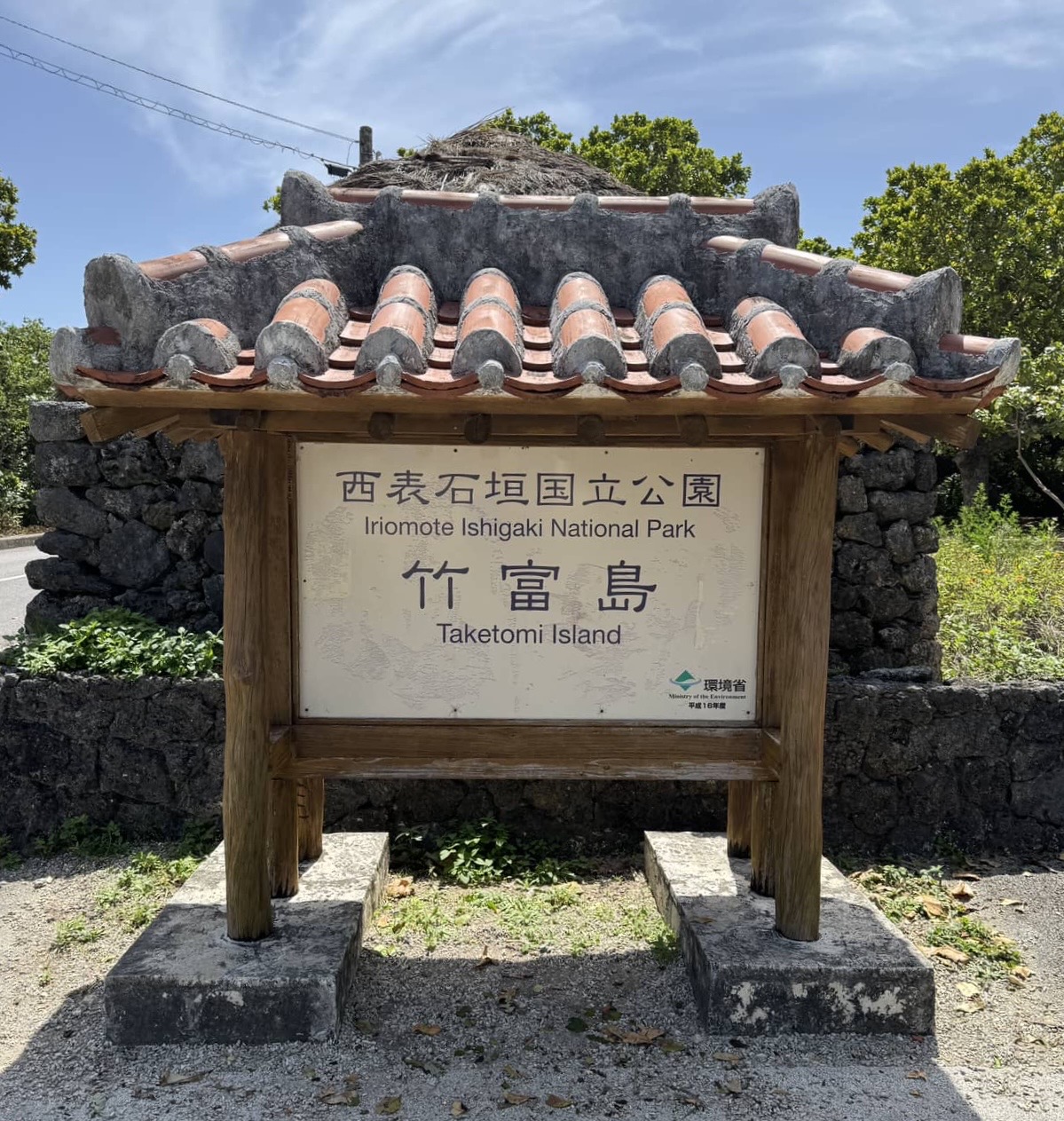
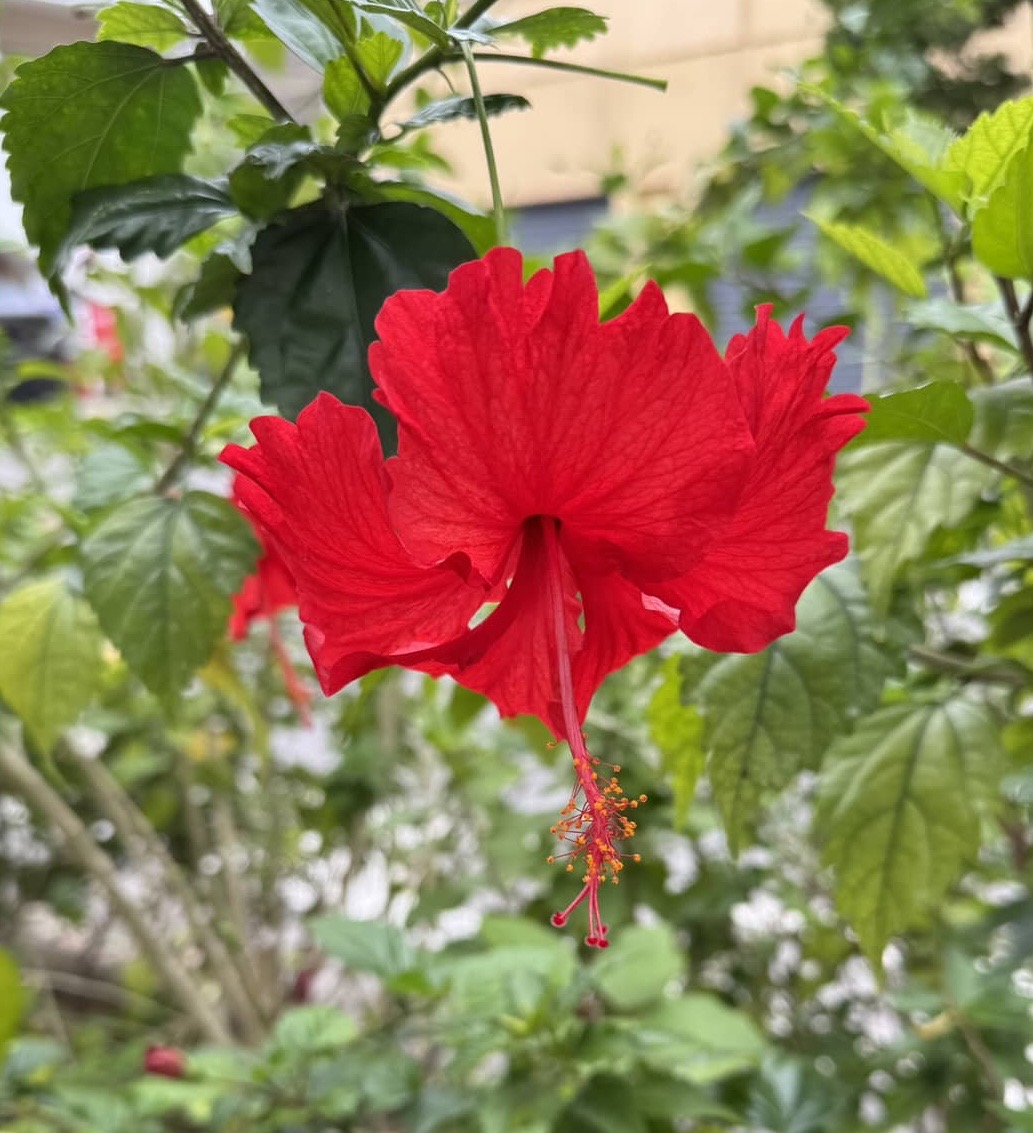
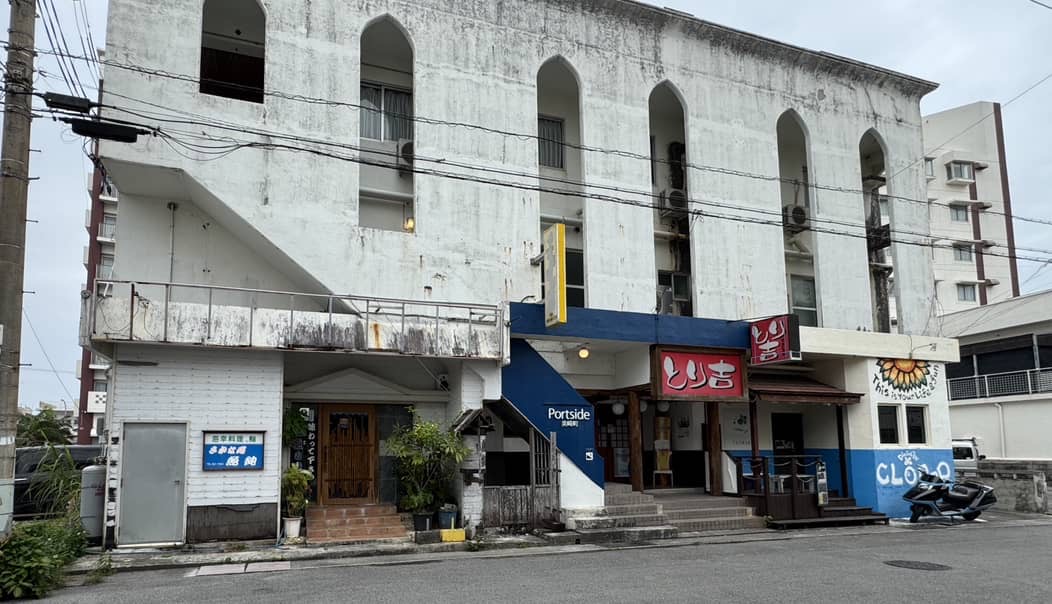
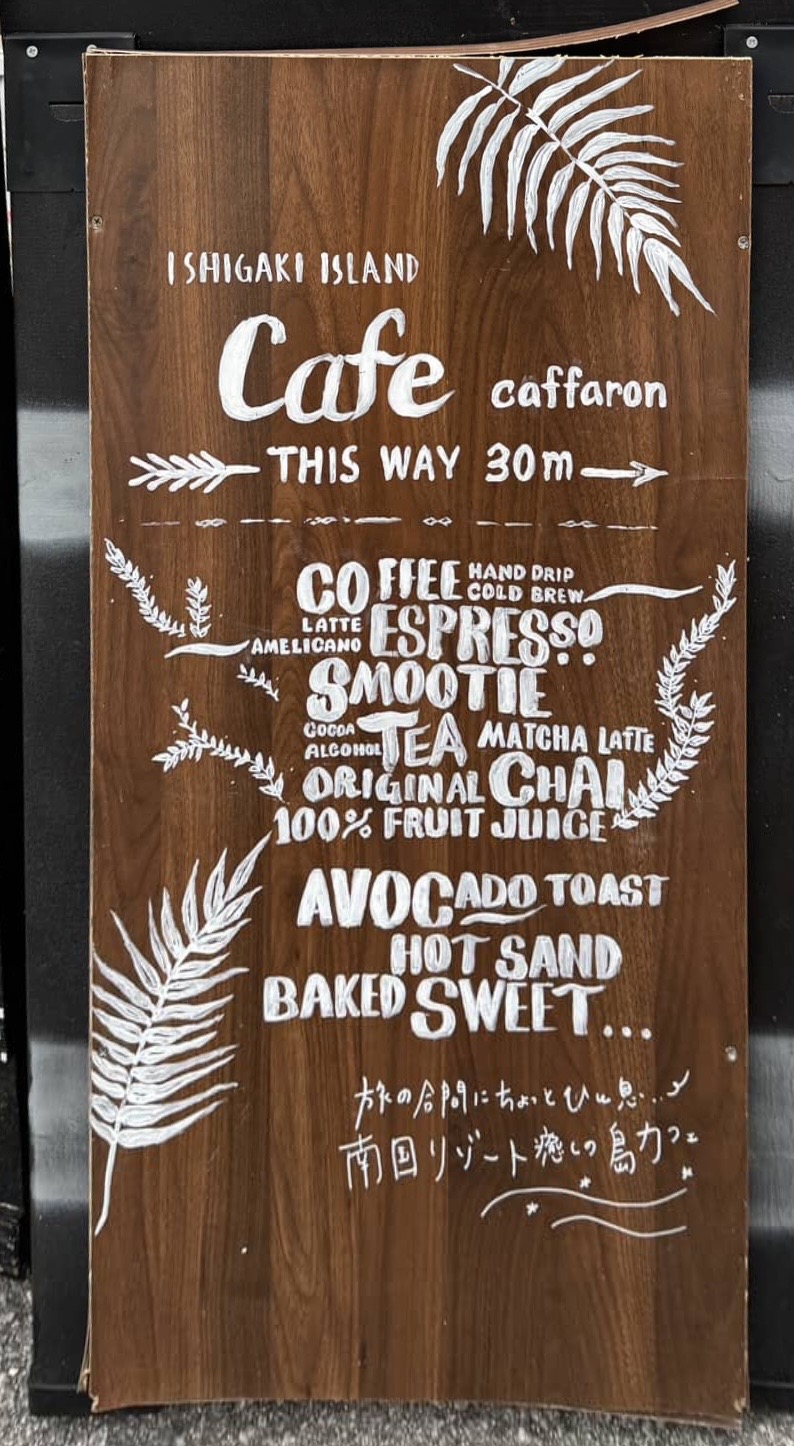
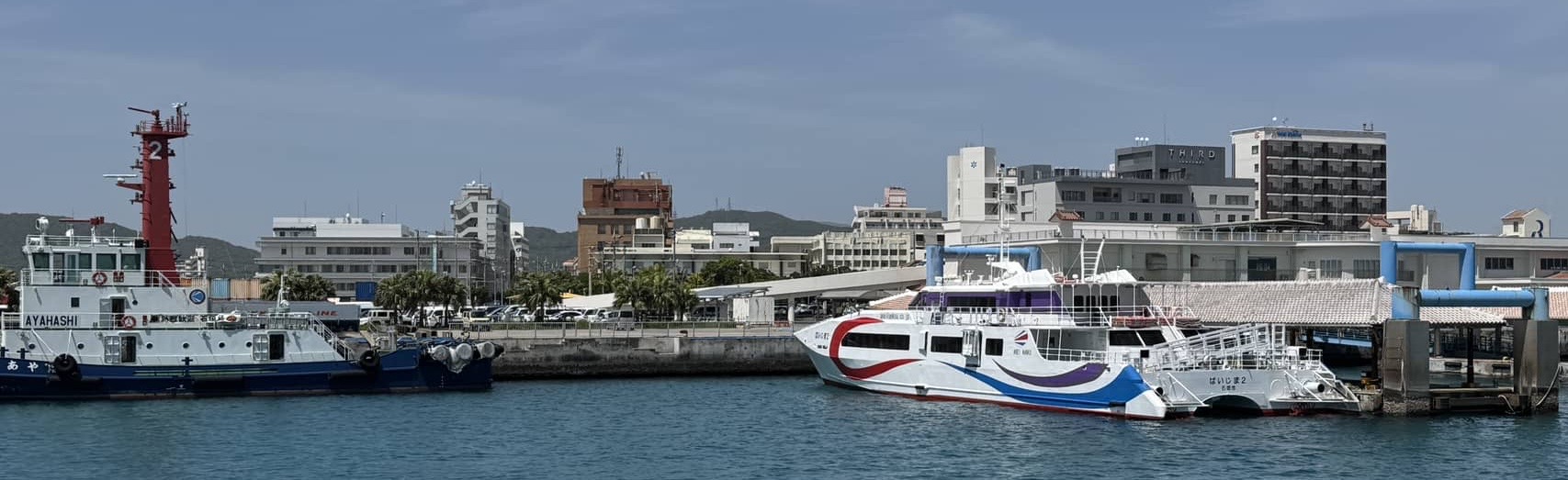
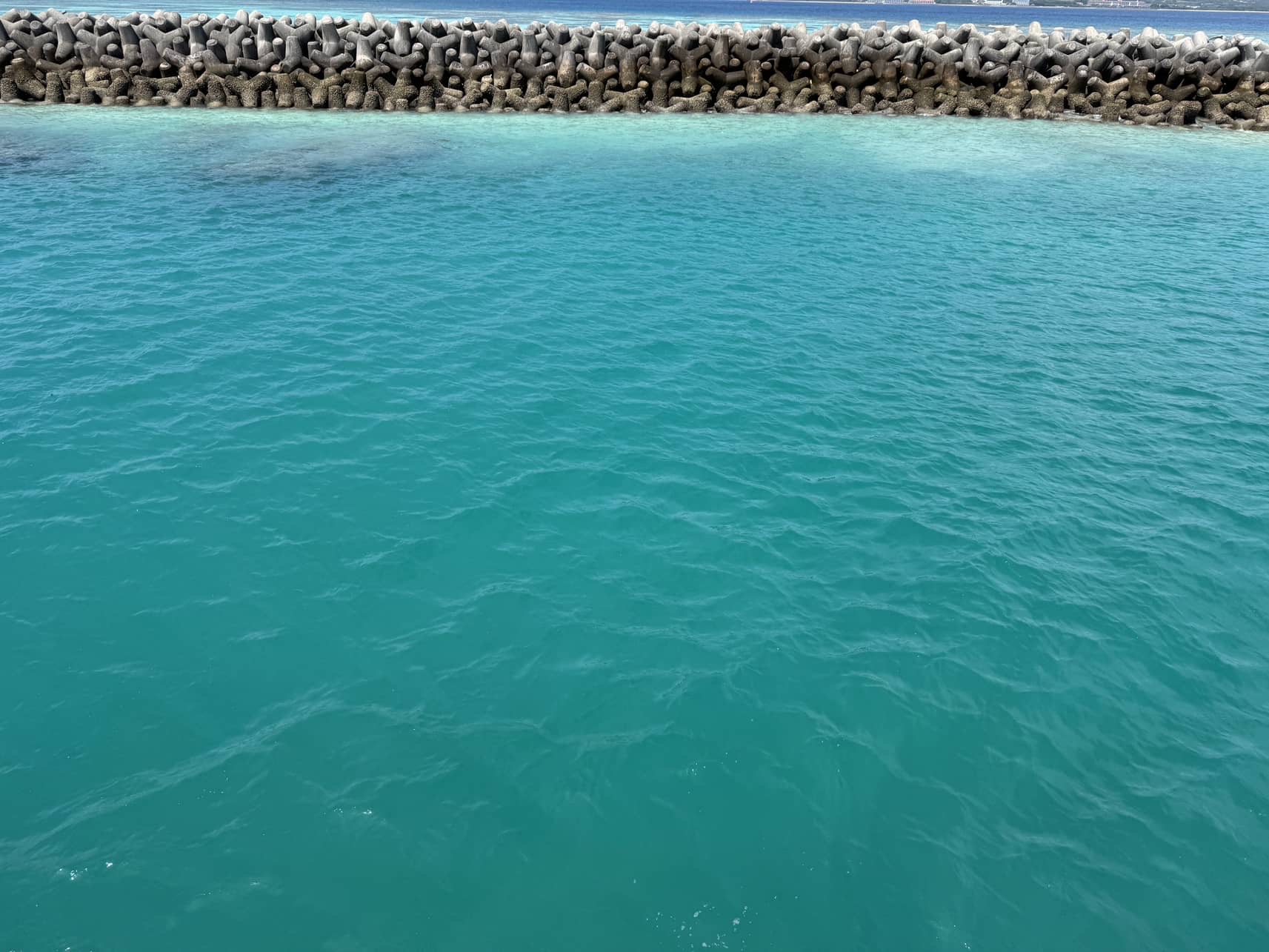
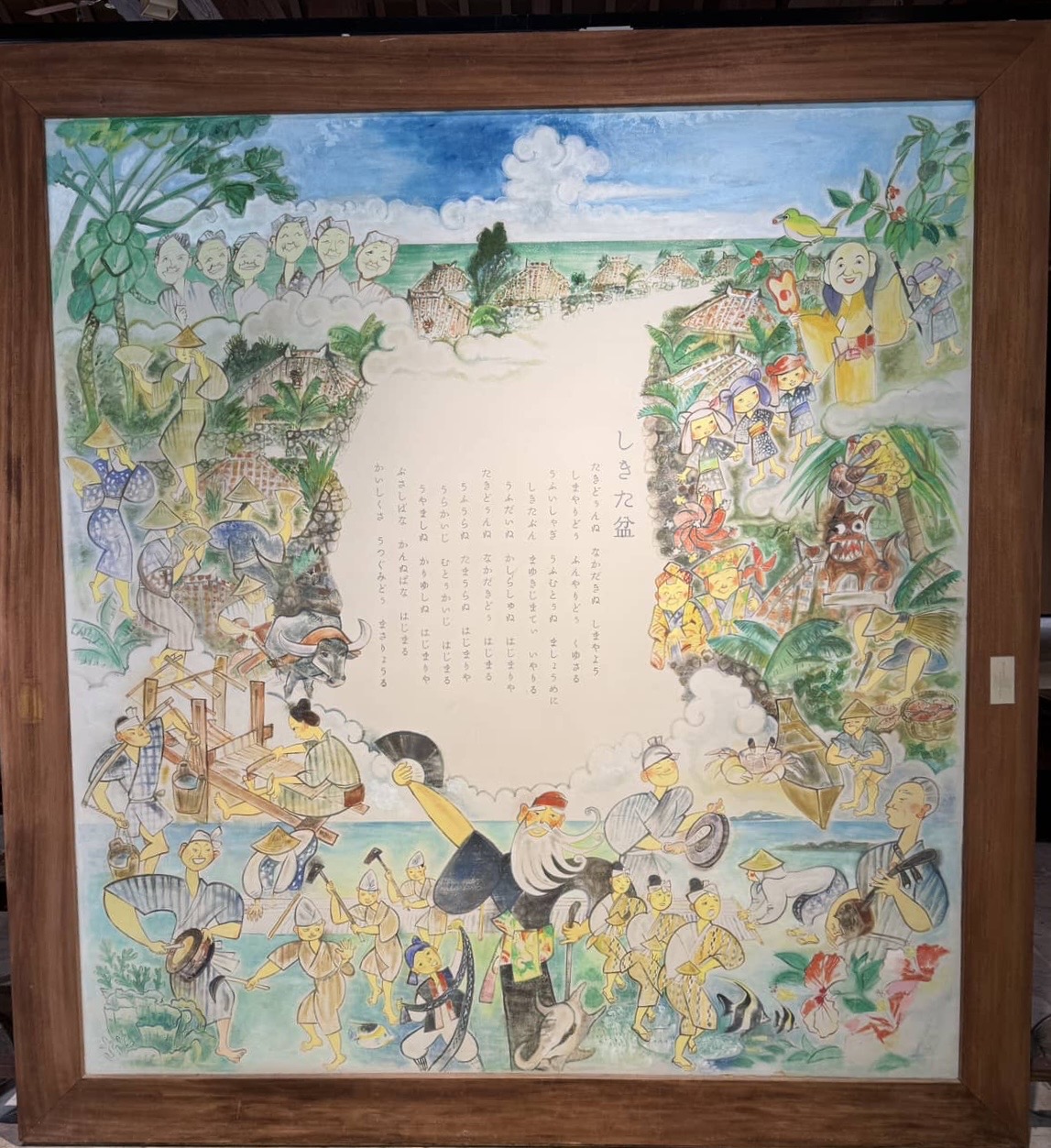
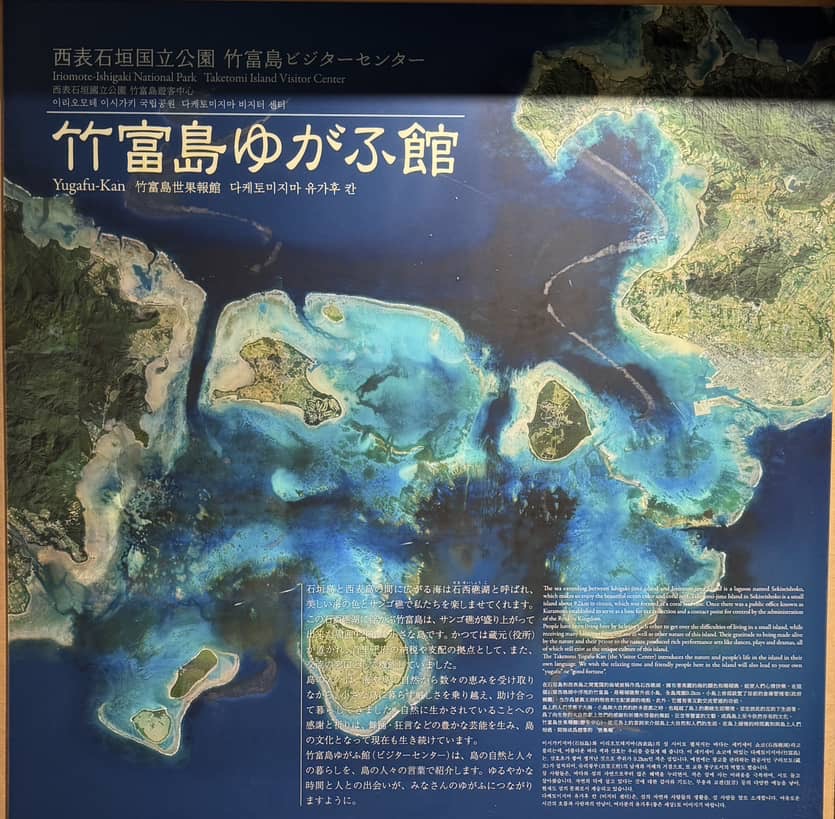
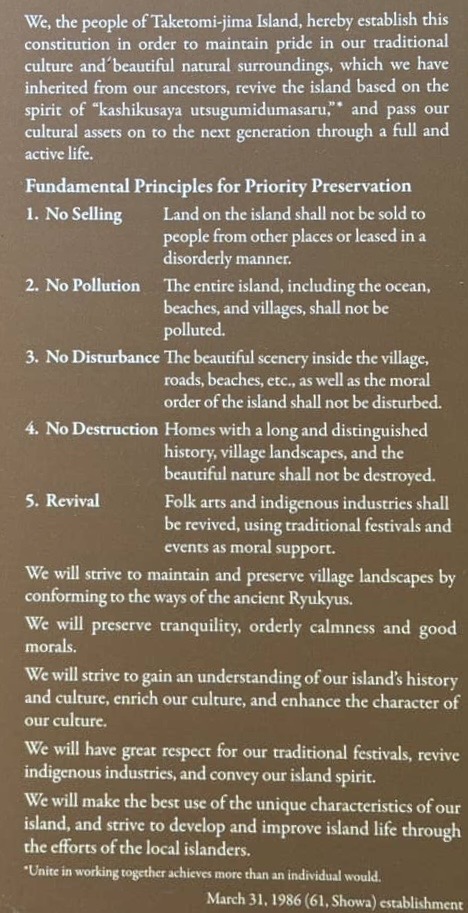
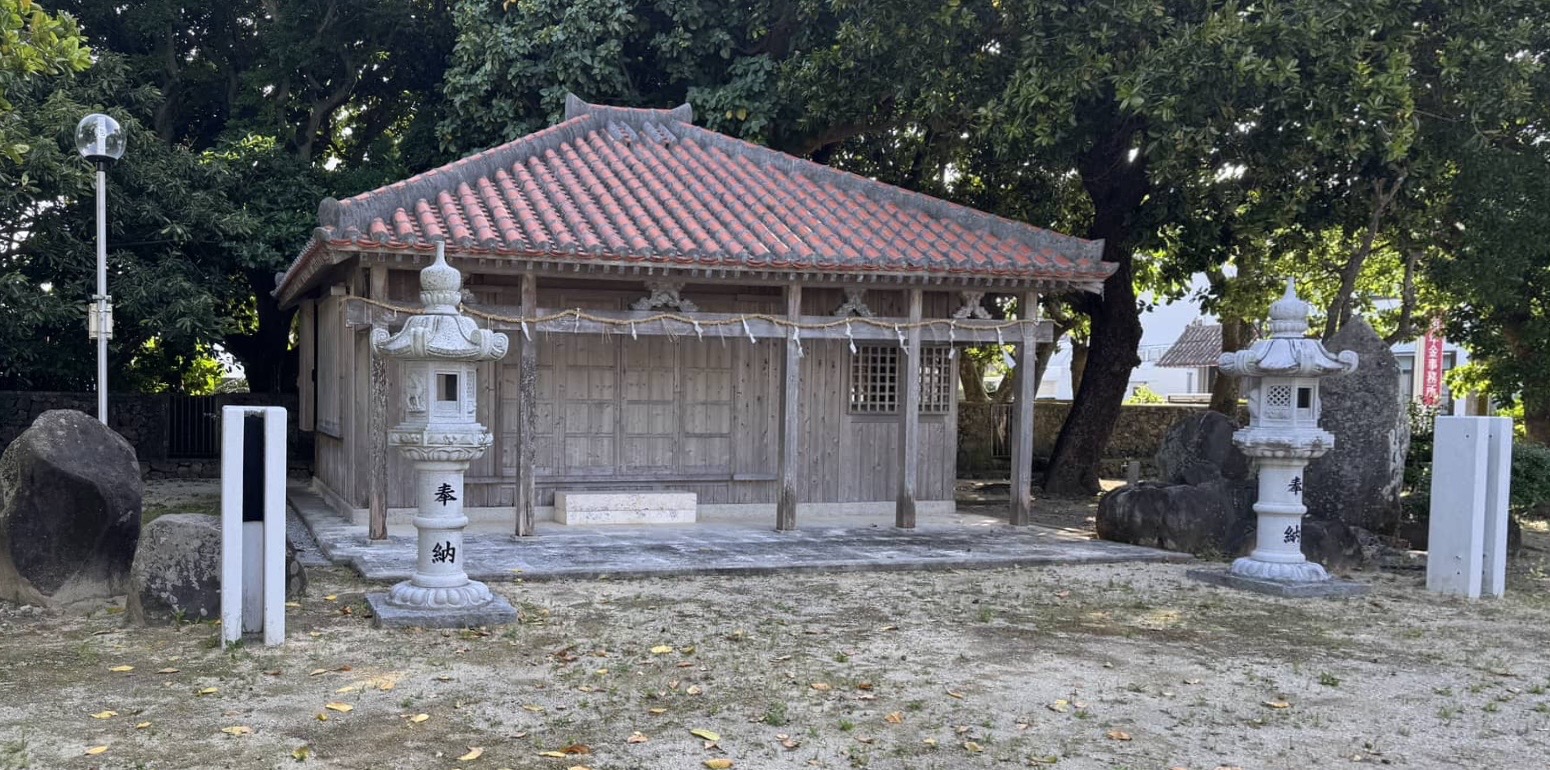
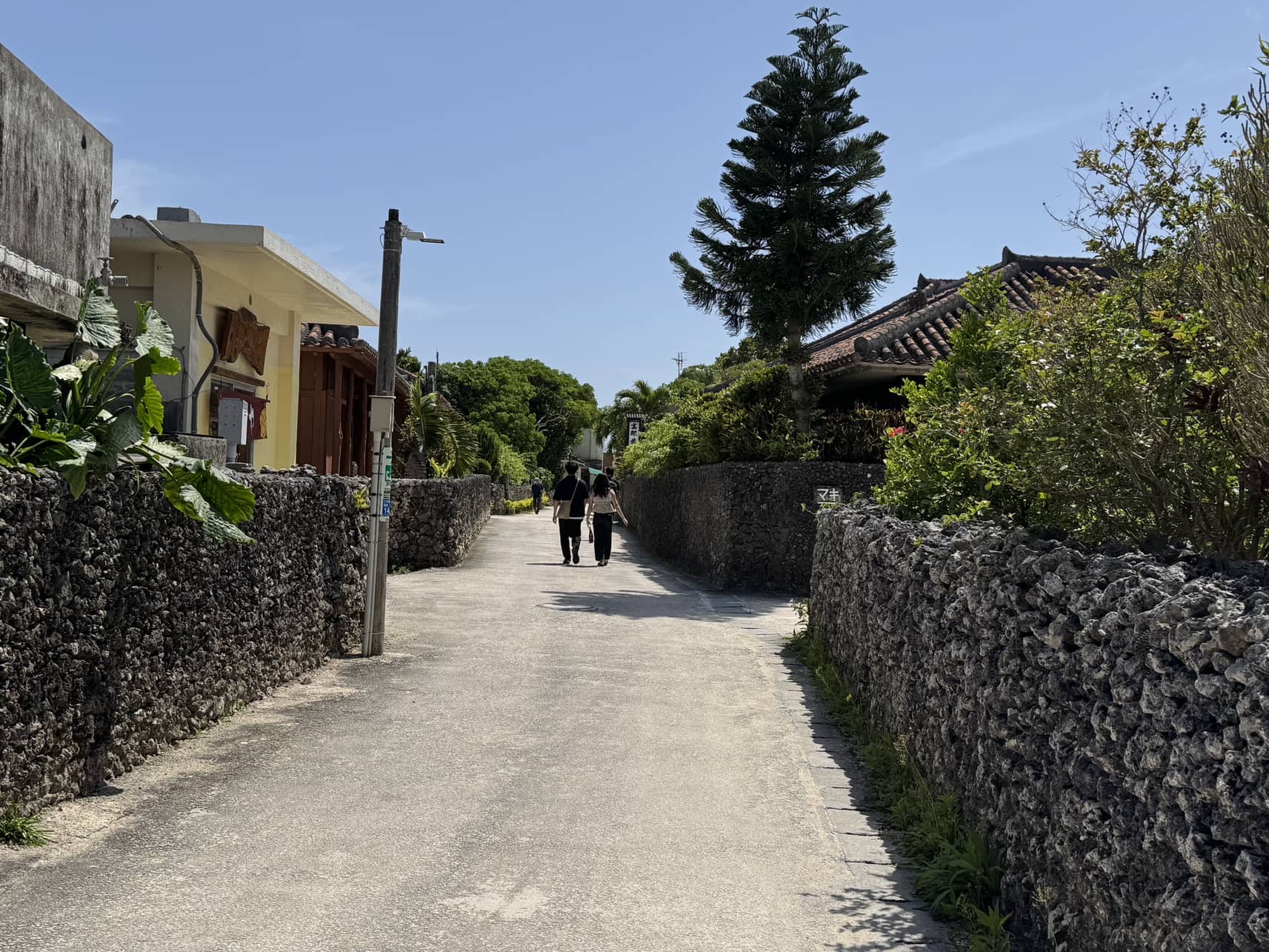
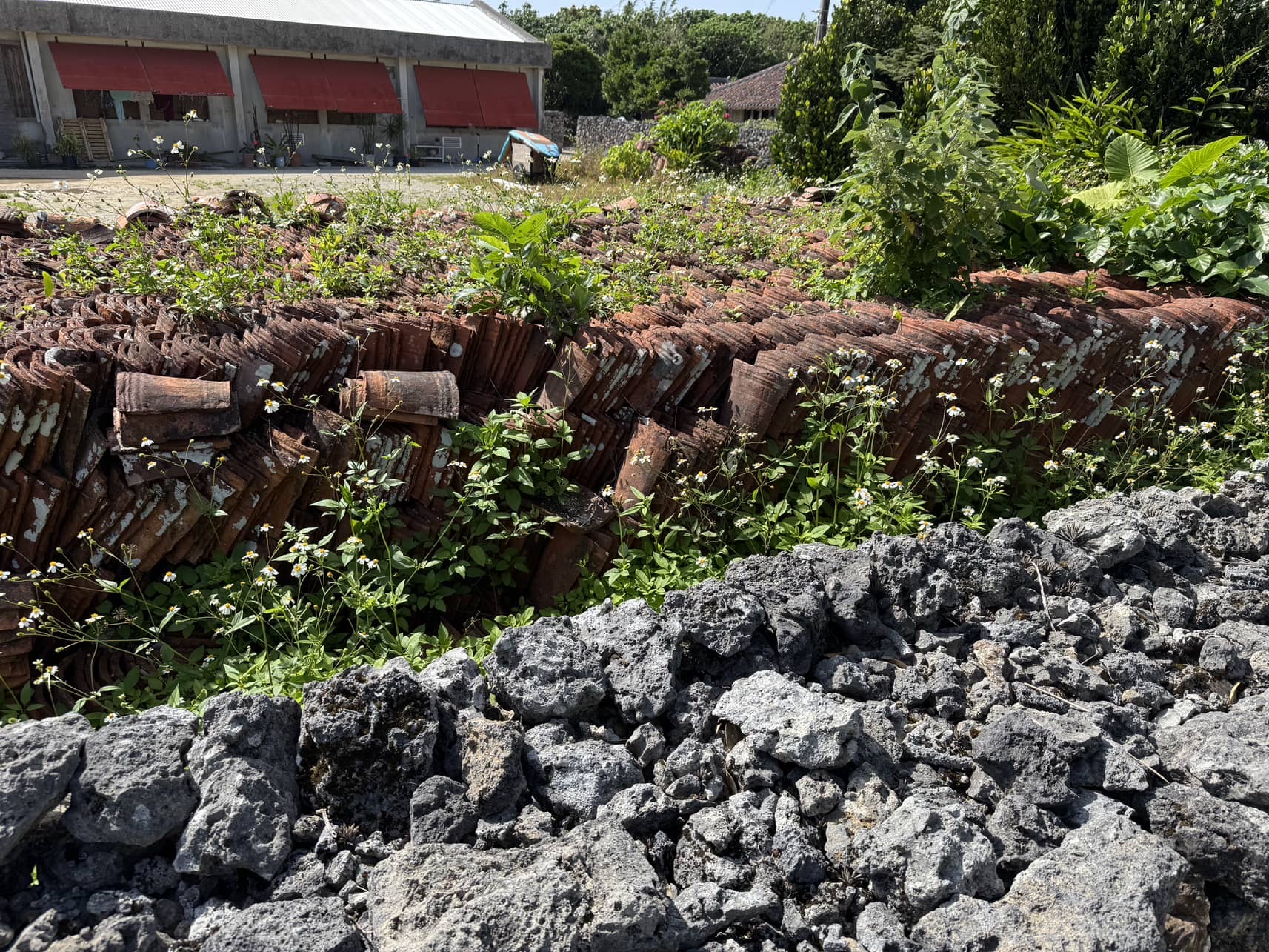
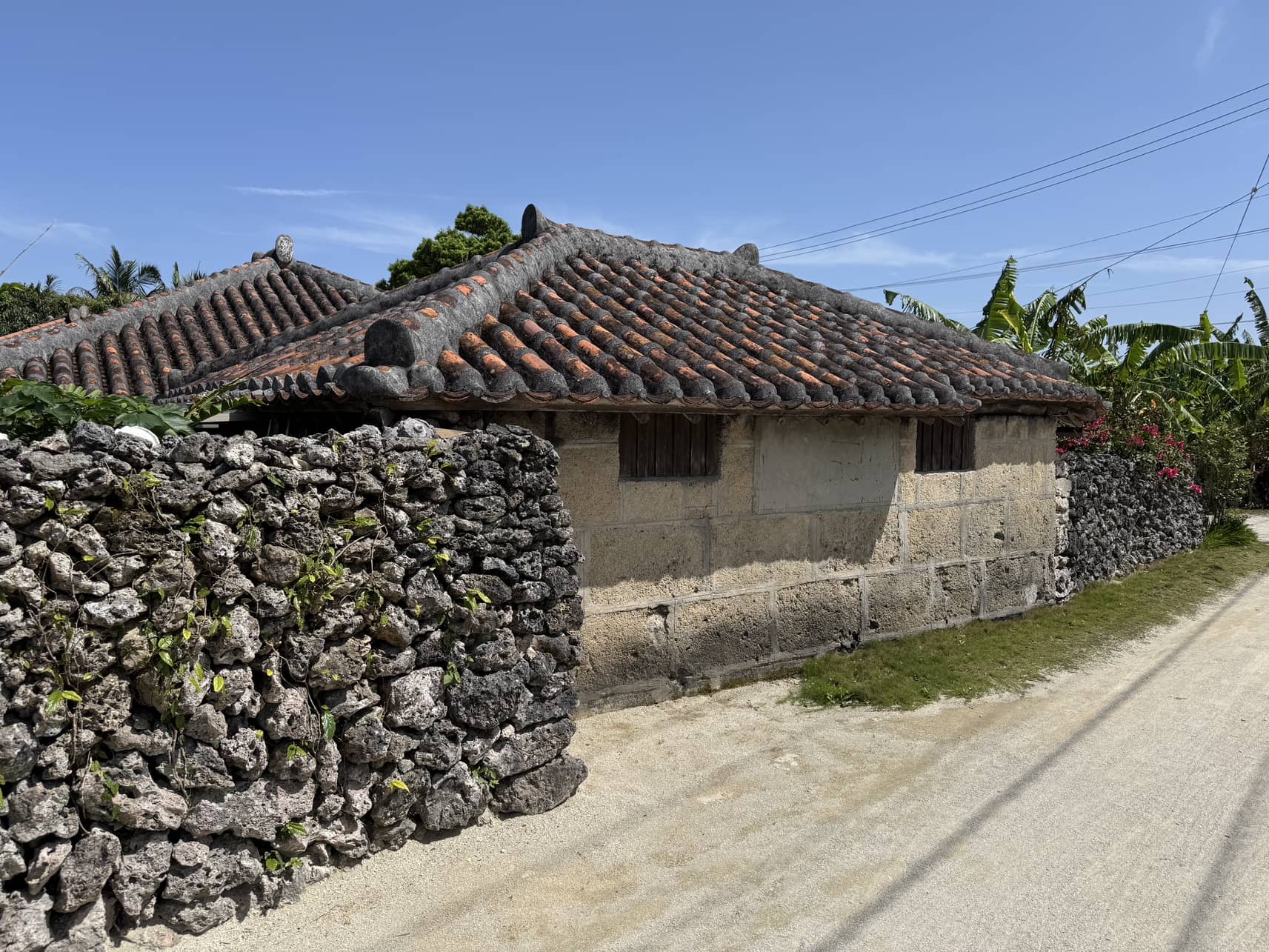
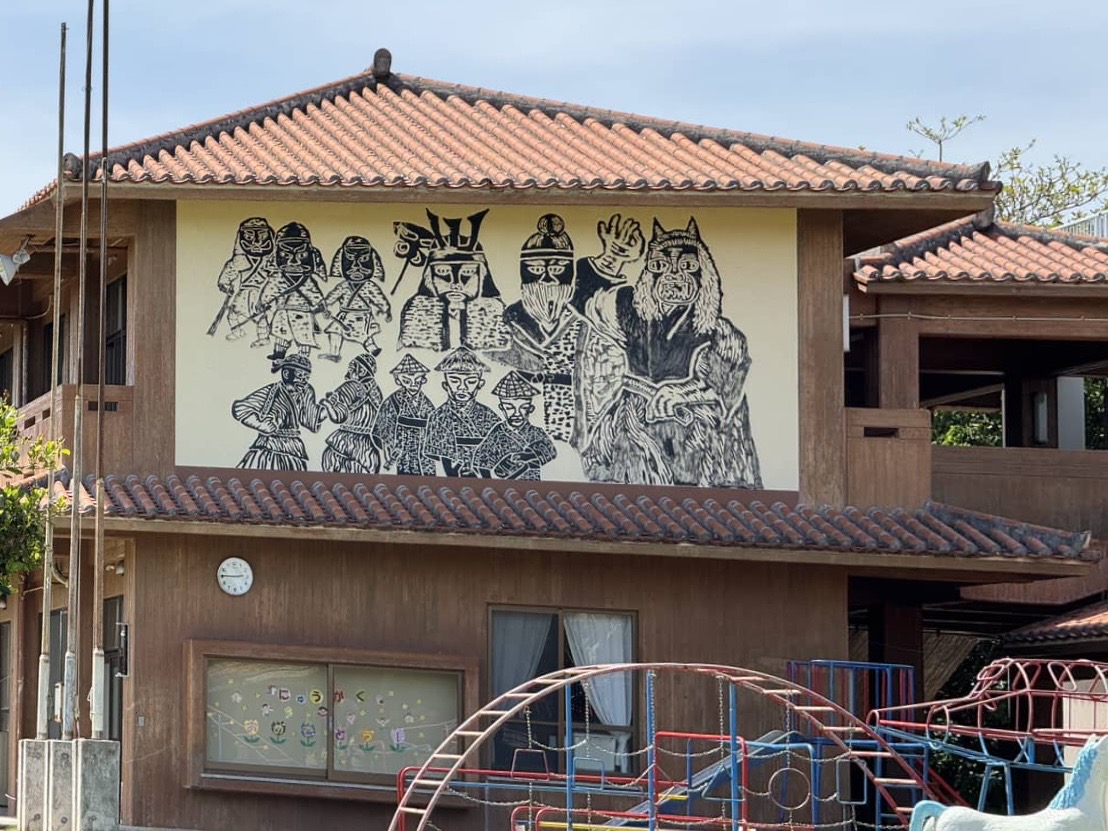
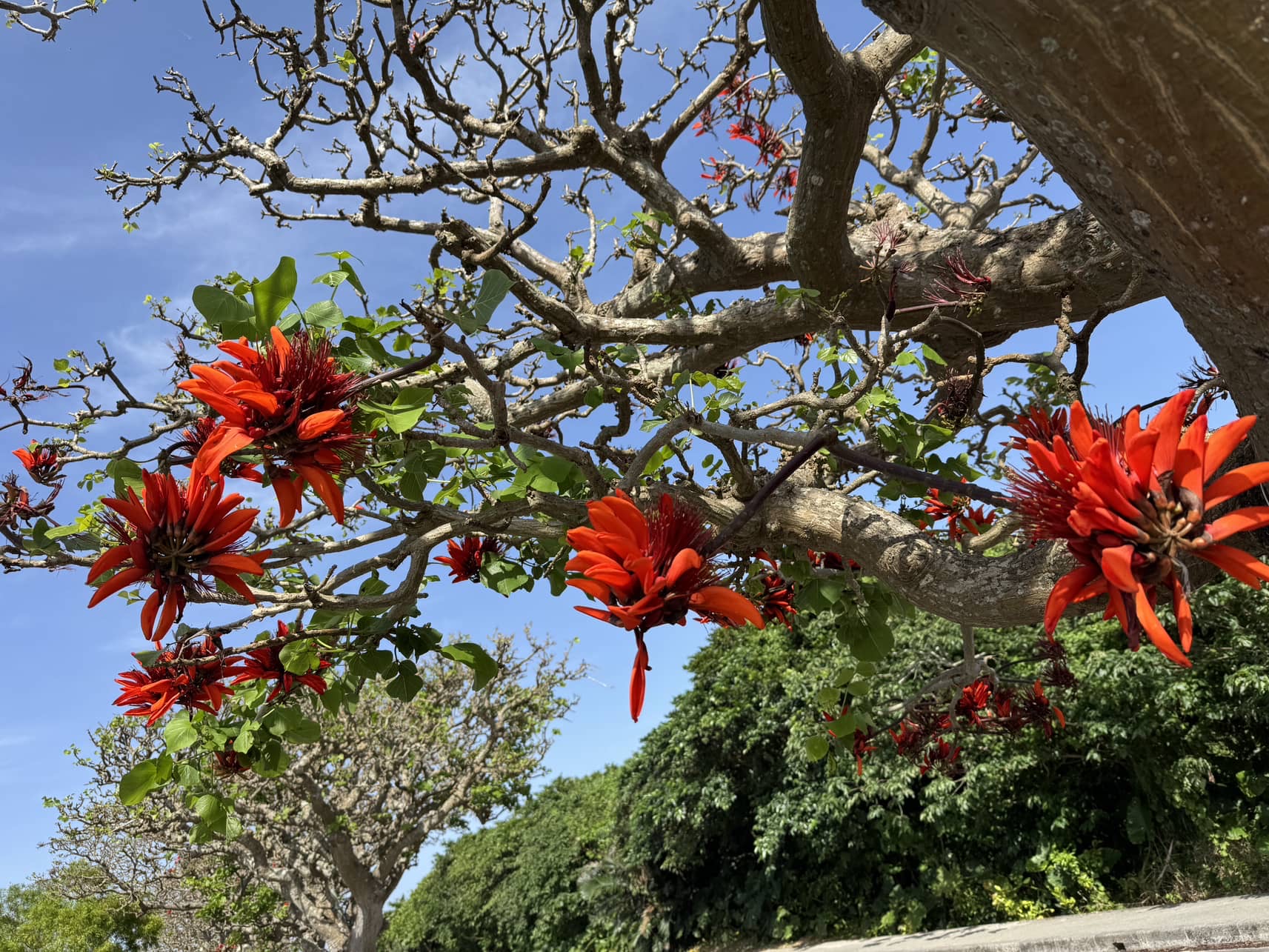
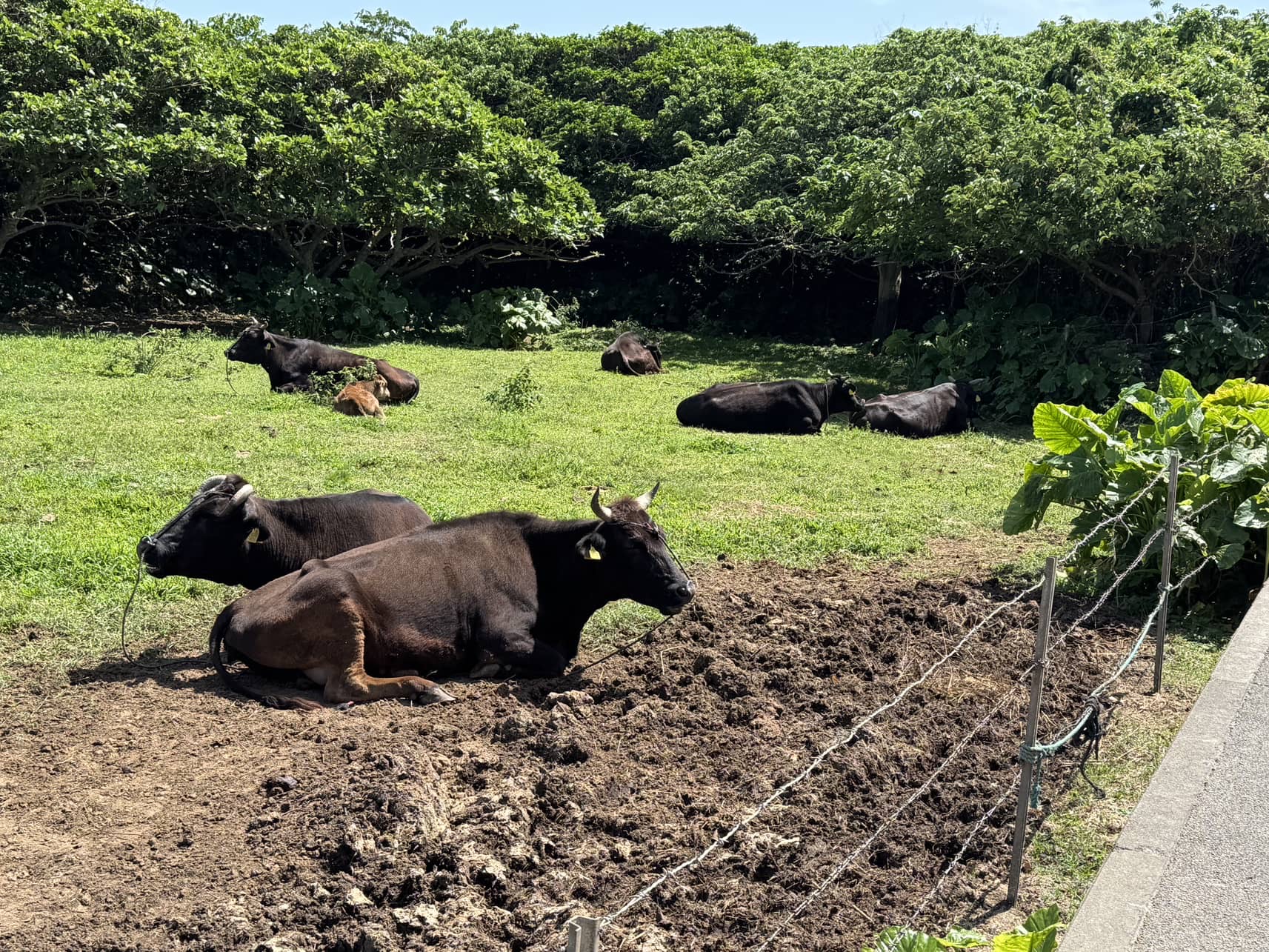
Ishigaki island is much closer to Taiwan than Okinawa and a much smaller island. However as you are drifting around Ishigaki Island you will find a wonderful ocean, interesting plants and animals and really friendly people wanting to talk to you over a drink. An island close by is Taketomi. When I was there in April/May I got the feeling it wasn’t the tourist season since most everything was closed. It is worth a day trip from Ishigaki and I recommend just walking around since it is such a small island.


















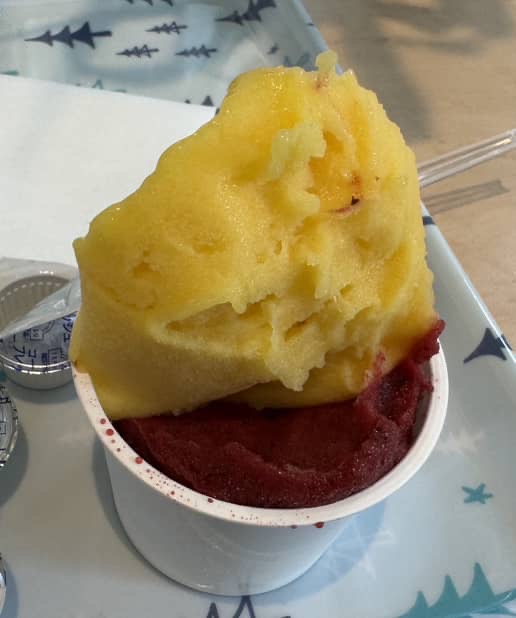
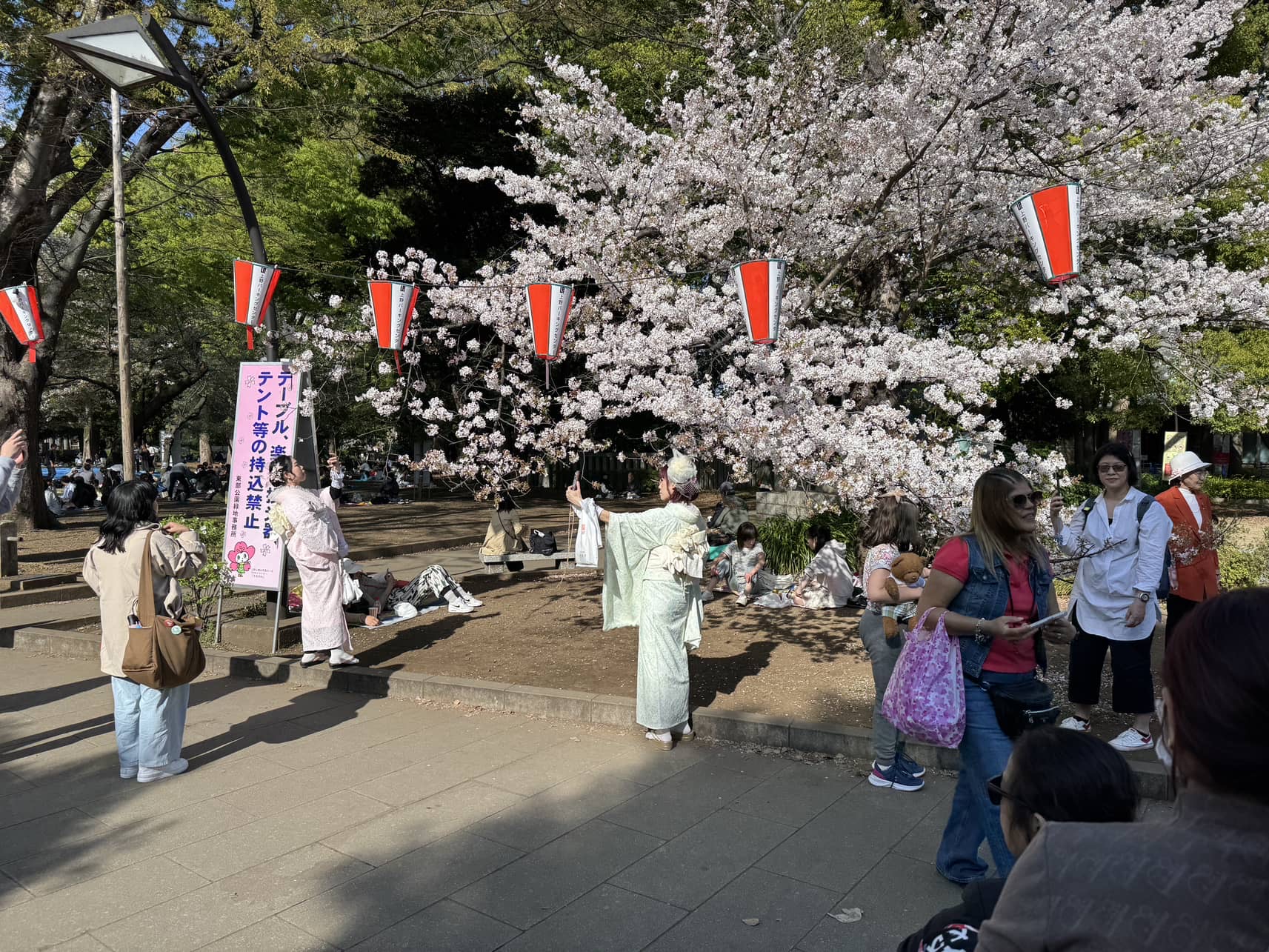
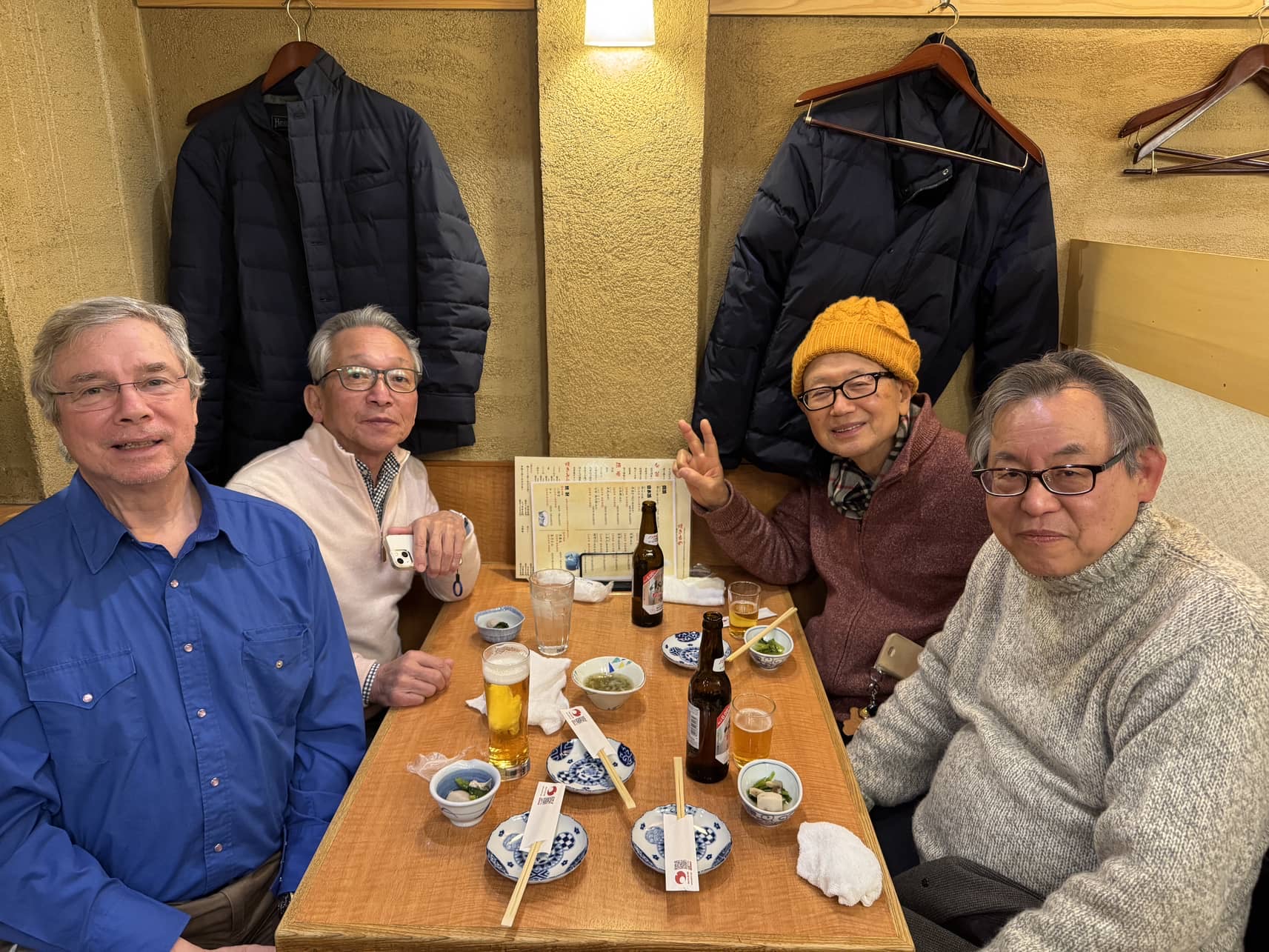
I happened to arrive in Japan just at the right time. A group of Cornell students were in Japan for a study course, one month, and a lot of beautiful cherry blossoms were coming out. Cornell graduates in Japan were about 10 in 1976 and now more than 76.



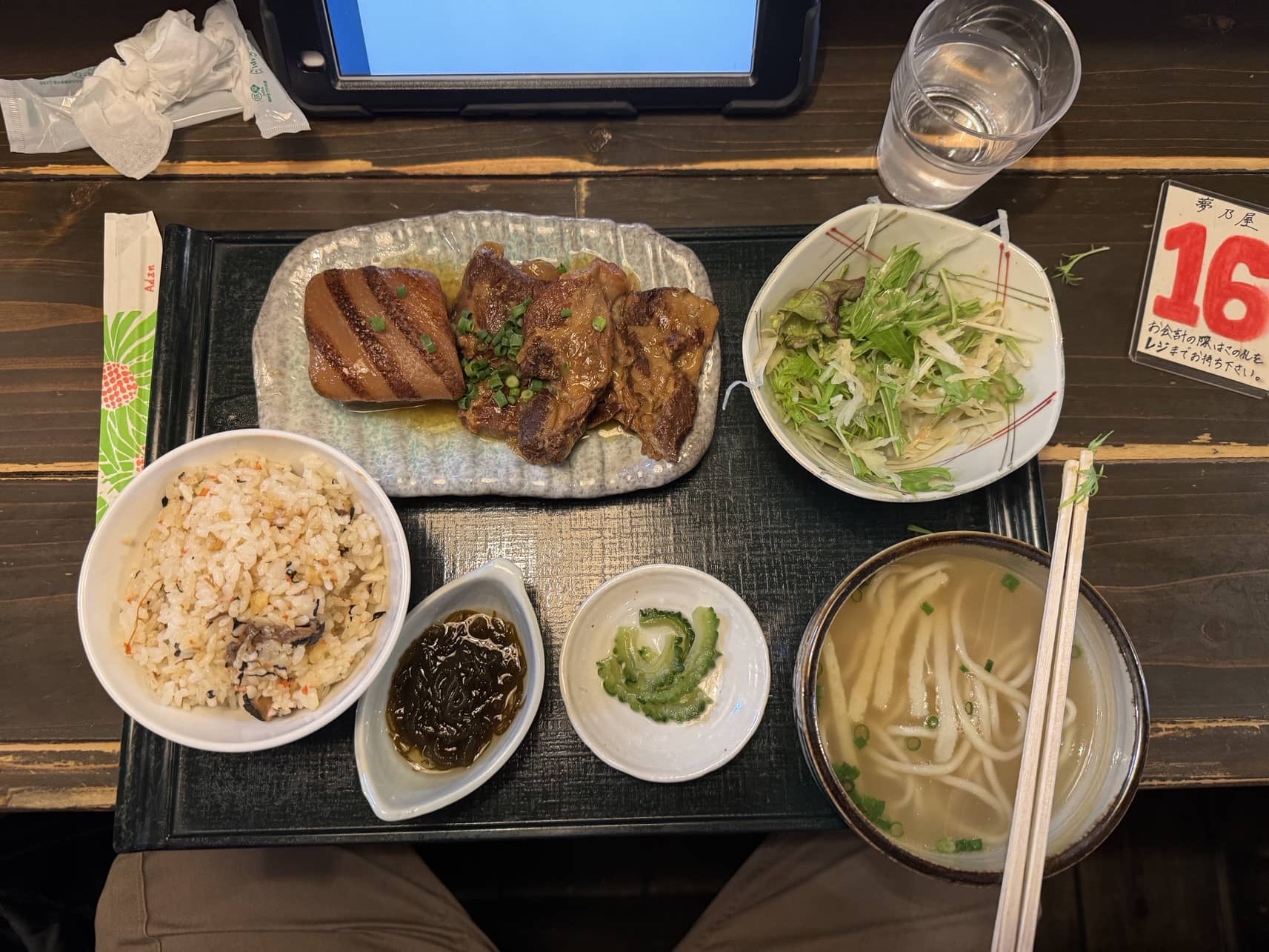
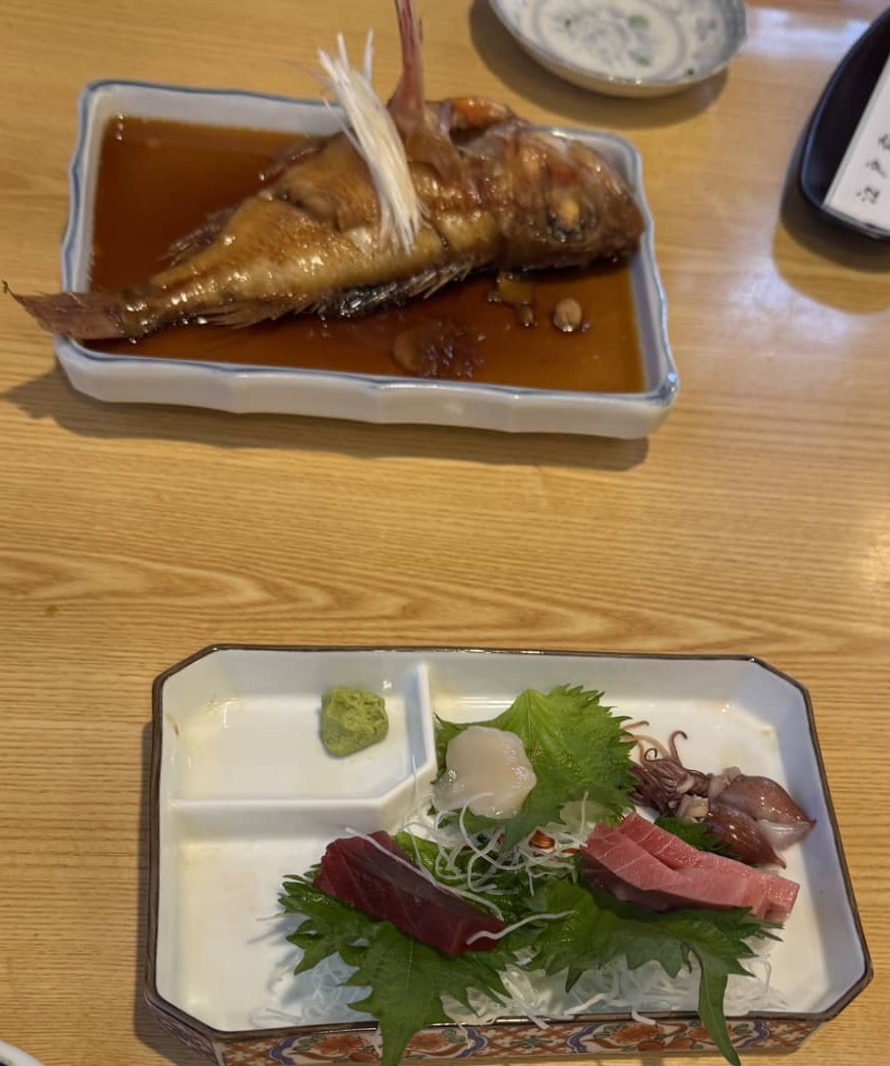
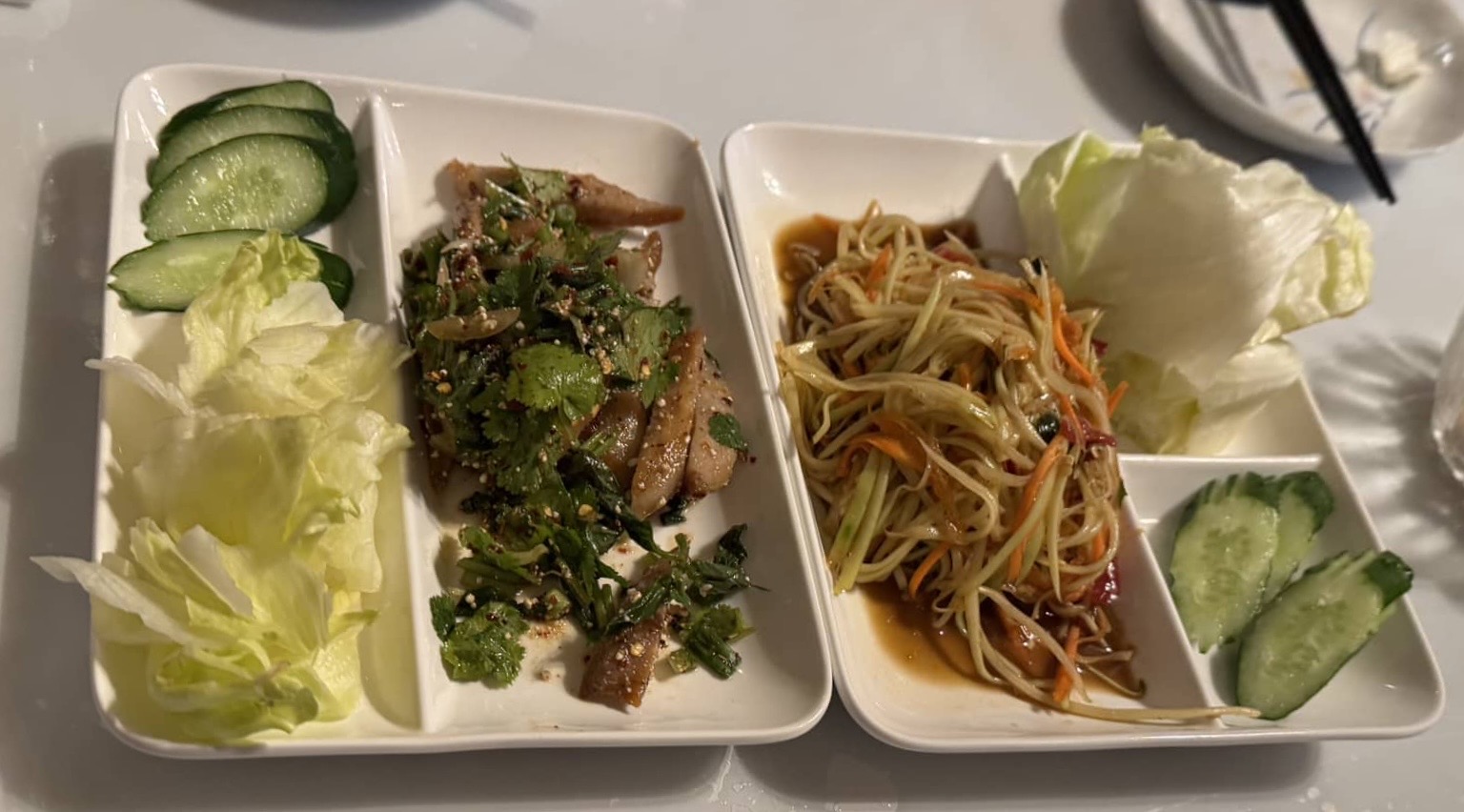
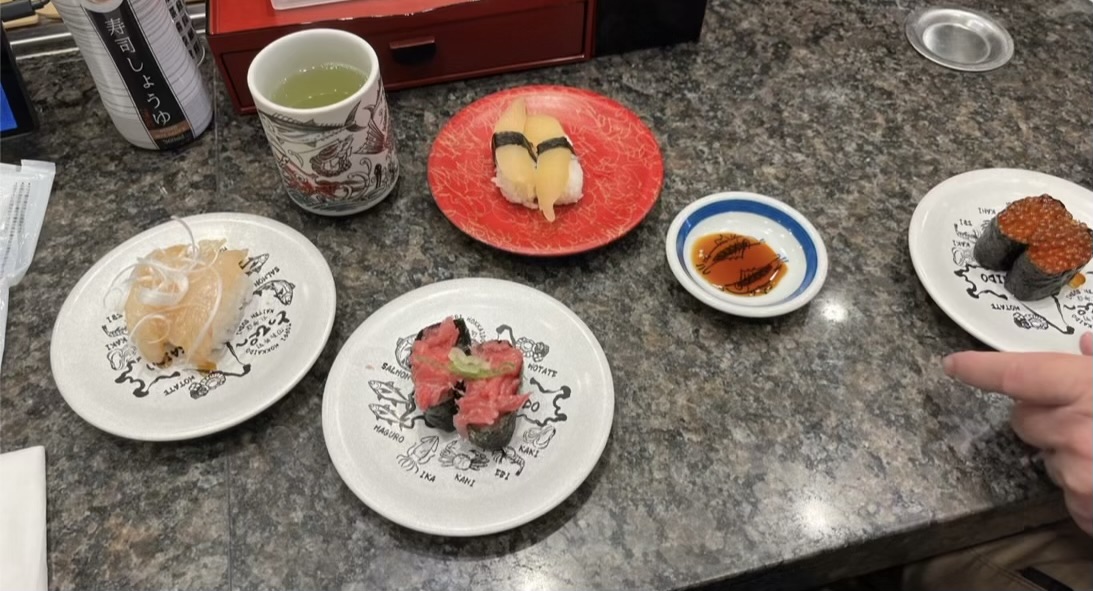
Yesterday I had a nice cold ramen in Kashiwa for $6.80. That seems to be close to the low end of the price range but it was pretty good. Japan Food Varieties will amaze you. You can go from raw to deep fried food in the same restaurant or in speciality restaurants. You can get everything from vegan to almost every kind of meat, even bear. By now you probably know Japan is famous for whale and horse meat. And some of their world famous Italian restaurants are here as well. Every part of Japan has it’s own special foods you should try. Go from Hokkaido for excellent ocean foods to fatty pork in Okinawa to baby bees in Matsumoto. And, heads up, there is no tradition of tipping in Japan so the price you see on the menu is the total you pay except for places that have table charges (OTOSHI) with a small snack or those that don’t include the sales tax in the menu price.


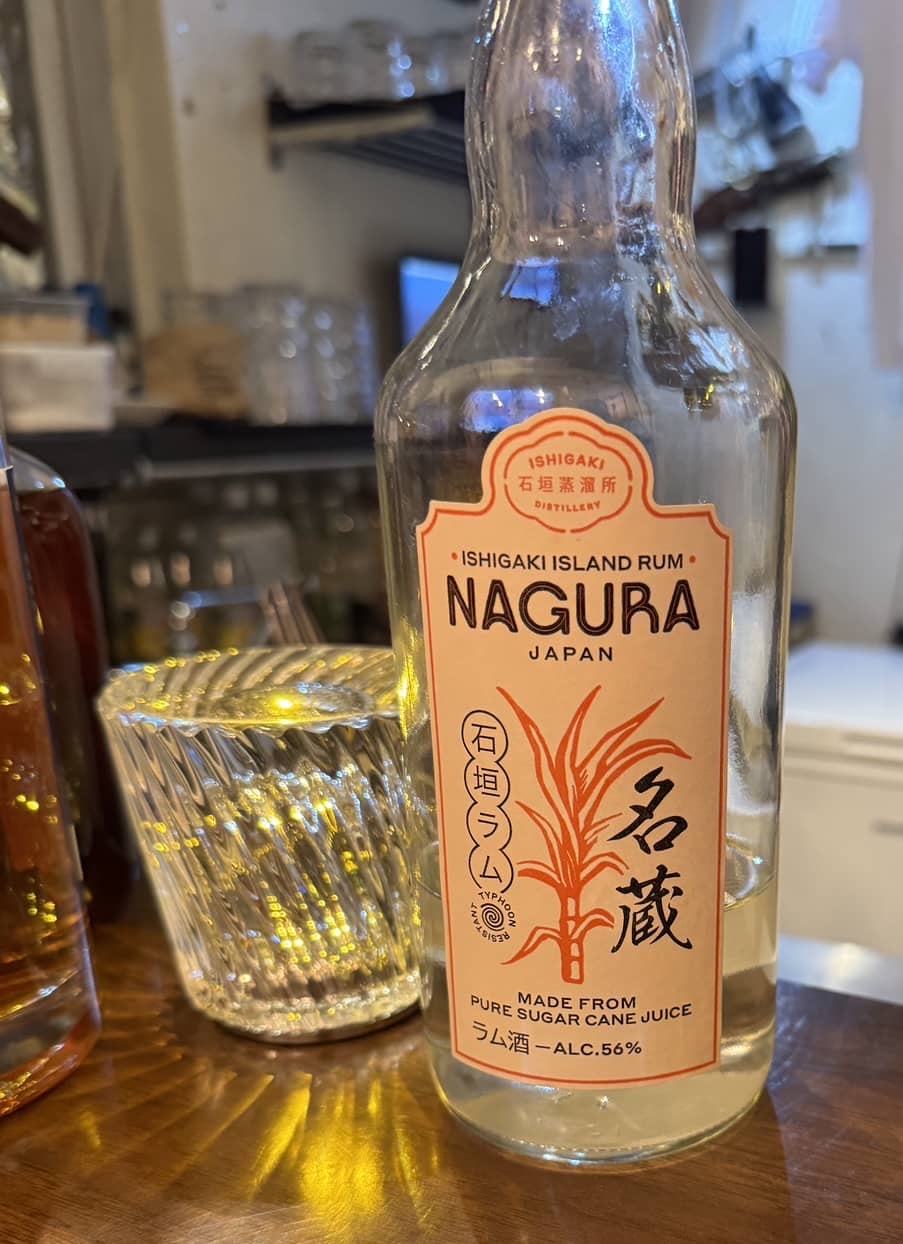








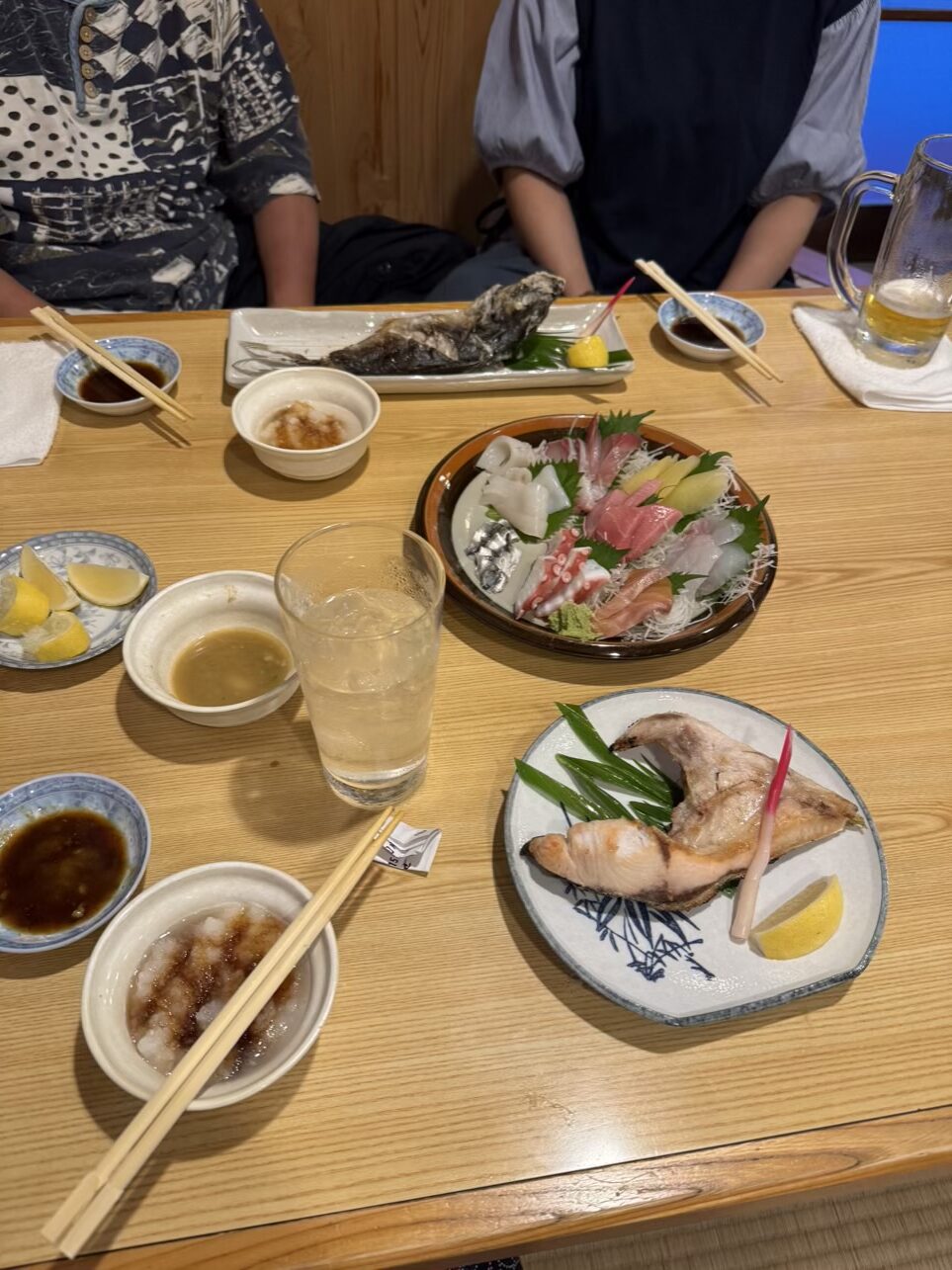


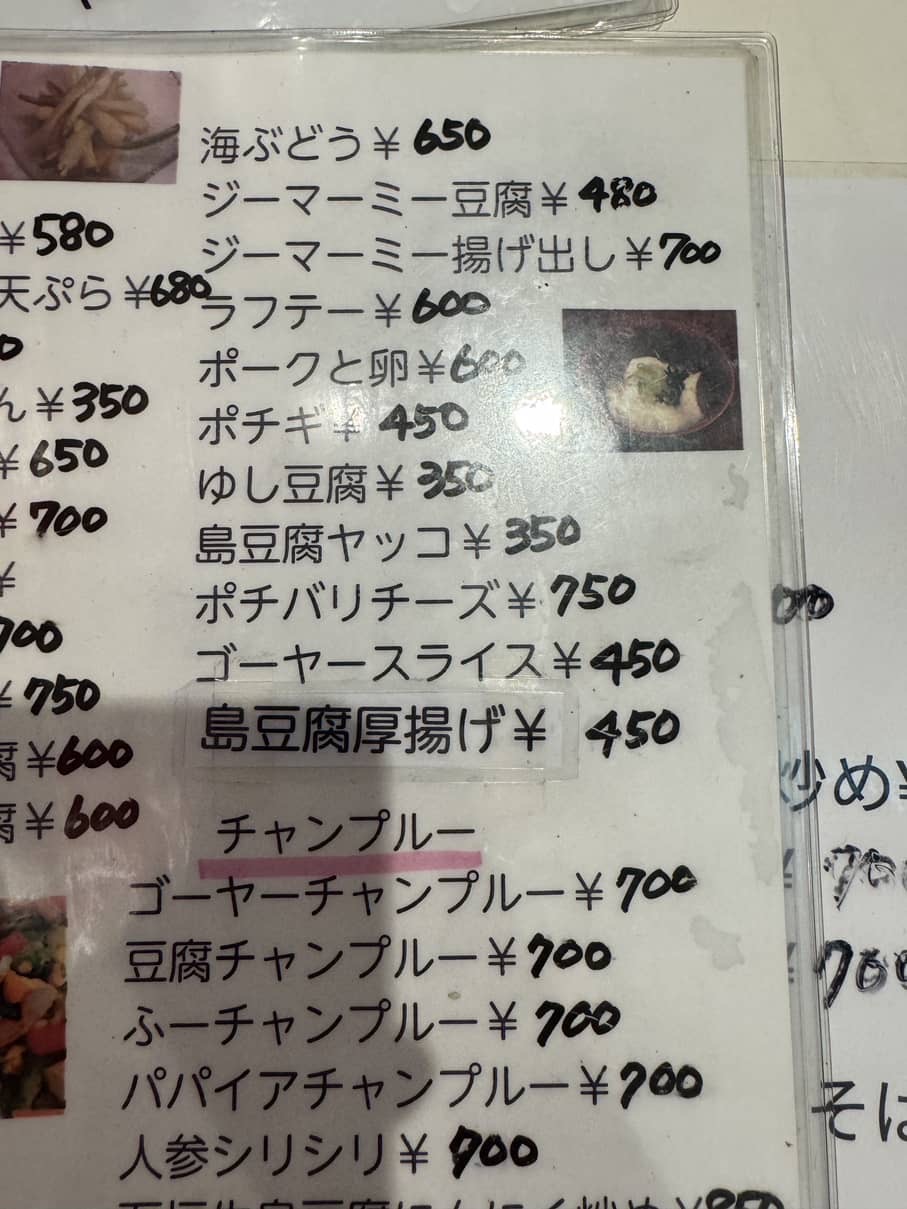
The key to Japan enjoyment is to just relax, take your time and don`t be pressured. There are so many little things to enjoy while bopping around the country. Take the opportunity to look at the smallest of things to understand how things work. You will love the places you visit if you take your time.


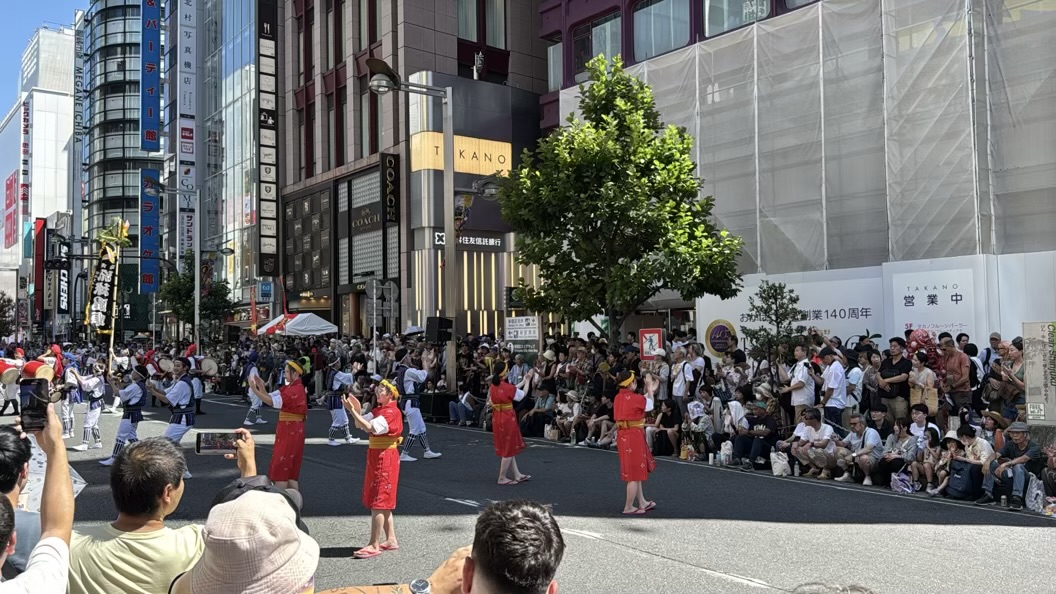


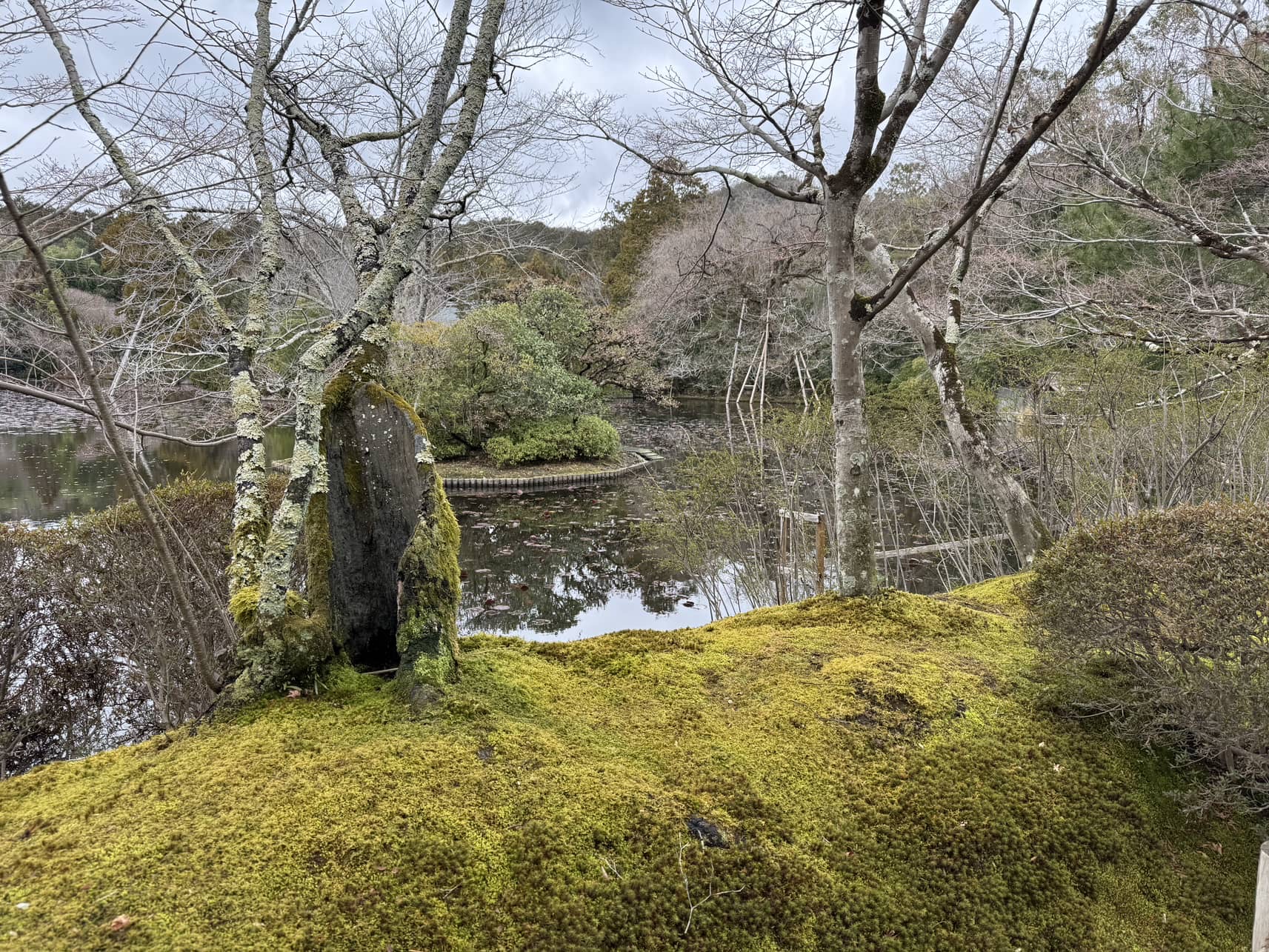
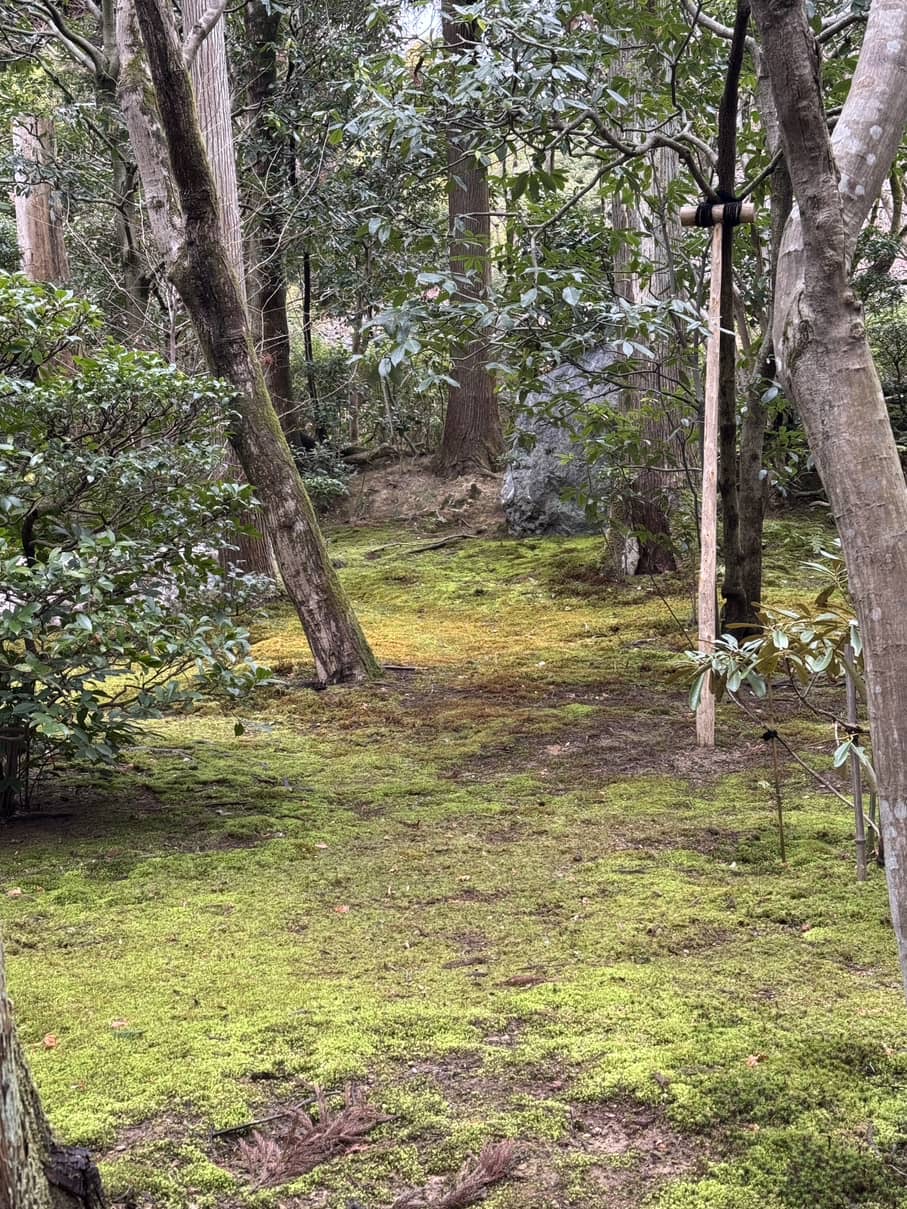
When you travel around Kyoto and Tokyo it’s always good to be with friends but even if you can’t remember there are some interesting places that even a person traveling by themselves can enjoy and can find somebody to talk to. I found myself having a fairly long discussion with a couple from Holland at the Ryoanji temple, the one temple I always visit when I go to Kyoto.