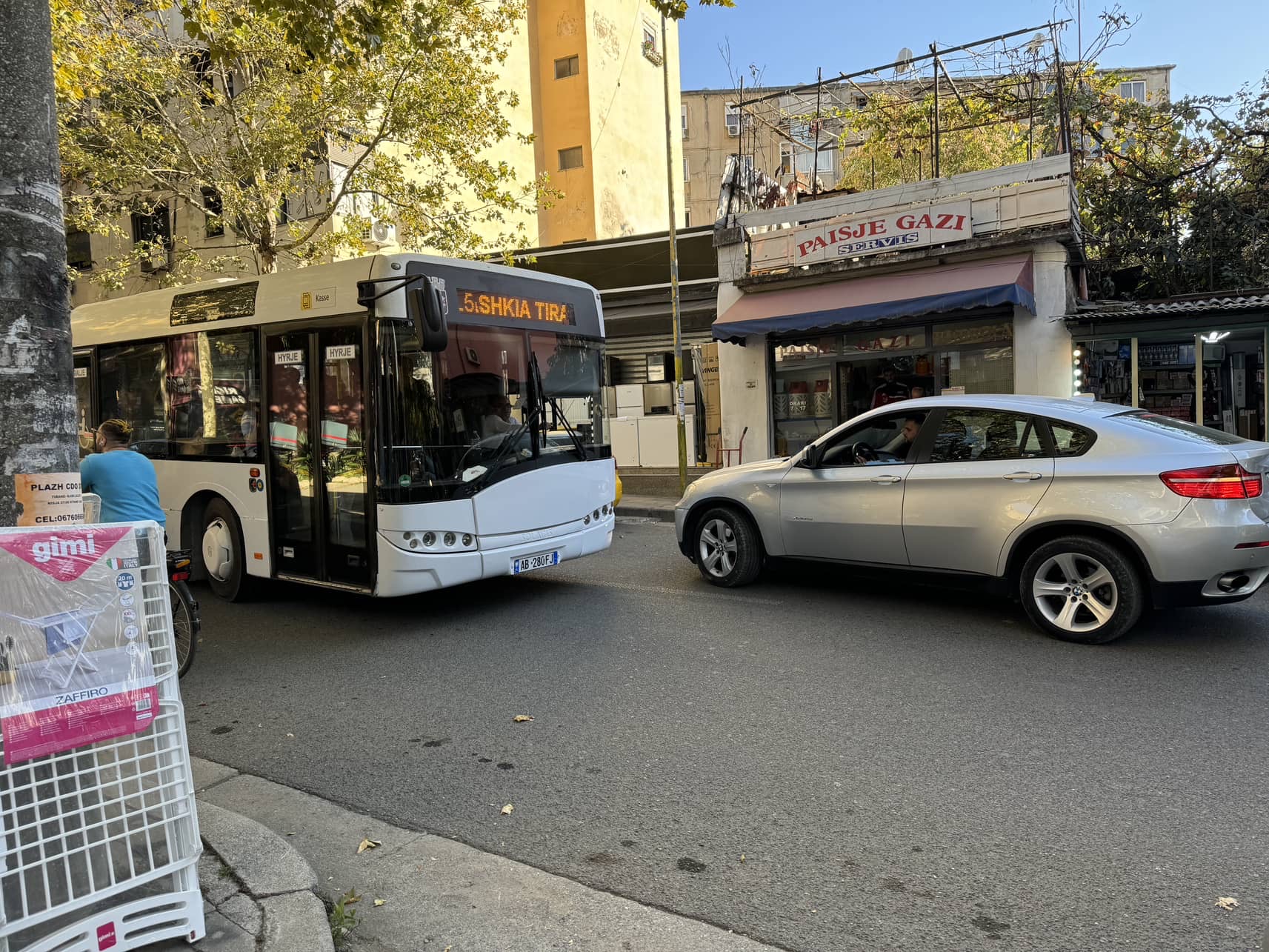
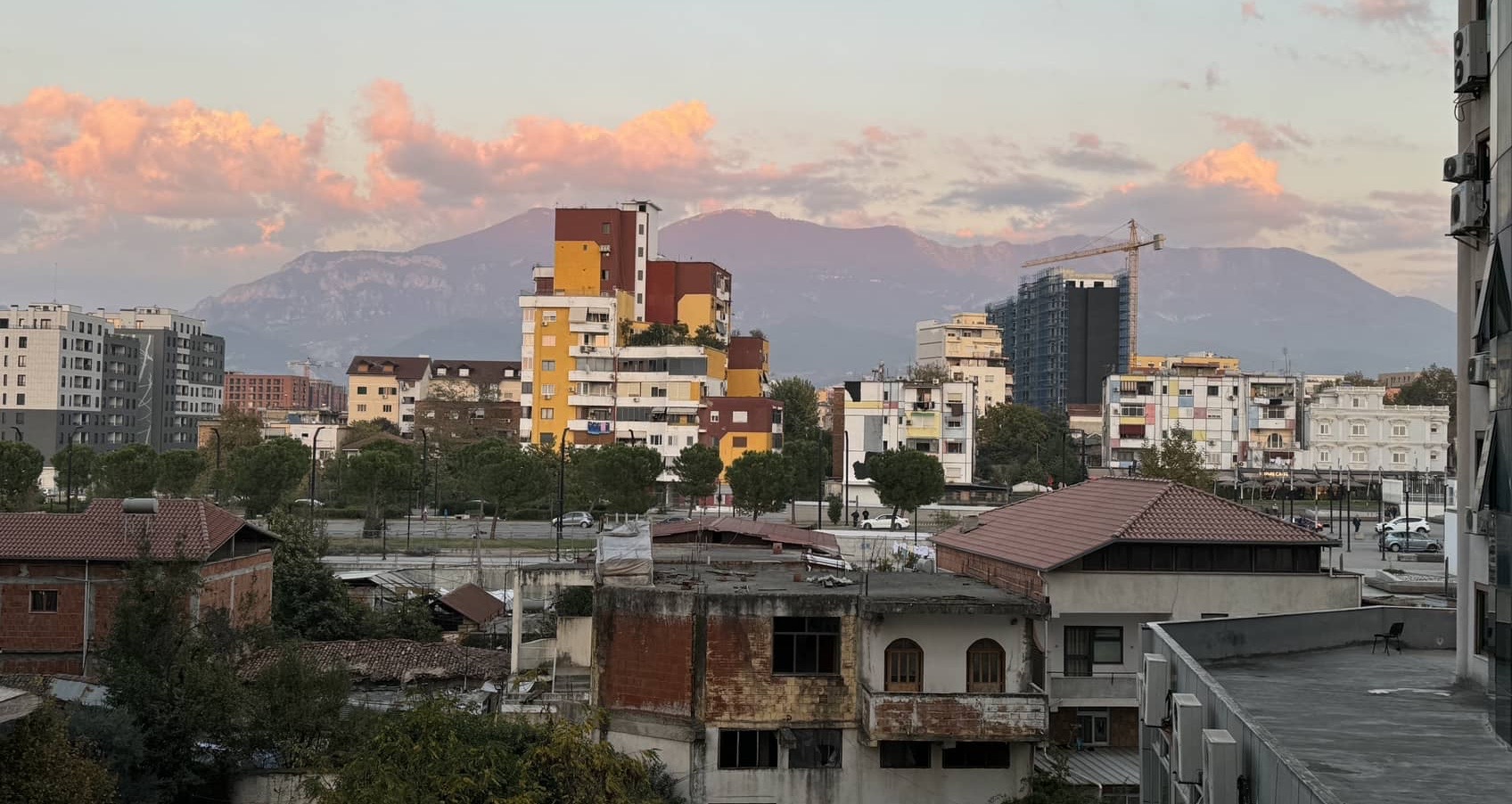
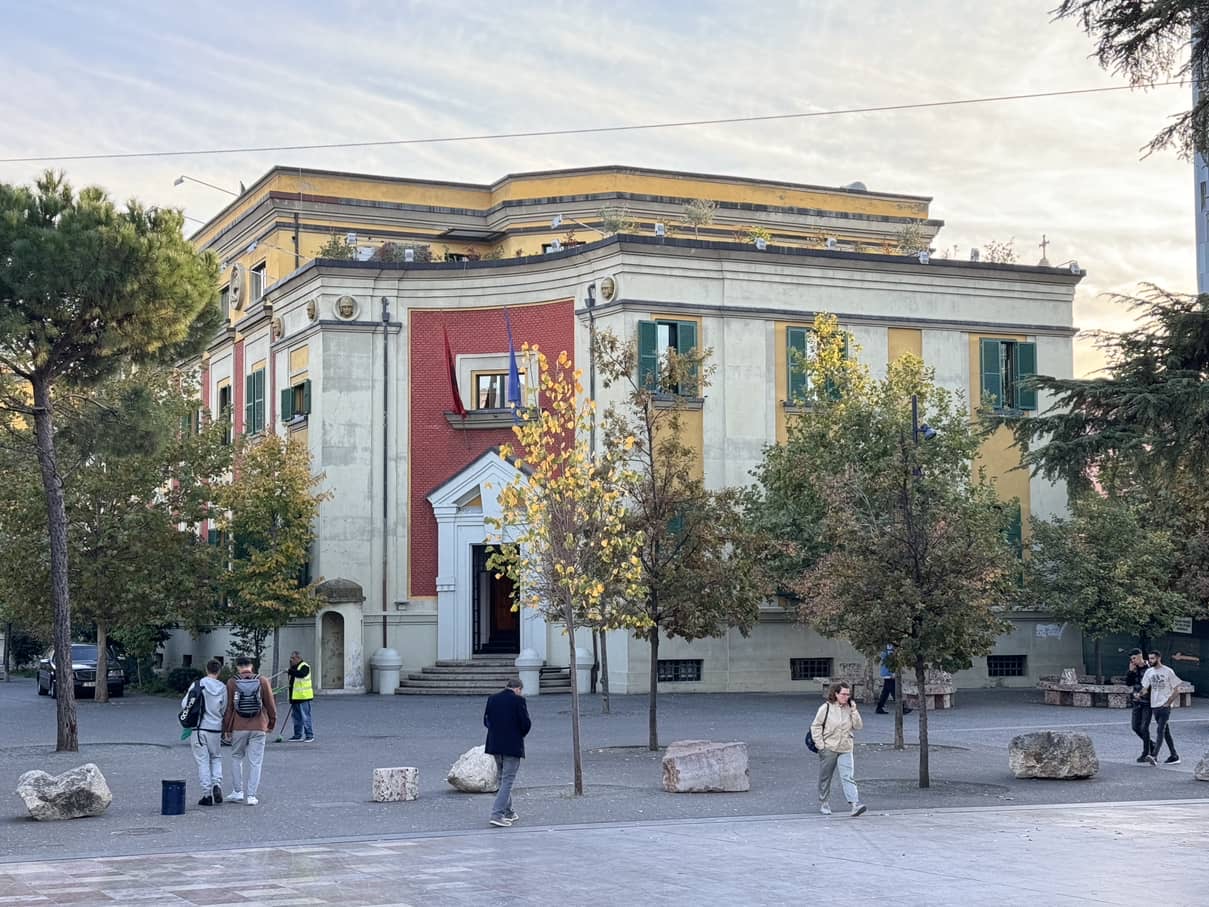
Tirana seems fairly busy but more like a small German town. The infrastructure is needing a lot of investment and there are some inconveniences like needing to buy bottled water since the tap water is not recommended as drinkable. But once you get inside a restaurant or café you find it very nice and clean and people are very polite and attentive. It’s actually a very pleasant city to walk around. The buses are not quite understandable since Google maps shows them with numbers and even the city designated transport maps show the buses with numbers corresponding to the routes, none of the buses have numbers indicating the route and many don’t show exactly where they’re going. The bus stops are just small standing signs with a bus icon. But I found people very helpful and responsive so if you were to take a bus just ask where the bus is going or tell them where you are going and they will let you know if you should be on that bus.
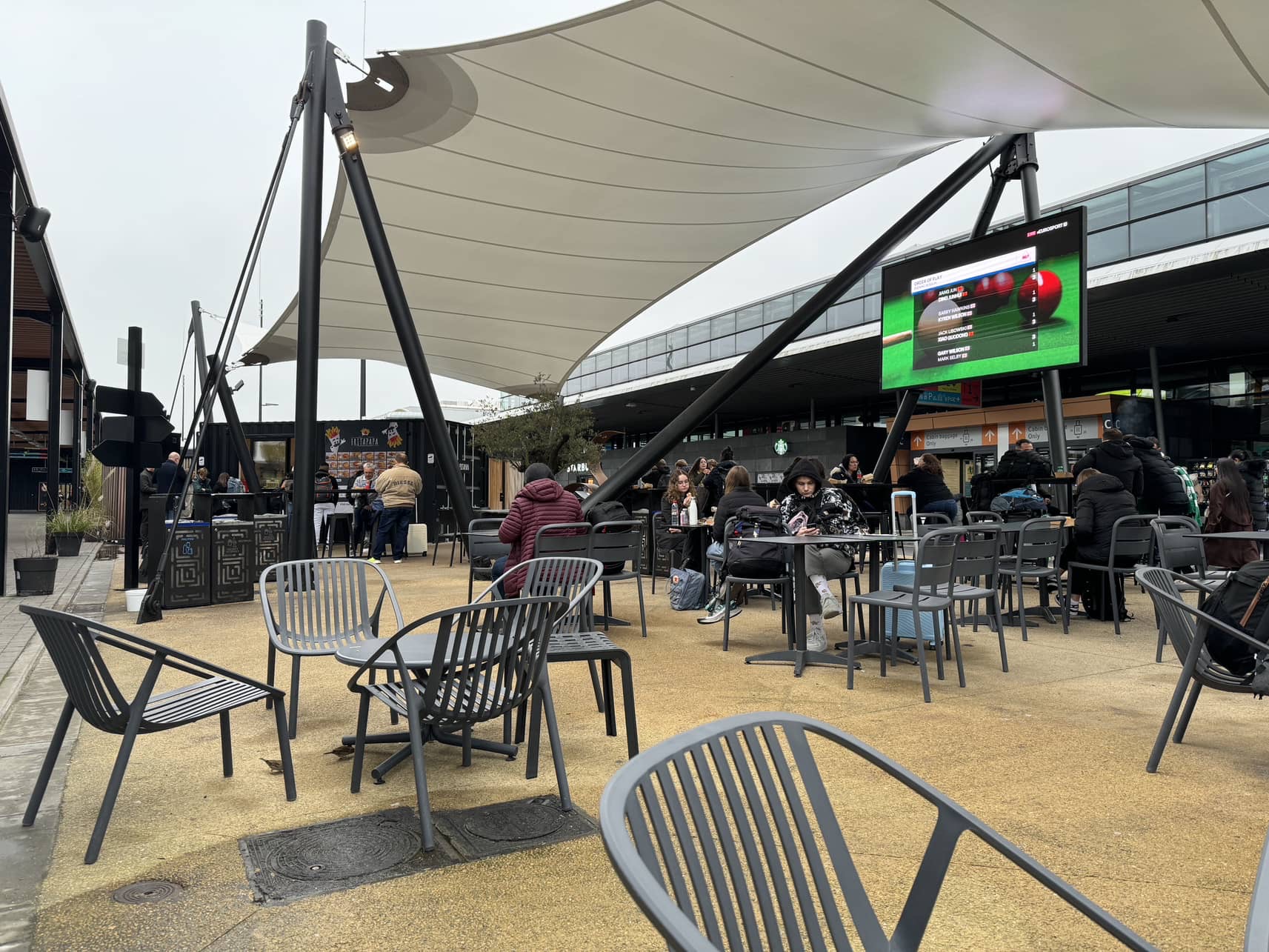
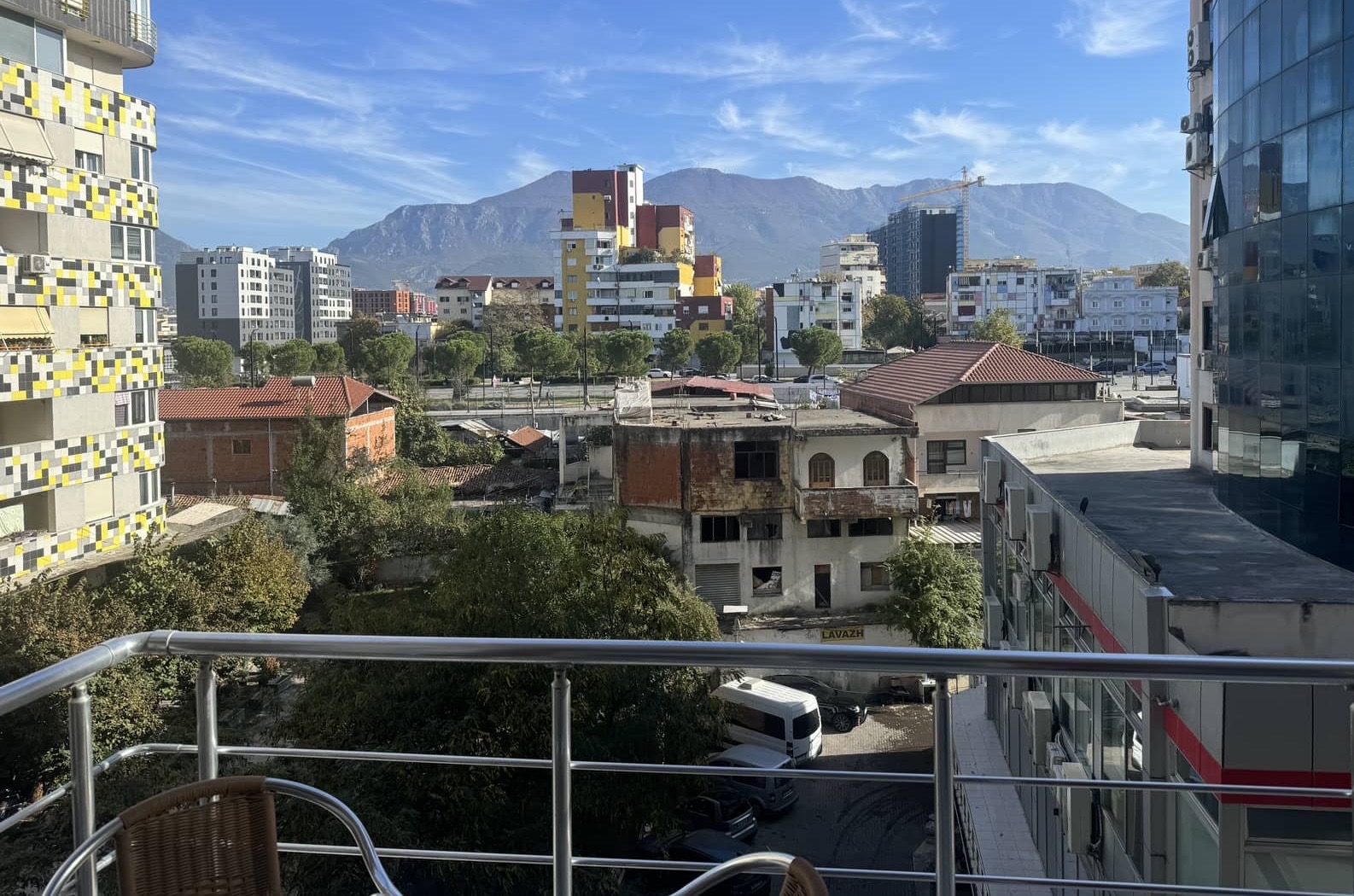
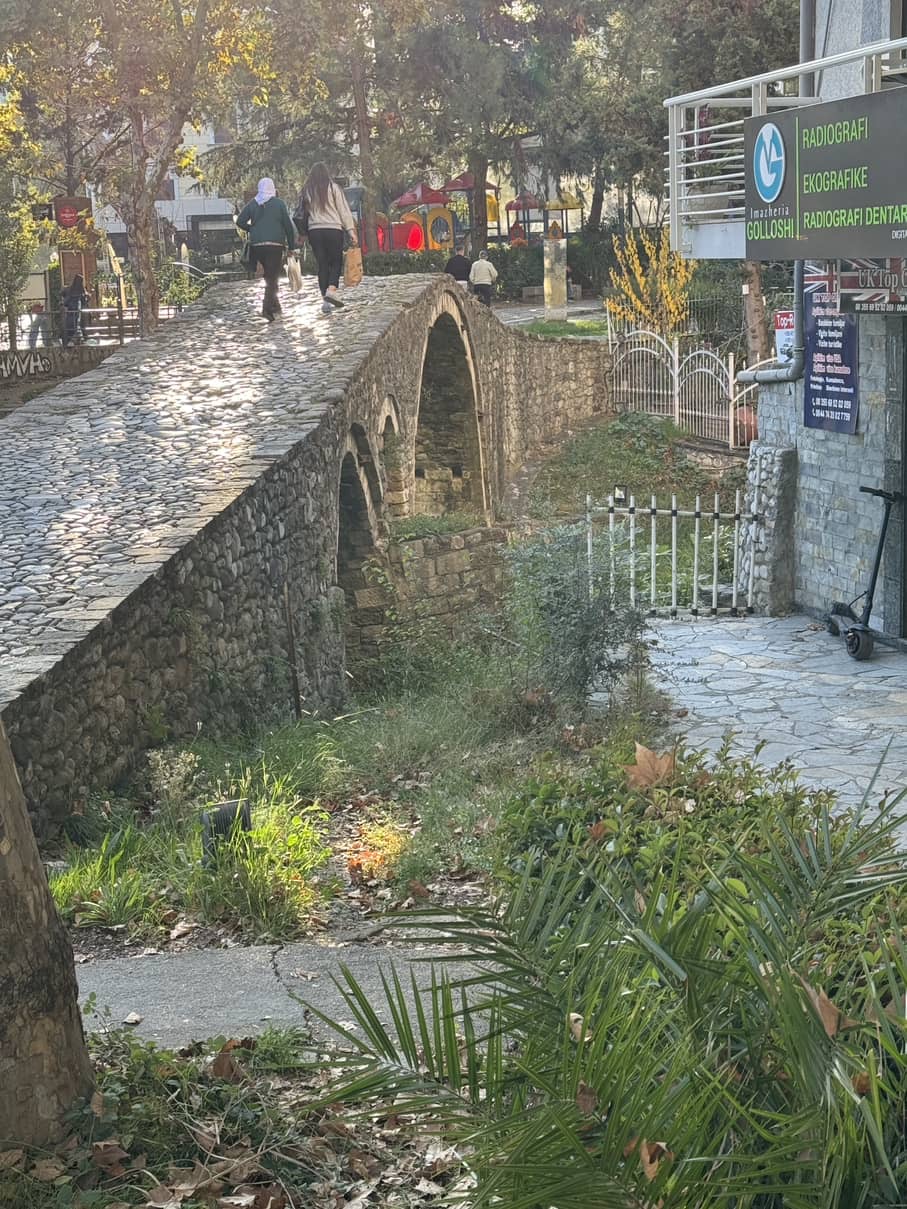
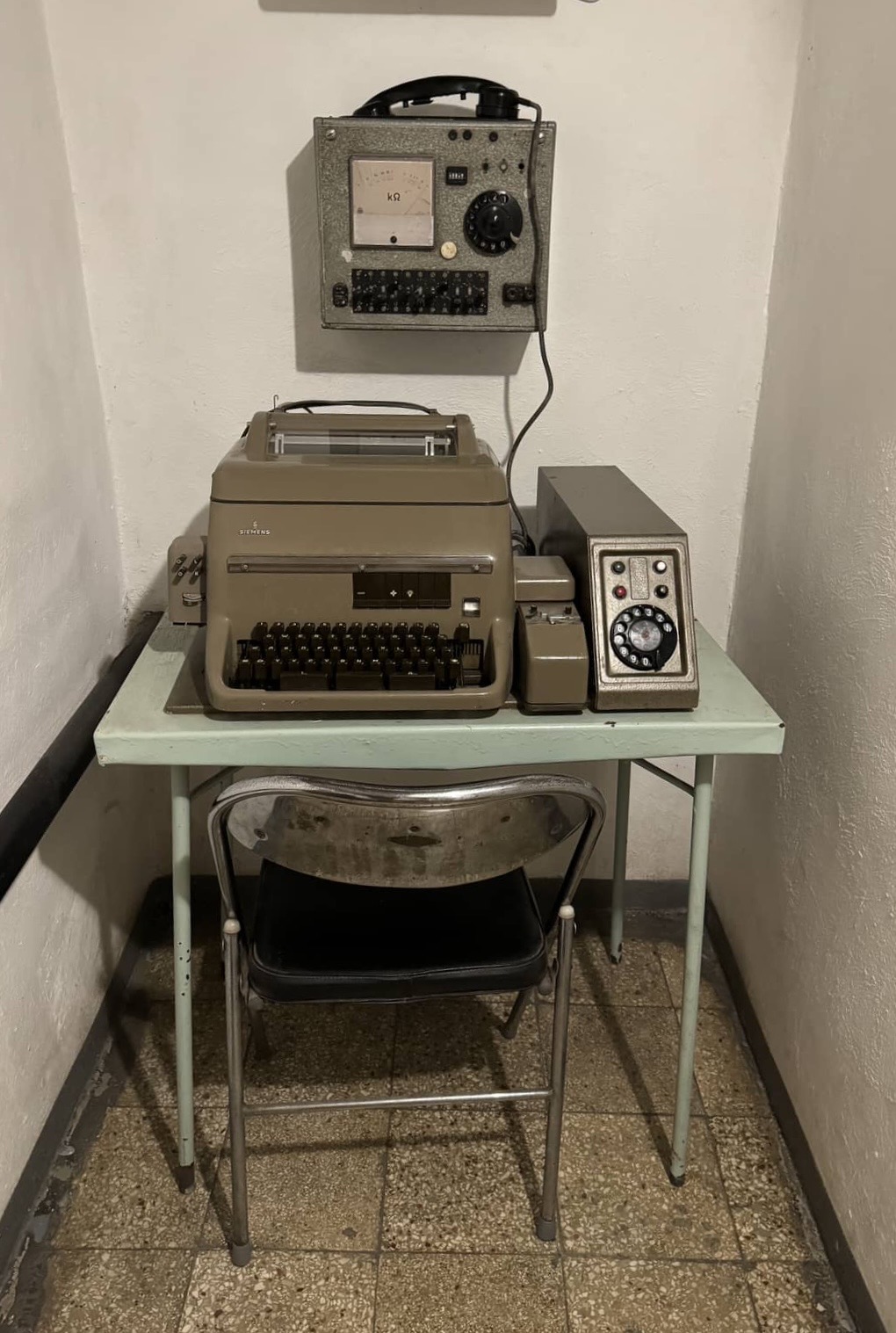
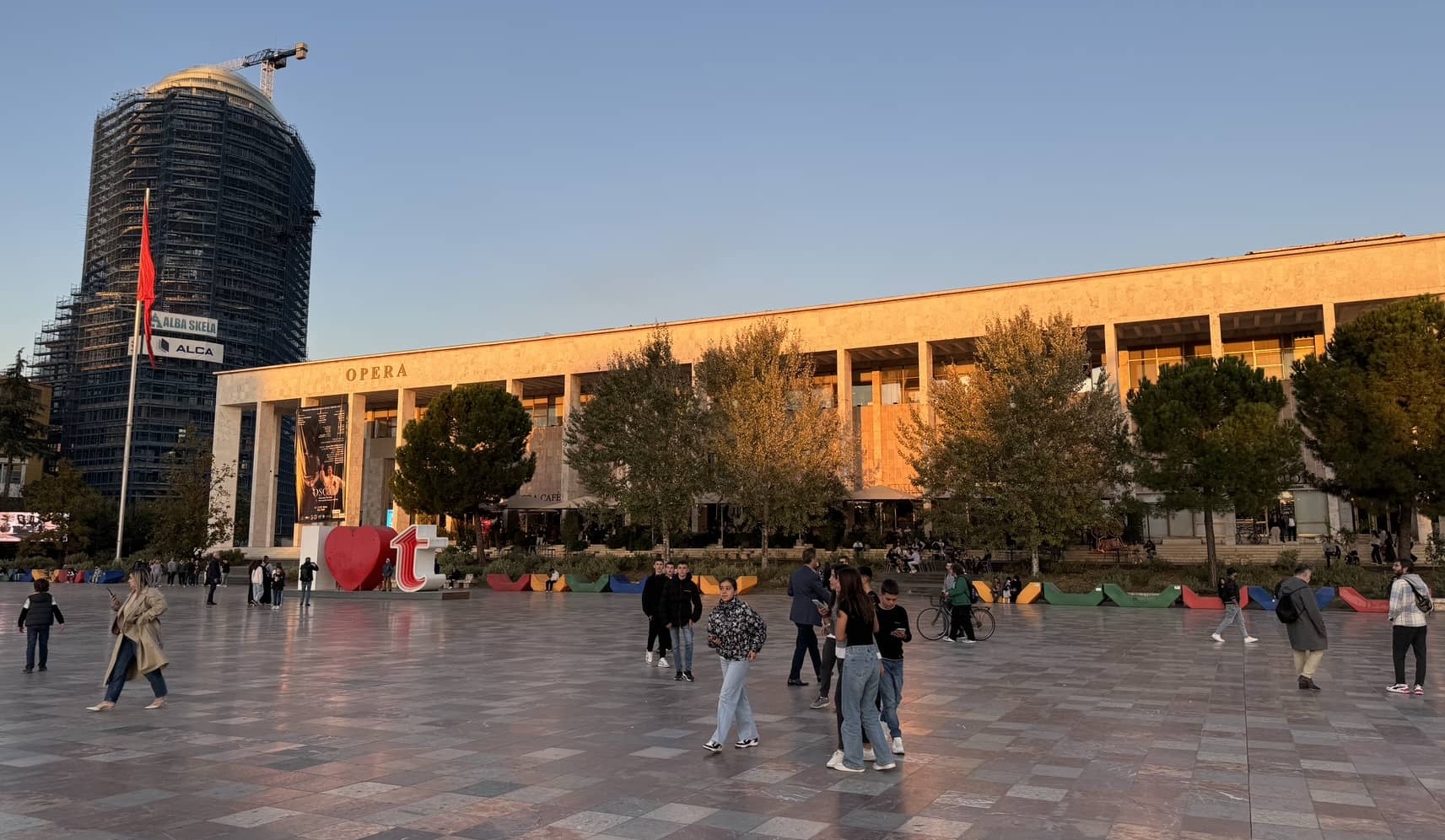
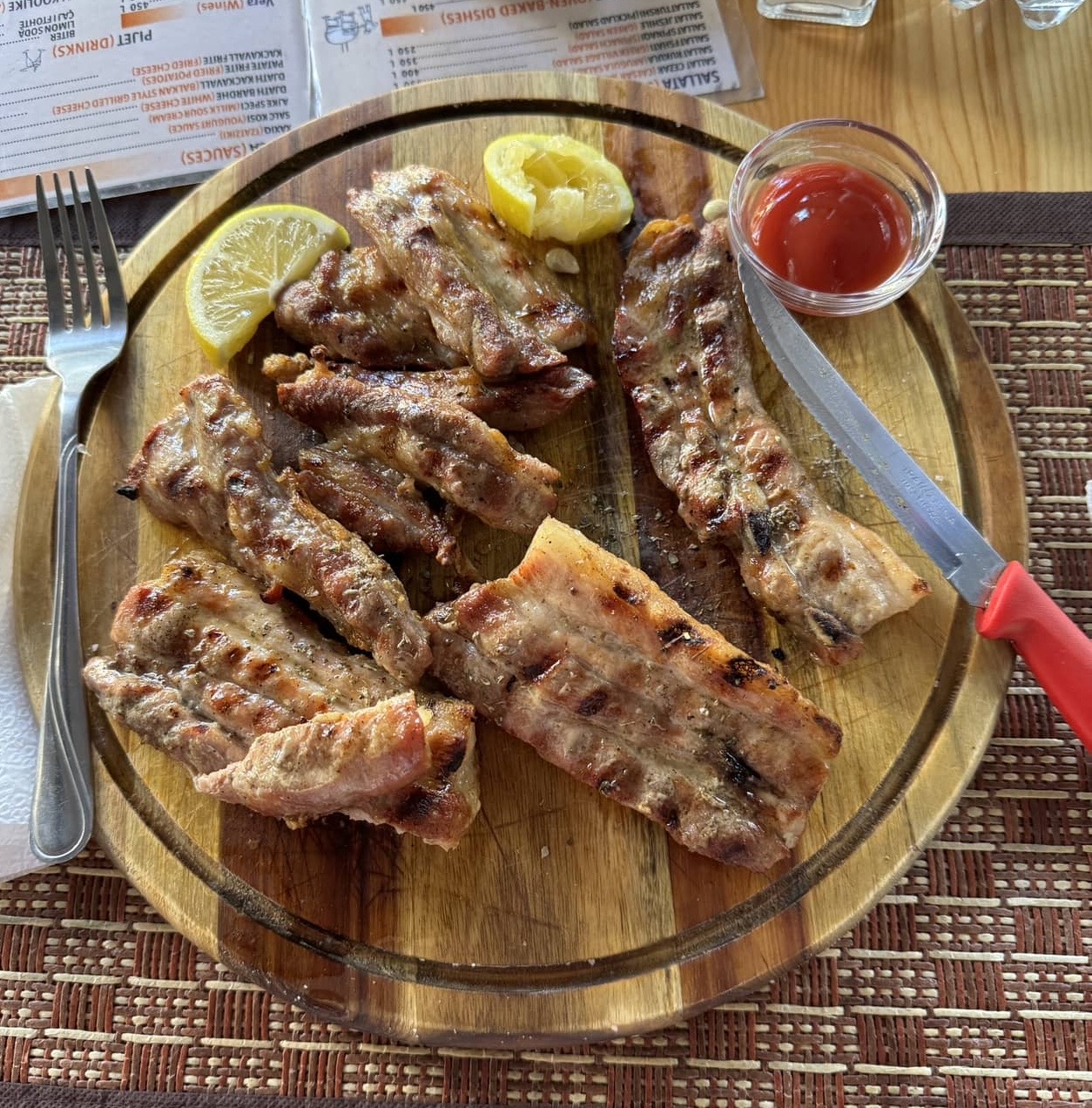
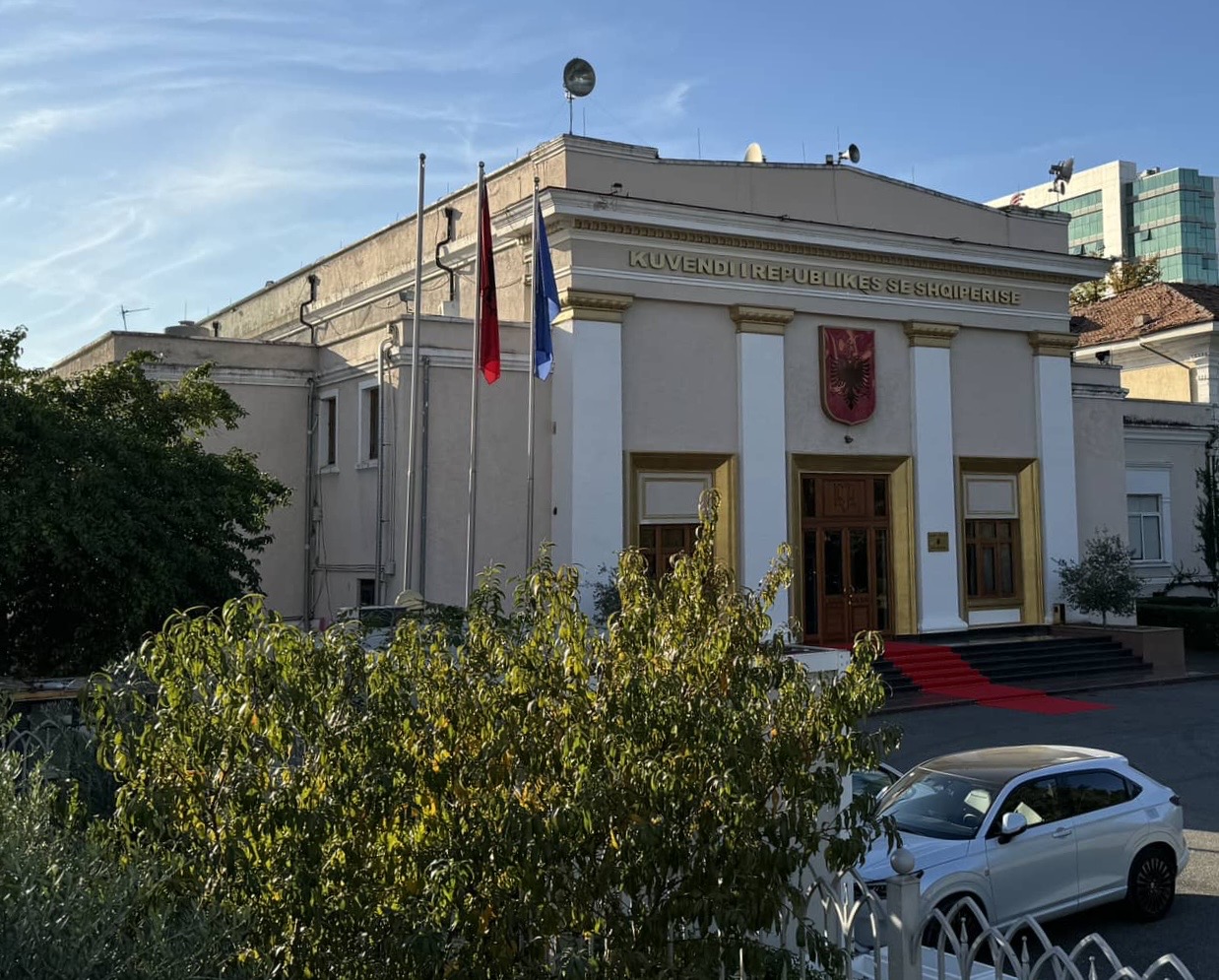
Most of the food and beverages are served outside on the small covered area at the Brussels South Charleroi Airport (CRL) which is really not very close to Brussels. I think they ran out of space at the terminal and found this the quickest way to expand services. This was where I boarded my flight for Albania.A red glass of wine and a cheeseburger seemed to be the right thing after my arrival in Tirana. The hamburger tasted good and was not as expensive as most of Europe. The service was also very good at this bistro, Bistro Park. The view from my apartment which was about US$37 a day for the one bedroom complete with a living room kitchen area stocked with everything I needed to do my own cooking, a pretty nice apartment. Most of the prices for these apartments were very reasonable, Maybe a little bit more than what I paid . it seems there is not quite enough hotel space in this country so people and companies rent out apartments and you can expect a nice apartment like this to be somewhere around twenty US dollars to US$40 a night depending upon the city and location. A very communist style road, very wide and long leading out of the city but not the main road by any means. This country overturned the communist government in the 1990s and is now very actively becoming a tourist destination for people from all over the world. Just an apartment complex area near the huge road above. Everywhere you go you find cafés like this where people are drinking coffee or water or some other drink and they tend to double also as bars so you can buy alcoholic drinks. I visited this place twice because the squid (this version was really cuttlefish) was cooked perfectly and the rice was tasty as well. This lunch was US$13. This electrical system brought back memories of Thailand or Lao. But those two countries have much more extensive and artistic wire confusion everywhere. Walking to a small restaurant managed by the son of a college friend. This is just a typical neighborhood apartment area Southern barbecue at the “Holly smokes” Southern barbecue restaurant open as a regular restaurant but also as a meeting place for the “Christian community “and people interested in that religion. The two fellows running this place have been in the city, from the US, for a few years and really enjoy Albania. The food was very nice. Normally people would have some bread (bun) with the pulled pork but that was too much for me so I just had the meat contents. this is definitely double billing.This bus had a destination indicated but no bus number. A circle around the center of the city is covered by the “green line”. Most of those buses are green but some are not but they do say “green-line” on the front of the bus. To pay for the bus you just get on and there is somebody walking up and down to collect the fee which in the city is about 40 US cents. Not the most attractive main waterway running through the city but I expect over the years they will make great improvements here. The old bridge in the city, very attractive. I didn’t translate the plaque on the outside but something to do with a monument to the communist something or other The evening view from my apartment Bunk’art museum highlighting the history of Albania since the founding of the country.In 1960s communication center when the party (Maoist) controlled everything. The communist party was overthrown in the 1990s and the oppression of the people is on display at this museum.Worse than schizophrenic. I am again having a conference with myself, shades of Prague .I think you can appreciate the symbolism here On the map this is indicated as the cultural center but it seems to be used mostly for large crowd entertainment such as the opera. This is in the main Square.I had to try this restaurant again. This time it was squid, 200 g so it came to US$22. It was delicious. This is the traditional meat and fish restaurant at the corner of Rruga Reshit Petrela and Rruga e Barrikadave. It is not expensive and it’s all local food.Name brands in the local shopping mall. Conad is the nationwide supermarket.Statue of the unknown soldier Grilled pork ribs without hardly any bone on the plate was cooked perfectly and very delicious. I asked for some sauce and what they had was ketchup which I did not use, of course. My lunch came to about US$10 I found what I have been looking for all my life, a UFO university The intercontinental is also here. I think by the size of the building they are trying to make up for the lack of hotel space. Every time I walked by this statue they had police standing outside. I am not sure why because I never asked. The history of the pride of the Albanian people. A beer festival in the main town Square I have seen some of the strangest architecture here, this one obviously not finished
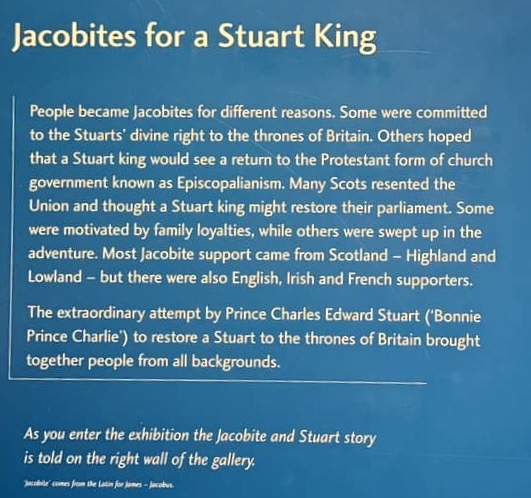
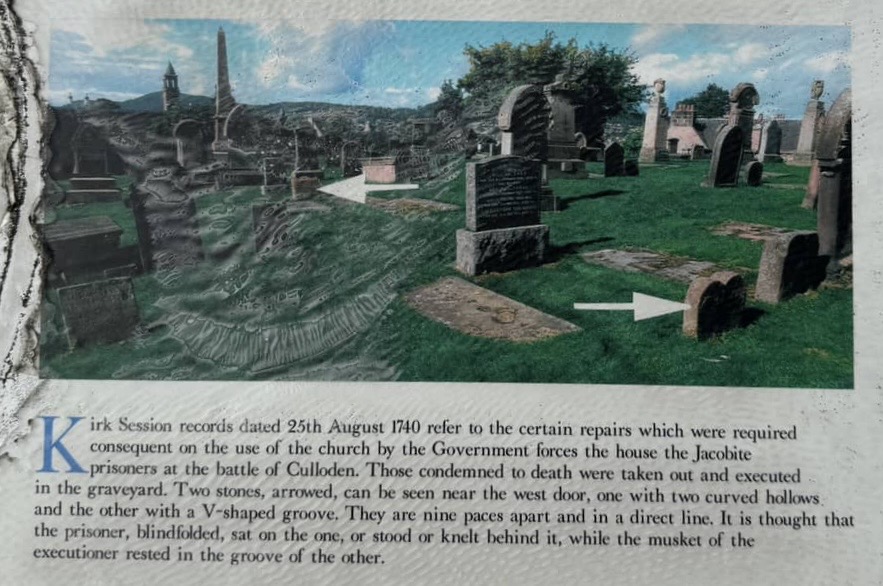
Inverness is where you go to see Loch Ness and Culloden’s Moor where the Jacobites (believers that the son of James II from his second marriage should have inherited throne) led by Bonnie Prince Charlie challenged the brother of the king of England, George II, To a battle in a soggy and marshy terrain against modern Canon warfare on the English side. The story I didn’t know was that the followers of Charlie had almost marched into London and had a some chance of dethroning George. But they decided to go back to Scotland and on the way had some very successful battles. They almost won the crown but George’s brother a mass far superior weaponry.
jacobite is from the Latin form of the name James, Jacobus. It refers to the followers of the royal family from the second marriage of James II.
The first time I ever had haggis. It was actually pretty delicious even each time I tried after this This marks where the Jacobites Gathered for the battle. On the other side there is a corresponding red flag for the EnglishThis is the Moor. but it is filled with sunken, marshy areas where, evidently, the Scottish troops had problems advancing
what Family tree shows is that when there were no more heirs through the first marriage of James II of England (Scottish by ancestry and the king of Scotland), they decided to grab George from Hanover who didn’t speak English. What I didn’t know until I saw this tree is that he was a blood descendent of James I And was not just picked from some obscure claim. George was the beginning of the house of Hanover which continues to this day.
An important cultural site I never tried this but I’m not really excited about doing so The Inverness ocean Inlet which connects to Loch Ness. After seeing the map and the area itself I can imagine that when the ocean level here was very high some large fish could swim into the loch and grow and then become an extremely large fish or mammal or whatever to be viewed 400 years ago as a “monster”. So the story is not far-fetched and I believe there is some truth to it but I suspect it was just a very big fish or mammal which couldn’t get out of the loch. The other sightings were probably just large fish. In the late 1800s it’s pretty clear that everybody else’s sightings were just made up stories.
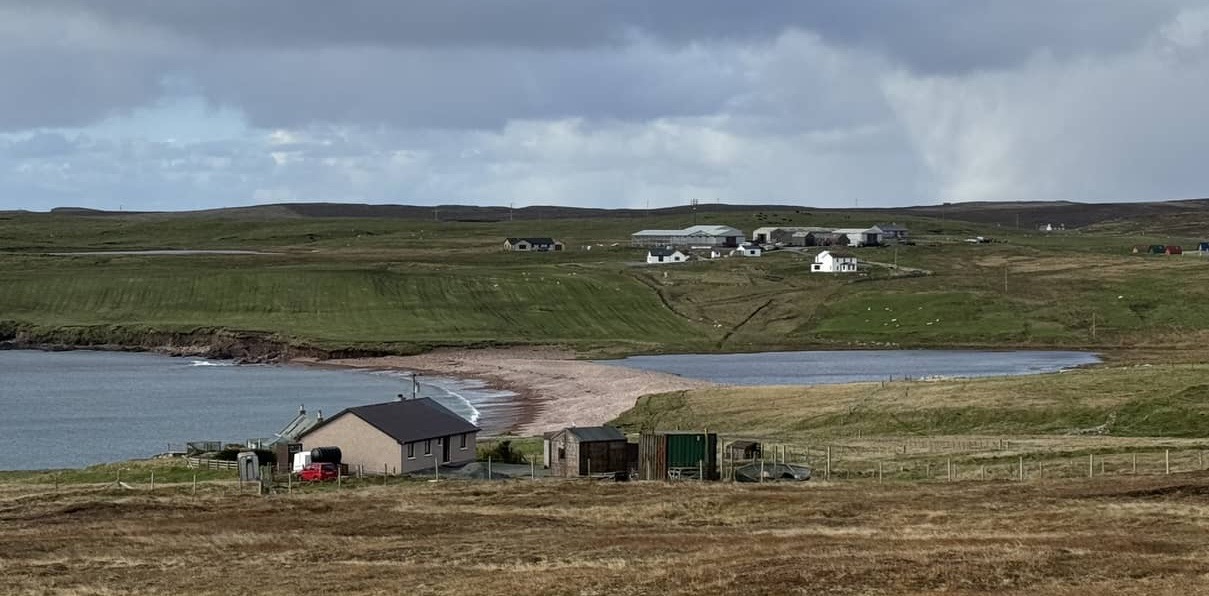
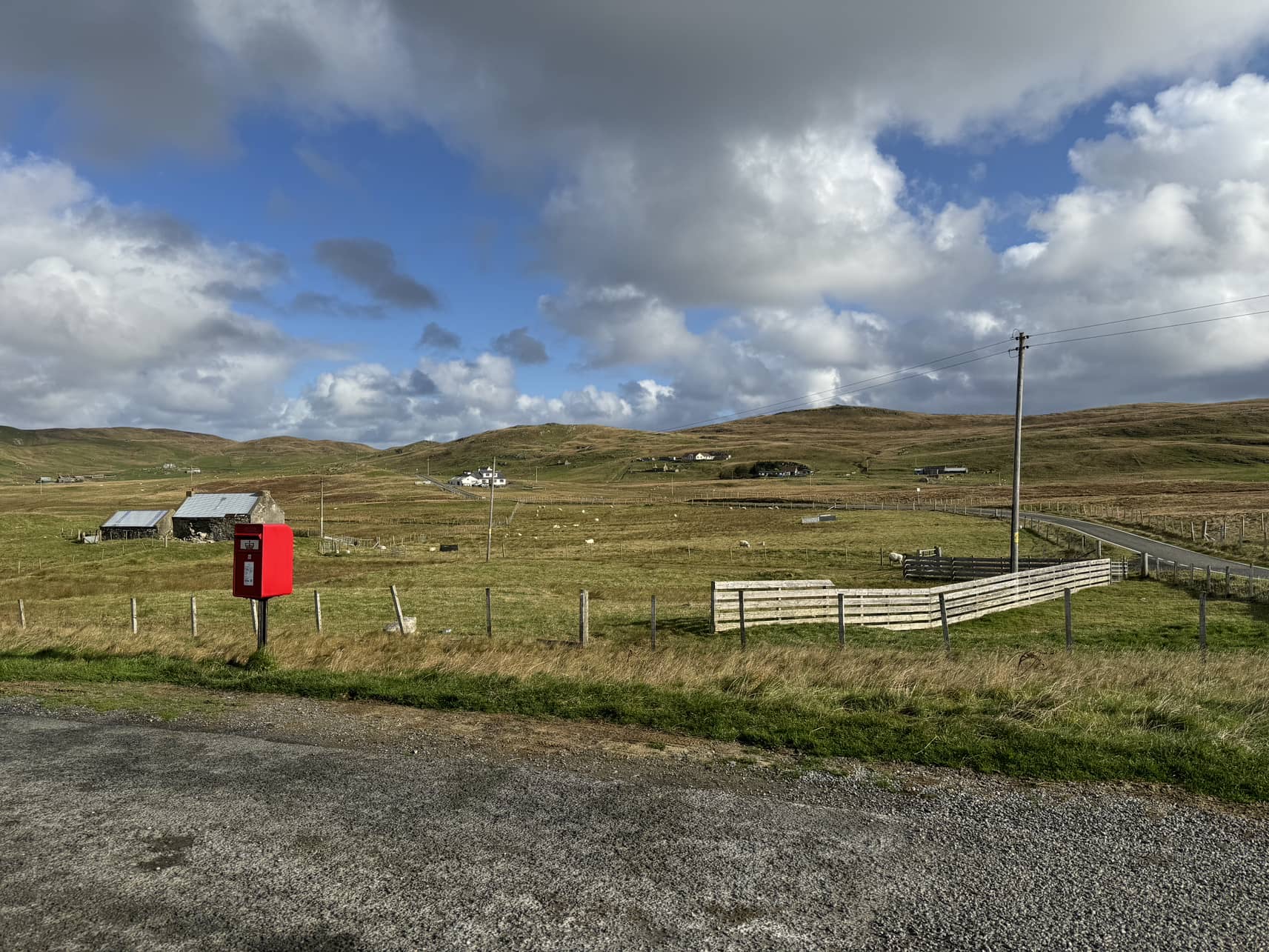
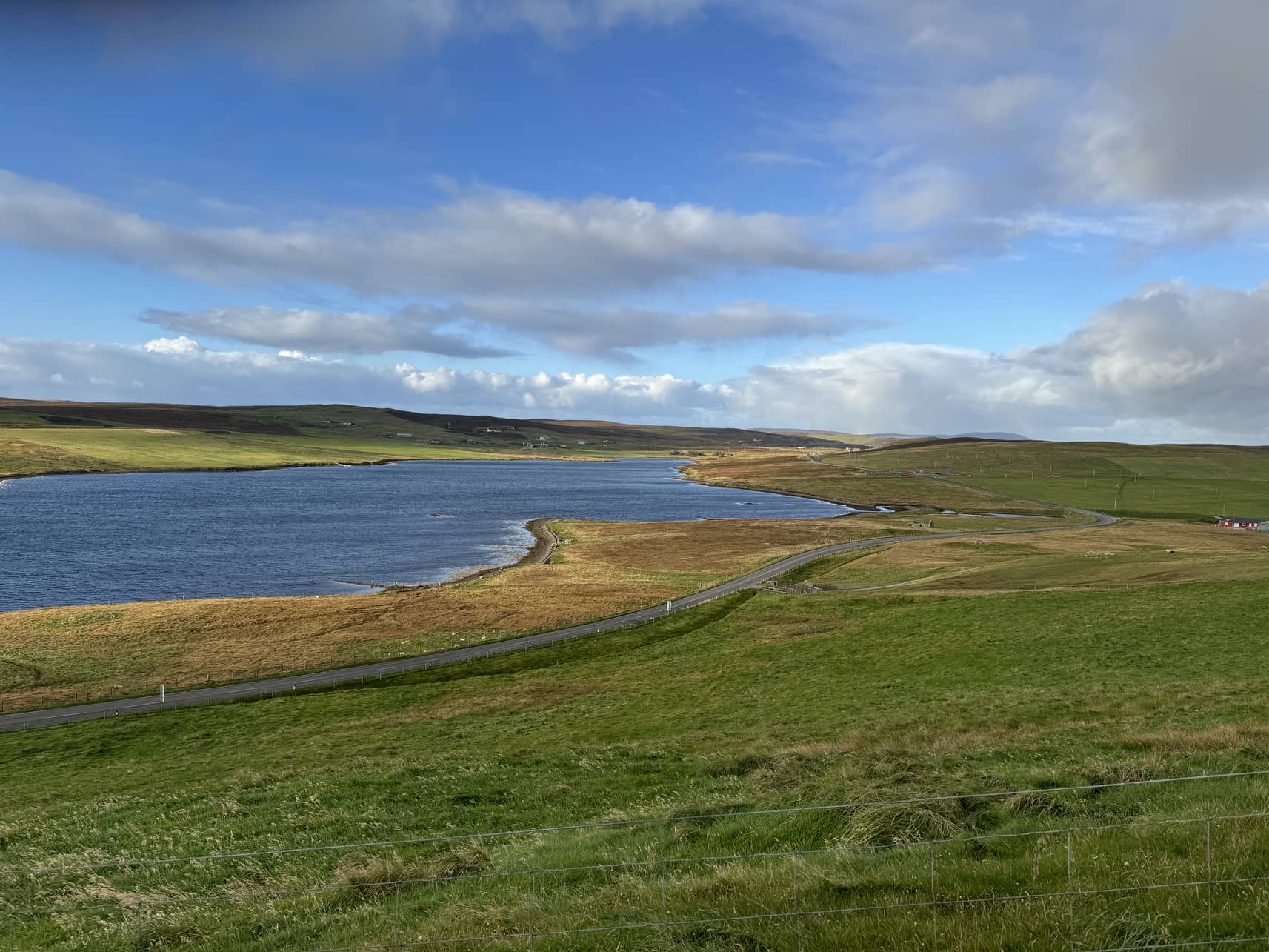
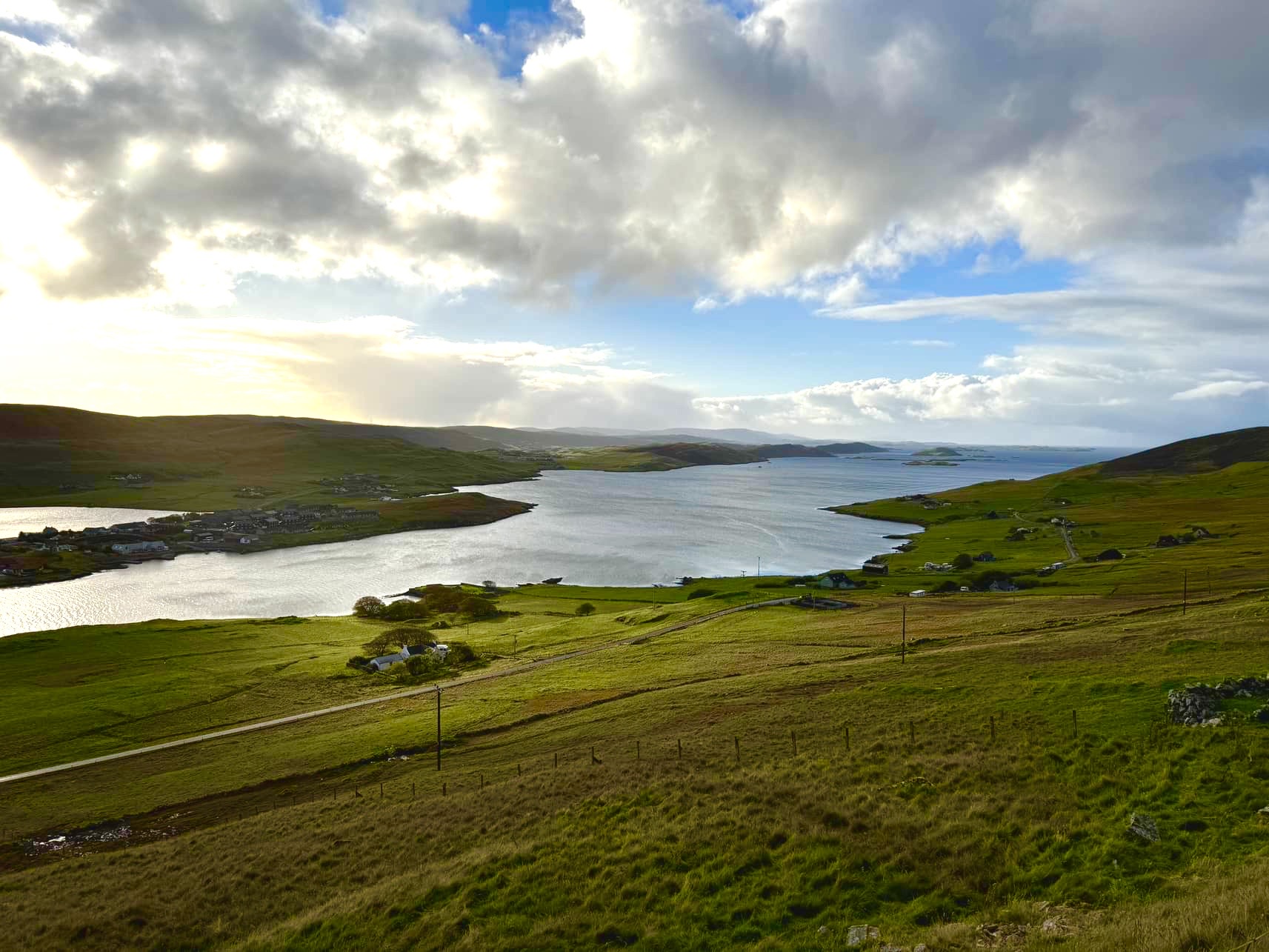
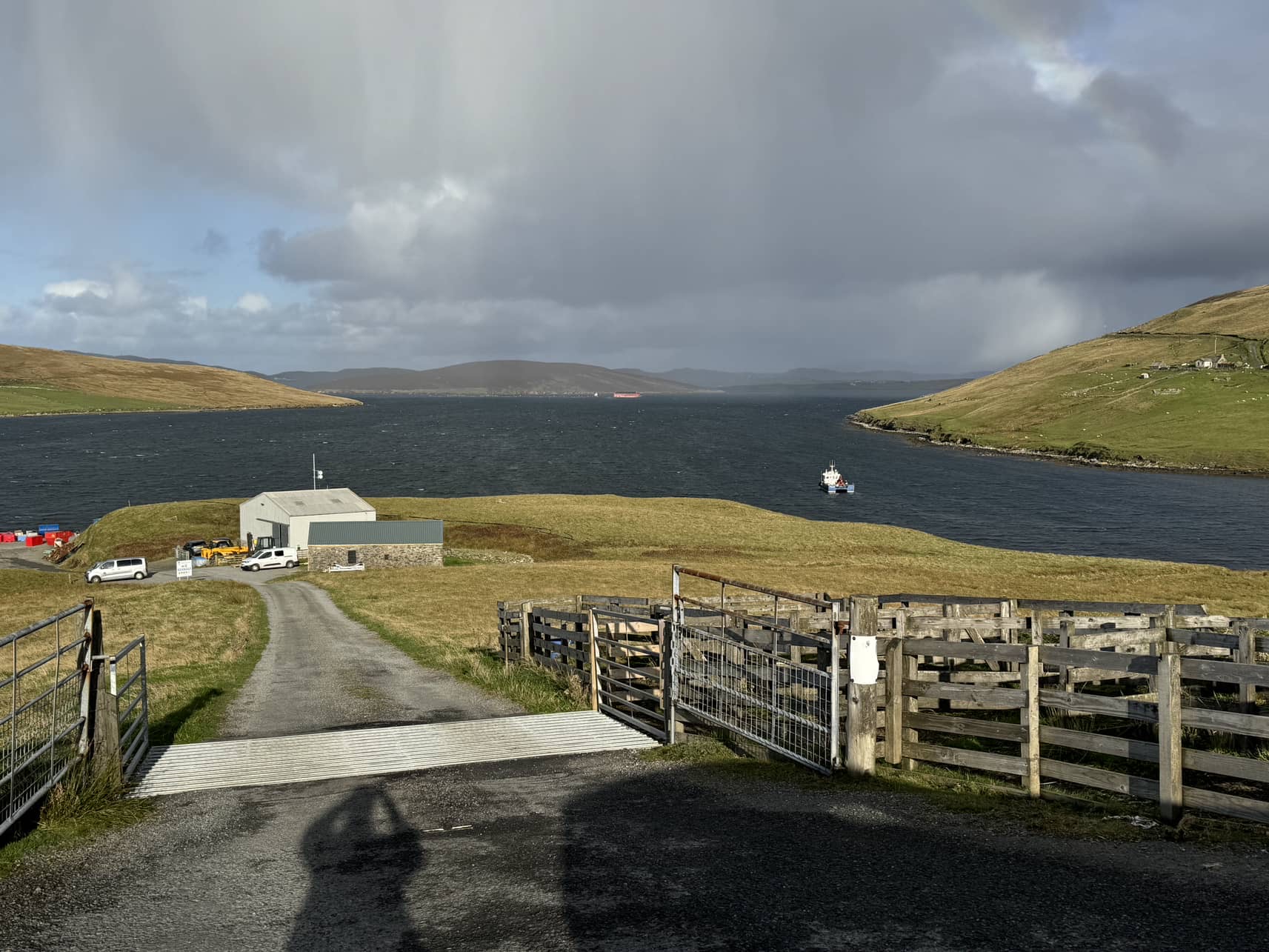
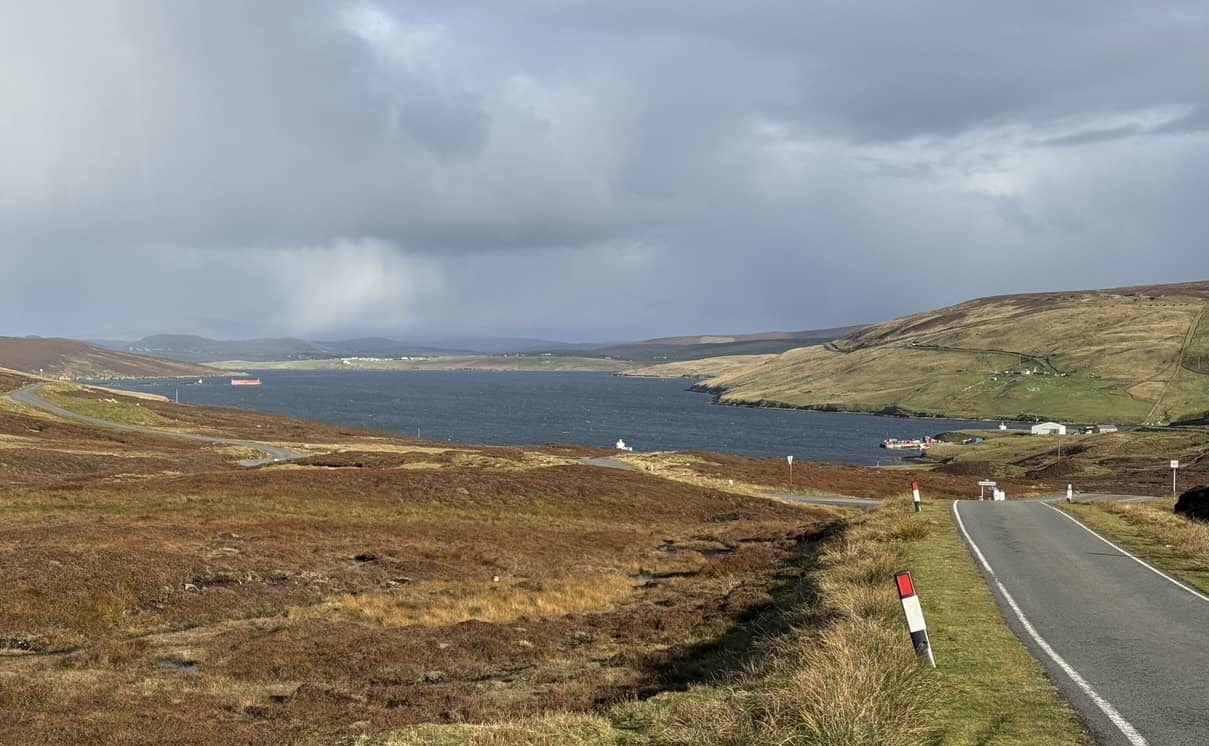
the first visit to the Orkneys I didn’t have a car which made it extremely difficult to go and see what I wanted to see so I went back to the mainland, rented a car and went by ferry to the Shetlands and then back down to the Orkney before returning to the mainland.
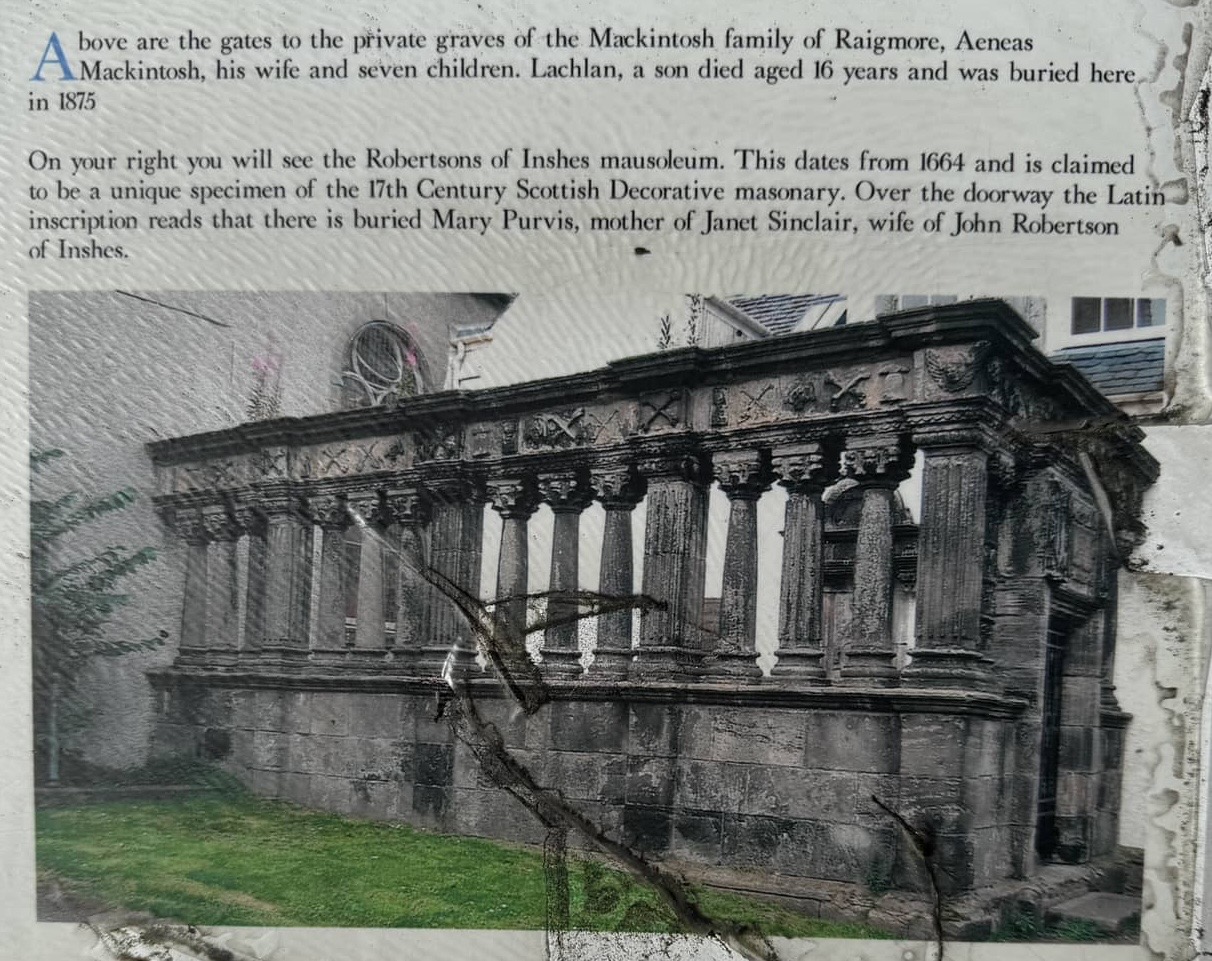
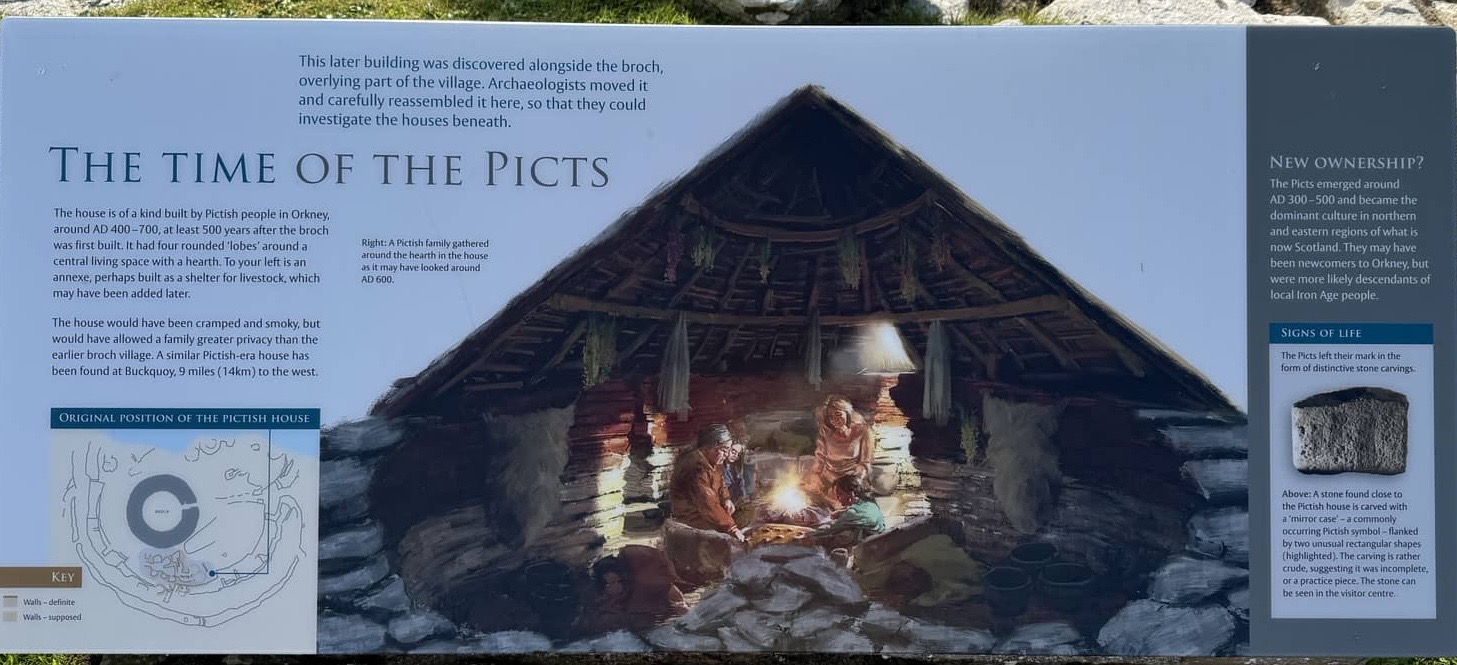
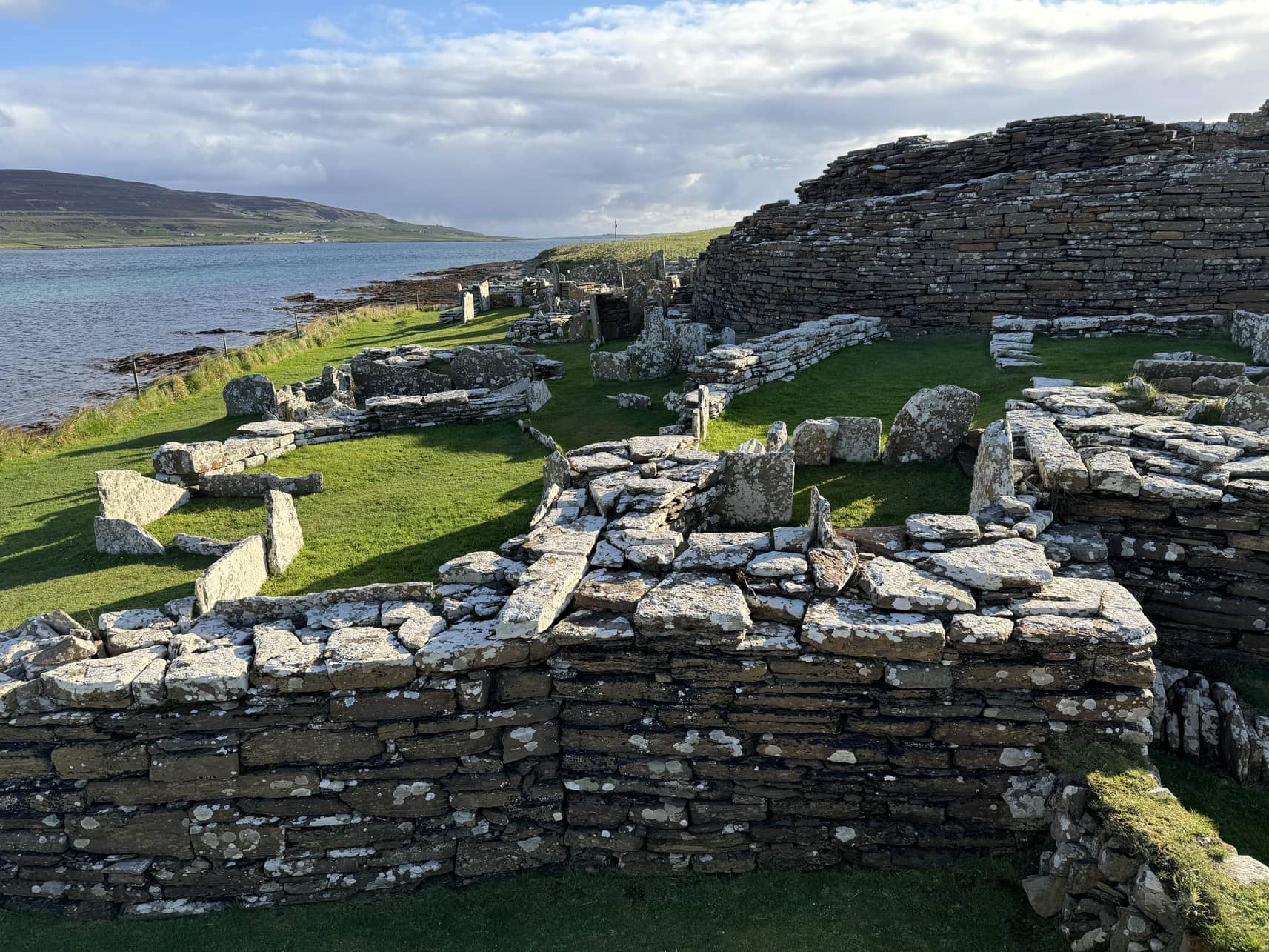
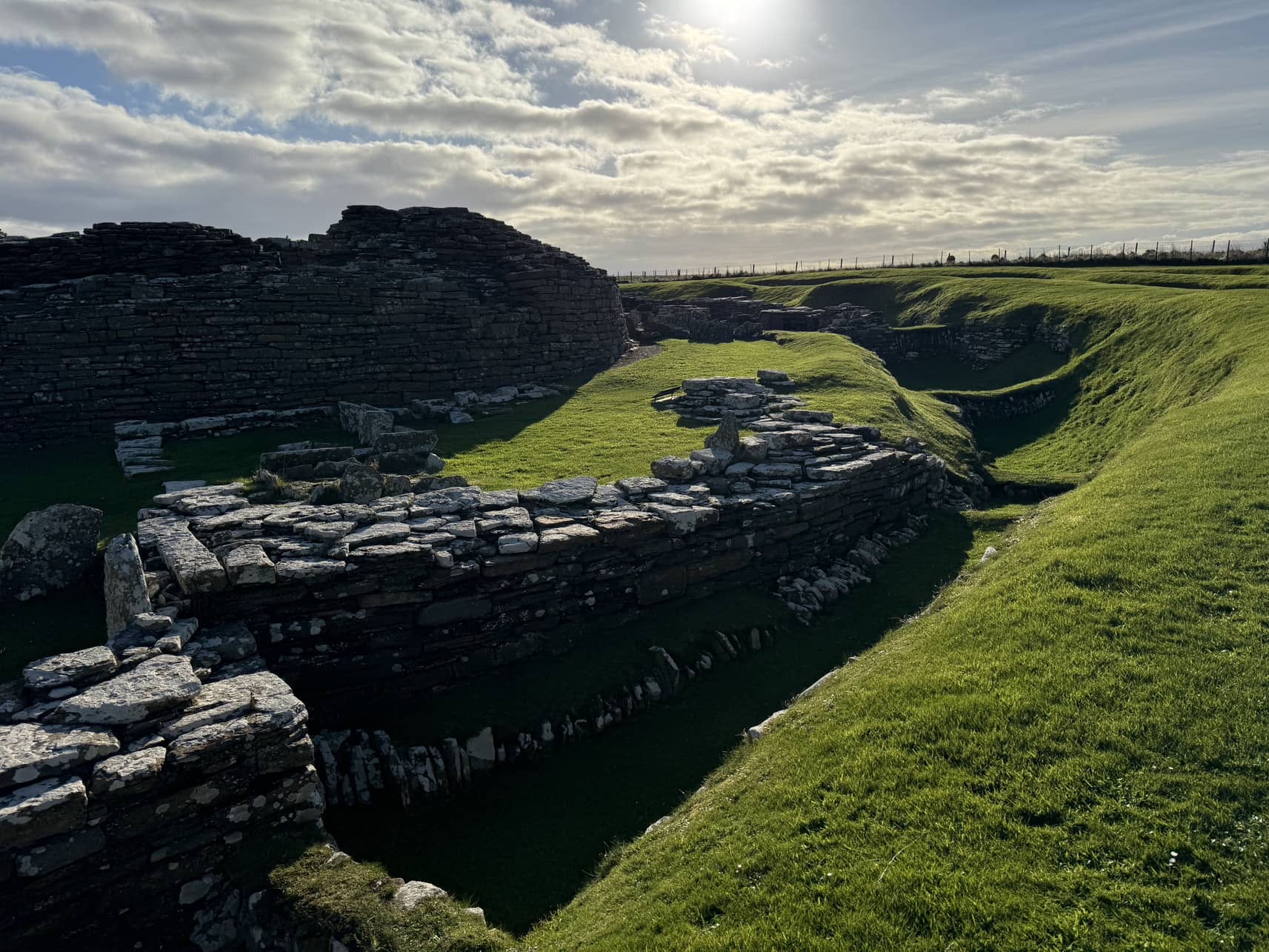
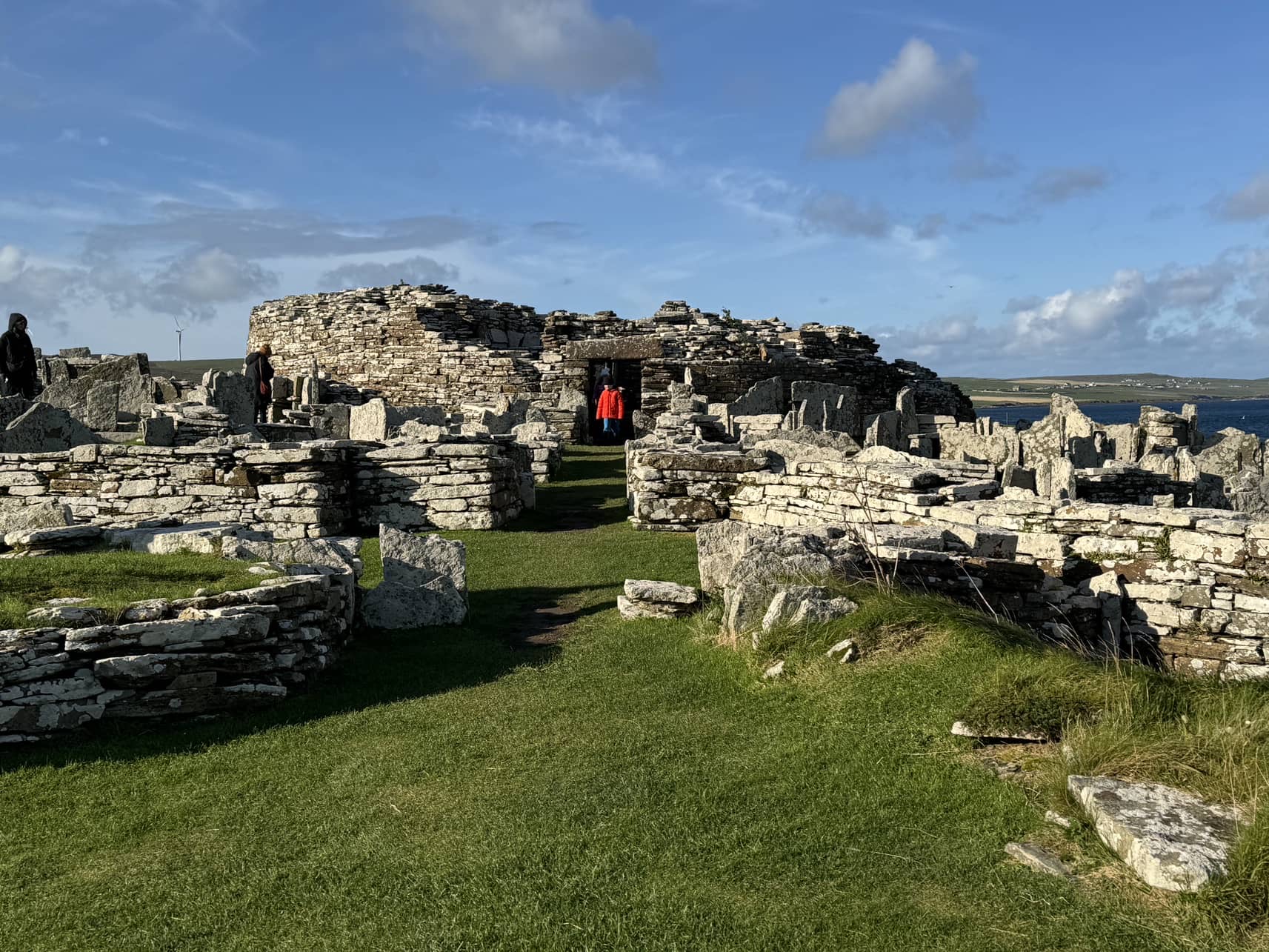
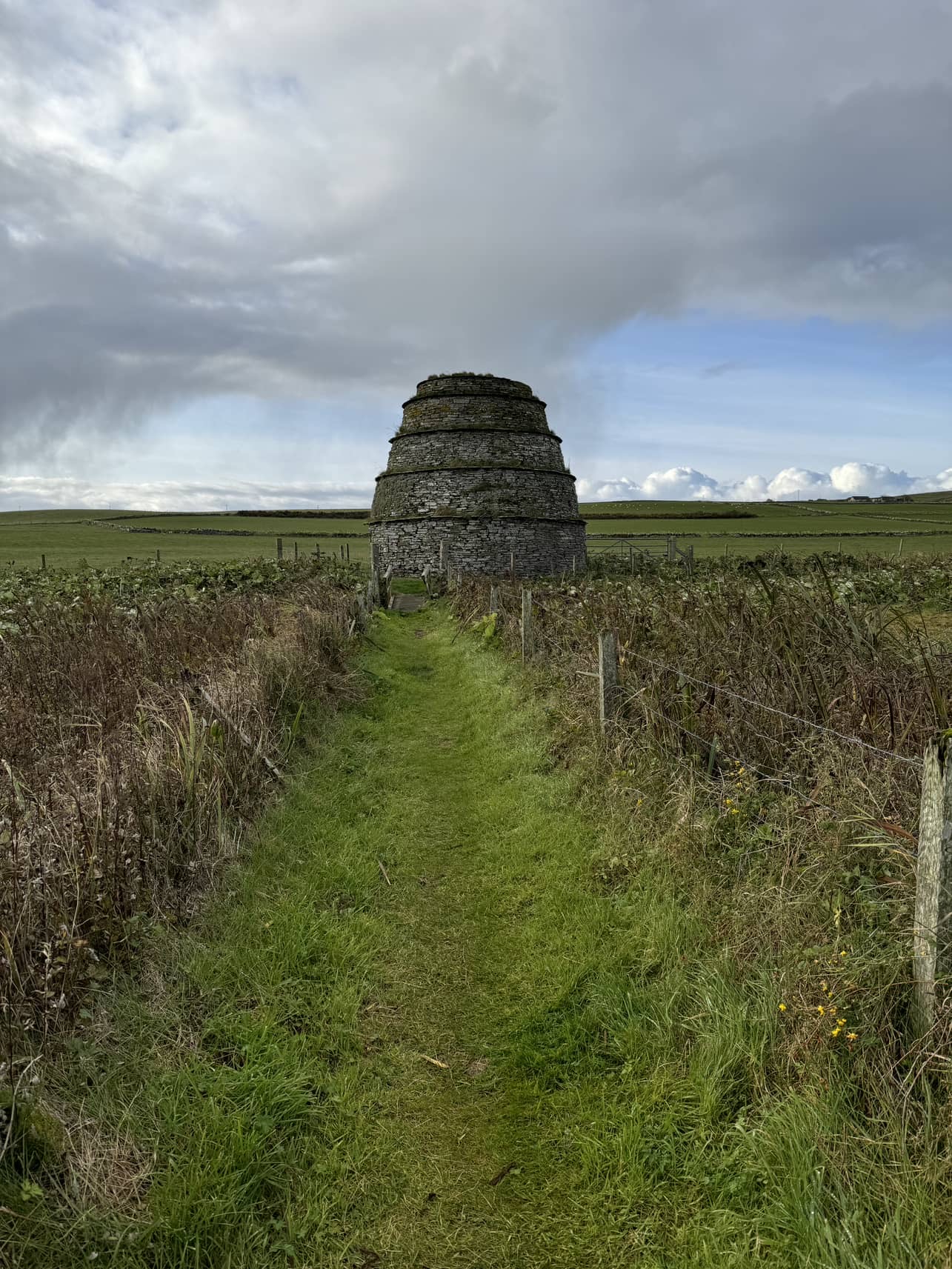
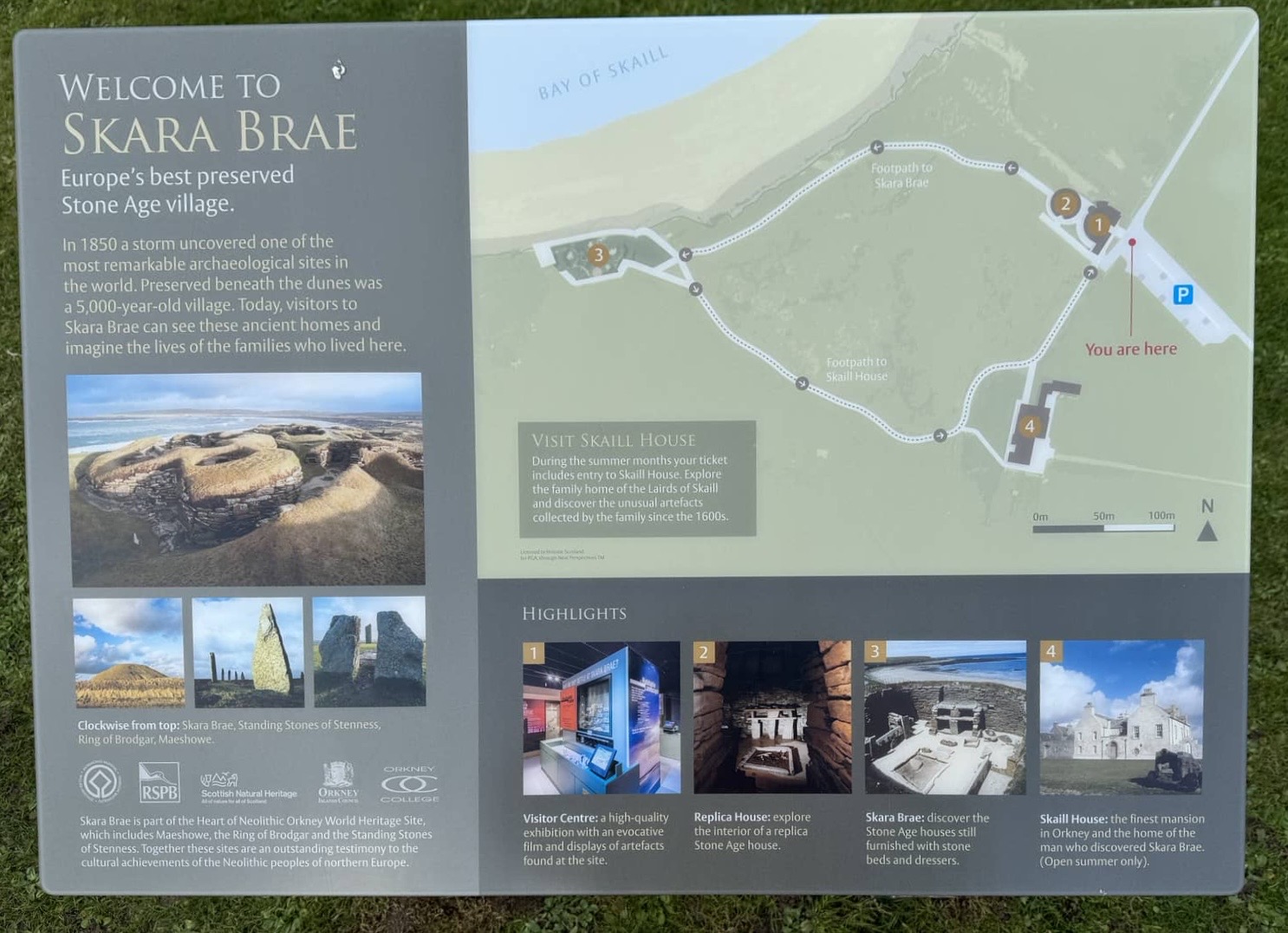
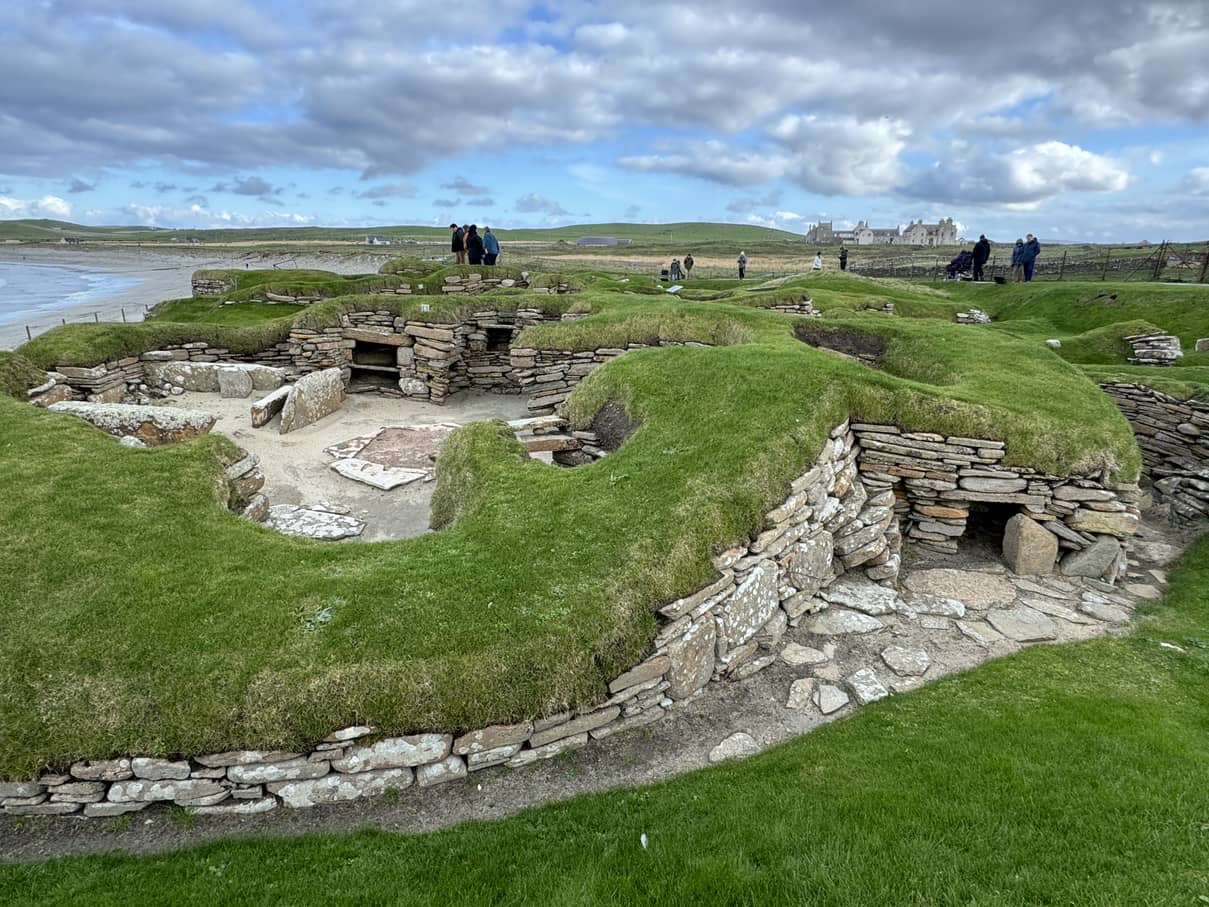
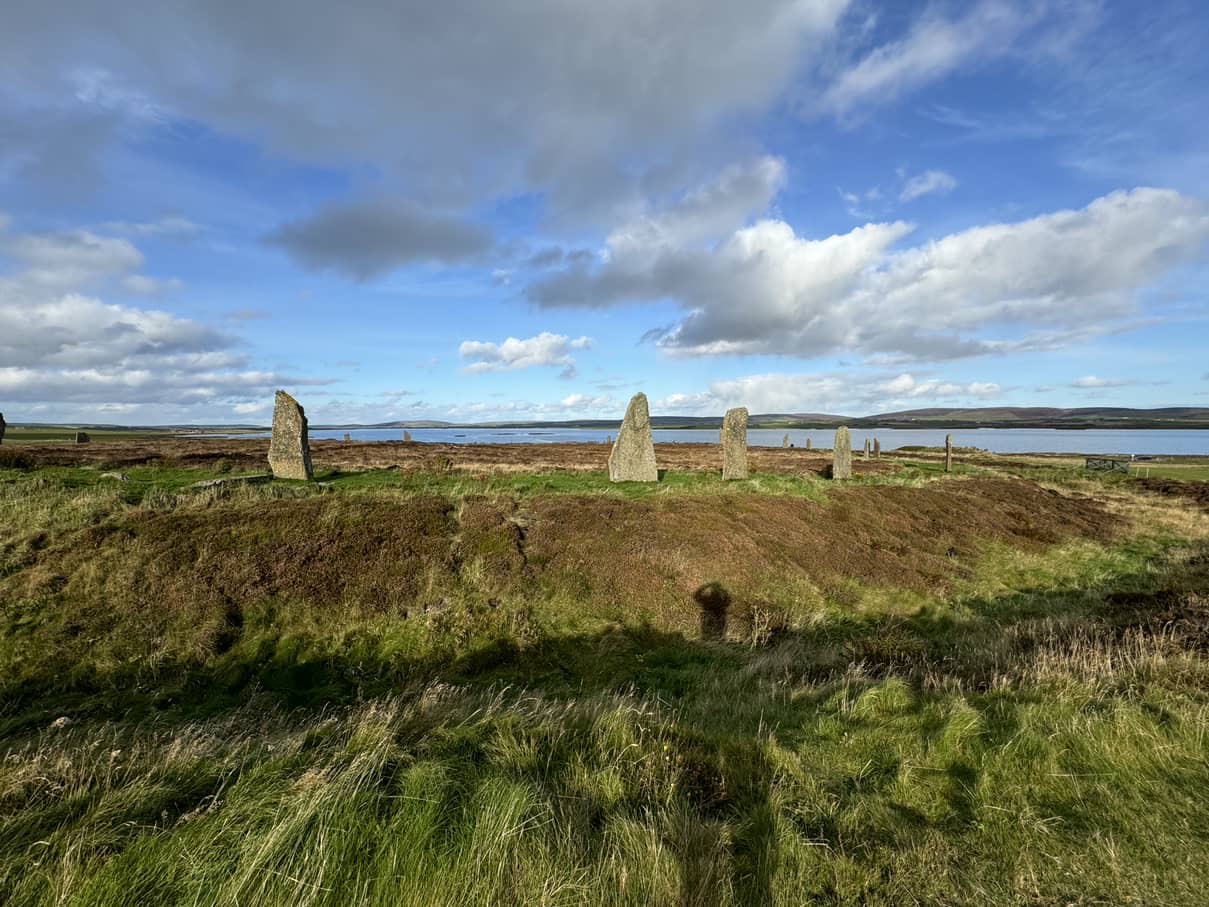
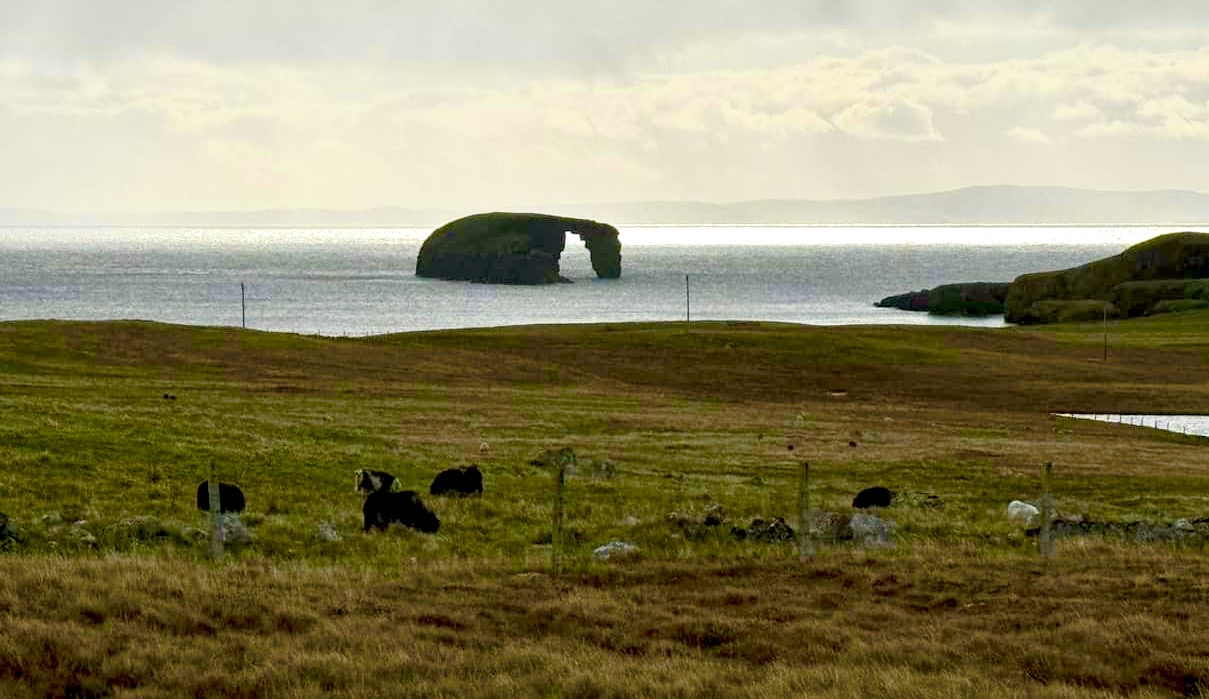
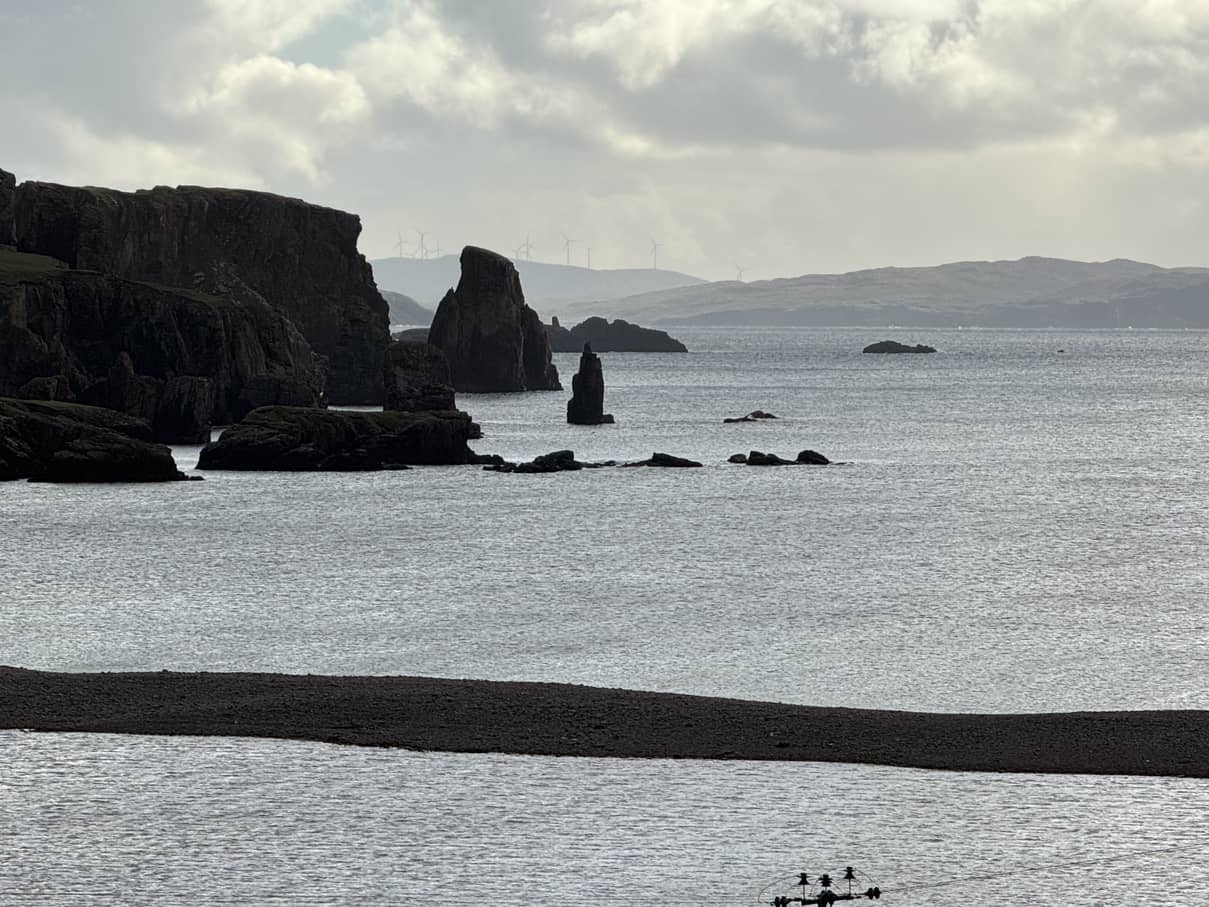
Some old archaeological fines go back 6000 years. People lived up here at that time and this is one of the large settlements uncovered The purpose of this was to provide a nesting place for birds. The bird poop would be used for fertilizer, the eggs and the birds themselves for food and of course the birds would eat the insects around the farm . Below you see the bird poop and droppings from the birds nests aboveThere is a very large house here owned by a very rich family from long ago and when the ocean came smashing on the shore from a storm it exposed parts of this pict village. So the owner of the land did the excavation and now it is quite a tourist attractionInside the big house there was a photo of the Duke of Windsor, the one that became Edward VIII and also this signed visitor book by the Queen Mother, the mother of ElizabethThis ring of standing stones has been here for more than 4000 thousand years And now it’s time to get back to the mainland on a very nice and relaxing ferry complete with Shop, bar and restaurant
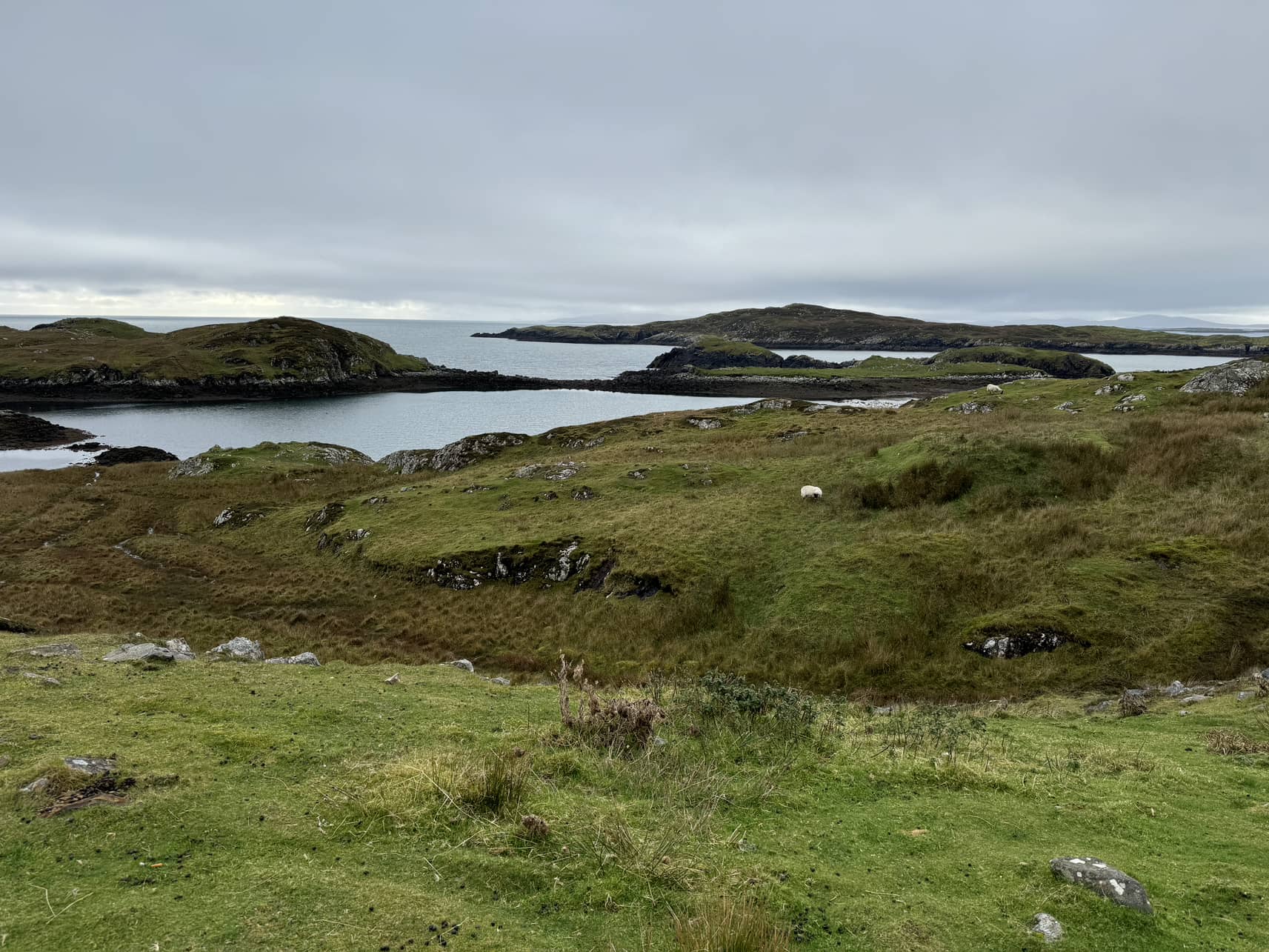
this is one of the very beautiful areas in the Highlands
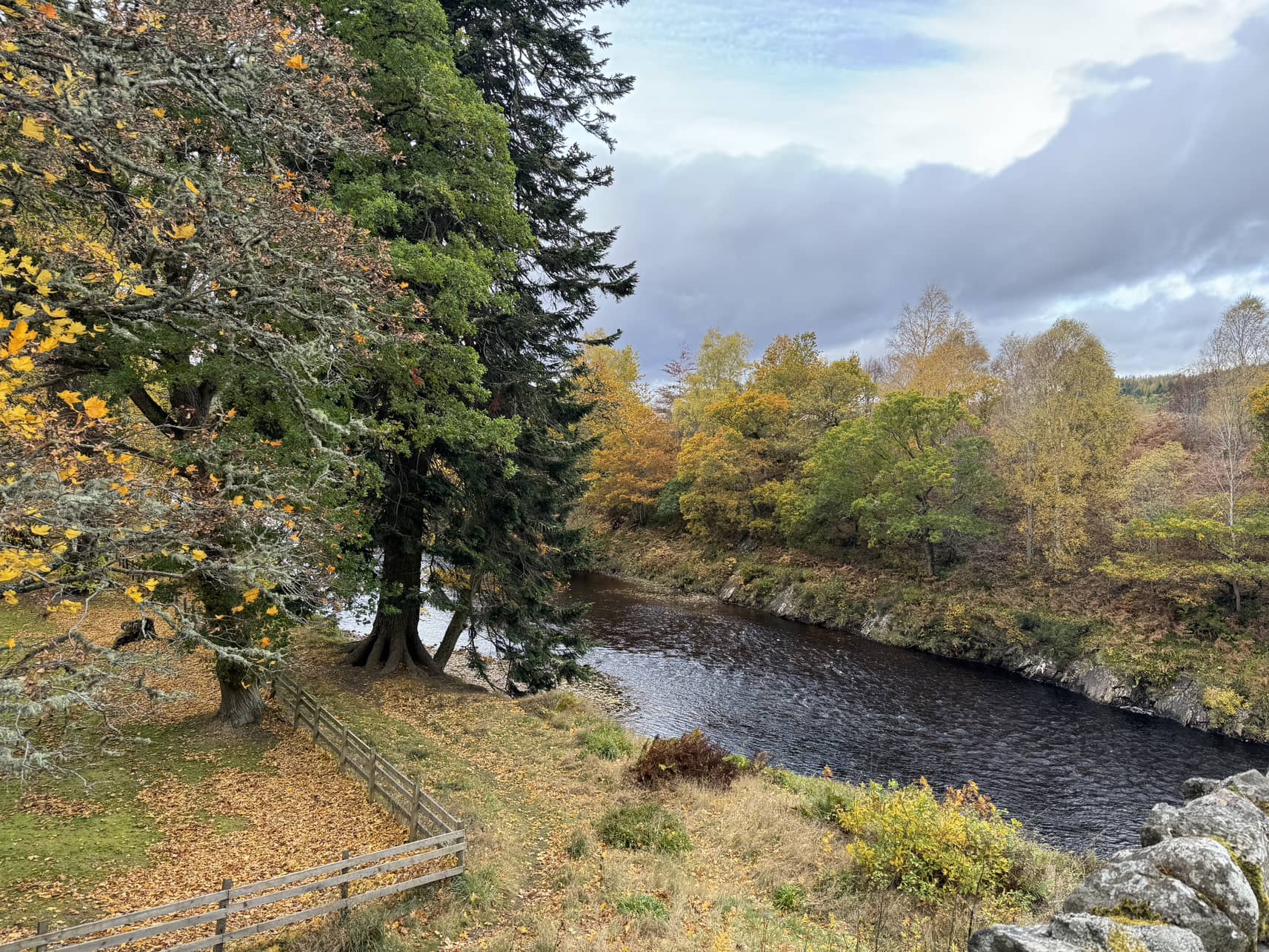
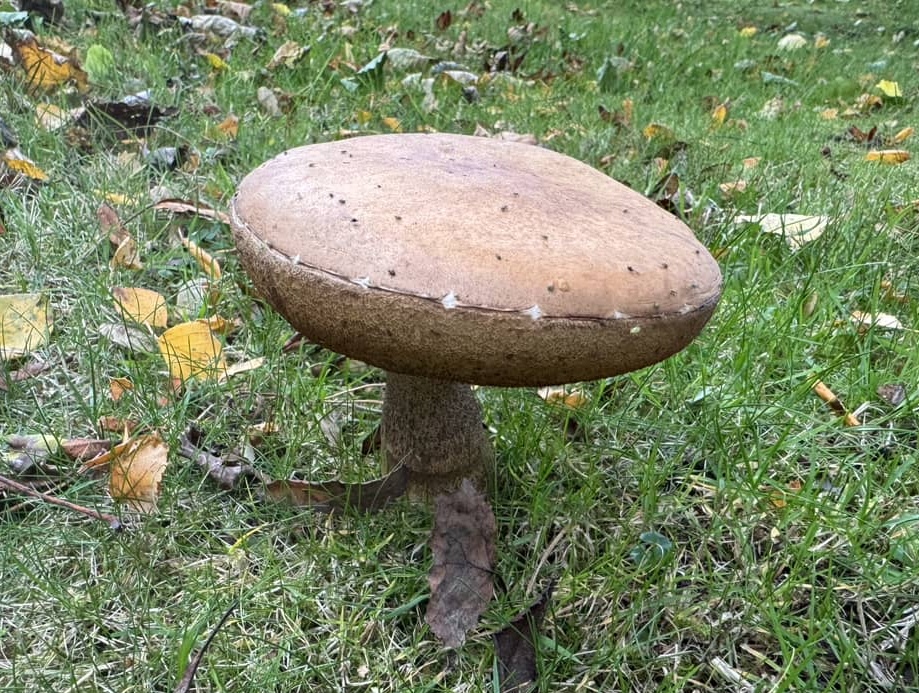
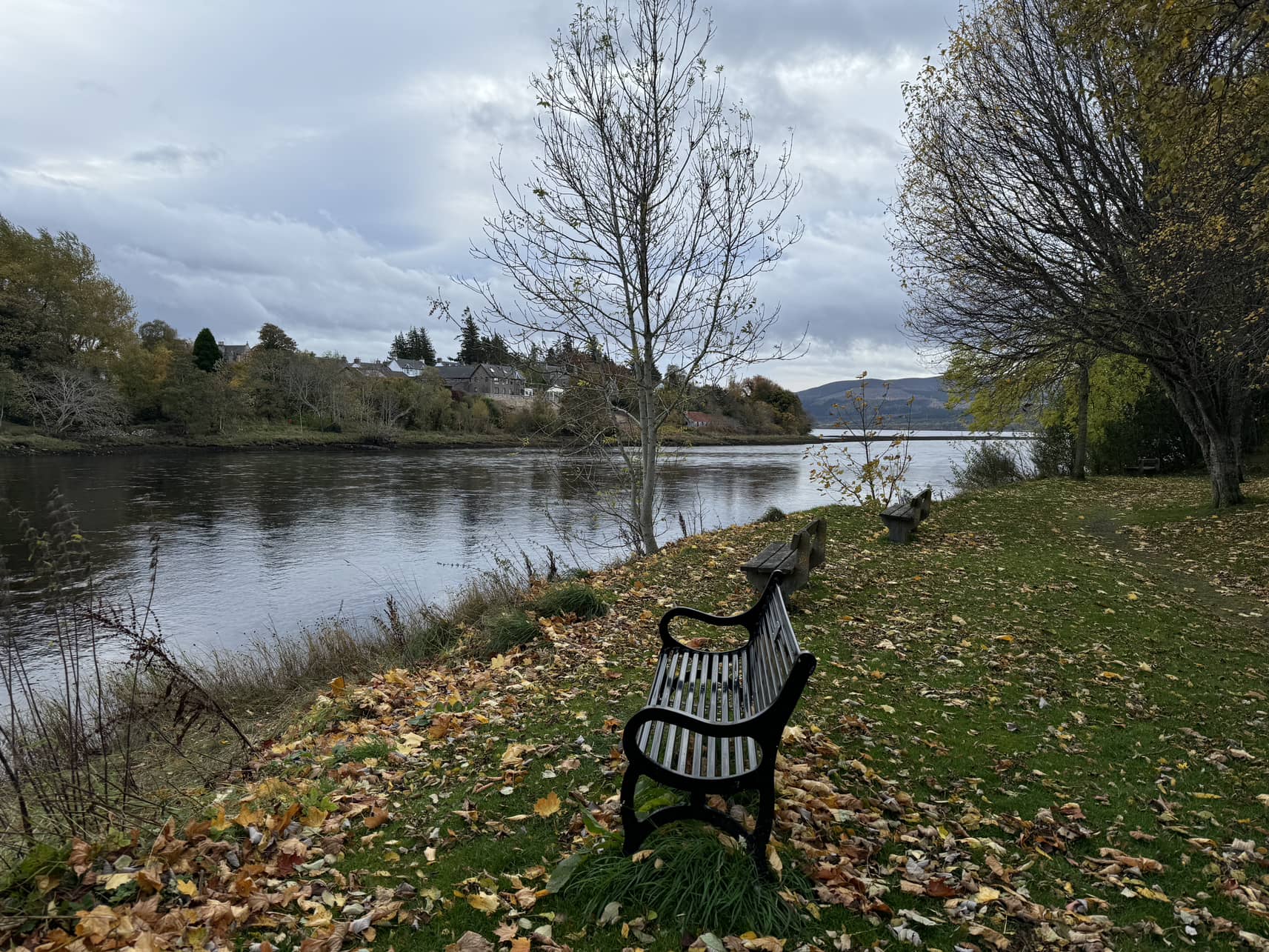
Carbisdale castle. You need a reservation to get through the gate and to view the castleLate October was the perfect time in this area. The fall colors were beautiful A very big funny looking mushroom
one of the famous products from the island of Harris which is actually a continuation of Lewis, is Harris Tweed. I bought a Harris Tweed jacket in 1985 and I thought “Harris” was the name of the company produced the jacket. But it refers to handwoven wool tweed produced on the island of Harris and no other place in the world. Many products will import the tweed from Harris, create a product and ship all over the world and even back to Scotland. But the tweed needs to be certified by the association of Harris Tweed producers and therefore gets the standardized label “Harris Tweed”. Asking around I found there are probably over 200 people dedicated to weaving this product by hand.
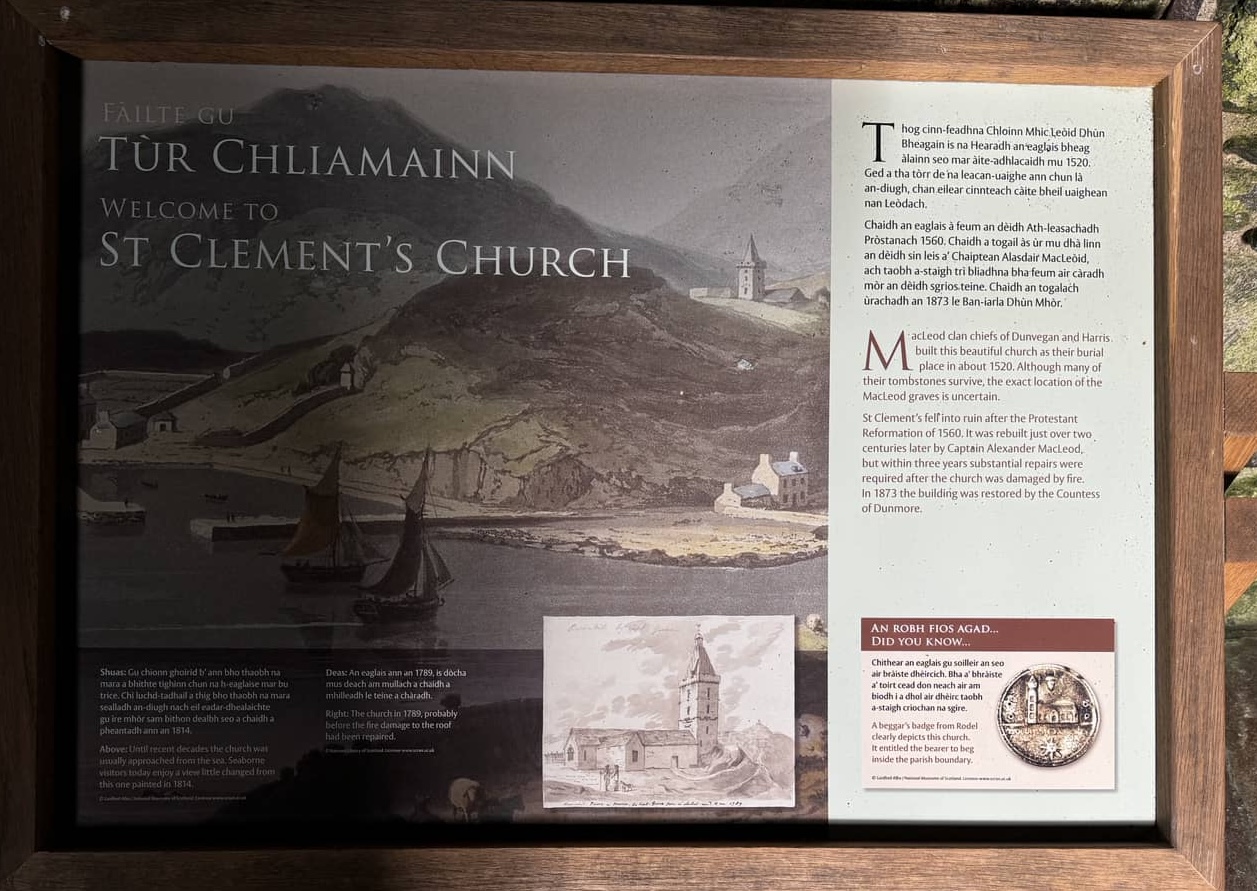
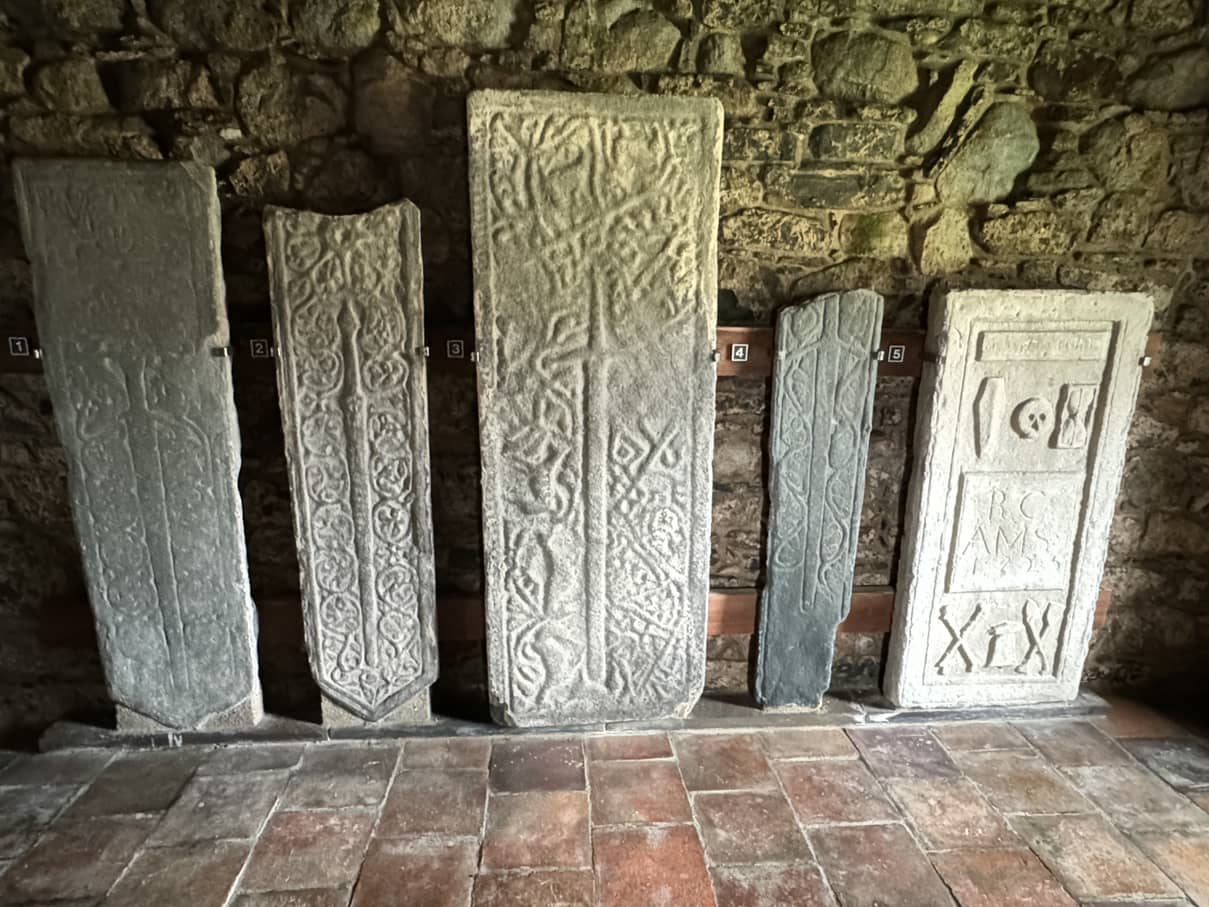
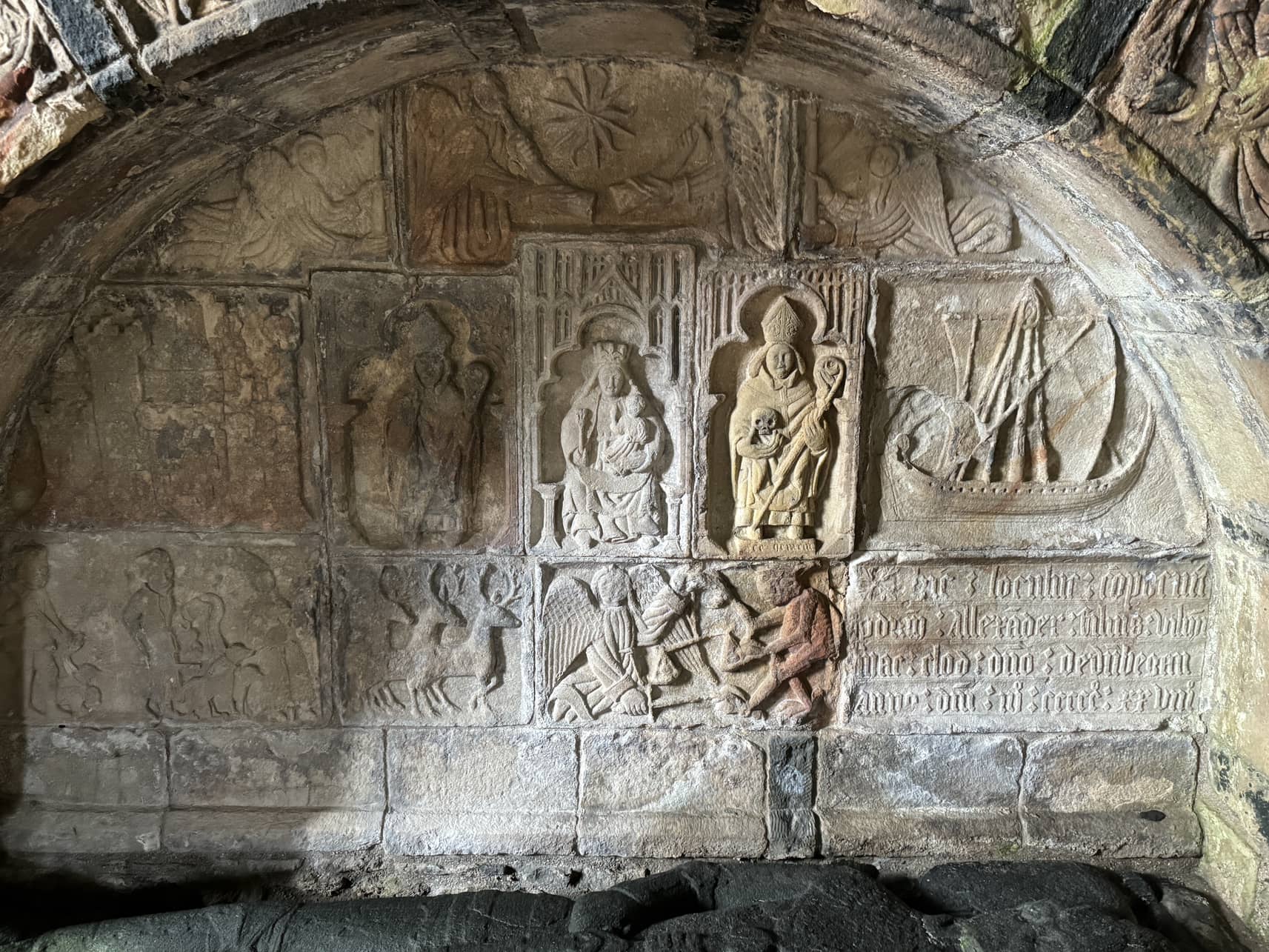
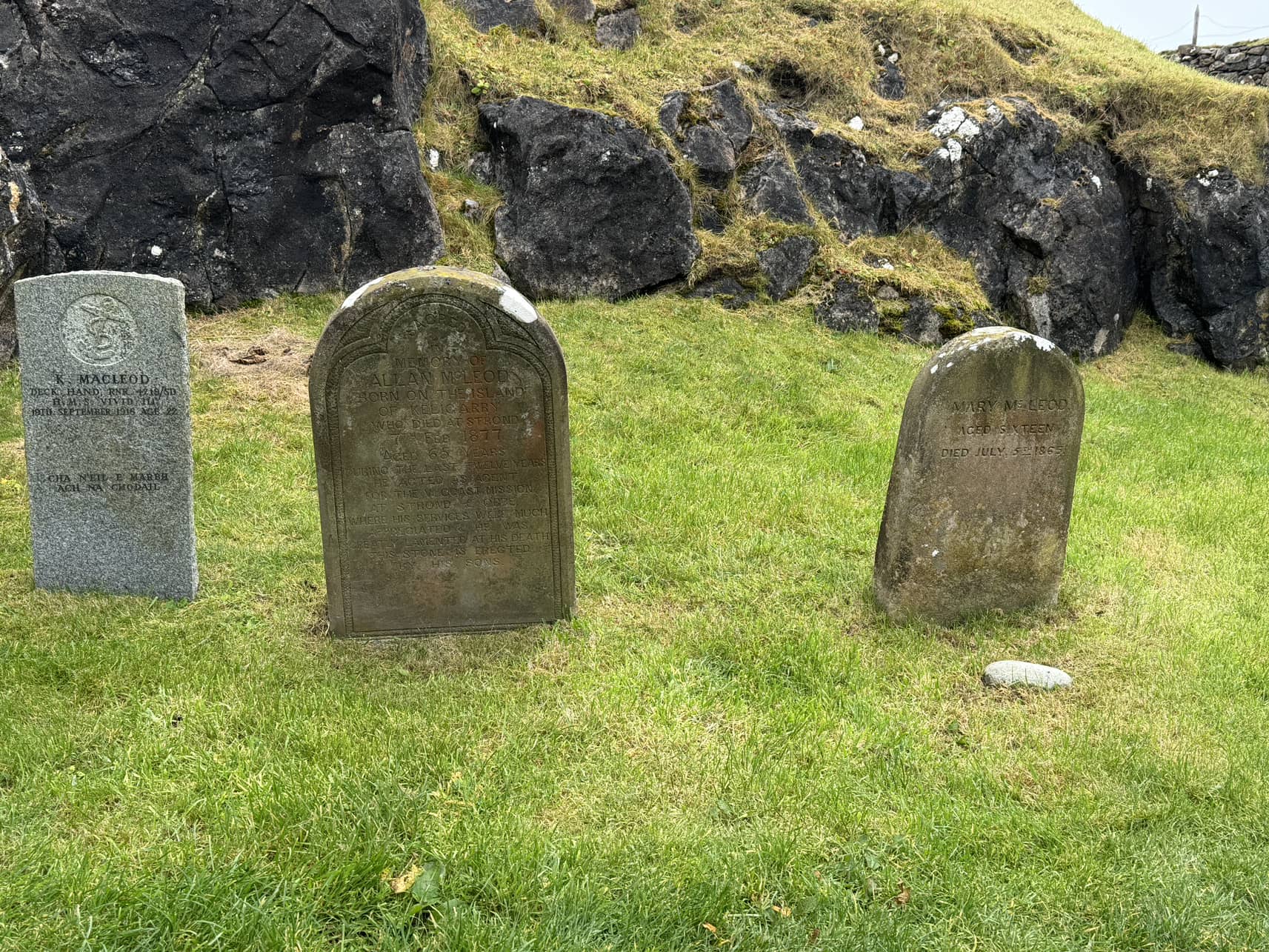
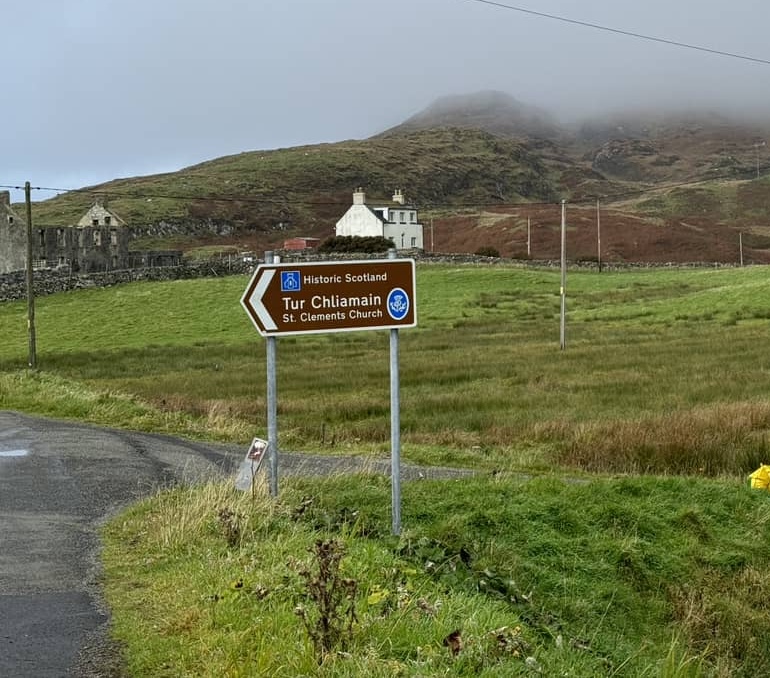
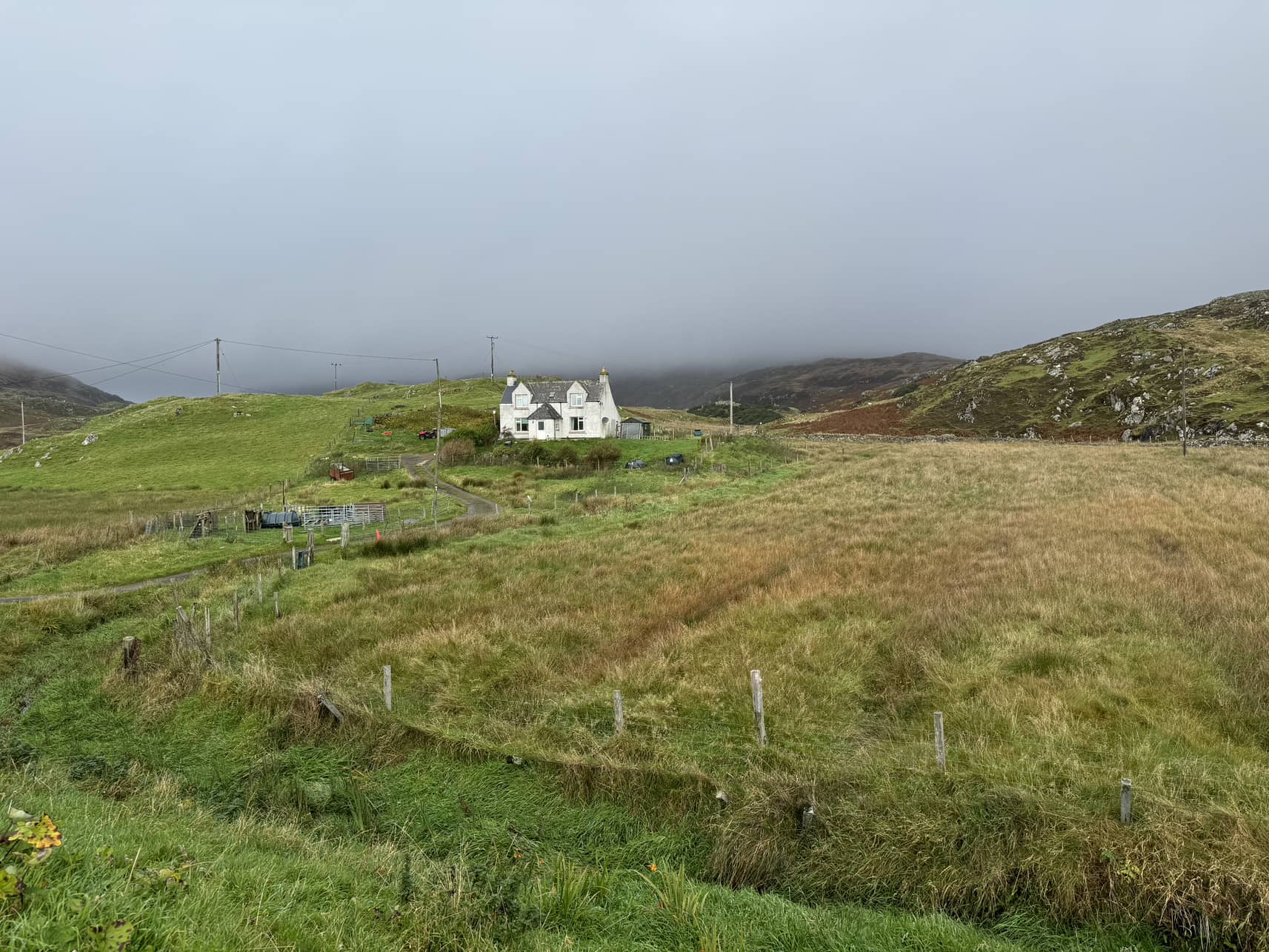
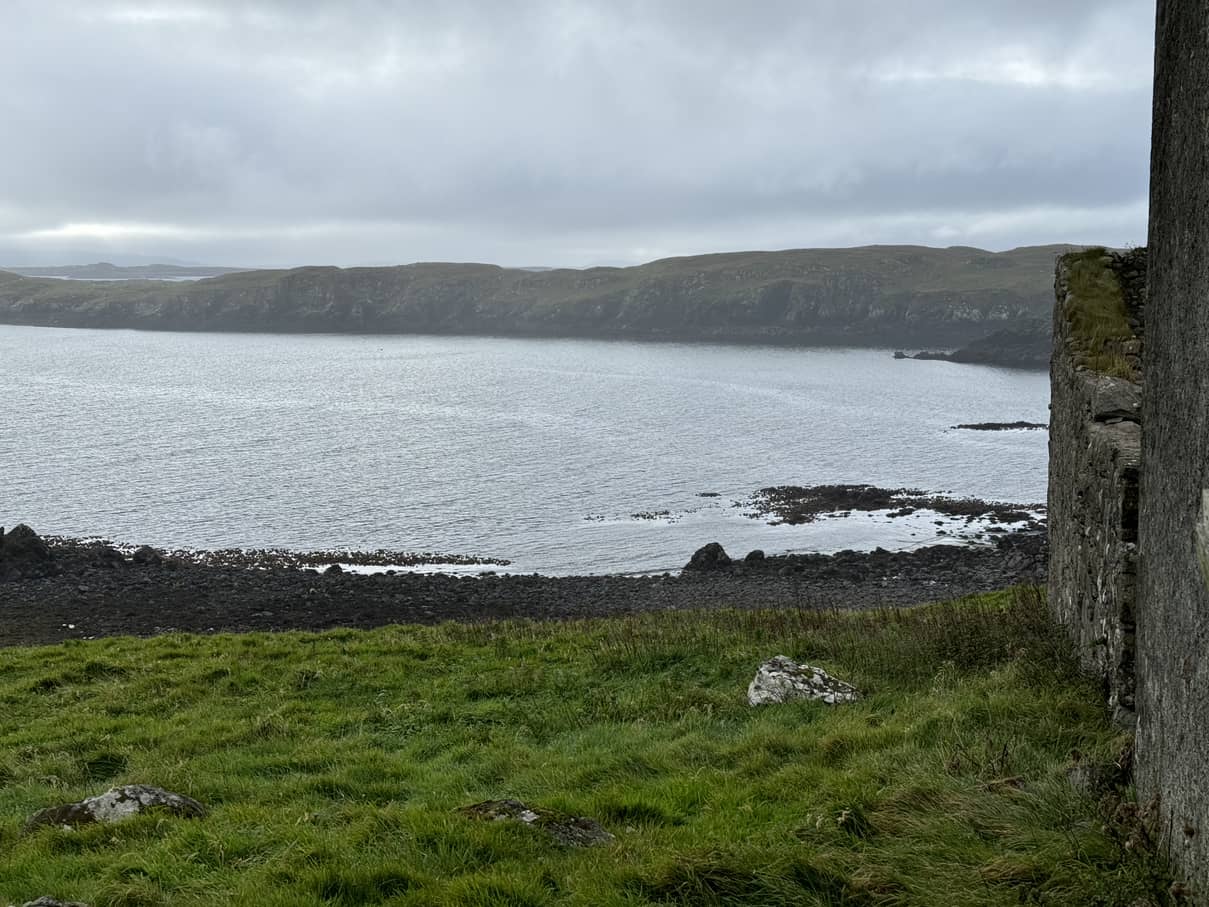
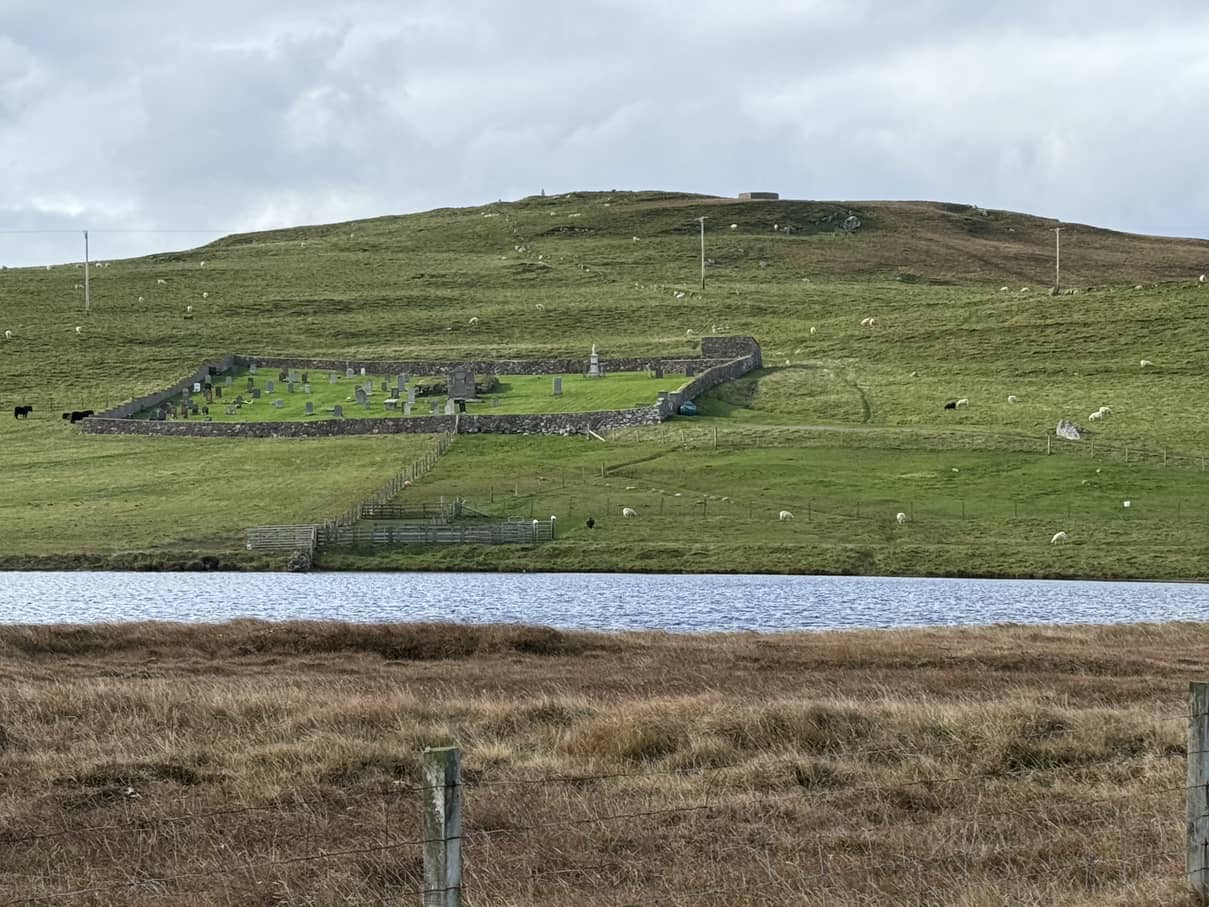
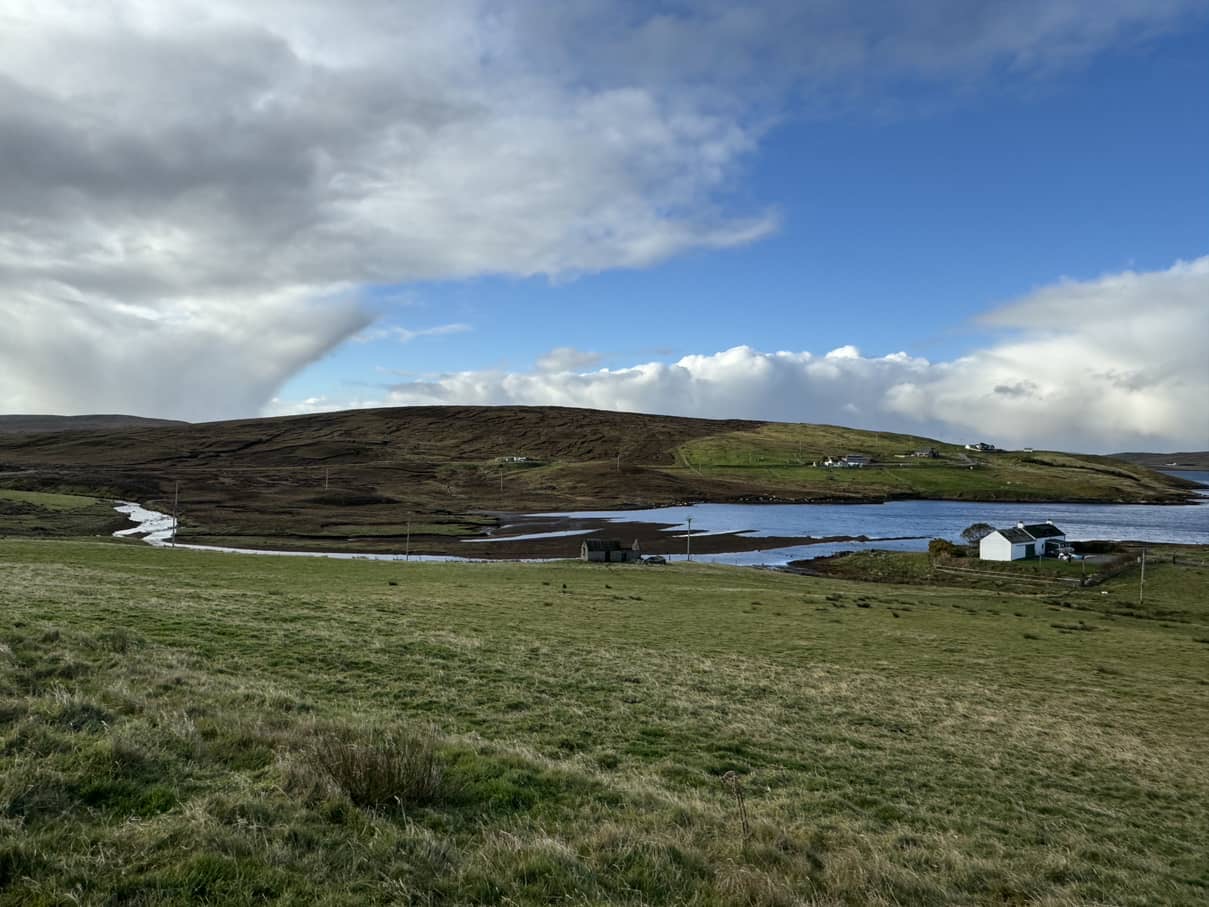
Lobster or crab traps This church is pretty much at the southernmost part of Harris Ancient tabletsMany gravestones were done in sandstone and so they become unable after 100 yearsThis is just one abandoned building A golf course overlooking a beautiful beach One of the Stone Towers left by the Picts
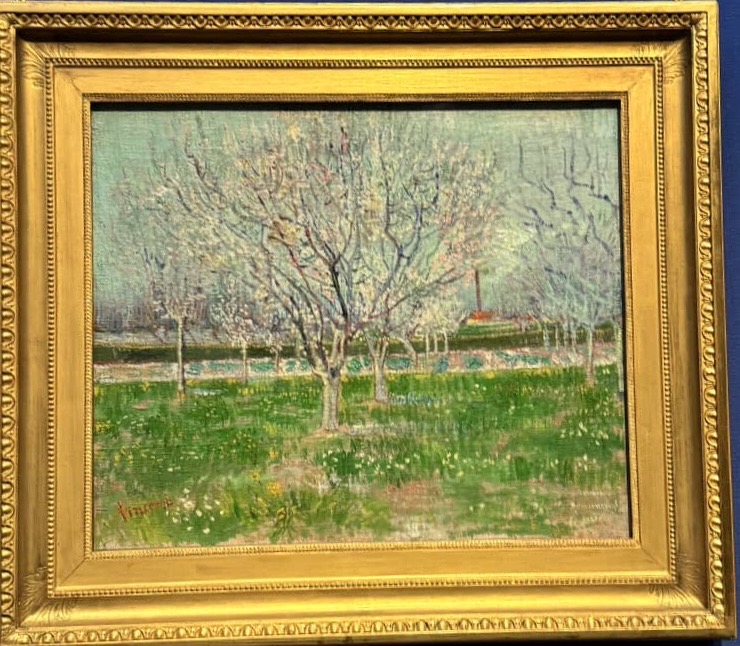
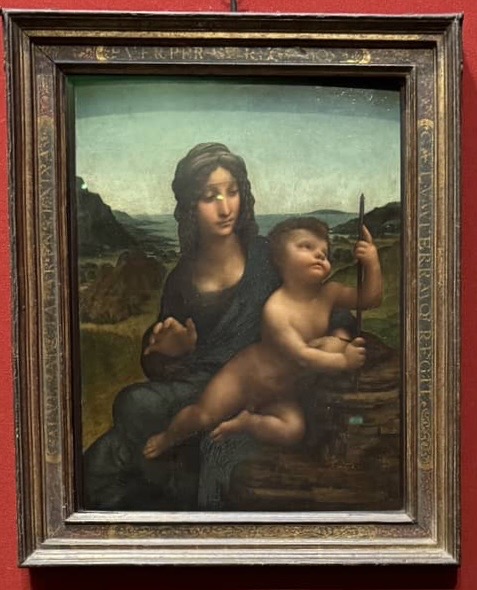
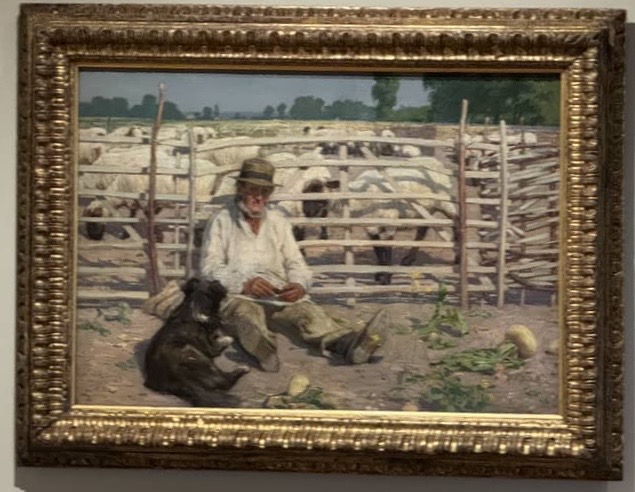
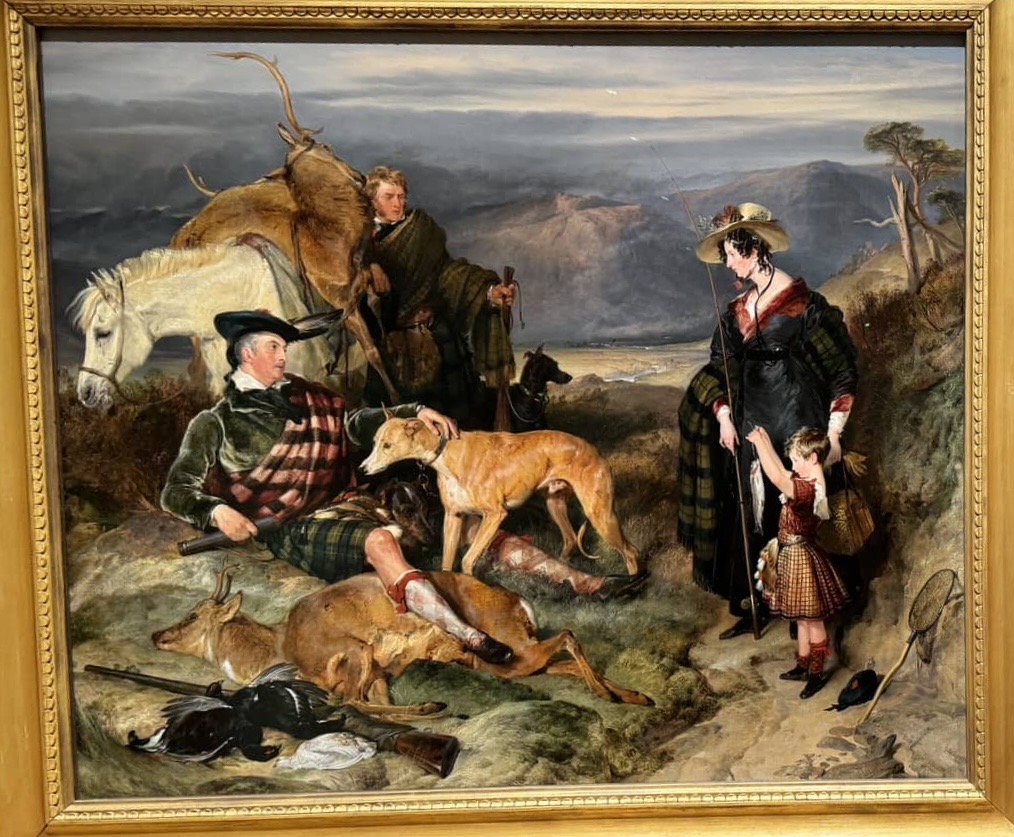
I highly recommend visiting this museum in the very center of Edinburgh. It has all different kinds of art and it’s fun to walk-through.
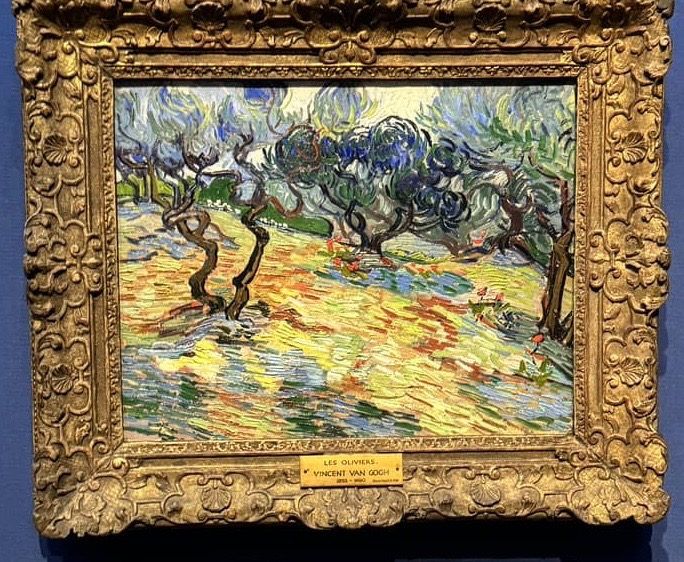
Joseph BrewerTraquairBotticelliQuinten MassysEl GrecoVan GoghDegasMonetVan GoghSeuratMesdagGauguinCezanneDa Vinci (attributed to)LandseerGrahamRaeburnHughPatonHarvey. Curling was a thing in Scotland
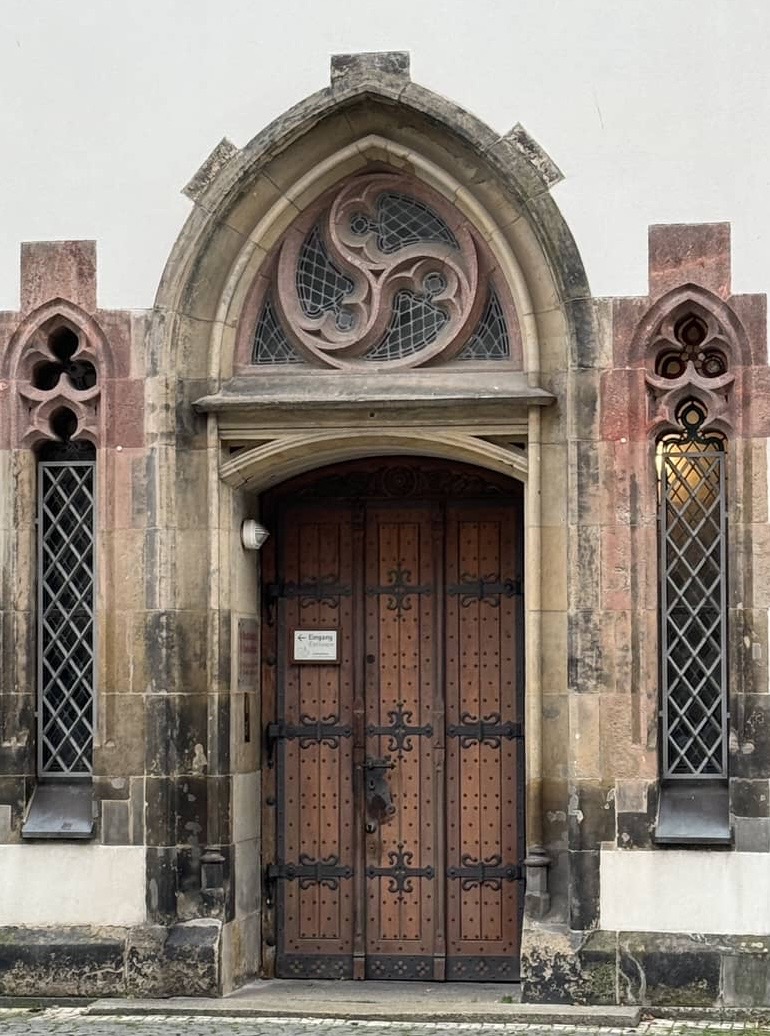
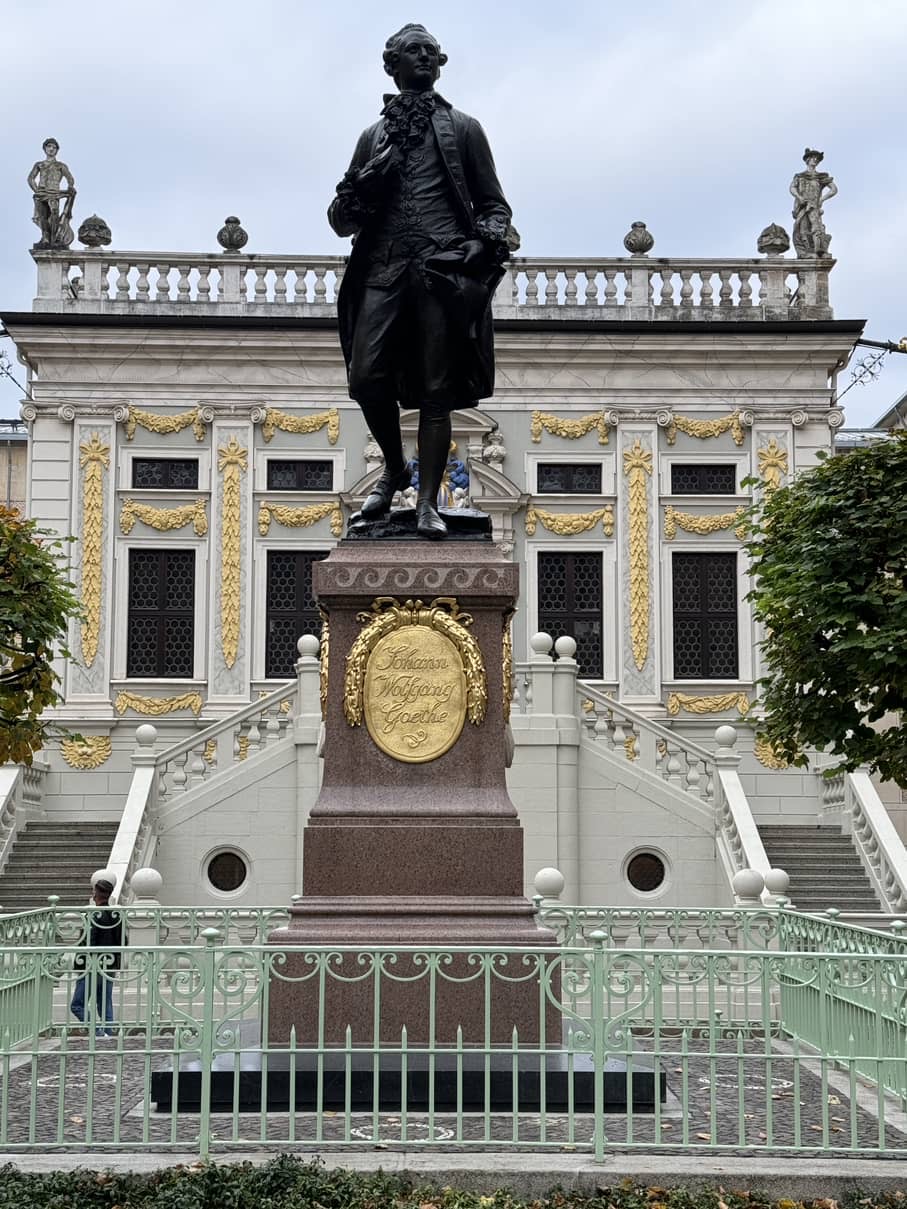
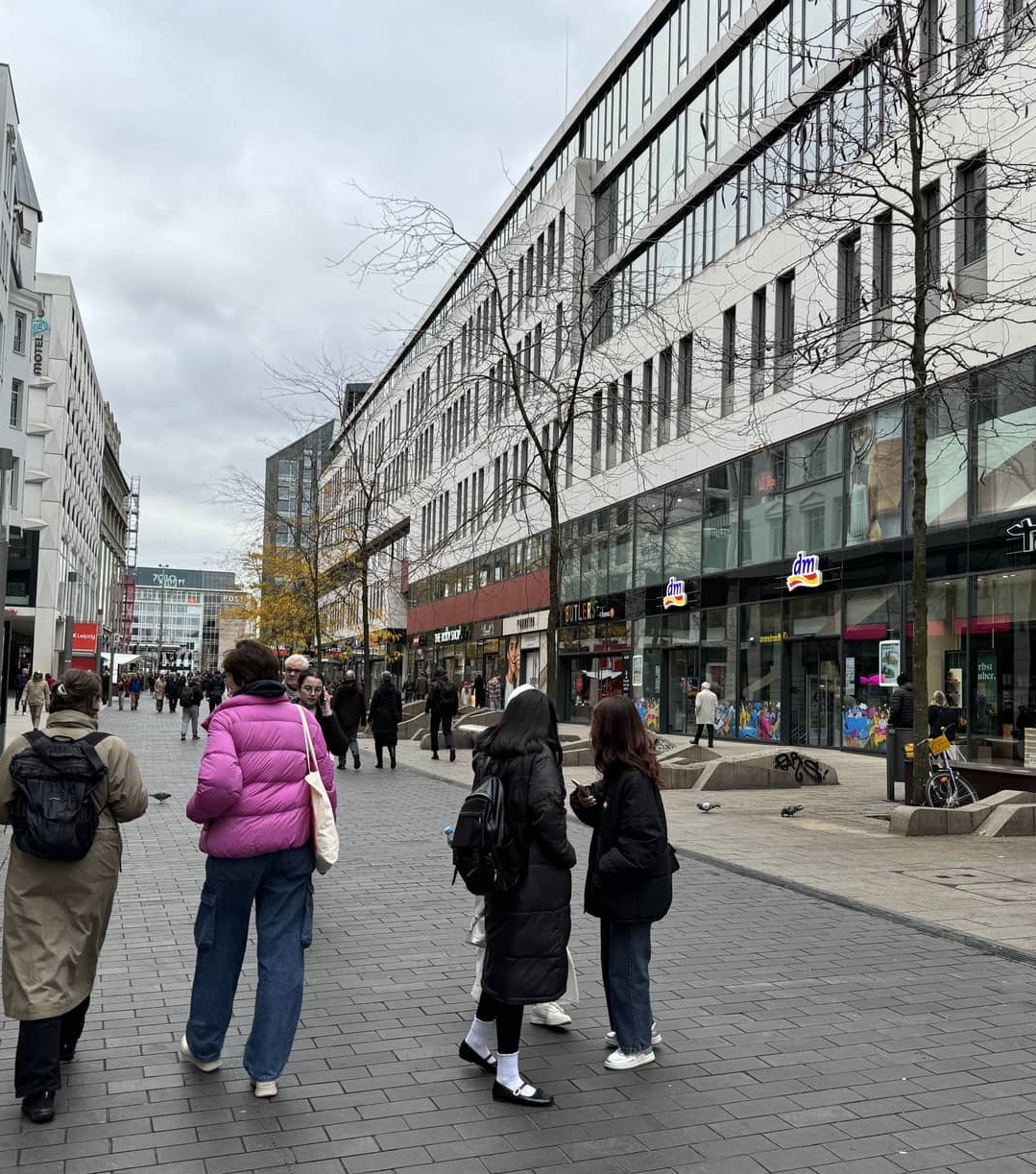
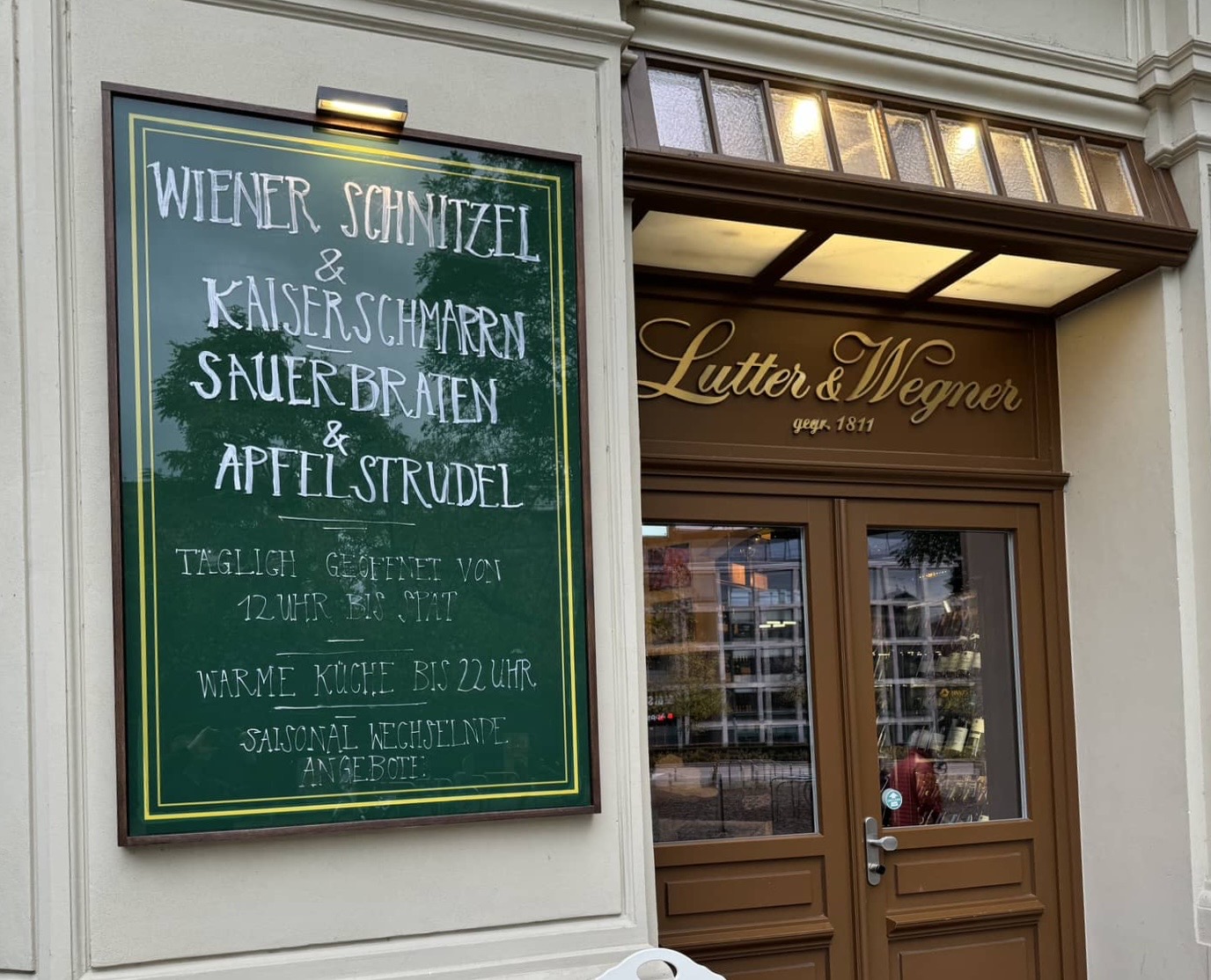
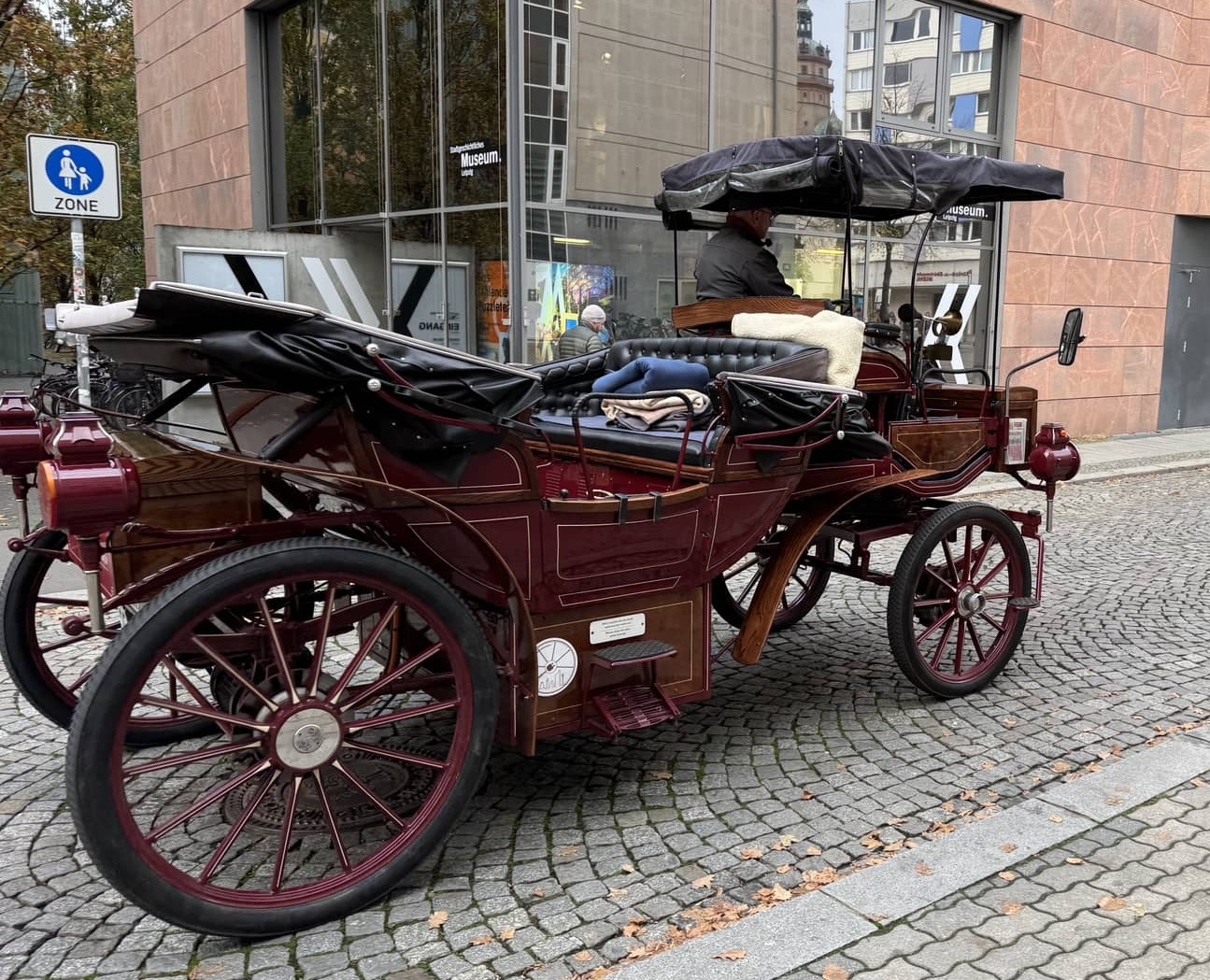
OK, back to Germany. I wanted to stop over in Leipzig so here are some photos from a Sunday when everything is closed.
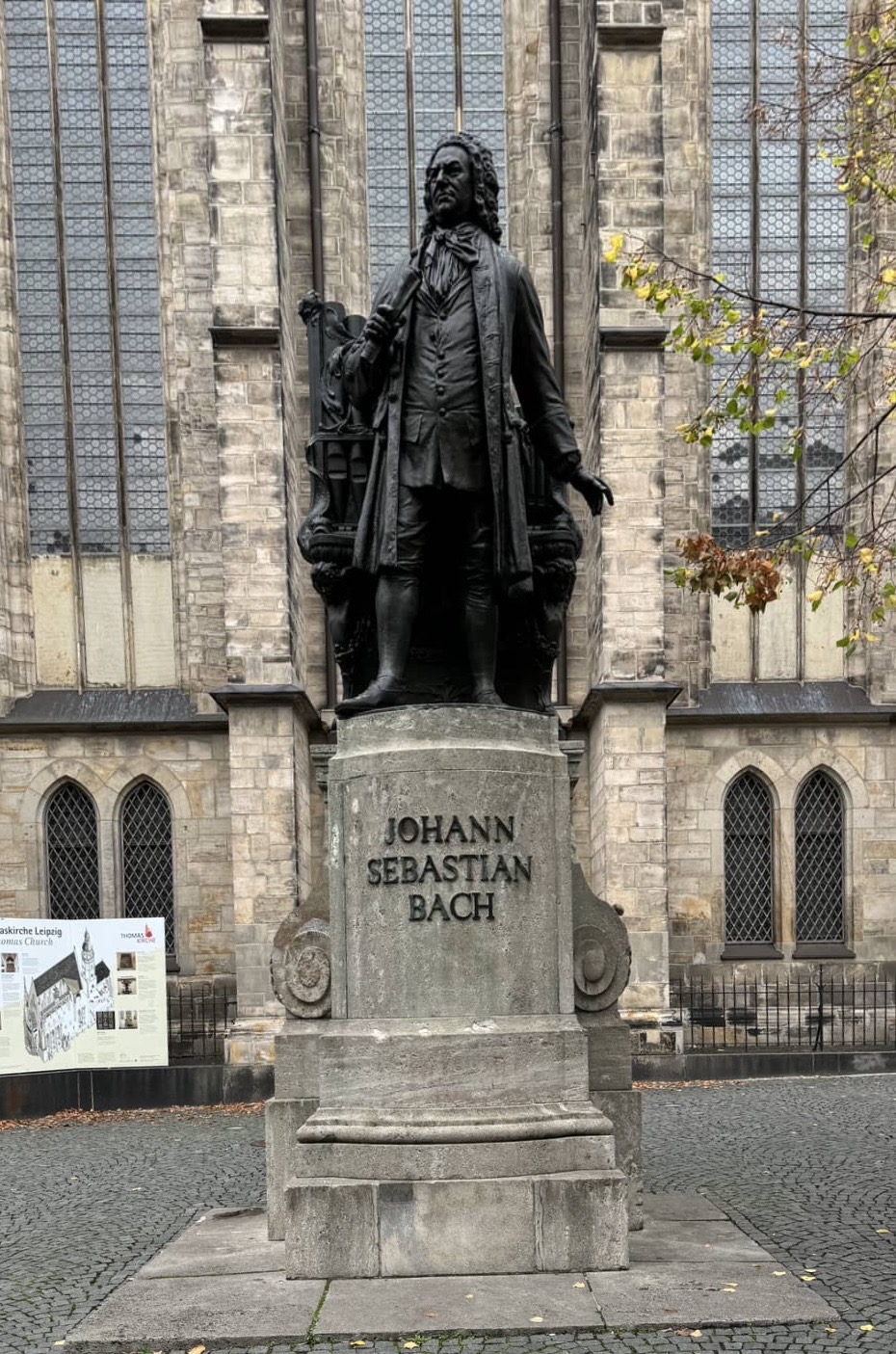
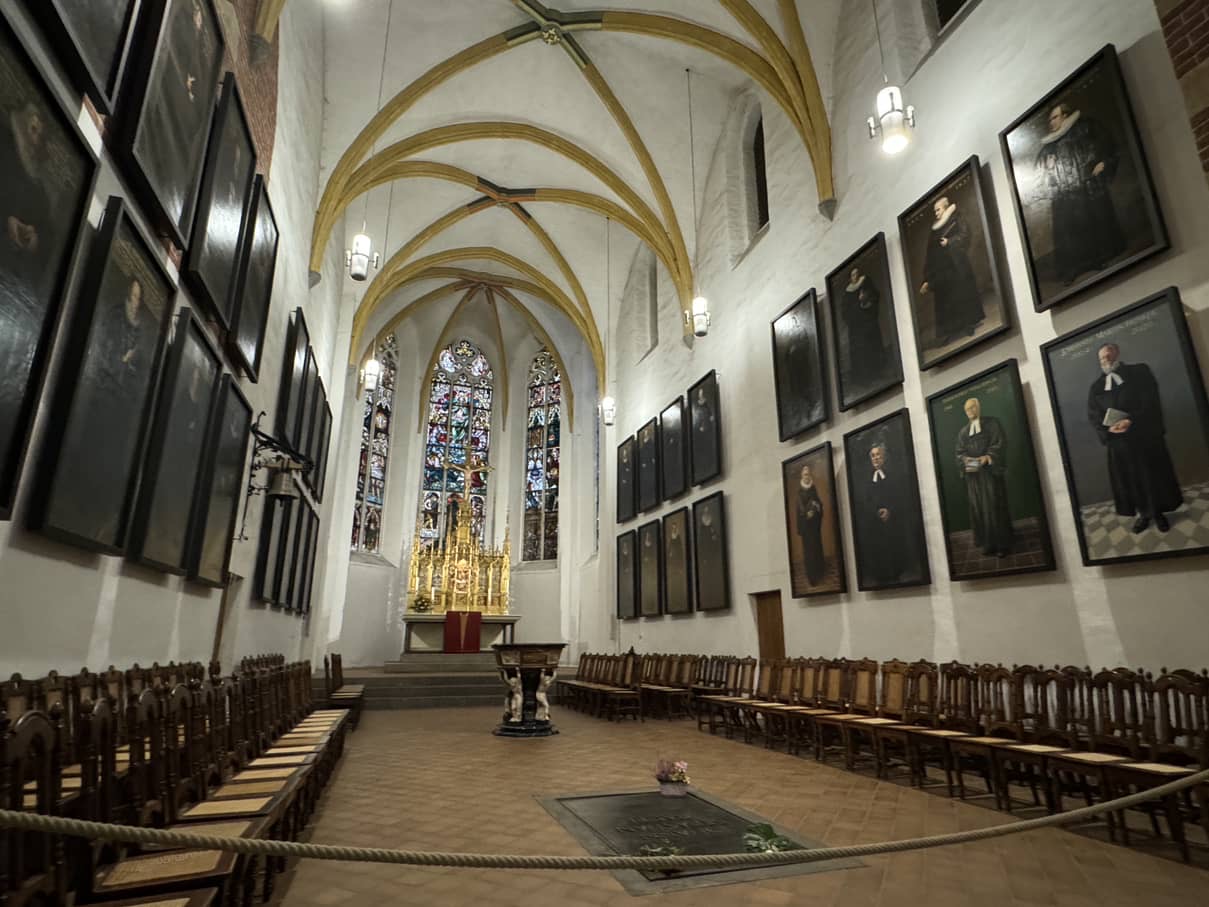
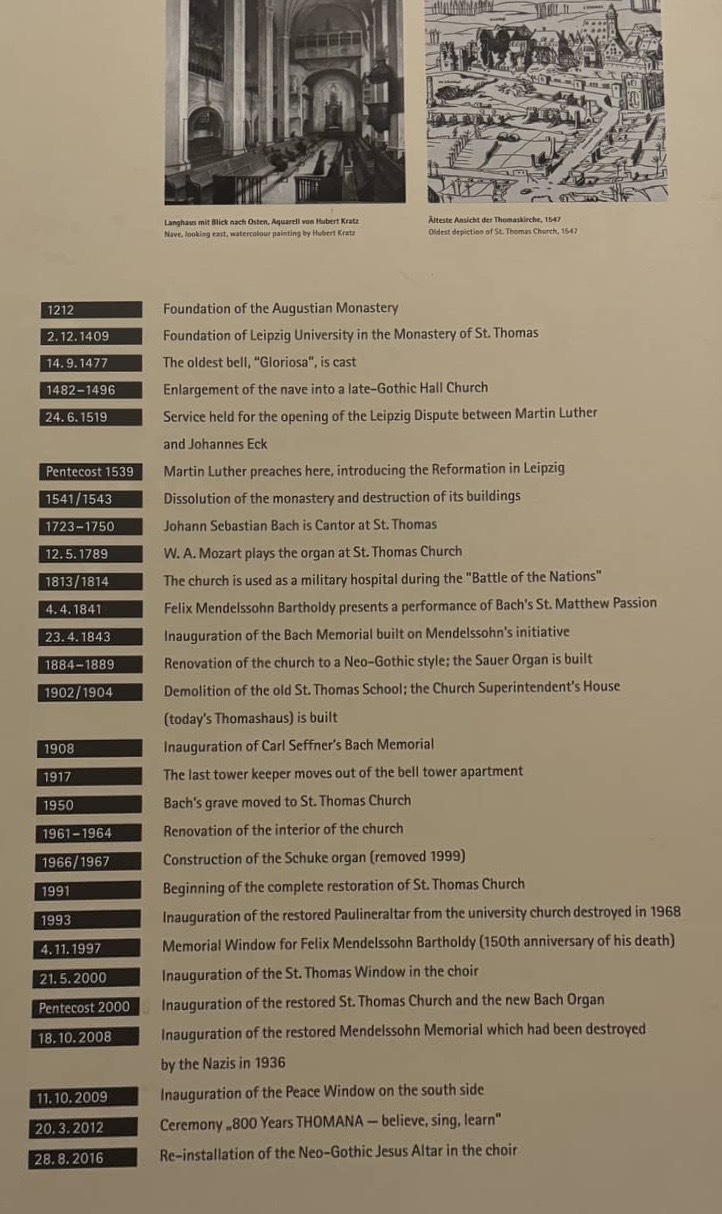
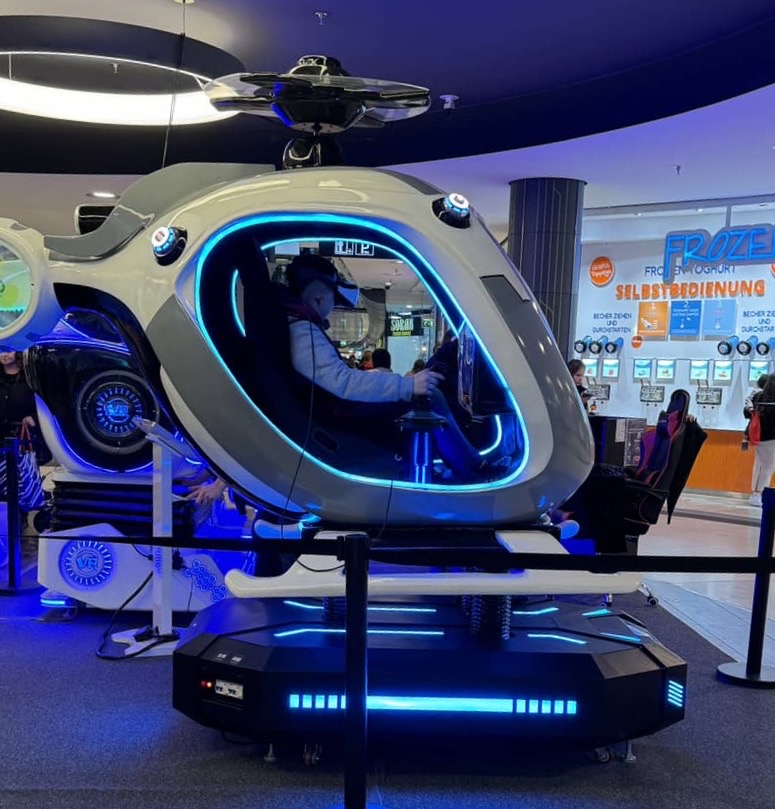
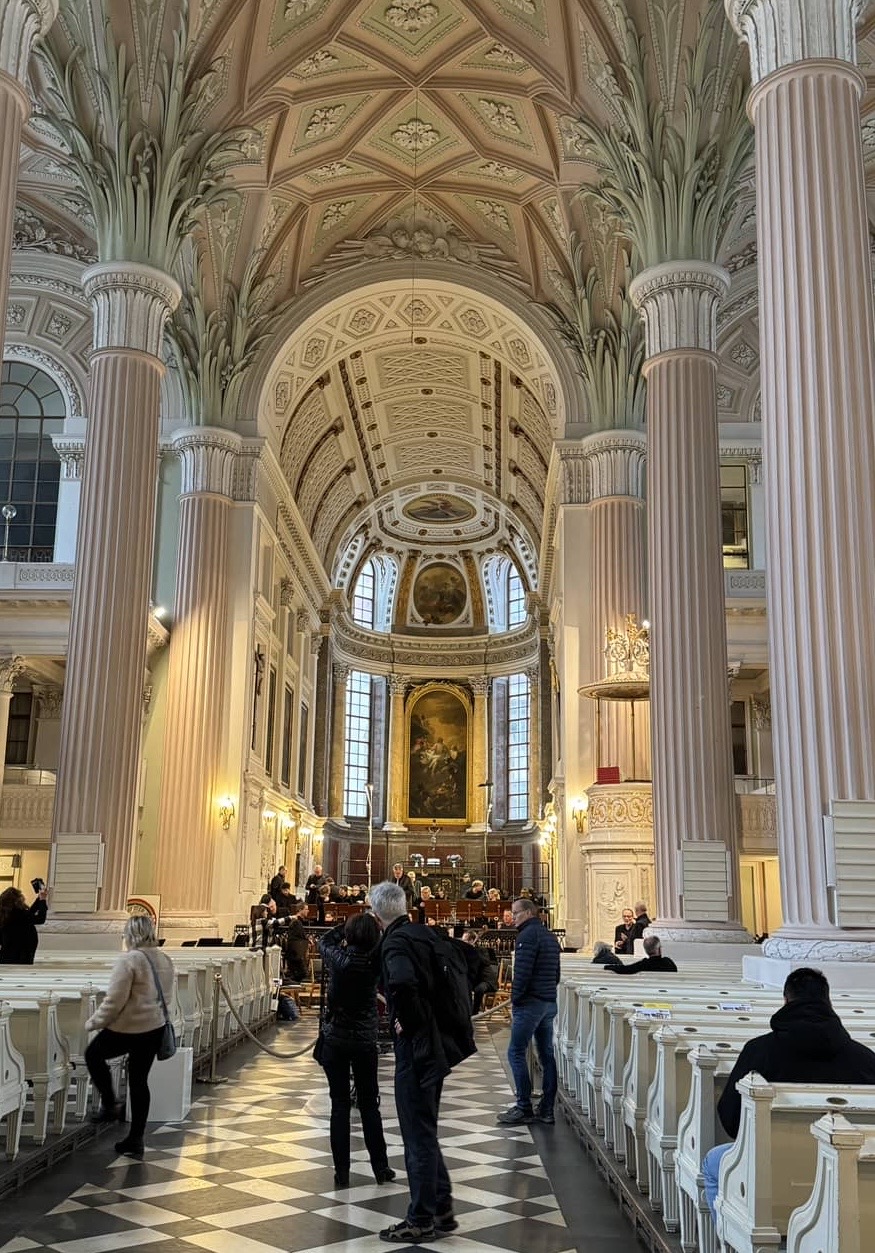
The church behind his statue is where he used to be the conductor. Here is what a description inside the church stated. “From 1723 until 1750, Johann Sebastian Bach was the highest ranking musician in Leipzig as Director Musices Lipsiensis and cantor at St. Thomas. Then, as now, the cantor at St. Thomas was an employee of the city. As part of his official duties, Bach was responsible for the musical education of the boys at St. Thomas School and for the music in services at the two main churches – St. Thomas and St. Nicholas – as well as the New Church (later called St. Matthew) and St. Peter’s Church. With his second wife Anna Magdalena Bach, née Wilcke, Bach lived in the old St. Thomas School on the churchyard. He went to this church for confession and to receive Holy Communion. During his first years in office in Leipzig, Bach created new cantatas on a weekly basis – about 150 compositions in total. 30 more can be traced to later times. And these numbers do not include Bach’s Passions, cantatas on the annual occasion of welcoming a new city council or numerous compositions for special events. Bach also presented the works of other composers in the Leipzig churches as well as his own reworkings of some of them. The first performances of the St. Matthew Passion (1727) and the lost St. Mark Passion (1731) took place at St. Thomas Church, the St. John Passion (1724) and the Christmas Oratorio (1734/35) were premiered at St. Nicholas. The interior of St. Thomas Church as it existed in Bach’s times has been removed almost entirely. This includes the two organs. The oldest parts of the large organ had been made in 1511. The smaller organ even dated back to 1489. Still remaining from Bach’s times are several pieces of Communion equipment, the portraits of superintendents in the choir, as well as the Löbelt cross and the baptismal font.St. Thomas Church From an island in Thailand? Or is it cold in Japan? This kid had a VR headset on to control his helicopter.Spaghetti Aglio olio. It was pretty goodThis restaurant seems to have pretty high standards Something to learn when in Europe This little three squiggly mark above the door is the same I saw in the Pictish Tablet in the Highlands of Scotland and also in Ireland and also in Japan.It seems his university was in this town.
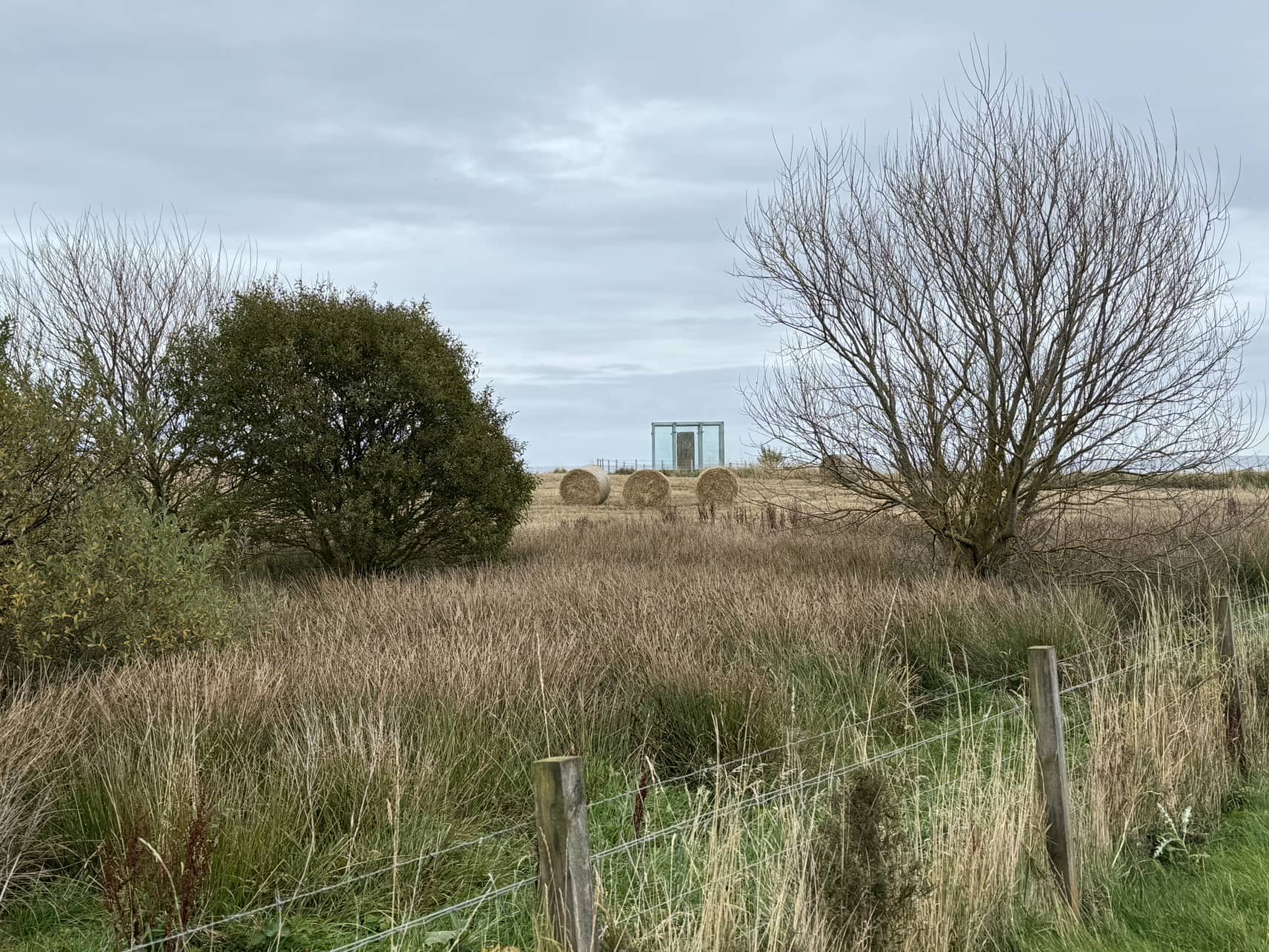
This looks like an enclosure for some alien item. You can see the enclosed stone below.
many carved Christian stones were erected in the British Isles between 700 and 800AD. Slabs like this one, however, are only found around the east coast of the northern half of Scotland. They were commissioned, designed and sculpted by elite members of Pictish tribes. Who were these people and what do we know of them? During the 6th and 7th centuries AD, the art of the Picts was to incise geometric and animal symbols onto boulders. In the 8th century their sculpture changed. They completely covered both surfaces of large stone slabs with carved designs, including a Christian cross. Fine Pictish metalwork, mainly in silver, has also been found but ittle else has survived. However, churchmen and poets from other nations wrote and spoke of them, so we do know something more about the Picts. These people were not invaders or incomers. They were descendants of the Celts who had lived in this country for over 1,000 years. The Picts were a grouping of small tribes living in the northern half of Scotland during the first thousand years AD. They were farmers, sailors, hunters and craftsmen who used many raw materials, including metals, wood and leather. Although we have not found Pictish farmhouses, byers or barns in Easter Ross, we know that they existed because place-names like Pitcalzean and Pitcalnie have survived.
This design we find an old Irish carvings and also in Japan This almost looks like another symbol . I will leave it to you to discern the similarity. This is the church the Stone above is preserved in. Now that I think about it this reminds me of the movie by John Carpenter, “Prince of darkness”, a story about an ancient relic kept in a church for protection.
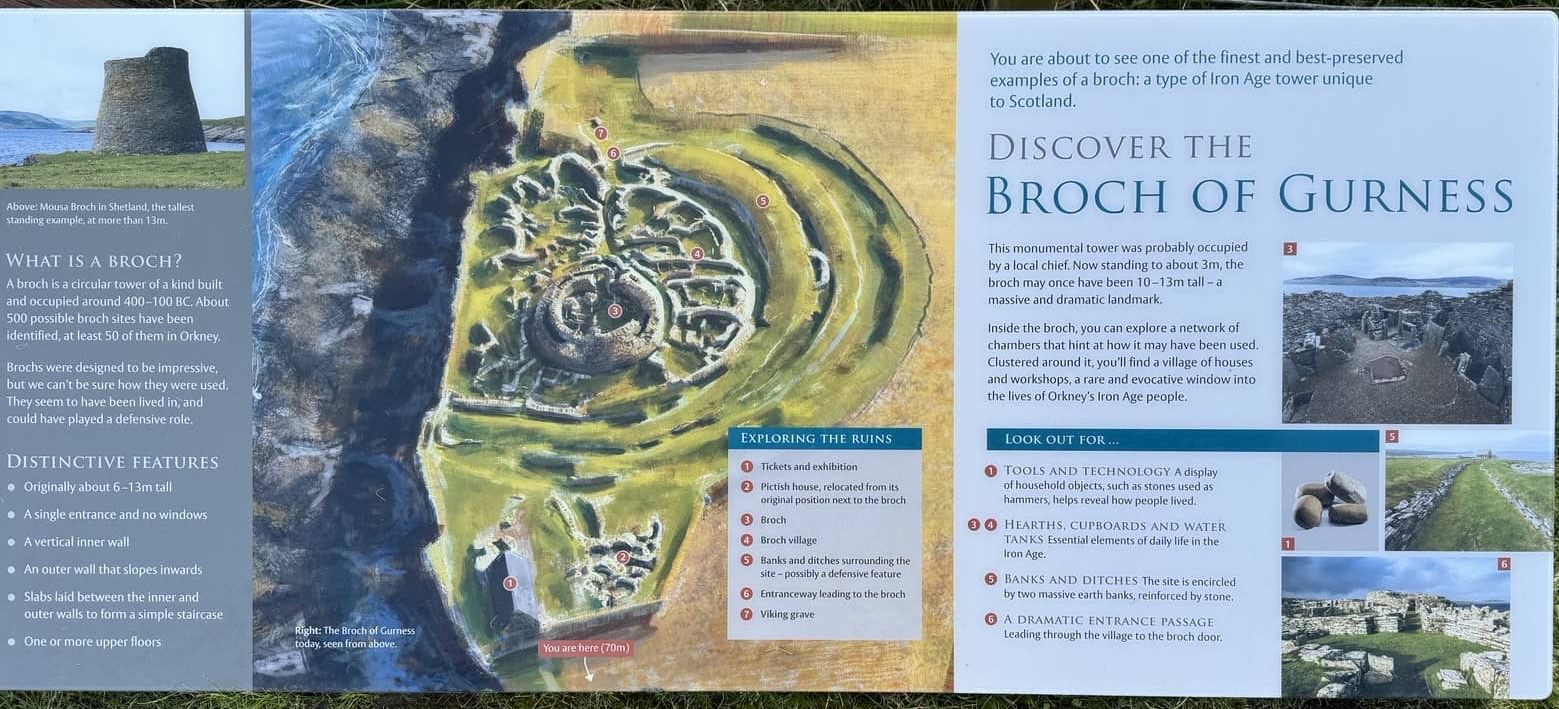
Brochs. The large standing cylinders groups occupied.
The Norsemen came here in the 9th Century AD and gave us the names ‘Skelbo’ (‘scelbol’ – shell stead) and broch’ (‘borg’ – a strong fortified place), but the broch builders who lived here, were the people of the Iron Age. We are not sure if these stone towers were only built for defence – to keep people safe during an attack from invaders. On earlier maps, brochs were often called ‘Pictish Towers’. A Roman called Ptolemy recorded the names of the Iron Age tribes and the people were called ‘Picti’ – the painted ones. The map shows the location of all the broch sites in the north. Only a few brochs were built further south. Perhaps they were status symbols and built to impress?
This is a Broch Which partially remains but now is covered by vegetationThese people were raising deer most likely for food I had the funniest room entrance of all time. The guest house and the room was extremely nice. I suspect this was probably some servants quarters or some work area hundred years ago A little soy sauce improves the taste tremendously Scotland is definitely the land of sheep
this is definitely one of the most fantastic museums in the world. You must go and see this. It has so many different categories of things to see it will fascinate the whole family.
The Crown jewels I just thought this was so beautiful Jews initially came as merchants or envoys here. One of the oldest written reports about Prague comes from the pen of the Jewish traveler Ibrahim ibn Yakub from 965/6.The view from the top The food is delicious